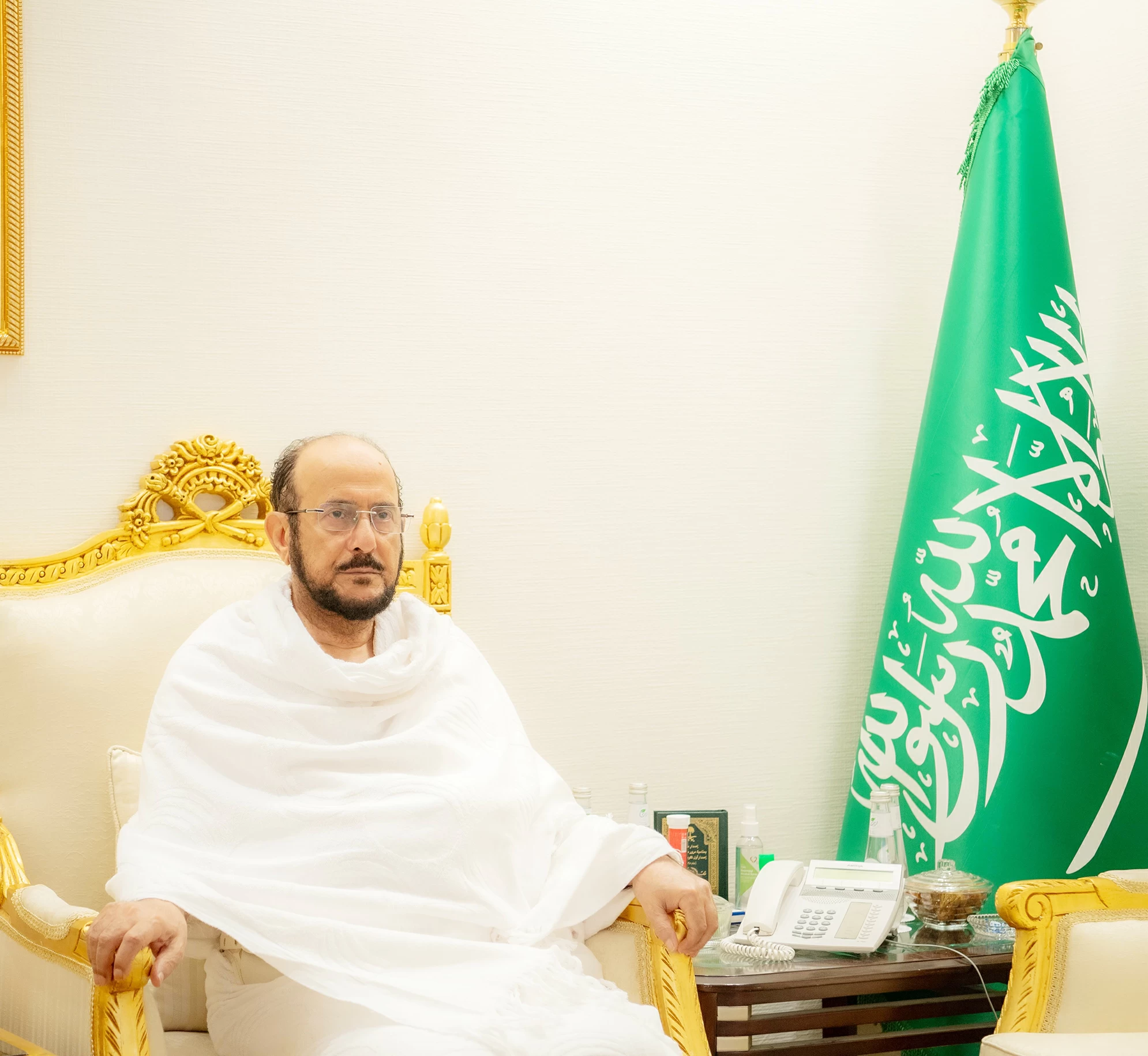
شدَّد وزير الشؤون الإسلامية والدعوة والإرشاد الدكتور عبداللطيف آل الشيخ، على أن الاعتماد على الذكاء الاصطناعي أو بعض المصادر غير الموثوقة في تلقي الفتاوى والأحكام الشرعية يُعد خطأً كبيراً، مشدداً على أهمية أخذ الفتوى من العلماء الراسخين المعروفين بالعلم والصلاح، لا سيما في ما يتعلق بأحكام الحج والمناسك.
وأوضح أن بعض ما يُتداول عبر منصات التواصل الاجتماعي أو تطبيقات الذكاء الاصطناعي قد يتضمن معلومات وفتاوى غير دقيقة تصدر من غير المؤهلين، ما قد يوقع المسلم في الخطأ ويؤثر على صحة عبادته، داعياً الحجاج إلى تحري مصادر العلم الشرعي الموثوقة، والأخذ عن أهل العلم المعروفين بالمنهج الصحيح والعلم الراسخ.
وأشار آل الشيخ إلى أهمية التزام الحجاج بالتعليمات الشرعية والتنظيمية خلال موسم الحج، والحرص على تعلم أحكام المناسك من مصادرها الصحيحة، وعدم الانسياق خلف الآراء الشاذة أو الفتاوى المضللة التي تصدر عن بعض المتطرفين وأصحاب الأهواء.
وأكد وزير الشؤون الإسلامية أن ما تنعم به المملكة من أمن واستقرار وتلاحم بين القيادة والشعب يُعد نموذجاً يُحتذى، مشيراً إلى أن الحملات المغرضة والأقلام المأجورة والألسنة المستأجرة التي تحاول التقليل من جهود المملكة أو التشكيك في ما تقدمه لخدمة الإسلام والمسلمين لن تؤثر في مسيرتها.
The Minister of Islamic Affairs, Call and Guidance, Dr. Abdul Latif Al Sheikh, emphasized that relying on artificial intelligence or some unreliable sources for receiving fatwas and legal rulings is a significant mistake. He stressed the importance of obtaining fatwas from established scholars known for their knowledge and righteousness, especially concerning the rulings of Hajj and rituals.
He explained that some of what is circulated on social media platforms or artificial intelligence applications may contain inaccurate information and fatwas issued by unqualified individuals, which could lead Muslims to make mistakes and affect the validity of their worship. He urged pilgrims to seek reliable sources of Islamic knowledge and to learn from scholars known for their correct methodology and solid knowledge.
Al Sheikh pointed out the importance of pilgrims adhering to the legal and organizational instructions during the Hajj season and being keen to learn the rulings of the rituals from their correct sources, avoiding being swayed by deviant opinions or misleading fatwas issued by some extremists and those with personal agendas.
The Minister of Islamic Affairs affirmed that the security, stability, and unity between the leadership and the people that the Kingdom enjoys serve as a model to be emulated. He noted that malicious campaigns, hired pens, and rented tongues attempting to undermine the Kingdom's efforts or question what it provides in service of Islam and Muslims will not affect its course.