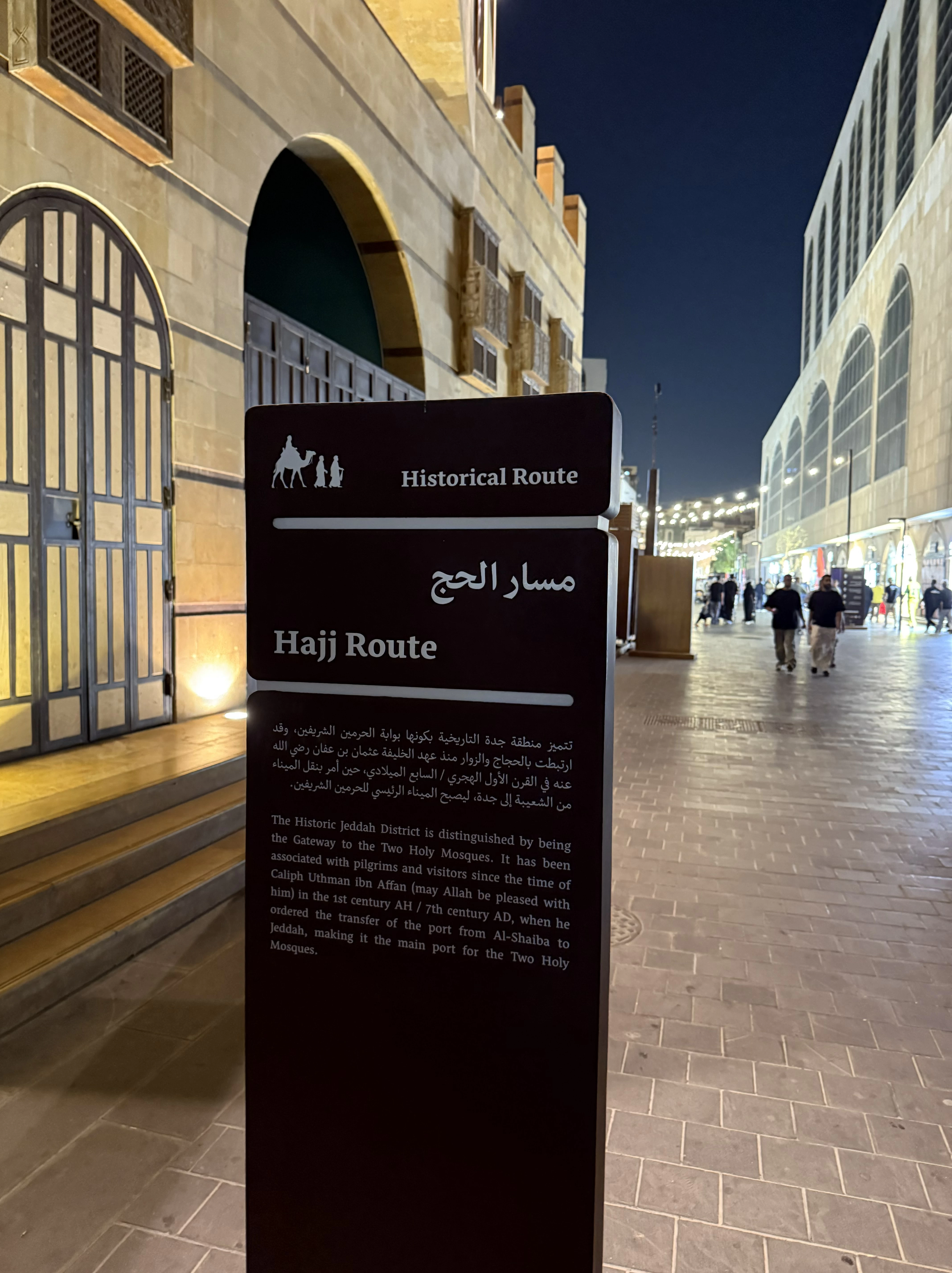
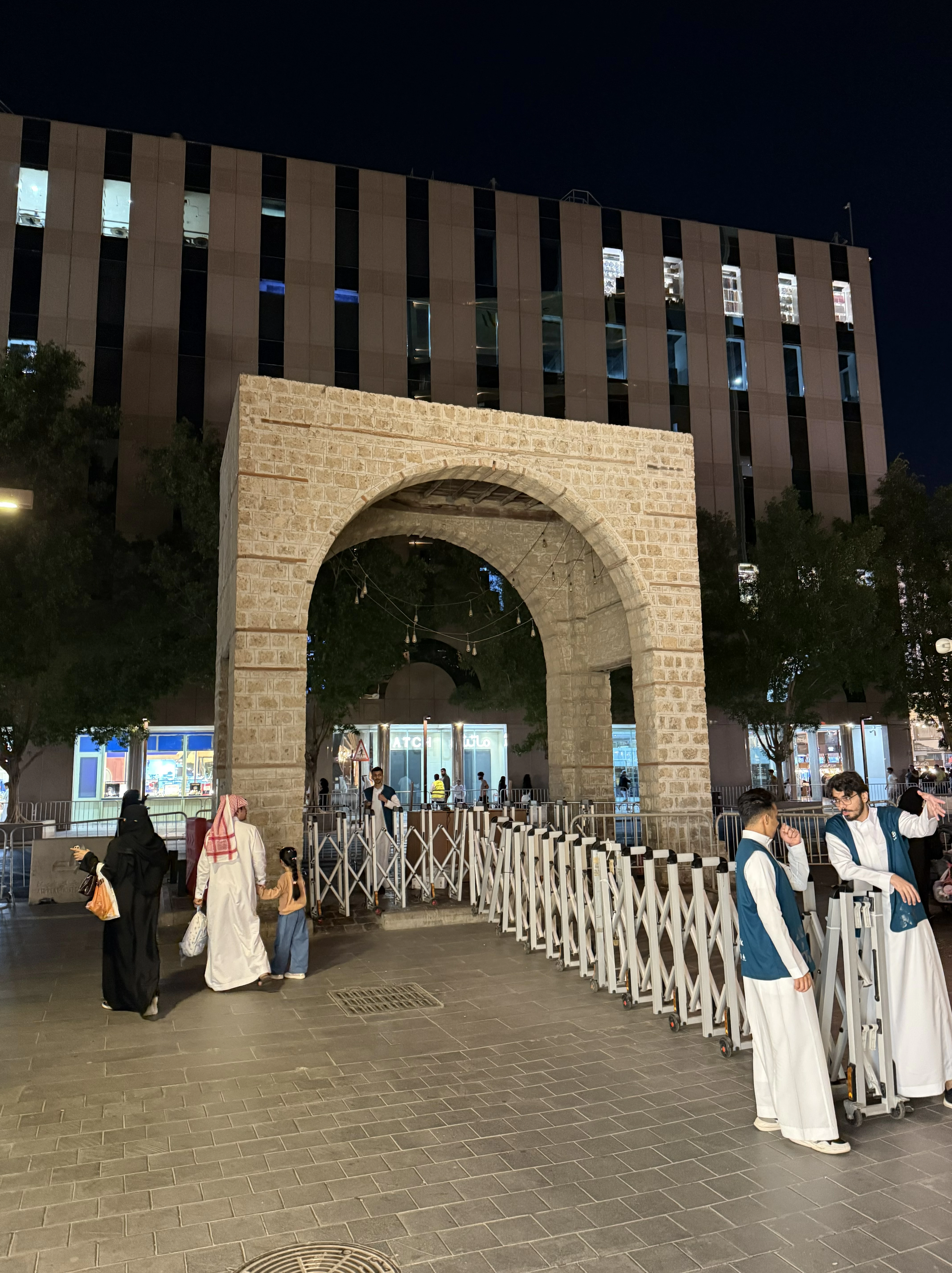
شكّلت جدة نقطة رئيسية لانطلاق الحجاج القادمين من أنحاء العالم إلى مكة في زمان مضى، فالبحر هو مكان التجمّع بعد الوصول، لتبدأ رحلة الحج إما سيرًا على الأقدام أو فوق ظهور الإبل.
ورسمت خطوات الحجيج طرقًا محددة، فكان مسارهم عبر طريق الملك عبدالعزيز، وطريق البنط، وشارع قابل، إلى سوق العلوي ثم باب مكة، وهذه الرحلة التي كان الإعداد لها يبدأ قبل الحج بشهور، لجمع المال واختيار الرفقة الطيبة، وشكّلت رحلة الحجاج نحو جدة أجزاء منها عبر الميناء التاريخي ميناء البُنط والذي يعود تاريخ تأسيسه إلى عام 1867، حينما كانت حدود البحر تصل إلى بداية شارع الملك عبدالعزيز، وامتد رصيف ميناء مراكب نقل الحجيج الذي أمر بإنشائه الملك عبدالعزيز أمام «مبنى البنط» الممتد من مبنى البريد حاليًا إلى مركز بقشان.
وتحوّل المسار إلى وجهة سياحية محاطة بالبيوت العتيقة والمساجد التاريخية، إذ كانت إحدى محطات وصول الحجاج قديمًا من ميناء باب البنط، ليعبروا شارع الملك عبدالعزيز وصولًا إلى شارع قابل، ومنه إلى سوق العلوي ومن ثم باب مكة.
ويعود ميناء البنط إلى أكثر من 1400 عام، بعد أن أمر الخليفة عثمان بن عفان، بإعادة جدة ميناءً لمكة المكرمة بدلًا من الشعيبة عام 26هـ، ما أكسب المسار قيمته التاريخية.
ويسعى «برنامج جدة التاريخية» لإعادة الميناء للواجهة عبر تطويره، وإحياء ميناء البنط التاريخي واستعادة المنطقة التاريخية إلى أقرب صورة ممكنة لما كانت عليه، ضمن الجهود الحثيثة لتعزيز مكانة جدة التاريخية كوجهة تراثية محلية وعالمية.
Jeddah was a key point for the pilgrims coming from all over the world to Mecca in times past. The sea was the gathering place upon arrival, marking the beginning of the pilgrimage journey either on foot or on the backs of camels.
The footsteps of the pilgrims carved specific paths, with their route through King Abdulaziz Road, Al-Bont Road, and Qabil Street, leading to Al-Alawi Market and then to the Gate of Mecca. This journey required months of preparation before the pilgrimage, to gather funds and choose good companions. The pilgrims' journey towards Jeddah included parts through the historic port of Al-Bont, which was established in 1867, when the sea's boundaries reached the beginning of King Abdulaziz Street. The dock for the transport of pilgrims, which was ordered to be built by King Abdulaziz, extended in front of the "Al-Bont Building," stretching from the current post office building to the Buqshan Center.
The route has transformed into a tourist destination surrounded by ancient houses and historic mosques, as one of the arrival stations for pilgrims in the past was from the Al-Bont port, crossing King Abdulaziz Street to Qabil Street, then to Al-Alawi Market and finally to the Gate of Mecca.
The Al-Bont port dates back over 1400 years, after Caliph Uthman ibn Affan ordered Jeddah to be a port for Mecca instead of Al-Shuaiba in the year 26 AH, which added to the historical value of the route.
The "Historic Jeddah Program" aims to bring the port back to the forefront through its development, reviving the historic Al-Bont port, and restoring the historical area to as close as possible to its original state, as part of the ongoing efforts to enhance the status of historic Jeddah as a local and global heritage destination.