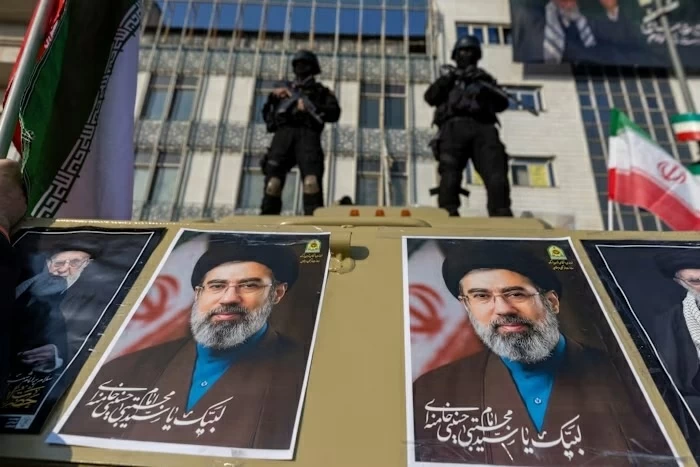
بينما تستعد إيران لطي صفحة واحدة من أكثر المراحل تأثيرًا في تاريخها، مع تشييع ودفن المرشد الأعلى الراحل علي خامنئي في مدينة مشهد، مسقط رأسه، نقلت صحيفة فايننشال تايمز، عن مسؤولين إيرانيين وسياسيين تابعين للنظام الإيراني ودبلوماسيين أجانب، أن المرشد الإيراني مجتبى خامنئي قد تعافى من الجروح التي أُصيب بها جراء الهجمات الأمريكية الإسرائيلية.
وأضافت المصادر بحسب الصحيفة، أن غياب مجتبى خامنئي عن الظهور المستمر منذ أربعة أشهر يعود لأسباب أمنية، وهو لا يزال ممسكا بزمام السلطة، مؤكدة في الوقت نفسه أنه من المتوقع أن تلعب مؤسسات مثل الحرس الثوري الإيراني دورا أكبر في النظام الإيراني في عهد مجتبى، كما أنه سيدمج في النظام أجيالا شابة مستعدة لخوض المخاطر.
وبدفن علي خامنئي، تنتهي حقبة امتدت لنحو 37 عامًا تولى خلالها قيادة البلاد ورسم توجهاتها الداخلية والإقليمية، فيما يأتي انتقال السلطة إلى نجله، مجتبى خامنئي، في وقت تواجه فيه إيران تحديات غير مسبوقة، تشمل تداعيات الحرب الأخيرة، وأزمة اقتصادية خانقة، وضغوطًا سياسية واجتماعية متزايدة، فضلًا عن تعقيدات العلاقات مع الولايات المتحدة والغرب.
قيادة جديدة.. ودور أكبر للمؤسسات
ورغم تولي مجتبى خامنئي منصب المرشد الأعلى منذ مارس الماضي، فإنه لم يظهر علنًا حتى الآن، الأمر الذي أثار تساؤلات داخل إيران وخارجها بشأن أسلوب إدارته للبلاد.
وبحسب فايننشال تايمز، يرى محللون أن المرشد الجديد، الذي يفتقر إلى الرصيد الثوري والخبرة السياسية الطويلة التي تمتع بها والده، سيعتمد بصورة أكبر على مؤسسات الدولة، وفي مقدمتها الحرس الثوري، إلى جانب الأجهزة الأمنية والمؤسسات الدينية، مع احتفاظه بصلاحيات اتخاذ القرار النهائي.
ويُتوقع أن يواصل الحرس الثوري، بقيادته الجديدة، تعزيز نفوذه في الملفات الأمنية والعسكرية والسياسية والاقتصادية، خصوصا بعد تعاظم دوره خلال الحرب الأخيرة.
إرث ثقيل وأزمات متراكمة
ورث مجتبى خامنئي دولة تعاني أزمات متشابكة تراكمت على مدار سنوات، نتيجة العقوبات الدولية، والعزلة السياسية، والتراجع الاقتصادي، إضافة إلى موجات الاحتجاجات الشعبية التي شهدتها البلاد، والتي تعرضت لقمع شديد، ما أدى إلى تراجع الثقة الشعبية في مؤسسات الحكم.
ويرى مراقبون أن القيادة الجديدة مطالبة بإيجاد توازن بين الحفاظ على تماسك النظام والاستجابة للمطالب الاقتصادية والاجتماعية المتزايدة.
مراسم التشييع.. رسالة سياسية
وحرصت السلطات الإيرانية على تحويل مراسم تشييع علي خامنئي إلى استعراض للقوة وإظهار استمرار تماسك النظام، حيث شهدت الجنازة مشاركة واسعة لمسؤولين كبار وقادة عسكريين وشخصيات سياسية، في محاولة لإبراز أن مؤسسات الدولة لا تزال متماسكة رغم تداعيات الحرب.
في المقابل، لفت غياب المرشد الجديد عن المشهد الأنظار، وسط تأكيدات رسمية بأن ذلك يعود إلى اعتبارات أمنية، بعد تعرضه لإصابات خلال الهجمات التي أودت بحياة والده وعدد من أفراد أسرته.
أولى قرارات المرشد الجديد
وتشير المؤشرات الأولى إلى أن مجتبى خامنئي يتبنى نهجًا حذرًا في إدارة الملفات الحساسة، إذ سمح للحكومة بالمضي في تفاهمات تهدف إلى استئناف المفاوضات مع الولايات المتحدة، مع التأكيد في الوقت نفسه على أن القرار جاء بناءً على موافقة المؤسسات المختصة، وليس انطلاقًا من قناعة شخصية.
ويرى مراقبون أن هذه الخطوة تعكس محاولة للحفاظ على التوازن بين التيار البراغماتي الذي يرى أن تخفيف العقوبات يمثل أولوية لإنقاذ الاقتصاد، وبين التيار المتشدد الرافض لأي تقارب مع واشنطن.
انقسام داخل النظام
ويواجه المرشد الجديد معادلة صعبة؛ إذ يدفع بعض المسؤولين نحو انفتاح محدود يسمح بتحسين الوضع الاقتصادي، بينما يتمسك المتشددون بخطاب المواجهة، معتبرين أن أي تنازل للولايات المتحدة يمثل تراجعًا عن مبادئ الثورة وإرث علي خامنئي.
وفي المقابل، تحذر أصوات إصلاحية من أن استمرار التشدد قد يزيد من اتساع الفجوة بين النظام وشرائح واسعة من المجتمع، خصوصًا الشباب والطبقة الوسطى، الذين يطالبون بمزيد من الحريات والانفتاح على العالم.
اختبار المرحلة القادمة
ويرى خبراء أن الاختبار الحقيقي لقيادة مجتبى خامنئي سيكون قدرته على التوصل إلى تفاهم مستدام مع الولايات المتحدة بشأن الملفات الخلافية، وعلى رأسها البرنامج النووي، بما يسمح بتخفيف العقوبات وإنعاش الاقتصاد.
لكن هذا المسار يواجه عقبات كبيرة في ظل استمرار التوترات العسكرية وتبادل الاتهامات بين طهران وواشنطن، الأمر الذي يجعل مستقبل العلاقات بين البلدين، وكذلك مستقبل الجمهورية الإسلامية، مفتوحًا على جميع الاحتمالات.
وبين إرث سياسي ثقيل وتحديات داخلية وخارجية متصاعدة، تدخل إيران مرحلة جديدة قد تعيد رسم ملامح النظام السياسي ودوره الإقليمي خلال السنوات القادمة.
As Iran prepares to close one of the most impactful chapters in its history, with the funeral and burial of the late Supreme Leader Ali Khamenei in Mashhad, his birthplace, the Financial Times reported, citing Iranian officials, regime-affiliated politicians, and foreign diplomats, that Iranian leader Mojtaba Khamenei has recovered from the injuries he sustained during the American-Israeli attacks.
According to the sources mentioned by the newspaper, Mojtaba Khamenei's absence from public view for the past four months is due to security reasons, and he still holds the reins of power. It is also confirmed that institutions such as the Iranian Revolutionary Guard are expected to play a larger role in the Iranian regime under Mojtaba, who will integrate younger generations ready to take risks into the system.
With the burial of Ali Khamenei, an era that lasted nearly 37 years, during which he led the country and shaped its domestic and regional orientations, comes to an end. The transfer of power to his son, Mojtaba Khamenei, occurs at a time when Iran faces unprecedented challenges, including the repercussions of the recent war, a suffocating economic crisis, and increasing political and social pressures, in addition to the complexities of relations with the United States and the West.
New Leadership.. and a Greater Role for Institutions
Although Mojtaba Khamenei has held the position of Supreme Leader since last March, he has not appeared publicly until now, raising questions both inside and outside Iran regarding his management style for the country.
According to the Financial Times, analysts believe that the new leader, who lacks the revolutionary credentials and long political experience that his father possessed, will rely more on state institutions, primarily the Revolutionary Guard, along with security agencies and religious institutions, while retaining the authority to make final decisions.
The Revolutionary Guard, under its new leadership, is expected to continue to strengthen its influence in security, military, political, and economic matters, especially after its role increased during the recent war.
A Heavy Legacy and Accumulated Crises
Mojtaba Khamenei inherits a state suffering from intertwined crises that have accumulated over the years due to international sanctions, political isolation, and economic decline, in addition to waves of popular protests that the country has witnessed, which faced severe repression, leading to a decline in public trust in government institutions.
Observers believe that the new leadership is required to find a balance between maintaining the cohesion of the regime and responding to increasing economic and social demands.
The Funeral Ceremony.. A Political Message
The Iranian authorities were keen to turn the funeral ceremony of Ali Khamenei into a display of power and to show the continued cohesion of the regime, as the funeral witnessed wide participation from senior officials, military leaders, and political figures, in an attempt to highlight that state institutions remain intact despite the repercussions of the war.
In contrast, the absence of the new leader from the scene drew attention, amid official assurances that this was due to security considerations, after he sustained injuries during the attacks that claimed the life of his father and several family members.
The New Leader's Initial Decisions
Initial indicators suggest that Mojtaba Khamenei is adopting a cautious approach in managing sensitive issues, as he has allowed the government to proceed with understandings aimed at resuming negotiations with the United States, while emphasizing that the decision was made with the approval of the relevant institutions, rather than from a personal conviction.
Observers see this step as an attempt to maintain a balance between the pragmatic faction that believes easing sanctions is a priority to save the economy, and the hardline faction that rejects any rapprochement with Washington.
Division Within the Regime
The new leader faces a difficult equation; some officials are pushing for limited openness to improve the economic situation, while hardliners cling to a confrontational rhetoric, considering that any concession to the United States represents a retreat from the principles of the revolution and Ali Khamenei's legacy.
On the other hand, reformist voices warn that continued hardline stances may widen the gap between the regime and large segments of society, especially the youth and the middle class, who demand more freedoms and openness to the world.
The Test of the Coming Phase
Experts believe that the true test for Mojtaba Khamenei's leadership will be his ability to reach a sustainable understanding with the United States regarding contentious issues, primarily the nuclear program, which would allow for easing sanctions and revitalizing the economy.
However, this path faces significant obstacles amid ongoing military tensions and mutual accusations between Tehran and Washington, which makes the future of relations between the two countries, as well as the future of the Islamic Republic, open to all possibilities.
Amid a heavy political legacy and escalating internal and external challenges, Iran enters a new phase that may redraw the contours of the political system and its regional role in the coming years.