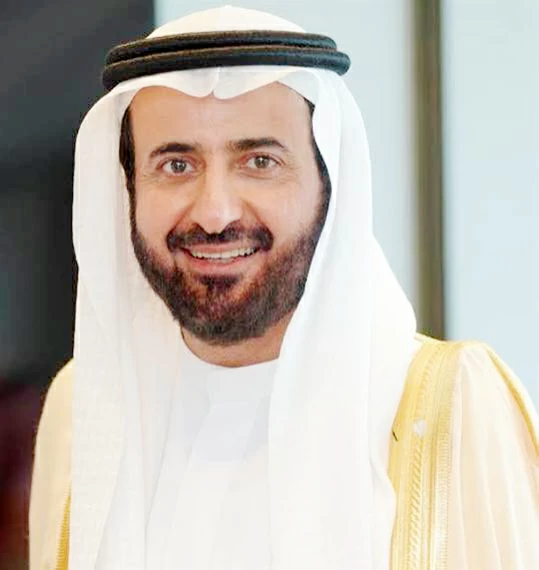
أكد وزير الحج الدكتور توفيق الربيعة، أن موضوعات ندوة الحج هذا العام تعكس عمق التحولات التي شهدتها المنظومة خلال أكثر من 50 عاماً، إذ رسخت السعودية نموذجاً رائداً عالمياً في إدارة الحشود والخدمات الإنسانية قائماً على التكامل بين التخطيط والتطوير المؤسسي والتقنيات الحديثة.
وقال، خلال مشاركته في أعمال ندوة الحج الكبرى: إن في موسم حج هذا العام تتجلى المنظومة المتقدمة في إدارة رحلة الحجاج عبر تشغيل آلاف الرحلات وتكامل أعمال عشرات الجهات لإدارة منظومة تشغيلية تعد الأعقد في العالم، ضمن نطاق مكاني محدود وفترة زمنية وجيزة.
وأبان، أن المنظومة انتقلت من إدارة تعتمد على الاستجابة للتحديات إلى منظومة تدار بالعلم والتقنيات الحديثة.
ولفت وزير الحج إلى أن ما نشهده اليوم من تكامل في الجهود وتطور في الأداء لم يكن ليتحقق لولا توفيق الله ثم دعم القيادة وحرصها الدائم على أن تكون خدمة ضيوف الرحمن في أعلى مستوياتها، بما يليق بعظمة المكان وشرف الرسالة.
وبين، أن ندوة الحج تأتي امتداداً لمسيرة علمية تجاوزت 50 عاماً من الحوار العلمي حول تطوير منظومة خدمات الحج، ليعكس ذلك مكانة هذه الشعيرة في وجدان هذه البلاد وقادتها، وحرصهم على أن يبقى العلم شريكاً في الارتقاء بجودة الخدمة وتعزيز رضا ضيوف الرحمن.
من النظام التقليدي إلى التنبؤ الاستباقي
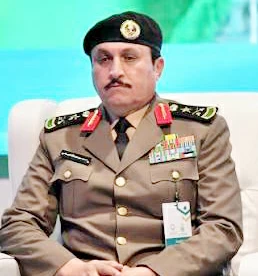
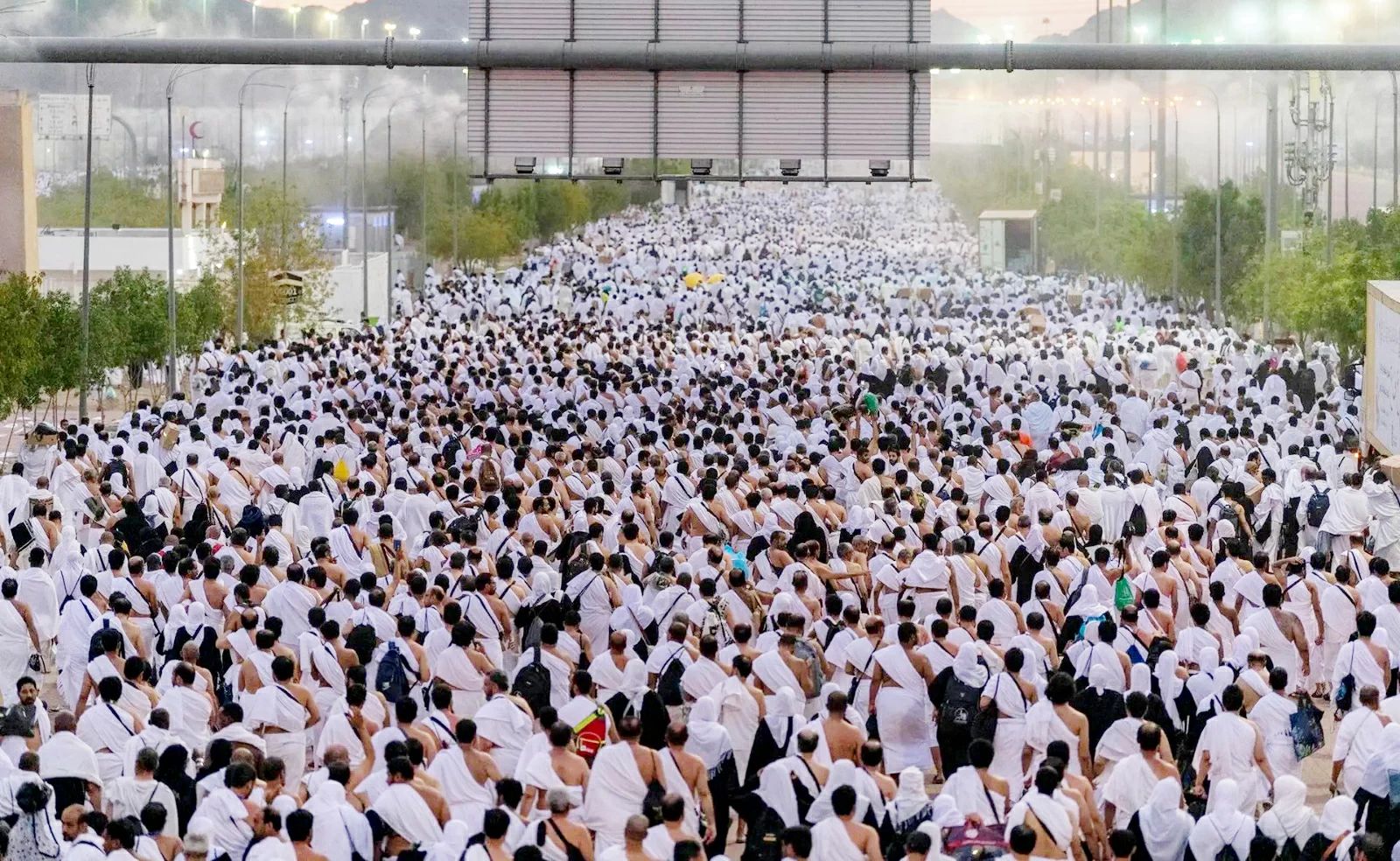
مدير الأمن العام الفريق محمد البسامي، شدد على أن ما نشهده اليوم من تطور في نمو الخدمات وتحسين تجربة الحجاج أمر واضح للجميع، إذ ذابت المشقة مع جودة التنظيم، فهناك أكثر من 600 دور تقوم بها نحو 60 جهة تتبادل هذه الأدوار في الحج، ما جعل إدارة الحشود تنتقل من النظام التقليدي إلى نظام متطور مبني على التنبؤ الاستباقي لتجنب الخطر.
وأضاف، في كلمته بندوة الحج، أن جودة التكامل بين الجهات المختلفة ذللت التحديات في الحج، وما نشاهده اليوم من بوادر تدعو بشكل كبير إلى التفاؤل حول خطط الحج، وهو ما يتجلى في الانسيابية الكبرى في مكة المكرمة قبل بدء الحج، وهذا هو الهدف المبتغى وهو الوصول إلى تحسين تجربة ضيوف الرحمن التقنية والميدانية.
وأوضح، أن هناك أكثر من 60 جهة تتناغم بشكل كبير في الحج، وتم الانتقال من مرحلة التكامل إلى الاندماج وبدأنا في مرحلة التخطيط الآمن للحج، وحتى يتم الوصول إلى هذه المرحلة لا بد أن تكون هناك معايير للتخطيط، أحدها هو تطبيق مبدأ الوقاية في كل مراحل الحج، إذ تعمل كل المنظومة على مبدأ تجنب وقوع الخطر.
وأشار البسامي إلى أن إدارة الحشود وتحقيق الأمن والتخطيط للحج ليست معقدة، ولكنها في الوقت نفسه ليست سهلة بالشكل الذي قد يراه عامة الناس.
The Minister of Hajj, Dr. Tawfiq Al-Rabiah, confirmed that the topics of this year's Hajj Symposium reflect the depth of the transformations that the system has undergone over more than 50 years, as Saudi Arabia has established a pioneering global model in crowd management and humanitarian services based on the integration of planning, institutional development, and modern technologies.
He stated, during his participation in the Grand Hajj Symposium, that this year's Hajj season showcases the advanced system in managing the pilgrims' journey through the operation of thousands of flights and the integration of the work of dozens of entities to manage an operational system that is considered the most complex in the world, within a limited spatial scope and a short time frame.
He clarified that the system has transitioned from a management approach that relied on responding to challenges to a system managed by science and modern technologies.
The Minister of Hajj pointed out that what we witness today in terms of the integration of efforts and improvement in performance would not have been achieved without God's success, followed by the support of the leadership and its constant commitment to ensure that the service of the guests of Allah is at the highest levels, befitting the greatness of the place and the honor of the message.
He explained that the Hajj Symposium comes as an extension of a scientific journey that has exceeded 50 years of scientific dialogue on the development of Hajj service systems, reflecting the significance of this ritual in the hearts of this country and its leaders, and their commitment to ensuring that knowledge remains a partner in enhancing service quality and increasing the satisfaction of the guests of Allah.
From Traditional System to Proactive Forecasting
The Director of Public Security, Lieutenant General Mohammed Al-Basami, emphasized that the development we witness today in the growth of services and the improvement of the pilgrims' experience is clear to everyone, as the hardships have diminished with the quality of organization. There are more than 600 roles performed by about 60 entities that exchange these roles during Hajj, which has transformed crowd management from a traditional system to an advanced system based on proactive forecasting to avoid danger.
He added, in his speech at the Hajj Symposium, that the quality of integration among the different entities has alleviated the challenges of Hajj, and what we see today are signs that greatly encourage optimism regarding Hajj plans, which is evident in the significant smoothness in Mecca before the start of Hajj. This is the desired goal, which is to improve the technical and field experience of the guests of Allah.
He clarified that there are more than 60 entities that harmonize significantly during Hajj, and the transition has been made from the stage of integration to that of merging, and we have begun the phase of safe planning for Hajj. To reach this stage, there must be planning standards, one of which is the application of the principle of prevention at all stages of Hajj, as the entire system operates on the principle of avoiding danger.
Al-Basami pointed out that managing crowds, ensuring security, and planning for Hajj are not complicated, but at the same time, they are not as easy as the general public might perceive.