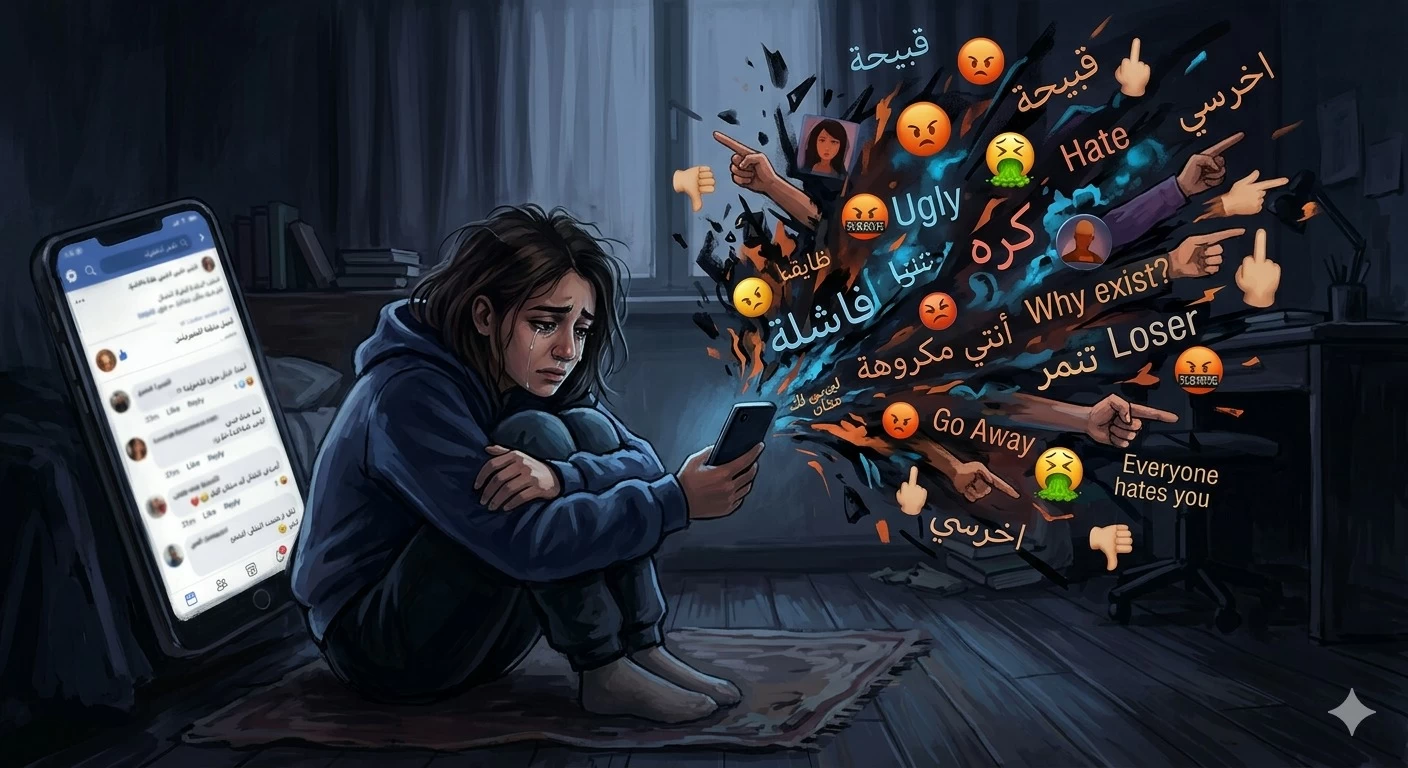
دفع اتساع استخدام المنصات الرقمية وتزايد قضايا التشهير والإساءة والتنمر إلى الحاجة الملحّة لحماية السمعة والكرامة والمكانة الاجتماعية بوصفها أهم الحقوق، التي تستوجب الحماية القانونية، لا سيما أن الأذى الذي يصيب الإنسان في مشاعره أو صورته أمام المجتمع قد يفوق في أثره الخسائر المادية المباشرة، ما جعل التعويض المعنوي حاضراً بقوة في القضايا المرتبطة بالكرامة والاعتبار.
محمود الخطيب.
ويرى الخبير والمستشار القانوني محمود عبدالكريم الخطيب، عبر «عكاظ»، أن التعويض المعنوي يمثل مظلة حماية قانونية لكل من يتعرض لأذى نفسي أو اجتماعي أو اعتباري نتيجة فعل غير مشروع، مؤكداً أن كلمة أو منشوراً أو مقطعاً عابراً قد يتحوّل إلى مسؤولية قانونية كاملة متى ترتّب عليه ضرر ثابت.
وبيّن الخطيب، أن الضرر في القضايا القانونية لا يقتصر على الخسائر المالية، بل يشمل ما يمس كرامة الإنسان وسمعته ومكانته الاجتماعية، وهو ما يعرف قانونياً بـ«الضرر المعنوي». ومن هذا المنطلق، يأتي التعويض المعنوي جبراً تقرره المحكمة لمن لحقه أذى نفسي أو اجتماعي أو اعتباري، حتى في غياب الضرر المالي المباشر.
وأشار إلى أن نظام المعاملات المدنية السعودي نصّ صراحة على شمول التعويض للضرر المعنوي، بما في ذلك الأذى النفسي أو الحسي الناتج عن المساس بالجسم أو الحرية أو العرض أو السمعة أو المركز الاجتماعي. ومع توسع الفضاء الرقمي، أصبحت صور الضرر المعنوي أكثر حضوراً، مثل التشهير عبر منصات التواصل، والإساءة اللفظية، ونشر الاتهامات دون دليل، والتنمر الإلكتروني، وانتهاك الخصوصية، ونشر الصور أو المحادثات بقصد الإحراج أو الإضرار.
التوازن بين النقد والتشهير
الخطيب شدّد على أن القضاء يوازن بدقة بين النقد المباح وبين الأفعال التي تتجاوز حدود الرأي إلى التشهير والإساءة، موضحاً أن المطالبة بالتعويض تقوم على 3 عناصر: خطأ ثابت، ضرر حقيقي، وعلاقة مباشرة بين الفعل والضرر.
وإثبات الضرر المعنوي يعتمد غالباً على القرائن والأدلة الإلكترونية، مثل الرسائل والتسجيلات وصور المنشورات وحجم انتشار المحتوى المسيء، إضافة إلى ما يثبت تأثر المتضرر نفسياً أو اجتماعياً أو مهنياً. وكلما كان التوثيق مبكراً ومنظماً، كان الموقف القانوني أقوى أمام المحكمة.
وأضاف، أن تقدير قيمة التعويض يخضع لسلطة المحكمة التقديرية، وفق نوع الضرر وطبيعته ومدى تأثيره، ومكانة المتضرر، وانتشار الإساءة، وقصد المسيء، والنتائج المترتبة على الفعل، ما يجعل مبالغ التعويض تختلف من قضية لأخرى.
وأشار الخطيب، إلى أن قضايا التشهير قد تجمع بين مسارين: مسار جزائي لمحاسبة المسيء، ومسار مدني لجبر الضرر الخاص بالمتضرر، فالعقوبة حق للمجتمع، بينما التعويض حق للمتضرر.
وشدّد الخطيب على أهمية الوعي القانوني في التعامل مع هذه الوقائع، محذراً من حذف الأدلة أو الرد بإساءة مماثلة أو نشر تفاصيل القضية بشكل غير منضبط؛ لما لذلك من أثر سلبي على الموقف القانوني. وختم بتأكيد ضرورة التوثيق الفوري واللجوء للطرق النظامية، فالكلمة أو المنشور قد يبدأ بتصرف عابر، لكنه قد ينتهي بمسؤولية قانونية كاملة.
ماجد الأحمري.
الاعتذارالمتأخر لا يكفي
المحامي ماجد ظافر الأحمري، قال لـ «عكاظ»: إن التعويض المعنوي أصبح من القضايا البارزة في الواقع العدلي السعودي، خصوصاً مع توسع الفضاء الرقمي وتزايد حالات الإساءة والتنمر الإلكتروني. وأوضح الأحمري، أن الكلمة المسيئة قد تكون أشد أثراً من الأضرار المادية، إذ قد تهدم تغريدة أو مقطع فيديو سمعة شخص أو كيان بُنيت على مدى سنوات، وتترك أثراً نفسياً واجتماعياً طويل الأمد.
وبيّن الأحمري، أن القضاء السعودي يرسخ مبدأ حماية الكرامة الإنسانية والسمعة، وأن الضرر النفسي والاجتماعي الناتج عن الإساءة يُعد ضرراً حقيقياً موجباً للتعويض، مؤكداً أن الاعتذار المتأخر لا يكفي لجبر الضرر بعد وقوعه وانتشار أثره.
وأضاف، أن المحاكم تراعي عند تقدير التعويض حجم انتشار الإساءة وطبيعة المحتوى ومكانة المتضرر والآثار النفسية والاجتماعية والمهنية المترتبة. مشدداً على أن الفضاء الرقمي ليس ساحة لتصفية الحسابات، وأن الشاشات لا تحمي المسيء من المسؤولية النظامية.
ودعا الأحمري المتضررين إلى عدم التنازل عن حقوقهم، مؤكداً أن النظام كفل لهم حق استرداد الاعتبار والمطالبة بالتعويض، وأن قيمة التعويض المعنوي تتجاوز الجانب المالي لتؤكد أن كرامة الإنسان وسمعته خط أحمر.
The expansion of digital platforms and the increase in issues of defamation, abuse, and bullying have led to an urgent need to protect reputation, dignity, and social status as the most important rights that require legal protection, especially since the harm inflicted on a person’s feelings or image in front of society may outweigh the impact of direct financial losses. This has made moral compensation a significant presence in cases related to dignity and reputation.
The legal expert and consultant Mahmoud Abdulkarim Al-Khatib stated through "Okaz" that moral compensation represents a legal protection umbrella for anyone who suffers psychological, social, or reputational harm as a result of an unlawful act, emphasizing that a word, post, or fleeting clip can turn into full legal liability whenever it results in proven harm.
Al-Khatib explained that harm in legal cases is not limited to financial losses but also includes what affects a person's dignity, reputation, and social status, which is legally known as "moral harm." From this perspective, moral compensation comes as a remedy determined by the court for those who have suffered psychological, social, or reputational harm, even in the absence of direct financial damage.
He pointed out that the Saudi Civil Transactions System explicitly states that compensation includes moral harm, including psychological or physical harm resulting from violations of the body, freedom, honor, reputation, or social status. With the expansion of the digital space, the forms of moral harm have become more prevalent, such as defamation through social media platforms, verbal abuse, publishing accusations without evidence, cyberbullying, invasion of privacy, and sharing images or conversations with the intent to embarrass or harm.
Balancing Criticism and Defamation
Al-Khatib stressed that the judiciary carefully balances between permissible criticism and actions that exceed the limits of opinion into defamation and abuse, clarifying that the claim for compensation is based on three elements: proven fault, real harm, and a direct relationship between the act and the harm.
Proving moral harm often relies on circumstantial evidence and electronic proof, such as messages, recordings, images of posts, and the extent of the spread of the offensive content, in addition to what proves the psychological, social, or professional impact on the victim. The earlier and more organized the documentation, the stronger the legal position before the court.
He added that the assessment of the value of compensation is subject to the court's discretionary authority, depending on the type and nature of the harm, the extent of its impact, the status of the victim, the spread of the offense, the intent of the offender, and the consequences of the act, which makes compensation amounts vary from one case to another.
Al-Khatib indicated that defamation cases may combine two paths: a criminal path to hold the offender accountable and a civil path to compensate the victim, as punishment is a right of society, while compensation is a right of the victim.
He emphasized the importance of legal awareness in dealing with these incidents, warning against deleting evidence or responding with similar abuse or publishing case details in an unregulated manner, as this can have a negative impact on the legal position. He concluded by stressing the necessity of immediate documentation and resorting to legal means, as a word or post may begin as a fleeting act but can end in full legal liability.
Delayed Apology is Not Enough
Lawyer Majid Dhafir Al-Ahmari said to "Okaz": Moral compensation has become one of the prominent issues in the Saudi judicial reality, especially with the expansion of the digital space and the increase in cases of abuse and cyberbullying. Al-Ahmari explained that an offensive word may have a more severe impact than material damages, as a tweet or a video clip can destroy a person's or entity's reputation built over years, leaving a long-lasting psychological and social impact.
Al-Ahmari indicated that the Saudi judiciary establishes the principle of protecting human dignity and reputation, and that the psychological and social harm resulting from abuse is considered real harm that warrants compensation, emphasizing that a delayed apology is not enough to remedy the harm after it has occurred and its effects have spread.
He added that courts consider the extent of the spread of the offense, the nature of the content, the status of the victim, and the psychological, social, and professional effects when assessing compensation. He stressed that the digital space is not a venue for settling scores, and that screens do not protect the offender from legal responsibility.
Al-Ahmari urged victims not to waive their rights, affirming that the system guarantees them the right to restore their reputation and seek compensation, and that the value of moral compensation goes beyond the financial aspect to affirm that a person's dignity and reputation are a red line.