شارك وزراء الإعلام، والصحة، والنقل والخدمات اللوجستية، والحج والعمرة، إضافة إلى البلديات والإسكان، اليوم، في المؤتمر الصحفي الحكومي بالرياض، لاستعراض أبرز الجاهزيات والخطط التشغيلية الخاصة بموسم حج 1447هـ، مؤكدين تكامل الجهود الحكومية لتقديم موسم حج آمن وميسر لضيوف الرحمن.
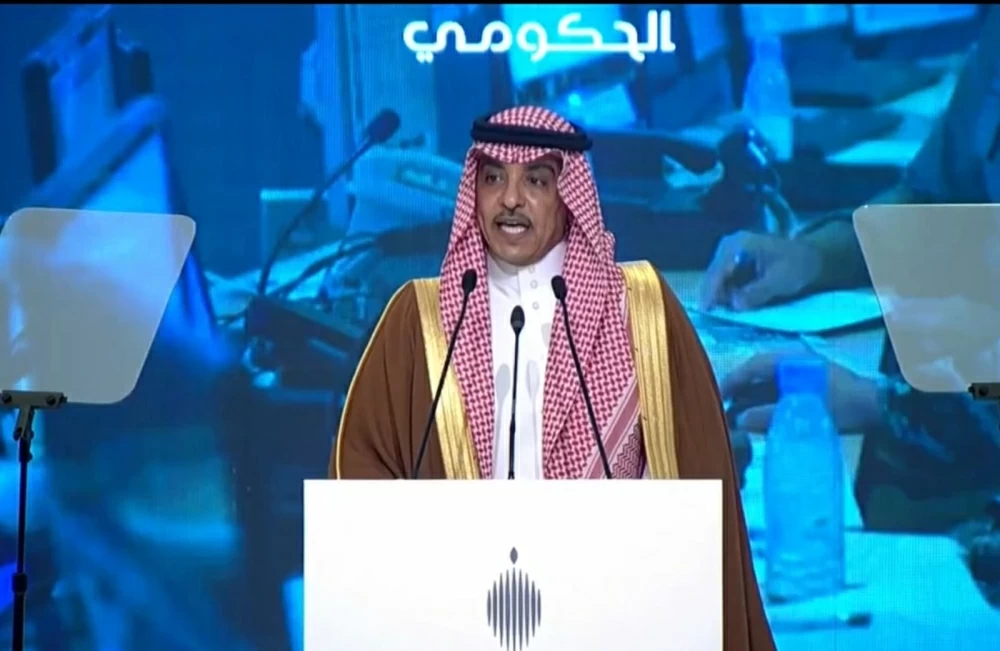
الدوسري: رفع الطاقة الاستيعابية لمرافق الضيافة لمليوني سرير
وأكد وزير الإعلام سلمان الدوسري اكتمال استعدادات وزارة الشؤون الإسلامية لاستضافة أكثر من 2500 حاج من ذوي الشهداء والعلماء من أكثر من 100 دولة، مشيرًا إلى أن مبادرة «طريق مكة» تُنفذ للعام الثامن عبر 17 منفذًا في 10 دول، واستفاد منها منذ إطلاقها أكثر من 1.2 مليون حاج.
وأوضح أن خطط تأمين الحج تُدار بأحدث التقنيات، مع اكتمال تغطية المشاعر المقدسة بشبكات الجيل الخامس بنسبة 100%، فيما تواصل المملكة تصدرها لمؤشر الجاهزية الرقمية عالميًا.
وأشار إلى أن النسخة الثالثة من ملتقى إعلام الحج ستقام هذا العام في مكة المكرمة، بمشاركة أكثر من 150 وسيلة إعلامية و3 آلاف إعلامي، إلى جانب 2400 كادر تقني يعملون على مدار الساعة في المشاعر المقدسة.
ولفت الدوسري إلى أن وزارة السياحة رفعت الطاقة الاستيعابية لمرافق الضيافة إلى أكثر من مليوني سرير في مكة المكرمة، وأكثر من 332 ألف سرير في المدينة المنورة، مع تنفيذ أكثر من 19 ألف جولة رقابية على مرافق الضيافة والنزل المؤقتة، واعتماد تراخيص النزل المؤقتة ضمن استعدادات الموسم.
توفيق الربيعة
الربيعة: وصول 860 ألف حاج وتنفيذ 25 مشروعاً
من جانبه، أكد وزير الحج والعمرة الدكتور توفيق الربيعة أن القيادة تولي خدمة ضيوف الرحمن أولوية قصوى، وتسخر جميع الإمكانات لتيسير رحلتهم، موضحًا أن أعداد الحجاج القادمين حتى الآن تجاوزت 860 ألف حاج، بينهم 35 ألفًا عبر المنافذ البرية و4 آلاف عبر البحر.
وقال «إن أكثر من 30 شركة سعودية تقدم خدماتها لحجاج الخارج عبر الحجز المباشر دون وسيط من أكثر من 126 دولة غير إسلامية، فيما نفذت الهيئة الملكية لمدينة مكة والمشاعر المقدسة أكثر من 25 مشروعًا تطويريًا بزيادة 100% عن العام الماضي». وأضاف: «مبادرة «المشاعر الخضراء» شهدت زراعة أكثر من 60 ألف شجرة، وتشغيل منظومة تلطيف تضم أكثر من 6 آلاف عمود رذاذ، إلى جانب رفع الطاقة الاستيعابية في مشعر منى عبر إنشاء مخيمات «كدانة الخيف» على مساحة 24 ألف متر مربع قرب منشأة الجمرات».
«نسك» يخدم 51 مليون مستخدم حول العالم
وأشار الربيعة إلى أن تطبيق «نسك» يخدم أكثر من 51 مليون مستخدم حول العالم، فيما أسهمت مبادرة «حاج بلا حقيبة» في تقليص إجراءات المطار إلى 15 دقيقة. كما كشف أن نسبة رضا الحجاج بلغت 91% العام الماضي وفق قياسات مركز «أداء».
وأوضح أن أعمال تطوير مسارات المشاة تجاوزت 103 آلاف م2، مع إنشاء مناطق إستراحة إضافية بمساحة 66 ألف م2، بزيادة 220% مقارنة بالعام الماضي، مؤكدًا أن الطاقة الاستيعابية للروضة الشريفة تصل إلى 57 ألف زائر يوميًا، مع تشغيل منظومة إرشادية تعتمد على الخرائط ثلاثية الأبعاد والشاشات متعددة اللغات، إضافة إلى ترجمة خطبة عرفة إلى 50 لغة.
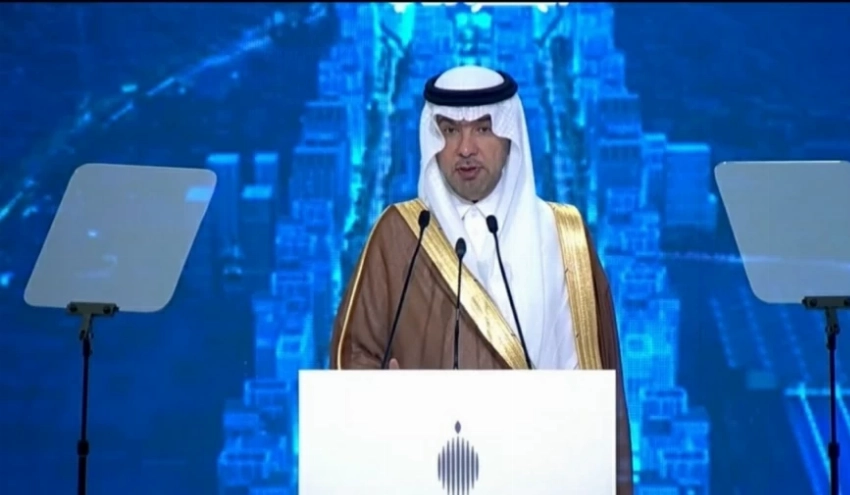
ماجد الحقيل
الحقيل: 88 ألف وحدة نظافة تعزز خدمات البيئة
بدوره، أكد وزير البلديات والإسكان ماجد الحقيل أن مختلف الأمانات بالمملكة تعمل بتكامل تشغيلي لخدمة ضيوف الرحمن منذ وصولهم وحتى مغادرتهم، مشيرًا إلى تعزيز الخدمات البيئية عبر أكثر من 88 ألف وحدة نظافة و3 آلاف آلية.
وأوضح أن الفرق الميدانية ستعمل عبر 66 مركز خدمات، تشمل 28 مركزًا في المشاعر المقدسة و5 مختبرات متخصصة لمراقبة المياه والغذاء والمرافق، فيما بلغ متوسط زمن الاستجابة للبلاغات دقيقة و13 ثانية فقط.
وأشار إلى أن موسم الحج الماضي لم يشهد تسجيل أي حالة تسمم غذائي، مؤكدًا تنفيذ شبكة بنية تحتية متقدمة في المشاعر المقدسة بمساحة تصل إلى 4.6 ملايين م2، تشمل الطرق والإنارة والجسور والأنفاق ومجاري السيول، إلى جانب تشغيل أكثر من 22 ألف كادر ميداني ضمن منظومة تشغيلية ورقمية متكاملة.
حد ارتفاع أسعار «السكني والتجاري»
وأوضح الوزير الحقيل تفاصيل اللائحة التنفيذية لرسوم العقارات الشاغرة، مبينًا أن اللائحة تستهدف الحد من مخاطر ارتفاع الأسعار في القطاعين السكني والتجاري داخل المدن.
وأكد أن اللائحة تعتمد على مجموعة من المعايير لتحديد العقارات الخاضعة للرسوم، من بينها مدة بقاء الوحدة العقارية شاغرة، والنطاق الجغرافي، ونوع الاستخدام.
وأشار إلى أن تفعيل هذه السياسة سيتم عند الحاجة فقط، استنادًا إلى مؤشرات تصدرها الهيئة العامة للعقار، بما يضمن مرونة التطبيق وفقًا لمتغيرات السوق.
وأضاف أنه سيتم رصد المدن وتقييمها بشكل دوري وفق مؤشرات متعددة تشمل مستويات الدخل، والإيجارات، ومعدلات التضخم، وذلك لتحديد التوقيت المناسب لتطبيق السياسة.
ولفت إلى وجود فترة تطبيق تمتد لعام كامل، يتم خلالها قياس التحديات في مختلف المدن قبل الانتقال إلى التفعيل الكامل للأدوات التنظيمية.
صالح الجاسر
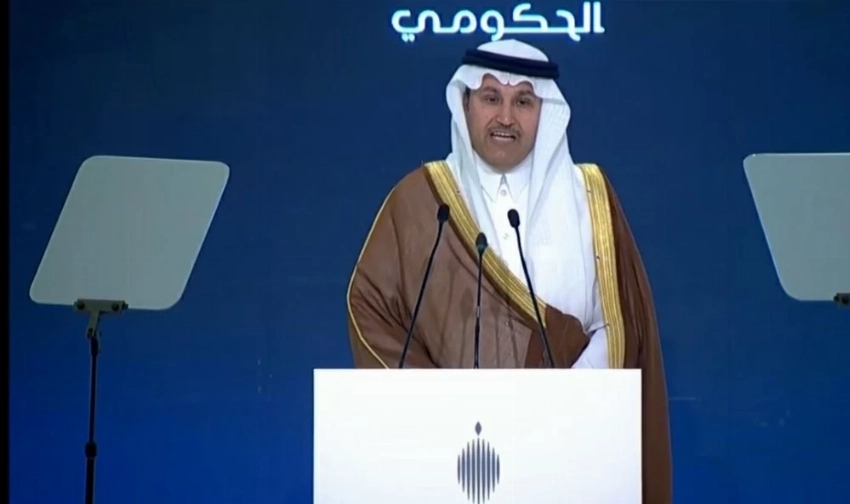
الجاسر: توفير 3 ملايين مقعد عبر 6 مطارات سعودية
وفي قطاع النقل، أعلن وزير النقل والخدمات اللوجستية صالح الجاسر توفير أكثر من 3 ملايين مقعد عبر 6 مطارات سعودية مرتبطة بـ300 مطار حول العالم، مع تسخير أحدث التقنيات التشغيلية لاستقبال أكثر من 1.5 مليون حاج.
وأوضح أن منظومة النقل أعدت 110 خطط تشغيل وطوارئ، يشارك في تنفيذها أكثر من 46 ألف كادر، إلى جانب تنفيذ أعمال صيانة لأكثر من 6 آلاف كيلومتر من الطرق، والتوسع في استخدام تقنية تبريد الطرق بالمشاعر المقدسة.
وأضاف أن مبادرة «مسافر بلا حقيبة» ستشمل هذا العام جميع الحجاج الدوليين لأول مرة، بما في ذلك نقل عبوات زمزم، فيما يشهد الموسم تشغيل أكثر من 3 آلاف حافلة لنقل الحجاج من مساكنهم إلى المسجد الحرام، إضافة إلى نحو 5 آلاف حافلة للنقل الترددي داخل المشاعر المقدسة.
فهد الجلاجل
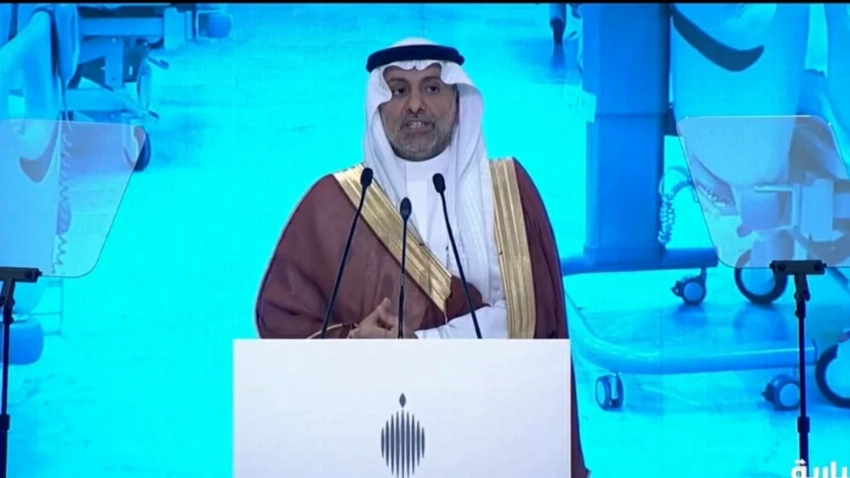
الجلاجل: زيادة مراكز الرعاية العاجلة 3 أضعاف
من جهته أكد وزير الصحة فهد الجلاجل أن المملكة تواصل تطوير منظومة الحج عامًا بعد عام، حتى أصبح موسم الحج نموذجًا عالميًا متقدمًا يعكس مستوى العناية الكبيرة التي توليها الدولة لضيوف الرحمن وخدمة الإنسان.
وأوضح أن القطاع الصحي في المشاعر المقدسة يشهد توسعًا كبيرًا، حيث جرى رفع عدد مراكز الرعاية العاجلة إلى 25 مركزًا بزيادة تتجاوز ثلاثة أضعاف، بما يعزز سرعة الاستجابة للحالات الصحية المختلفة خلال الموسم.
وبيّن أن الطاقة السريرية تجاوزت 20 ألف سرير في مكة المكرمة والمدينة المنورة، منها 3800 سرير مخصص داخل المشاعر المقدسة، بهدف رفع جاهزية الاستيعاب الطبي للحالات الطارئة والحرجة.
7700 مسعف يعملون ميدانياً في الحج
وأشار إلى أن منظومة الحج الصحية تضم أكثر من 7700 مسعف يعملون ميدانيًا في مواقع الحج، إضافة إلى أكثر من 52 ألف ممارس صحي يشاركون في تقديم الخدمات الطبية لضيوف الرحمن.
ولفت إلى أن المملكة تُعد رائدة عالميًا في مجال طب الحشود، حيث تم اعتماد مركز طب الحشود كمركز متعاون مع منظمة الصحة العالمية، بما يعزز تبادل الخبرات وتطوير الممارسات الصحية في إدارة التجمعات الكبرى.
وأضاف أن التقنيات الحديثة باتت جزءًا أساسيًا من الخدمات الصحية خلال الحج، بما في ذلك استخدام الروبوت في بعض العمليات المعقدة، إلى جانب تعزيز الجاهزية الإسعافية عبر أسطول يضم أكثر من 3000 مركبة إسعاف، و11 طائرة إسعاف جوي لدعم الحالات الحرجة.
ونوه إلى أن المنظومة الصحية تواصل استعداداتها بشكل متكامل لضمان سلامة الحجاج وتقديم رعاية طبية متقدمة على مدار الساعة.
Ministers of Media, Health, Transport and Logistics, Hajj and Umrah, in addition to Municipalities and Housing, participated today in the government press conference in Riyadh, to review the key readiness and operational plans for the Hajj season of 1447 AH, confirming the integration of government efforts to provide a safe and smooth Hajj season for the guests of Allah.
Al-Dosari: Increasing the accommodation capacity to two million beds
Minister of Media Salman Al-Dosari confirmed the completion of the Ministry of Islamic Affairs' preparations to host more than 2,500 pilgrims from the families of martyrs and scholars from over 100 countries, noting that the "Makkah Route" initiative is being implemented for the eighth year through 17 entry points in 10 countries, benefiting more than 1.2 million pilgrims since its launch.
He explained that the Hajj security plans are managed with the latest technologies, with 100% coverage of the holy sites by 5G networks, while the Kingdom continues to lead the global digital readiness index.
He pointed out that the third edition of the Hajj Media Forum will be held this year in Makkah, with the participation of more than 150 media outlets and 3,000 journalists, in addition to 2,400 technical staff working around the clock in the holy sites.
Al-Dosari noted that the Ministry of Tourism has increased the accommodation capacity of hospitality facilities to more than two million beds in Makkah, and more than 332,000 beds in Madinah, with over 19,000 supervisory tours conducted on hospitality facilities and temporary lodgings, and the approval of temporary lodging licenses as part of the season's preparations.
توفيق الربيعة
Al-Rabiah: Arrival of 860,000 pilgrims and implementation of 25 projects
For his part, Minister of Hajj and Umrah Dr. Tawfiq Al-Rabiah confirmed that the leadership places the utmost priority on serving the guests of Allah, utilizing all resources to facilitate their journey, explaining that the number of arriving pilgrims has so far exceeded 860,000, including 35,000 through land entry points and 4,000 by sea.
He said, "More than 30 Saudi companies are providing their services to foreign pilgrims through direct booking without intermediaries from over 126 non-Islamic countries, while the Royal Commission for Makkah City and the Holy Sites has implemented more than 25 development projects, a 100% increase from last year." He added: "The 'Green Sites' initiative has seen the planting of more than 60,000 trees and the operation of a cooling system that includes more than 6,000 mist columns, in addition to increasing the accommodation capacity in Mina through the establishment of 'Kadaan Al-Khaif' camps over an area of 24,000 square meters near the Jamrat facility."
"Nusk" serves 51 million users worldwide
Al-Rabiah pointed out that the "Nusk" application serves more than 51 million users worldwide, while the "Pilgrim Without Luggage" initiative has reduced airport procedures to 15 minutes. He also revealed that the satisfaction rate of pilgrims reached 91% last year according to measurements from the "Performance" Center.
He explained that the development of pedestrian pathways has exceeded 103,000 square meters, with the establishment of additional rest areas covering 66,000 square meters, an increase of 220% compared to last year, confirming that the capacity of the Noble Rawdah reaches 57,000 visitors daily, with the operation of a guidance system based on 3D maps and multilingual screens, in addition to translating the Arafah sermon into 50 languages.
ماجد الحقيل
Al-Haqeel: 88,000 cleaning units enhance environmental services
For his part, Minister of Municipalities and Housing Majid Al-Haqeel confirmed that various municipalities in the Kingdom are working in operational integration to serve the guests of Allah from their arrival until their departure, noting the enhancement of environmental services through more than 88,000 cleaning units and 3,000 vehicles.
He explained that field teams will operate through 66 service centers, including 28 centers in the holy sites and 5 specialized laboratories to monitor water, food, and facilities, while the average response time to reports is just one minute and 13 seconds.
He pointed out that last year's Hajj season did not record any cases of food poisoning, confirming the implementation of an advanced infrastructure network in the holy sites covering an area of up to 4.6 million square meters, including roads, lighting, bridges, tunnels, and drainage channels, in addition to operating more than 22,000 field personnel within an integrated operational and digital system.
Ceiling on "residential and commercial" prices
Minister Al-Haqeel explained the details of the executive regulation for vacant property fees, indicating that the regulation aims to mitigate the risks of price increases in the residential and commercial sectors within cities.
He confirmed that the regulation relies on a set of criteria to determine the properties subject to fees, including the duration of vacancy of the property unit, the geographical scope, and the type of use.
He noted that the activation of this policy will occur only when necessary, based on indicators issued by the General Authority for Real Estate, ensuring flexibility in implementation according to market changes.
He added that cities will be monitored and evaluated periodically based on multiple indicators, including income levels, rents, and inflation rates, to determine the appropriate timing for implementing the policy.
He pointed out that there will be a one-year application period during which challenges in various cities will be measured before moving to the full activation of regulatory tools.
صالح الجاسر
Al-Jasser: Providing 3 million seats through 6 Saudi airports
In the transport sector, Minister of Transport and Logistics Saleh Al-Jasser announced the provision of more than 3 million seats through 6 Saudi airports connected to 300 airports around the world, utilizing the latest operational technologies to receive more than 1.5 million pilgrims.
He explained that the transport system has prepared 110 operational and emergency plans, involving more than 46,000 personnel, in addition to conducting maintenance work on more than 6,000 kilometers of roads, and expanding the use of road cooling technology in the holy sites.
He added that the "Traveler Without Luggage" initiative will include all international pilgrims for the first time this year, including the transport of Zamzam bottles, while the season will see the operation of more than 3,000 buses to transport pilgrims from their accommodations to the Grand Mosque, in addition to about 5,000 buses for shuttle transport within the holy sites.
فهد الجلاجل
Al-Jalajel: Tripling of urgent care centers
For his part, Minister of Health Fahd Al-Jalajel confirmed that the Kingdom continues to develop the Hajj system year after year, making the Hajj season a leading global model that reflects the high level of care that the state provides to the guests of Allah and serves humanity.
He explained that the health sector in the holy sites is witnessing significant expansion, with the number of urgent care centers increased to 25, more than tripling, which enhances the speed of response to various health cases during the season.
He indicated that the clinical capacity has exceeded 20,000 beds in Makkah and Madinah, including 3,800 beds designated within the holy sites, aiming to raise the readiness for medical accommodation for emergency and critical cases.
7,700 paramedics working in the field during Hajj
He pointed out that the health system for Hajj includes more than 7,700 paramedics working in the field at Hajj sites, in addition to more than 52,000 health practitioners participating in providing medical services to the guests of Allah.
He noted that the Kingdom is a global leader in crowd medicine, as the Crowd Medicine Center has been accredited as a collaborating center with the World Health Organization, enhancing the exchange of expertise and the development of health practices in managing large gatherings.
He added that modern technologies have become an essential part of health services during Hajj, including the use of robots in some complex procedures, in addition to enhancing emergency readiness through a fleet of more than 3,000 ambulances and 11 air ambulances to support critical cases.
He emphasized that the health system continues its comprehensive preparations to ensure the safety of pilgrims and provide advanced medical care around the clock.