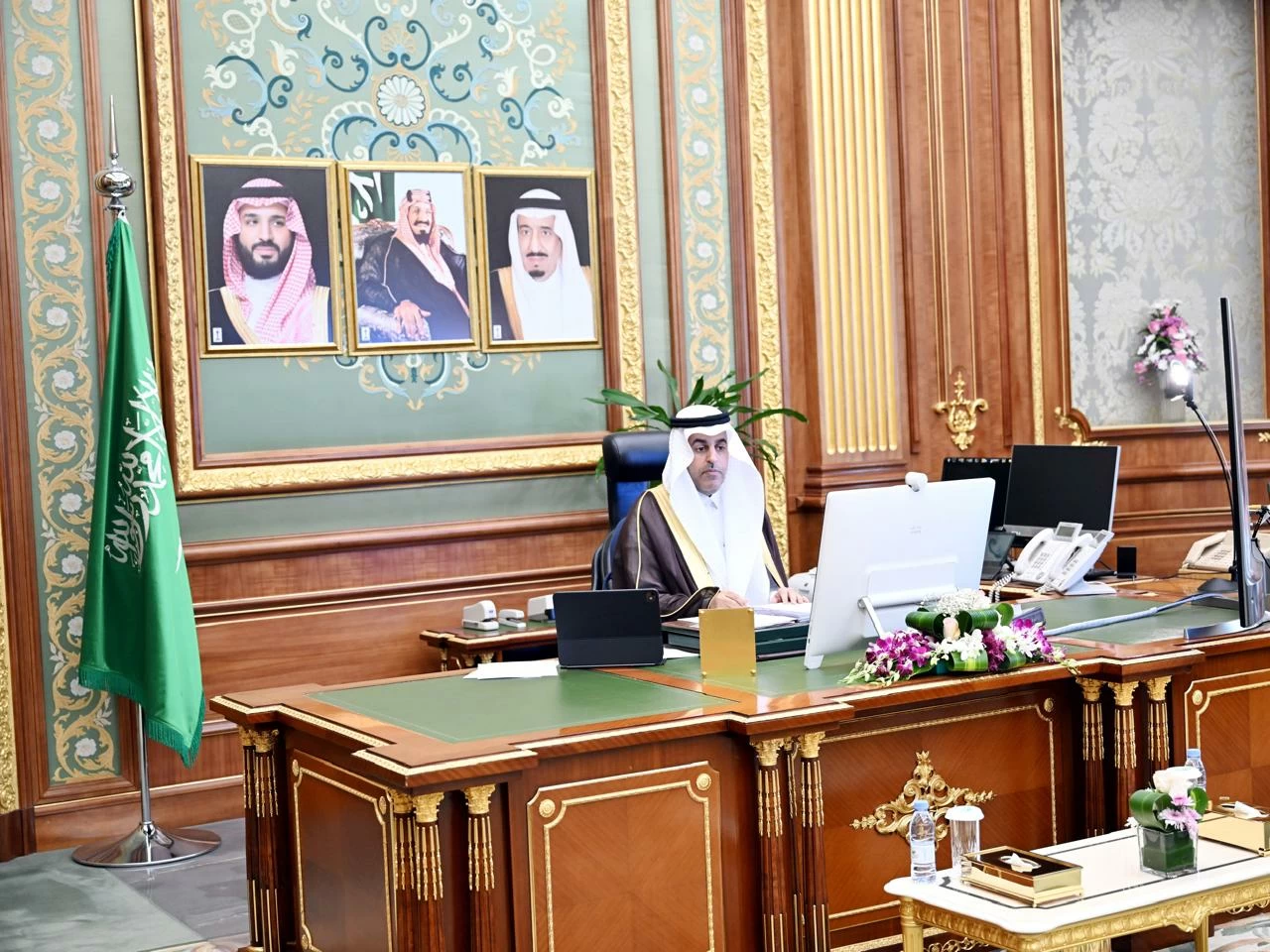
ألقت تداعيات إغلاق مضيق هرمز بظلالها على مداخلات أعضاء مجلس الشورى في جلسة الأمس، تزامناً مع مناقشة المجلس التقرير السنوي لوزارة النقل والخدمات اللوجستية، إذ ناقش المجلس في جلسته العادية الـ28 من أعمال السنة الثانية للدورة التاسعة المنعقدة برئاسة نائب رئيس المجلس الدكتور مشعل فهم السُّلمي، عبر الاتصال المرئي، التقرير، وطالب الوزارة بمضاعفة الجهود لتوفير بدائل في حال حدوث أزمات. فيما طالب المجلس هيئة كفاءة الإنفاق والمشروعات الحكومية بتطوير إطار وطني، لقياس الأثر الشامل لمبادراتها على جودة الخدمات، بما يشمل الأبعاد المالية والاقتصادية والاجتماعية والتنموية.
وأصدر المجلس، قراراً دعا فيه وزارة العدل إلى التنسيق مع الجهات ذات العلاقة، لتبني مبادرة للتوعية بقضايا الأحوال الشخصية، مع وضع آليات تنفيذ ومؤشرات لقياس الأثر، بما يحد من النزاعات الأسرية.
وطالب المجلس الهيئة العامة للمنشآت الصغيرة والمتوسطة بالتنسيق مع الجهات ذات العلاقة، لتطوير معايير مرنة للرسوم الحكومية والمقابل المالي تراعي حجم المنشأة، وعمرها، ومنطقتها الجغرافية، وطبيعة نشاطها.
وناقش المجلس، التقرير السنوي للمركز الوطني للدراسات والبحوث الاجتماعية، والتقرير السنوي للهيئة العامة للأوقاف، والتقرير السنوي للمركز الوطني للنخيل والتمور.
النجار لمركز البحوث الاجتماعية:
حوّلوا الدراسات لسياسات
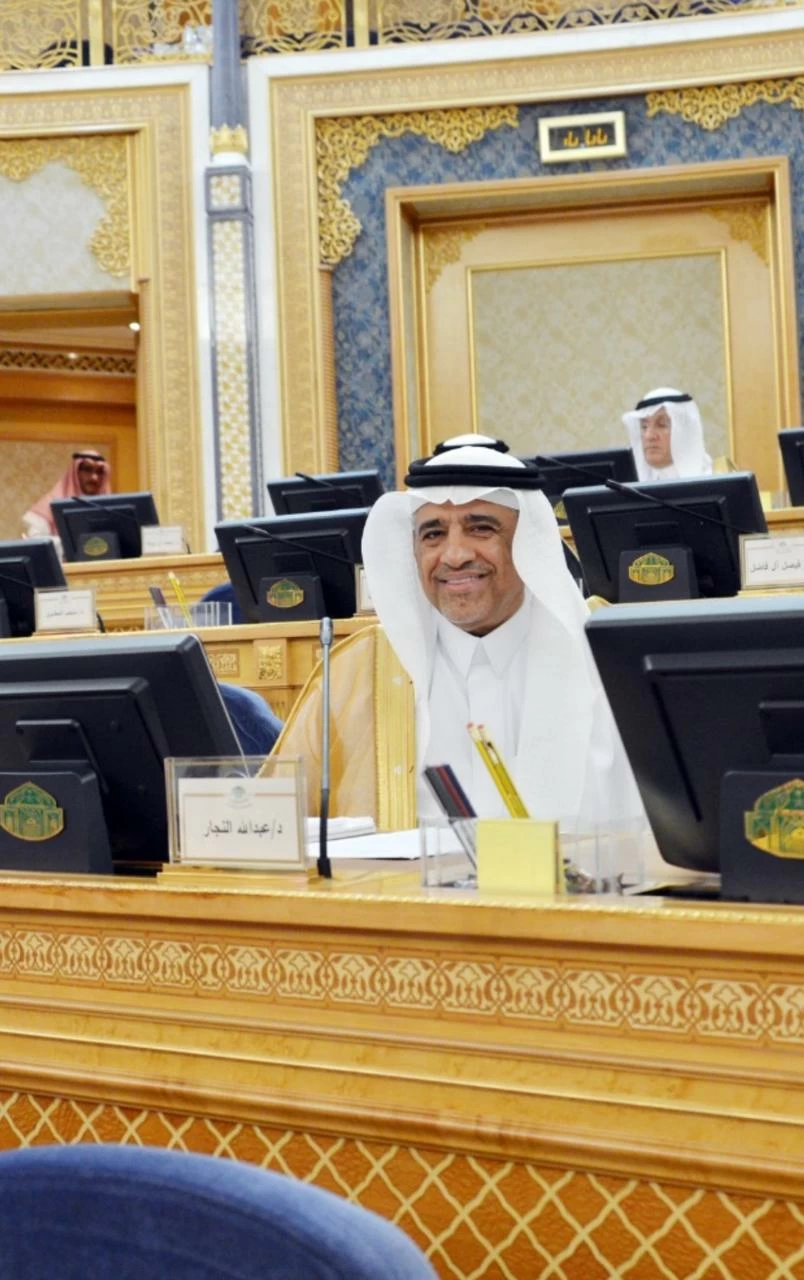
طالب عضو المجلس الدكتور عبدالله عمر النجار، المركز الوطني للدراسات والبحوث الاجتماعية بإنشاء ذراع تنفيذية متخصصة تتولى تحويل مخرجات الدراسات إلى سياسات وبرامج قابلة للتطبيق، وتقديم خدمات استشارية وتنفيذية، وتصميم نماذج تدخل اجتماعي قابلة للتوسع والاستدامة، واعتماد نموذج متكامل للاستدامة المالية يقوم على تنويع مصادر الدخل من خلال تقديم الدراسات والاستشارات المدفوعة، وإطلاق برامج تدريبية متخصصة، ودراسة إنشاء صندوق وطني لدعم البحوث الاجتماعية بالشراكة مع القطاعين الخاص وغير الربحي، والعمل على تطوير منصة وطنية موحدة للبحوث الاجتماعية تتضمّن قاعدة بيانات مركزية للأبحاث، وتحدد أولويات بحثية وطنية، وتعمل على توجيه التمويل نحو القضايا ذات الأثر الأعلى، وقياس العائد الاجتماعي من الاستثمار في البحوث من خلال تطوير مؤشرات لقياس الأثر، وربط التمويل بنتائج قابلة للقياس، وإصدار تقارير دورية تعكس القيمة التنموية للمخرجات البحثية.
البوعينين لـ«النقل»: نفذوا طرقاً بديلة واربطوا جدة بالقطار
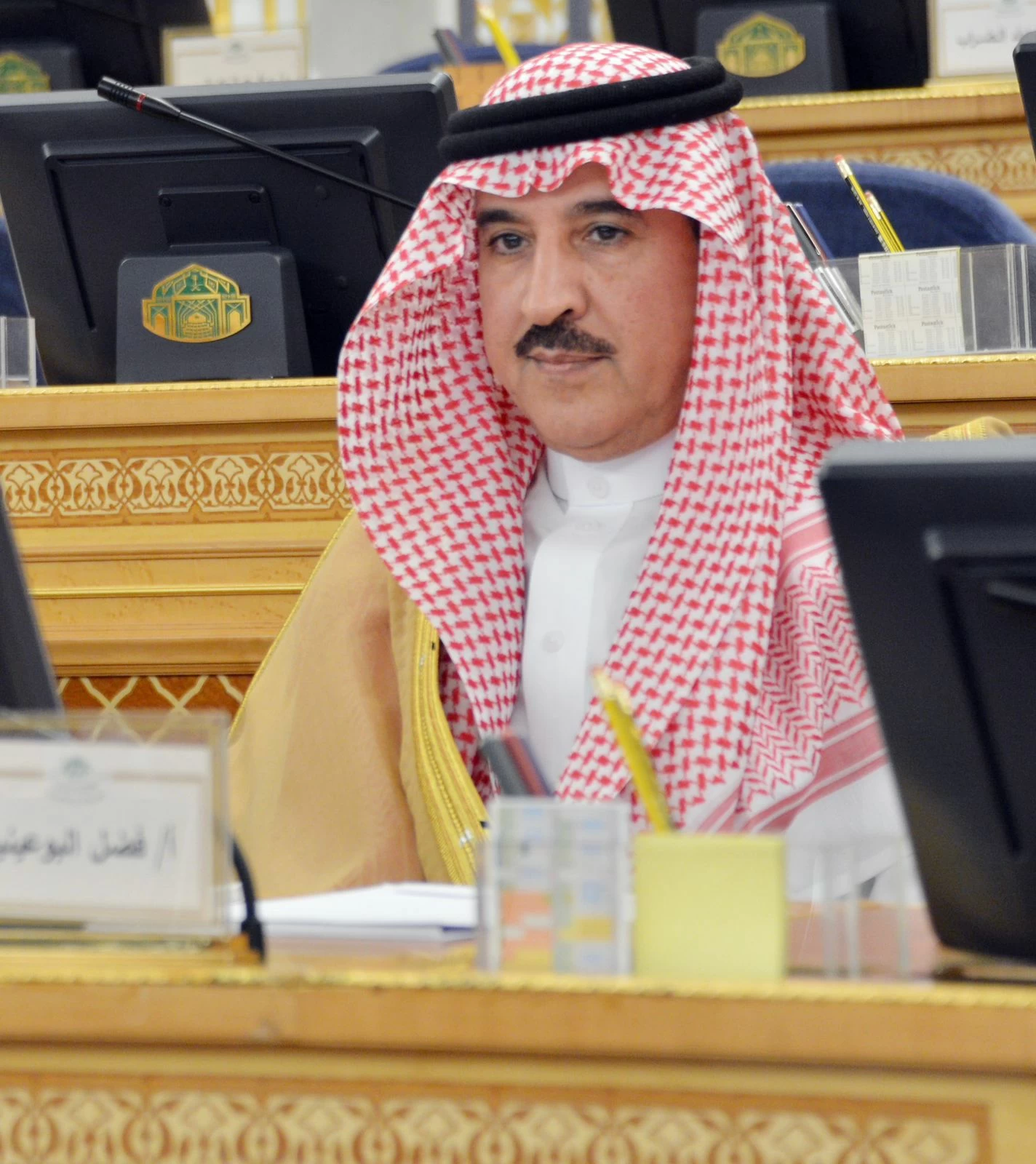
دعا عضو المجلس فضل سعد البوعينين، وزارة النقل والخدمات اللوجستية إلى إنشاء طريق الجبيل القصيم محور ينبع، الذي يربط المدينتين الصناعيتين، وموانئهما على البحر الأحمر والخليج العربي، موازياً لطريق الظهران الرياض، مؤكداً أهمية ربط شرق المملكة بغربها بسكة حديد موازية لطريق الظهران الرياض جدة، بحكم الأهمية الإستراتيجية المعززة للأمن الوطني، ورفد مكانة المملكة مركزاً عالمياً للنقل والخدمات الإستراتيجية، واستثمار الفرص المتاحة، واستقطاب التدفق التجاري وسلاسل الإمداد داخلياً وإقليمياً. وطالب وزارة النقل والخدمات اللوجستية بتنفيذ مشروع طريق الجبيل القصيم محور ينبع وإعطائه الأولوية القصوى ضمن مشروعاتها، وسرعة ربط قطار الدمام الرياض، بجدة، لاستكمال ربط غرب المملكة بشرقها سككياً. وأوضح البوعينين، أن لدى الوزارة دراسات مستفيضة لهذين المشروعين، ومنها مشروع الجسر البري، علماً بأن طريق الدمام، الرياض جدة، هو الطريق الوحيد الذي يربط الشرق بالغرب حالياً، في ظل حتمية إيجاد البديل الآمن، خصوصاً في أوقات الأزمات، إضافة إلى اختصاره المسافة والوقت، ويسهّل اقتصاديات النقل وسرعة الإمدادات، ويرفع كفاءة منظومة النقل والخدمات اللوجستية، ويسهم في توزيع حركة المركبات على طريقين ما يخفف الازدحام، ويسهم في انسيابية الحركة، والسلامة المرورية، لافتاً إلى أن 3 من كبريات شحن الحاويات في العالم أعلنت إطلاق مسار رئيسي جديد يربط أوروبا بالشرق الأوسط عبر المملكة متجاوزاً مضيق هرمز، والمسار الأحدث سيمزج بين النقل البحري والبري داخل المملكة، إذ تتوقف الناقلات القادمة من أوروبا في ميناءي جدة والملك عبدالله في رابغ، على البحر الأحمر، ومن هناك تُنقل البضائع بالشاحنات إلى الدمام، قبل توزيعها على موانئ دول الخليج.
عريشي لـ«النقل»: مستهدف اللوجستية بحاجة للتسريع
طالبت عضو المجلس الدكتورة عائشة عريشي، وزارة النقل بسرعة إعداد خطة إستراتيجية لزيادة عدد المراكز اللوجستية بما يضمن استمرارية سلاسل الإمداد، خصوصاً على الساحل الغربي للمملكة، مؤكدةً أنه عقب نجاح الوزارة في وضع حجر الأساس لمنطقة لوجستية متكاملة في ميناء الملك عبدالعزيز في الدمام، فإنه من المهم إعداد الخطط لإنشاء مناطق لوجستية متكاملة على الموانئ المطلة على البحر الأحمر، لافتةً إلى بروز أهميته في الآونة الأخيرة في استمرارية سلاسل الإمداد، ليس على مستوى محلي فقط بل على مستوى إقليمي وعالمي.
وقالت في مداخلتها: بلغت حصة خطوط الطيران الاقتصادية من الرحلات الداخلية 47%، والمستهدف بحلول 2030م، 60%، في حين أن حصة الطيران الاقتصادية من الرحلات الدولية 34%، وهو أعلى من المستهدف لعام 2030م، ما يفرض على الوزارة اعتماد الخطط التي تسهم في رفع حصة خطوط الطيران الاقتصادية من الرحلات الداخلية.
The repercussions of the closure of the Strait of Hormuz cast a shadow over the interventions of the Shura Council members during yesterday's session, coinciding with the council's discussion of the annual report of the Ministry of Transport and Logistics Services. The council discussed, in its 28th regular session of the second year of the ninth term, chaired by the Deputy Chairman Dr. Mishal Fahm Al-Sulami via video conference, the report and called on the ministry to double its efforts to provide alternatives in case of crises. The council also urged the Spending Efficiency and Government Projects Authority to develop a national framework to measure the comprehensive impact of its initiatives on the quality of services, including financial, economic, social, and developmental dimensions.
The council issued a decision calling on the Ministry of Justice to coordinate with relevant authorities to adopt an initiative to raise awareness of personal status issues, with the establishment of implementation mechanisms and indicators to measure the impact, aiming to reduce family disputes.
The council requested the General Authority for Small and Medium Enterprises to coordinate with relevant authorities to develop flexible standards for government fees and financial charges that consider the size of the enterprise, its age, its geographical area, and the nature of its activity.
The council discussed the annual report of the National Center for Social Studies and Research, the annual report of the General Authority for Endowments, and the annual report of the National Center for Dates and Palms.
Al-Najjar to the Social Research Center:
Turn studies into policies
Council member Dr. Abdullah Omar Al-Najjar called on the National Center for Social Studies and Research to establish a specialized executive arm to transform the outputs of studies into applicable policies and programs, provide consulting and executive services, design scalable and sustainable social intervention models, and adopt a comprehensive financial sustainability model based on diversifying income sources through offering paid studies and consultations, launching specialized training programs, studying the establishment of a national fund to support social research in partnership with the private and non-profit sectors, and working on developing a unified national platform for social research that includes a central database for research, identifies national research priorities, directs funding towards high-impact issues, measures the social return on investment in research by developing impact measurement indicators, links funding to measurable results, and issues periodic reports reflecting the developmental value of research outputs.
Al-Bouainin to "Transport": Implement alternative roads and connect Jeddah by train
Council member Fadl Saad Al-Bouainin called on the Ministry of Transport and Logistics Services to establish the Jubail-Qassim-Yanbu road, which connects the two industrial cities and their ports on the Red Sea and the Arabian Gulf, parallel to the Dhahran-Riyadh road. He emphasized the importance of connecting the east of the Kingdom with the west by a railway parallel to the Dhahran-Riyadh-Jeddah route, given its strategic importance in enhancing national security, bolstering the Kingdom's position as a global center for transport and strategic services, capitalizing on available opportunities, and attracting trade flow and supply chains both domestically and regionally. He urged the Ministry of Transport and Logistics Services to prioritize the Jubail-Qassim-Yanbu road project among its projects and to expedite the connection of the Dammam-Riyadh train to Jeddah to complete the railway connection between the west and east of the Kingdom. Al-Bouainin clarified that the ministry has extensive studies for these two projects, including the land bridge project, noting that the Dammam-Riyadh-Jeddah road is currently the only road connecting the east to the west, especially in light of the necessity to find a safe alternative, particularly during crises, in addition to shortening distance and time, facilitating transport economics and supply speed, enhancing the efficiency of the transport and logistics services system, and contributing to distributing vehicle movement across two roads, which alleviates congestion and contributes to smooth traffic and road safety. He pointed out that three of the largest container shipping companies in the world announced the launch of a new main route connecting Europe to the Middle East via the Kingdom, bypassing the Strait of Hormuz. The latest route will combine maritime and land transport within the Kingdom, as carriers coming from Europe will stop at the ports of Jeddah and King Abdullah in Rabigh on the Red Sea, from where goods will be transported by trucks to Dammam before being distributed to the ports of the Gulf countries.
Al-Areeshi to "Transport": The logistics target needs to be expedited
Council member Dr. Aisha Al-Areeshi called on the Ministry of Transport to quickly prepare a strategic plan to increase the number of logistics centers to ensure the continuity of supply chains, especially along the western coast of the Kingdom. She emphasized that following the ministry's success in laying the foundation stone for an integrated logistics area at King Abdulaziz Port in Dammam, it is important to prepare plans to establish integrated logistics areas at ports overlooking the Red Sea, highlighting its recent importance in ensuring the continuity of supply chains, not only at the local level but also at the regional and global levels.
She stated in her intervention: The share of low-cost airlines in domestic flights reached 47%, with a target of 60% by 2030, while the share of low-cost airlines in international flights is 34%, which is higher than the target for 2030, necessitating the ministry to adopt plans that contribute to increasing the share of low-cost airlines in domestic flights.