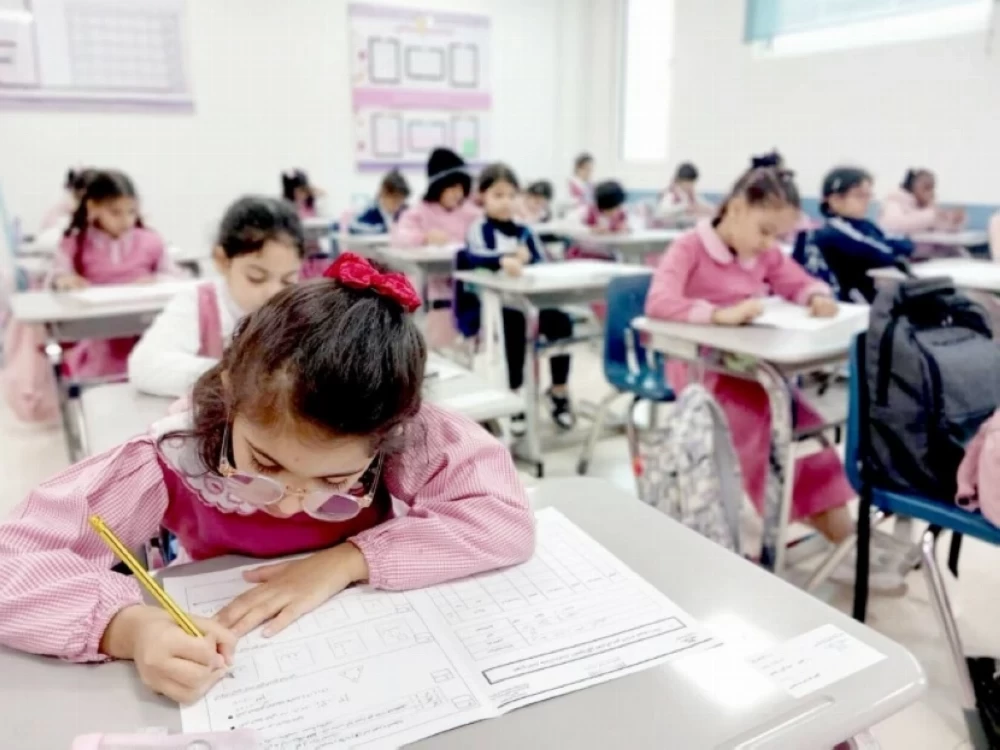
حددت هيئة تقويم التعليم للطلاب الذين بدأوا اختبارات «نافس»، اليوم (الأحد)، أسباب التفوق والنجاح في 4 عوامل أساسية، تتمثل في الدعم الأسري، ثم جدية الطلبة، وتعاون المدرسة، ووعي المجتمع.
وبينت هيئة التقويم أن الدعم الأسري يتمثل في تشجيع الطلاب نفسياً ودعمهم وإشراكهم في الاستبانات المرتبطة بالاختبارات. وفي جانب جدية الطلبة، فيتمثل ذلك في الأداء، حاثة المختبرين على الإجابة عن الأسئلة بتركيز وصدق واهتمام. كما حثت المدارس على توفير المناخ المناسب والبيئة المريحة التي تعين الطلبة على أداء الاختبار، على أن يتولى المجتمع التوعية بأهمية اختبارات نافس ودورها في تطوير التعليم.
يشار إلى أن اختبارات «نافس» الوطنية انطلقت في 28 ألف مدرسة ابتدائية ومتوسطة وطفولة مبكرة في مختلف المناطق والمحافظات السعودية، لتغطي مواد الرياضيات والقراءة للصف الثالث الابتدائي ومدارس الطفولة المبكرة، ومواد الرياضيات والقراءة والعلوم للصف السادس الابتدائي، إضافة إلى المواد نفسها للصف الثالث المتوسط.
وتستهدف الاختبارات التي تطلقها هيئة تقويم التعليم والتدريب، بالتعاون مع وزارة التعليم، أكثر من مليون ونصف المليون طالب وطالبة، إلى جانب تنفيذ أكثر من 3 ملايين استبانة موجهة للطلاب والطالبات والمعلمين والمعلمات ومديري المدارس وأولياء الأمور؛ بهدف جمع بيانات شاملة حول البيئة التعليمية.
وتأتي اختبارات «نافس» لقياس مؤشرات الأداء التعليمية ضمن إطار برنامج تنمية القدرات البشرية، ودعم تحقيق مستهدفاته من خلال توفير بيانات دقيقة لصنّاع القرار والمستفيدين، بما يسهم في تقويم جودة مخرجات التعليم العام في المرحلتين الابتدائية والمتوسطة ومدارس الطفولة المبكرة. كما تهدف إلى تعزيز التميز والتنافس الإيجابي بين المدارس وإدارات التعليم، ودعم الجهود الوطنية الرامية إلى تطوير العملية التعليمية ورفع كفاءتها.
The Education Evaluation Authority has identified the reasons for excellence and success for students who started the "Nafes" tests today (Sunday) in four main factors: family support, student seriousness, school cooperation, and community awareness.
The Authority clarified that family support involves encouraging students psychologically, supporting them, and involving them in surveys related to the tests. Regarding student seriousness, this is reflected in their performance, urging test-takers to answer questions with focus, honesty, and interest. Schools are also encouraged to provide a suitable atmosphere and a comfortable environment that helps students perform well in the test, while the community is responsible for raising awareness about the importance of the Nafes tests and their role in educational development.
It is noteworthy that the national "Nafes" tests were launched in 28,000 primary, intermediate, and early childhood schools across various regions and provinces of Saudi Arabia, covering mathematics and reading for third-grade primary schools and early childhood schools, as well as mathematics, reading, and science for sixth-grade primary schools, in addition to the same subjects for third-grade intermediate schools.
The tests, launched by the Education and Training Evaluation Authority in collaboration with the Ministry of Education, target more than one and a half million male and female students, along with the implementation of over 3 million surveys directed at students, teachers, school principals, and parents; aimed at collecting comprehensive data about the educational environment.
The "Nafes" tests come to measure educational performance indicators within the framework of the Human Capacity Development Program, supporting the achievement of its objectives by providing accurate data for decision-makers and beneficiaries, contributing to the evaluation of the quality of public education outputs in primary and intermediate stages and early childhood schools. They also aim to enhance excellence and positive competition among schools and education administrations, and support national efforts aimed at developing the educational process and improving its efficiency.