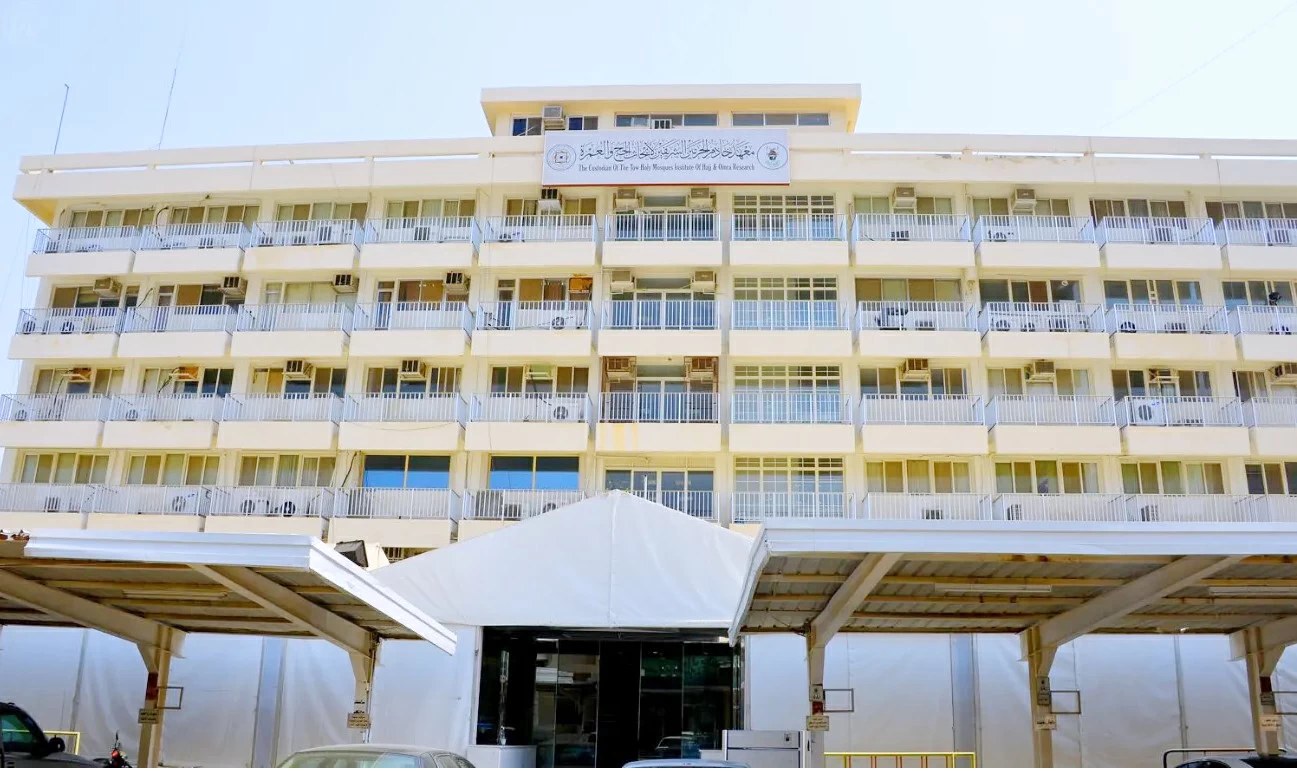
يعمل معهد خادم الحرمين الشريفين لأبحاث الحج والعمرة بجامعة أم القرى، خلال رمضان الجاري، على تنفيذ مجموعة من الدراسات الميدانية المتخصصة التي تستهدف تطوير منظومة النقل وإدارة الحشود والبيئة العمرانية، وتحسين تجربة الزوار في محيط المسجد الحرام، في إطار دوره البحثي الداعم لتطوير منظومة الحج والعمرة عبر دراسات تطبيقية تعتمد على التحليل العلمي والقياسات الميدانية في البيئات ذات الكثافة العالية.
وتتضمن هذه الدراسات رصد المخاطر البيئية في منطقة الحرم الشريف، بهدف تحديد وتحليل المخاطر المحتملة وتعزيز مستوى السلامة البيئية، إلى جانب دراسة مستوى التزام المساكن والفنادق بالاشتراطات والمعايير المعتمدة في المنطقة المركزية، بما يسهم في رفع جودة الخدمات المقدمة للمعتمرين والزوار وتحسين بيئة الإقامة.
كما تشمل الدراسات تقييم الكفاءة التشغيلية لنظام الحافلات السريعة (BRT) خلال موسم رمضان، من خلال تحليل أداء النظام وقدرته على تلبية الطلب المتزايد، إضافة إلى دراسة حركة المركبات في مواقع استقبال حافلات المعتمرين والزائرين باستخدام تقنيات النمذجة والمحاكاة، بهدف تحسين إدارة الحركة المرورية ورفع كفاءة التشغيل في المواقع ذات الكثافة العالية.
وفي جانب تجربة الزوار، يجري تنفيذ قياسات ميدانية لقياس جودة تجربة المستفيدين من خدمة العربات داخل المسجد الحرام وساحاته، بما يسهم في تطوير الخدمة وتحسين مستوى التنظيم. كما تتناول إحدى الدراسات تحليل سيناريوهات رفع الطاقة الاستيعابية في الروضة الشريفة، باستخدام أساليب النمذجة والمحاكاة لدعم التخطيط المبني على البيانات وتحسين إدارة الحشود في المواقع الحساسة.
ويأتي تنفيذ هذه الدراسات ضمن الدور العلمي والبحثي الذي يضطلع به المعهد في دعم الجهود الوطنية الرامية إلى تطوير منظومة الحج والعمرة والزيارة، من خلال بحوث تطبيقية ودراسات ميدانية تعتمد على التحليل العلمي ورصد البيانات الدقيقة.
ومن المتوقع، أن تسهم مخرجات هذه الدراسات في تقديم نماذج علمية متقدمة تعزز كفاءة إدارة الحركة والنقل، وترفع مستوى السلامة والتنظيم، وتدعم جودة الخدمات المقدمة لضيوف الرحمن، بما ينسجم مع مستهدفات رؤية المملكة 2030 في الارتقاء بتجربة قاصدي الحرمين الشريفين وتمكينهم من أداء مناسكهم بيسر وطمأنينة.
The King Abdulaziz Institute for Hajj and Umrah Research at Umm Al-Qura University is currently implementing a series of specialized field studies during this Ramadan, aimed at developing the transportation system, crowd management, and the urban environment, as well as improving the visitor experience in the vicinity of the Grand Mosque. This is part of its research role that supports the development of the Hajj and Umrah system through applied studies based on scientific analysis and field measurements in high-density environments.
These studies include monitoring environmental risks in the Holy Mosque area, with the aim of identifying and analyzing potential risks and enhancing the level of environmental safety. Additionally, they involve studying the compliance of accommodations and hotels with the approved requirements and standards in the central area, which contributes to improving the quality of services provided to pilgrims and visitors and enhancing the living environment.
The studies also encompass evaluating the operational efficiency of the Bus Rapid Transit (BRT) system during the Ramadan season, by analyzing the system's performance and its ability to meet the increasing demand. Furthermore, they will study vehicle movement at the reception points for pilgrims and visitors' buses using modeling and simulation techniques, aiming to improve traffic management and enhance operational efficiency in high-density locations.
In terms of visitor experience, field measurements are being conducted to assess the quality of the experience for beneficiaries of the cart service within the Grand Mosque and its courtyards, contributing to the development of the service and improving the level of organization. One of the studies also addresses analyzing scenarios for increasing capacity in the Noble Rawdah, using modeling and simulation methods to support data-driven planning and improve crowd management in sensitive locations.
The implementation of these studies is part of the scientific and research role that the institute plays in supporting national efforts aimed at developing the Hajj, Umrah, and visitation system through applied research and field studies based on scientific analysis and precise data monitoring.
It is expected that the outputs of these studies will contribute to providing advanced scientific models that enhance the efficiency of traffic and transportation management, raise the level of safety and organization, and support the quality of services provided to the guests of Allah, in line with the objectives of Saudi Vision 2030 to elevate the experience of those visiting the Two Holy Mosques and enable them to perform their rituals with ease and tranquility.