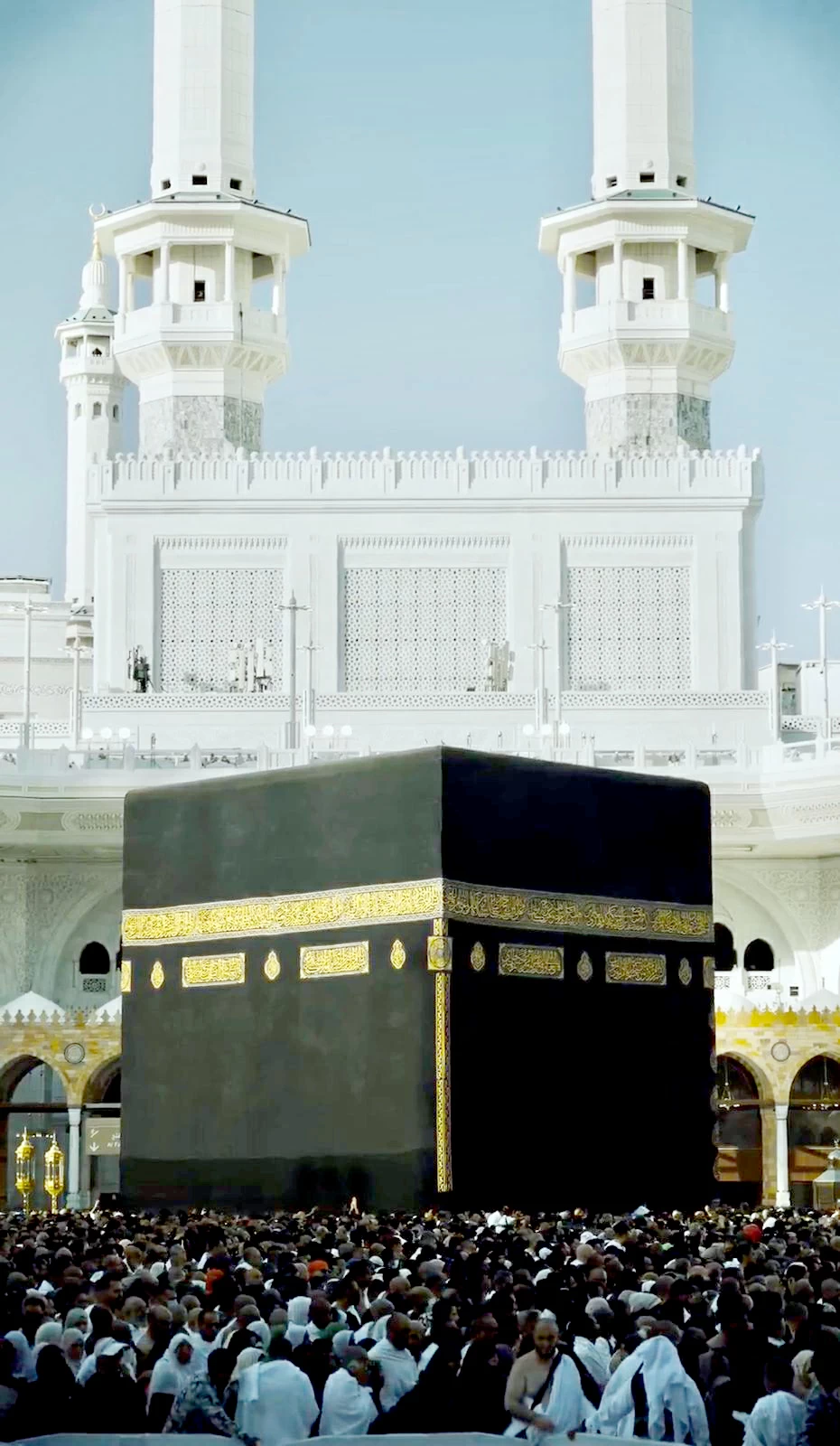
استثنت وزارة الحج والعمرة 9 ساعات في أيام وليالي شهر رمضان من أداء مناسك العمرة فيها بسبب الكثافة البشرية في الساعات المحددة، وحثت قاصدي المسجد الحرام الراغبين في أداء العمرة خلال رمضان على اختيار أوقات بديلة للساعات التسع. وبيّنت الوزارة أن الفترة من الرابعة مساء وحتى العاشرة ليلاً، والفترة من الخامسة فجراً وحتى الثامنة صباحاً تشهد كثافة عالية، بناءً على مؤشرات الكثافة خلال الأسبوعين الأولين من رمضان. وزادت وزارة الحج أن الفترة من الـ11 مساء وحتى الرابعة صباحاً تشهد كثافة متوسطة، بينما تشهد الفترة من الثامنة صباحاً وحتى الثالثة عصراً كثافة خفيفة.
وتعمل الأجهزة الأمنية على تكثيف جاهزيتها لما تبقى أيام رمضان لمواجهة الزيادة المرتقبة للمعتمرين والمصلين في المسجد الحرام، وتعتمد على محاور عدة تتضمن؛ الجانب الأمني، وإدارة وتنظيم الحشود، وإدارة الحركة المرورية، وتقديم الخدمات الإنسانية، ودعم وتمكين الجهات الخدمية المشاركة، وتطويع الأجهزة الأمنية التقنية والذكاء الاصطناعي في إدارة الحشود، ومعرفة أعداد الموجودين في صحن الطواف، وعدد القادمين من خارج المسجد الحرام، وكذلك تسهيل الوصول إلى المنطقة المركزية، وتخفيف ازدحام الحركة المرورية للحافلات المخصصة لنقل الزوّار من وإلى الحرم المكي.
The Ministry of Hajj and Umrah has excluded 9 hours during the days and nights of Ramadan from performing Umrah due to the high density of people during the specified hours. It urged those intending to visit the Grand Mosque who wish to perform Umrah during Ramadan to choose alternative times outside of these nine hours. The ministry indicated that the period from 4 PM to 10 PM, and the period from 5 AM to 8 AM experience high density, based on density indicators during the first two weeks of Ramadan. The Ministry of Hajj added that the period from 11 PM to 4 AM experiences medium density, while the period from 8 AM to 3 PM experiences light density.
The security agencies are working to intensify their readiness for the remaining days of Ramadan to address the anticipated increase in pilgrims and worshippers at the Grand Mosque. They rely on several axes, including security aspects, crowd management and organization, traffic management, providing humanitarian services, supporting and empowering participating service entities, and utilizing technical security devices and artificial intelligence in crowd management, as well as monitoring the number of people in the Tawaf area, the number of arrivals from outside the Grand Mosque, facilitating access to the central area, and alleviating traffic congestion for buses designated to transport visitors to and from the Holy Mosque.