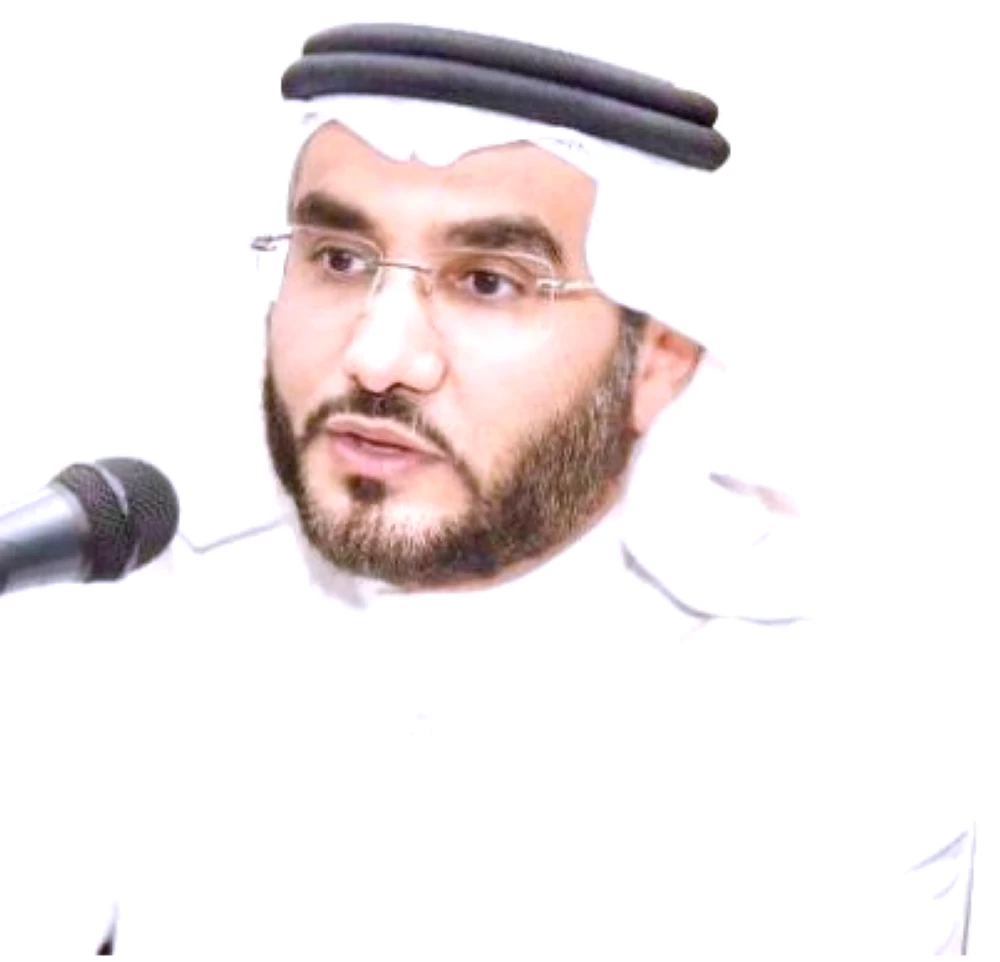
يؤكد الدكتور مسفر بن علي القحطاني، أن الصيام عبادة ذات معنى عظيم، وأن المعنى الذي يحققه الصيام في مستوى إيمان المسلم كبير وعميق، وليس مجرد هذا الامتناع العابر. ويرى القحطاني، أن أهم معنى للصيام هو التقوى، والتقوى تضعف بسبب أمرين رئيسين: ضعف الرقابة لله، وضعف الإرادة، وهما السببان في استحواذ الشيطان على الإنسان، لأن غالب فعل المعاصي يكون بسبب ضعف الشعور برقابة الله تعالى للعبد، أو بسبب ضعف إرادته في الكف عن المعاصي، لأجل ذلك؛ كان رمضان دورة تدريبية لمدة شهر، تعيد القوة للرقابة الذاتية، فالصيام سر بين العبد وربه، وجاء في الحديث: «قال الله عز وجل: كل عمل ابن آدم له إلا الصيام، هو لي وأنا أجزي به»، أما قوة الإرادة فهو ظاهر في الامتناع عن المباحات التي يتدرب على الصوم عنها المسلم شهراً كاملاً، ليعتاد ترك المحرمات، وتقوى إرادته في البعد عنها مهما قويت الرغبة لفعلها، وفي ظني معنى قول النبي صلى الله عليه وسلم: «الصيام جُنَّة» أي وقاية ومانع من الوقوع في الحرام.
إعادة توازن للروح
القحطاني أكد، أن قوة الرقابة وقوة الإرادة ليستا سبباً في حصول التقوى فحسب؛ بل أظنها سبباً في صلاح معاش الإنسان واستقامة حياته وصلاح مجتمعه، ما جعل الكثير من غير المسلمين يمارسون طقوس الصيام الطويل أو المتقطع رغبة في حصول صحة بدنية أفضل، وصفاء ذهني ونفسي عالٍ، ويُذكر عن كثير من الفلاسفة التزامهم بالصيام كرغبة في إعادة التوازن للحالة الروحية للإنسان، و«إعلان سيادة الروح على حاجات البدن وعبوديته للمادة»، كما قال المفكر الألماني (مراد هوفمان)، وربما كانت التهيئة الروحية التي يحقّقها الصيام بتقويته للإرادة والرقابة الذاتية؛ هي الحكمة من وراء تشريع الزكاة والجهاد في السنة الثانية للهجرة عقب فرض الصيام في شهر رمضان من ذاك العام.
وأورد (لابن عربي) لفتة عميقة في الفتوحات المكية؛ إذ رأى أن من معاني الصيام في اللغة: الرفعة، فالعرب تقول: صام النهار إذا ارتفع، ومنه قول امرئ القيس الشاعر: إذا صام النهار وهجّرا، أي ارتفع. وهذا دال بوضوح أن الصيام يسمو بروح صاحبه و«يعلي به للملائكية ويحطّ من بهيميته» على حدّ تعبير ولي الله الدهلوي، يؤيده ما جاء عن أبي أمامة بسند صحيح، أنه قال للنبي صلى الله عليه وسلم: «مُرني بأمر ينفعني الله به»، قال: «عليكم بالصيام ؛ فإنه لا مِثلَ له».
قصتي مع الشاب الفرنسي
وأضاف: في صيف 2011، قابلتُ شاباً فرنسياً دخل للتو في الإسلام، وعقب حوار بيننا سألته عن سبب إسلامه، فأخبرني أنه كان يعيش في حي يعمل فيه بعض المسلمين المغاربة، فرآهم في أحد الأيام يعملون في الظهيرة ولا يتناولون أي طعام أو شراب، ولا يطلبون شيئاً من ذلك، فسألهم عن سبب هذا الامتناع وهم في قمة التعب والعطش؟ فأجابوه أنهم صائمون، ولا يجوز لهم تناول أي طعام قبل غروب الشمس طيلة شهر رمضان، فاندهش من جوابهم، ودارت في ذهنه الكثير من الأسئلة التي حاصرهم بها حول هذا الصيام، ولكنه لم يجد عندهم الإجابة الشافية بسبب جهلهم وعدم تعلمهم، إلا أن الانصياع الذاتي، واختبار معاناة الصبر لمدة شهر، جعله ينكبُّ باحثاً عن إجابات، وإثر قراءة مطوّلة عن الصيام والإسلام أعلن دخوله في الدين الحنيف، ولحقته أمه وأسلمت معه.
لماذا نصوم
عدّ القحطاني الحادثة ومثلها المئات، تعيد لأذهاننا سؤال المعنى أو المقصد من هذه الشعيرة السنوية، ولماذا نصوم ونكرر ذلك كل عام وأكثر، وأحياناً لا نشعر في أنفسنا بالفارق الكبير قبل الصيام وبعده، بل ربما لا نتذكر بعد انتهاء رمضان سوى المأكولات والبرامج التلفزيونية وجلسات السمر العائلية وغيرها؟! مع أن الصيام ليس في حقيقته أداء لعبادة كالصلاة والزكاة والحج؛ بل هو كفٌ وامتناع عن مباحات خلال النهار لمدة شهر كامل، وهو الركن الرابع من أركان الإسلام، والنبي عليه الصلاة والسلام قال فيه: «من صام رمضان إيماناً واحتساباً، غُفر له ما تقدّم من ذنبه».
Dr. Musfer bin Ali Al-Qahtani emphasizes that fasting is a worship with great meaning, and that the significance achieved by fasting at the level of a Muslim's faith is profound and deep, not merely this transient abstention. Al-Qahtani believes that the most important meaning of fasting is piety, which weakens due to two main reasons: the weakness of the awareness of God's oversight and the weakness of willpower. These are the reasons for the devil's influence over humans, as most sinful actions occur due to a weak sense of God's oversight over the servant or due to a weak will to refrain from sins. For this reason, Ramadan serves as a month-long training course that restores strength to self-monitoring. Fasting is a secret between the servant and his Lord, as it is stated in the hadith: "Allah, the Almighty, said: Every action of the son of Adam is for him except fasting; it is for Me, and I reward for it." As for the strength of will, it is evident in abstaining from permissible things that the Muslim trains himself to refrain from for a whole month, so that he becomes accustomed to abandoning prohibitions, and his willpower strengthens in staying away from them, no matter how strong the desire to commit them. In my opinion, the meaning of the Prophet's saying, peace be upon him: "Fasting is a shield," means it is a protection and barrier against falling into the forbidden.
Restoring Balance to the Soul
Al-Qahtani confirmed that the strength of oversight and willpower is not only a reason for attaining piety; rather, I believe it is a reason for the well-being of a person's livelihood, the integrity of his life, and the righteousness of his community. This has led many non-Muslims to practice long or intermittent fasting rituals in hopes of achieving better physical health and high mental and psychological clarity. It is noted that many philosophers committed to fasting as a desire to restore balance to the spiritual state of humans, and "to declare the sovereignty of the spirit over the needs of the body and its servitude to matter," as the German thinker Murad Hofmann said. Perhaps the spiritual preparation that fasting achieves by strengthening willpower and self-monitoring is the wisdom behind the legislation of zakat and jihad in the second year of Hijra, following the obligation of fasting in the month of Ramadan that year.
Al-Ibn Arabi mentioned a profound insight in the Meccan Conquests; he saw that one of the meanings of fasting in the language is elevation. The Arabs say: "The day fasted" when it rises, and from this is the saying of the poet Imru' al-Qais: "When the day fasts and the sun sets," meaning it rises. This clearly indicates that fasting elevates the spirit of its owner and "raises him to angelic levels and diminishes his animalistic nature," according to the expression of the saintly figure, Shah Waliullah Dehlawi. This is supported by what was narrated from Abu Umamah with a sound chain of narration, that he said to the Prophet, peace be upon him: "Command me with something that will benefit me from Allah," he said: "You should fast; for there is nothing like it."
My Story with the French Young Man
He added: In the summer of 2011, I met a young French man who had just converted to Islam. After a conversation between us, I asked him about the reason for his conversion, and he told me that he lived in a neighborhood where some Moroccan Muslims worked. One day, he saw them working in the midday sun without eating or drinking anything, nor asking for any of that. He asked them why they were abstaining while they were exhausted and thirsty? They replied that they were fasting, and it was not permissible for them to eat anything before sunset throughout the month of Ramadan. He was astonished by their answer, and many questions flooded his mind about this fasting, but he did not find satisfactory answers from them due to their ignorance and lack of knowledge. However, the self-discipline and the experience of enduring hardship for a month led him to seek answers. After extensive reading about fasting and Islam, he announced his entry into the noble religion, and his mother followed him and converted with him.
Why Do We Fast
Al-Qahtani considered this incident, along with hundreds like it, to remind us of the question of the meaning or purpose of this annual ritual, and why we fast and repeat it every year, and sometimes we do not feel a significant difference in ourselves before and after fasting. In fact, after Ramadan ends, we may only remember the foods, television programs, and family gatherings, among other things?! Although fasting is not essentially performing a worship like prayer, zakat, or pilgrimage; rather, it is abstaining from permissible things during the day for a whole month. It is the fourth pillar of Islam, and the Prophet, peace be upon him, said about it: "Whoever fasts Ramadan with faith and seeking reward, his previous sins will be forgiven."