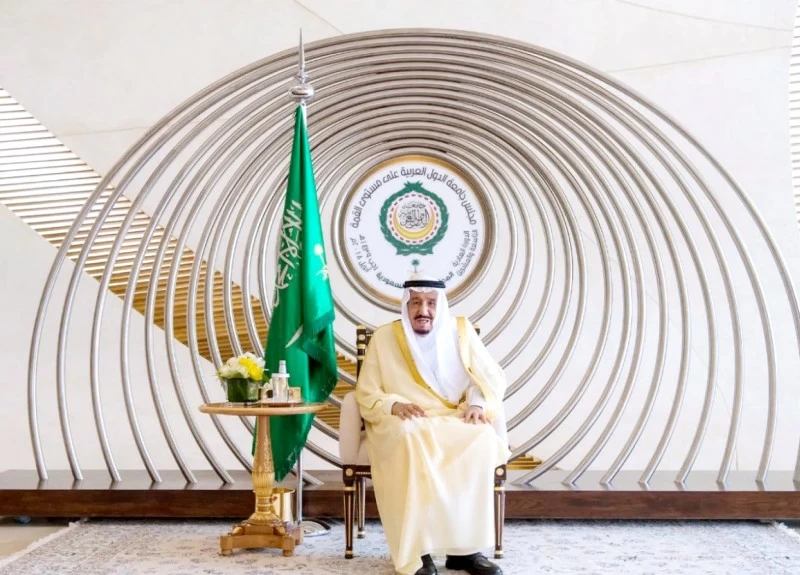
منذ ولادة جامعة الدول العربية منتصف أربعينيات القرن الماضي، لعبت المملكة العربية السعودية دوراً محورياً في تأسيس المنظمة العربية ودعم مسارات عملها السياسي والاقتصادي، لتصبح أحد أعمدة العمل العربي المشترك وصاحبة حضور مؤثر في مختلف الملفات الإقليمية التي تناولتها الجامعة على امتداد تاريخها.
وجاء الإعلان الرسمي عن تأسيس الجامعة في مارس 1945 بالعاصمة المصرية القاهرة، بعد سلسلة مشاورات عربية سبقتها اجتماعات تحضيرية في مدينة الإسكندرية عام 1944، شاركت فيها السعودية بفاعلية، وأسهمت في بلورة فكرة إنشاء كيان عربي يجمع الدول المستقلة آنذاك تحت مظلة تنسق مواقفها السياسية وتدعم قضاياها المشتركة.
دور في التأسيس
ومنذ اللحظة الأولى، دعمت الرياض فكرة قيام منظمة عربية موحدة تحافظ على استقلال الدول الأعضاء وتعزز التضامن بينها، وأسهمت في صياغة الرؤية العامة للعمل العربي المشترك، خصوصاً في ما يتعلق بدعم قضايا التحرر العربي والحفاظ على استقرار المنطقة.
كما شاركت المملكة في كل المراحل التأسيسية التي سبقت توقيع الميثاق، وكانت ضمن الدول المؤسسة التي رأت في الجامعة إطاراً ضرورياً لحماية المصالح العربية في ظل التحولات السياسية التي أعقبت الحرب العالمية الثانية.
دعم سياسي ومالي
وخلال العقود التالية، برز الدور السعودي داخل الجامعة في محطات سياسية حساسة، إذ لعبت الرياض دور الوسيط والداعم لجهود التهدئة في عدد من الأزمات العربية، وساهمت في تقريب وجهات النظر بين الدول الأعضاء في أوقات التوتر.
كما قدمت المملكة دعماً مالياً مستمراً للعديد من مبادرات العمل العربي المشترك، سواء عبر مساهماتها في موازنات مؤسسات الجامعة أو من خلال دعم صناديق وبرامج تنموية عربية انبثقت عن قراراتها، إضافة إلى دعم جهود الإغاثة وإعادة الإعمار في دول عربية شهدت أزمات وصراعات.
ثقل عربي مؤثر
ويُنظر إلى السعودية داخل الجامعة باعتبارها أحد أبرز مراكز الثقل السياسي والاقتصادي في العالم العربي، نظراً لمكانتها الإقليمية والدولية، ودورها في دفع المبادرات الهادفة إلى تحقيق الاستقرار والتنمية في المنطقة.
وعلى مدى ثمانية عقود، ظل حضور المملكة عنصراً أساسياً في مسيرة الجامعة العربية، سواء عبر مواقفها السياسية أو دعمها المؤسسي، ما رسخ موقعها كأحد الأعمدة الرئيسية للعمل العربي المشترك.
Since the establishment of the Arab League in the mid-1940s, the Kingdom of Saudi Arabia has played a pivotal role in founding the Arab organization and supporting its political and economic pathways, becoming one of the pillars of joint Arab action and having a significant presence in various regional issues addressed by the League throughout its history.
The official announcement of the League's establishment came in March 1945 in the Egyptian capital, Cairo, following a series of Arab consultations that were preceded by preparatory meetings in the city of Alexandria in 1944, in which Saudi Arabia actively participated and contributed to shaping the idea of creating an Arab entity that would bring together the then-independent states under a framework that coordinates their political positions and supports their common issues.
Role in the Foundation
From the very first moment, Riyadh supported the idea of establishing a unified Arab organization that preserves the independence of member states and enhances solidarity among them, contributing to the formulation of the general vision for joint Arab action, especially regarding support for Arab liberation issues and maintaining regional stability.
The Kingdom also participated in all the foundational stages that preceded the signing of the charter and was among the founding countries that saw the League as a necessary framework for protecting Arab interests in light of the political transformations that followed World War II.
Political and Financial Support
In the following decades, the Saudi role within the League emerged during sensitive political junctures, as Riyadh played the role of mediator and supporter of de-escalation efforts in several Arab crises, contributing to bridging the viewpoints among member states during times of tension.
The Kingdom also provided ongoing financial support for many initiatives of joint Arab action, whether through its contributions to the budgets of the League's institutions or by supporting Arab developmental funds and programs that emerged from its decisions, in addition to supporting relief and reconstruction efforts in Arab countries that experienced crises and conflicts.
Influential Arab Weight
Saudi Arabia is viewed within the League as one of the most prominent centers of political and economic weight in the Arab world, due to its regional and international status and its role in promoting initiatives aimed at achieving stability and development in the region.
Over the course of eight decades, the Kingdom's presence has remained a fundamental element in the journey of the Arab League, whether through its political positions or its institutional support, solidifying its position as one of the main pillars of joint Arab action.