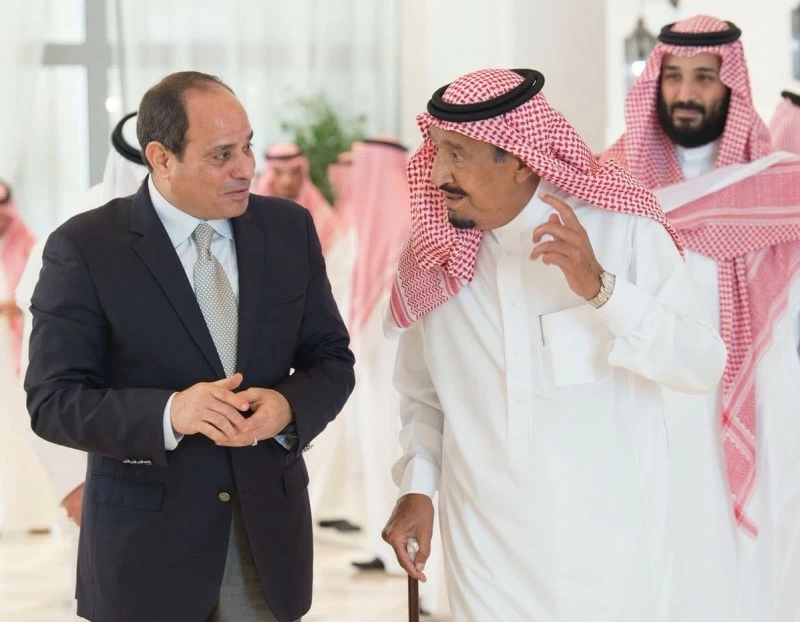
لم تكن الروابط بين السعودية ومصر وليدة السياسة الحديثة، بل نشأت عبر قرون من المصاهرة والتجارة ورحلات الحج وتداخل المصالح، حتى جاء تأسيس الدولة السعودية الثالثة بقيادة الملك عبدالعزيز بن عبدالرحمن آل سعود ليضع أسس علاقة رسمية متينة، تُوِّجت بإرسال أول بعثة تعليمية سعودية إلى القاهرة عام 1926، في خطوة مبكرة لبناء جسور المعرفة والتعاون بين الشعبين.
محطات سياسية فارقة
وشهدت الأراضي المصرية واحدة من أهم اللحظات السياسية في تاريخ المنطقة، عندما زار الملك عبدالعزيز مصر عام 1945، حيث التقى الرئيس الأمريكي فرانكلين روزفلت، ثم عقد اجتماعاً مع رئيس الوزراء البريطاني ونستون تشرشل بحضور وزير الخارجية البريطاني أنطوني إيدن، في لقاءات أكدت مكانة المنطقة في توازنات السياسة الدولية آنذاك، ورسّخت حضور السعودية ومصر معاً في المشهد الإقليمي والدولي.
موقف 1956
وعندما تعرضت مصر للعدوان الثلاثي عام 1956 عقب تأميم قناة السويس، وقفت المملكة موقفاً حاسماً بدعم الشعب المصري سياسياً ومالياً، في واحدة من أبرز صور التضامن العربي. وشهدت تلك المرحلة تطوع عدد من الشباب السعوديين في معسكرات التدريب العسكرية، وكان بينهم الأمير الشاب -آنذاك- الملك سلمان بن عبدالعزيز وعدد من الأمراء، في مشهد عكس عمق الشعور بالمصير المشترك بين البلدين، ضمن سياسة الدعم التي أقرتها الدولة في عهد الملك سعود بن عبدالعزيز.
شراكة مستمرة
هذه المحطات لم تكن مجرد وقائع تاريخية عابرة، بل شكلت قاعدة صلبة لعلاقة عربية استثنائية تقوم على الثقة والتكامل والمواقف المتبادلة في أوقات الرخاء والشدة. واليوم، في ظل التحولات الإقليمية والدولية، تواصل الرياض والقاهرة تطوير شراكتهما في السياسة والاقتصاد والثقافة والأمن، لتبقى العلاقة السعودية المصرية واحدة من أهم ركائز الاستقرار والعمل العربي المشترك
The ties between Saudi Arabia and Egypt were not born out of modern politics, but rather developed over centuries through intermarriage, trade, pilgrimage journeys, and overlapping interests. This was further solidified with the establishment of the Third Saudi State under the leadership of King Abdulaziz bin Abdulrahman Al Saud, which laid the foundations for a strong official relationship, crowned by the sending of the first Saudi educational mission to Cairo in 1926, an early step towards building bridges of knowledge and cooperation between the two peoples.
Significant Political Milestones
The Egyptian lands witnessed one of the most important political moments in the region's history when King Abdulaziz visited Egypt in 1945, where he met with U.S. President Franklin D. Roosevelt, and then held a meeting with British Prime Minister Winston Churchill in the presence of British Foreign Secretary Anthony Eden. These meetings affirmed the region's status in the international political balances of that time and solidified the presence of Saudi Arabia and Egypt together in the regional and international scene.
The 1956 Stance
When Egypt faced the tripartite aggression in 1956 following the nationalization of the Suez Canal, the Kingdom took a decisive stance by supporting the Egyptian people politically and financially, in one of the most prominent examples of Arab solidarity. During this phase, a number of young Saudis volunteered in military training camps, including the young prince at the time, King Salman bin Abdulaziz, along with several other princes, in a scene that reflected the deep sense of shared destiny between the two countries, as part of the support policy established by the state during the reign of King Saud bin Abdulaziz.
Ongoing Partnership
These milestones were not merely transient historical events; they formed a solid foundation for an exceptional Arab relationship based on trust, integration, and mutual positions in times of prosperity and hardship. Today, amid regional and international transformations, Riyadh and Cairo continue to develop their partnership in politics, economics, culture, and security, ensuring that the Saudi-Egyptian relationship remains one of the most important pillars of stability and joint Arab action.