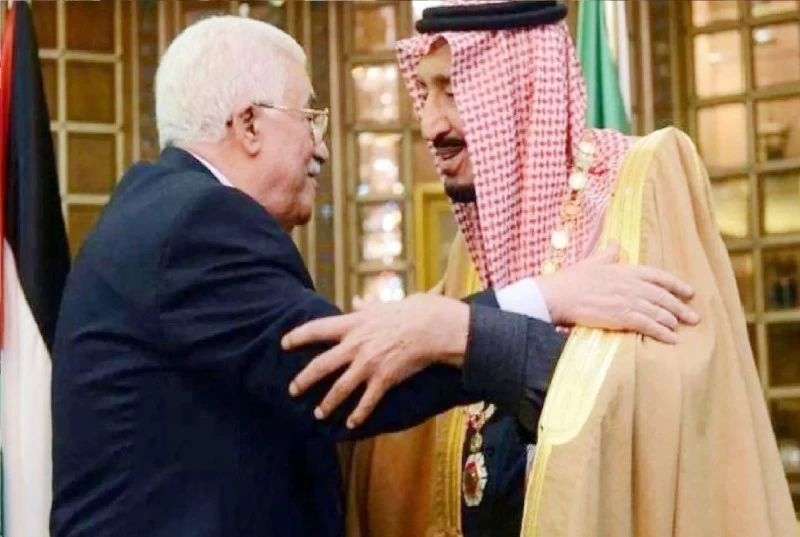
بين الماضي والحاضر، كانت السعودية الوحيدة التي تقف بكل ثقلها مع القضية الفلسطينية، سواء على المستوى السياسي أو الاقتصادي أو الإعمار والإغاثة.
لقد رفض الملك عبدالعزيز عام 1926 أن يعترف للبريطانيين بشرعية وجودهم في فلسطين، ولم يقبل بوعد بلفور، وفي عام 1935 أرسل ولي عهده الملك سعود إلى فلسطين للوقوف على أحوال الشعب الفلسطيني والتعبير لهم عن تضامن المملكة التام ودعمها لتحركهم من أجل نيل حقوقهم المشروعة، وليس هذا فحسب بل تصدى المؤسس عام 1947 بقوة لقرار تقسيم فلسطين، وخاطب الإنجليز من موقف قوة محذراً إياهم من المضي قدماً في تنفيذ القرار الجائر، وكلف ابنه الملك فيصل بتكوين لجان شعبية في أنحاء المملكة العربية السعودية لجمع التبرعات للفلسطينيين.
وفي عام 1939، أمر الملك عبدالعزيز بتقديم الدعم العسكري للفلسطينيين، وقرر (رحمه الله) شراء الأسلحة وإرسالها إليهم رغم الظروف السياسية والاقتصادية التي تمر بها المنطقة العربية آنذاك، وتبنى موقفاً تاريخياً بمفرده، إذ دعا إلى بقاء الفلسطينيين داخل فلسطين، على أن يلتزم العرب بالدعم، لأن خروجهم إماتة لقضيتهم.
ولم يكن الأمر مرتبطاً بالمؤسس، بل إن الملك سعود واصل تلك المواقف وجعل القضية الفلسطينية القضية الأم، والشغل الشاغل في أجندته اليومية، محلياً وعربياً وإسلامياً، كما أن الملك فيصل كان له تأثير كبير على مسيرة القضية الفلسطينية، وأسس بعد نكبة 1967 الجبهة العربية الموحدة التي وقفت بالمرصاد أمام زحف الصهيونية العالمية، وخلال لقائه بالرئيس الفرنسي شارل ديغول أقنعه بعدالة القضية الفلسطينية، وتم قطع الإمداد الفرنسي لإسرائيل بالسلاح منذ ذلك اليوم من عام 1967، كما غيّر الحظر البترولي على عدد من القوى الدولية المؤثرة، عام 1973، موازين القوى لصالح القضية والعرب، إذ سجلت المملكة موقفاً عربياً غير مسبوق، وسار الملك خالد على النهج نفسه، ودعا باستمرار وفي كل المناسبات إلى التضامن الإسلامي من أجل تحرير فلسطين.
لقد كانت قضية فلسطين حاضرة في وجدان الملك فهد وسياساته، وعُقدت المؤتمرات الفاعلة، وفتحت المملكة أبوابها للفلسطينيين بعد إخراجهم من لبنان، دون إلزامهم بكفيل.
الملك عبدالله هو الآخر تصدّرت مبادراته الحلول السلمية للقضية من خلال مبادرته العربية، وكان صارماً في موقفه ضد الاحتلال للأراضي العربية، وعلى رأسها القدس الشريف، وقدم كافة أشكال الدعم السياسي والمادي للشعب الفلسطيني طيلة فترة توليه الحكم.
واليوم يولي خادم الحرمين الشريفين الملك سلمان بن عبدالعزيز، وولي العهد رئيس مجلس الوزراء الأمير محمد بن سلمان، القضية الفلسطينية أهمية كبيرة، عبر استضافة المملكة للقمم العربية والإسلامية وقيادة دبلوماسيتها لجهود الاعتراف بالدولة الفلسطينية والتأكيد على الحقوق المشروعة للشعب الفلسطيني في قيام دولته المستقلة وعاصمتها القدس.
لقد كانت للملك سلمان مواقف قوية على إنهاء الإجرام الإسرائيلي بحق الفلسطينيين، فضلاً عن الجسر الإنساني المستمر عبر مركز الملك سلمان للإغاثة الإنسانية، كما أن ولي العهد الأمير محمد بن سلمان تبنّى المواقف ذاتها وله بصمات قوية في الوصول إلى السلام في غزة ووقف نزيف الدم المستمر سواء في مواقفه ولقاءاته مع الدول الفاعلة أو عبر دبلوماسيته النشطة التي أثمرت عن نتائج إيجابية كبيرة واعتراف أكثر من 161 دولة بفلسطين، وهو ما أجبر الاحتلال الإسرائيلي على الرضوخ للسلام ووقف جرائم الإبادة في غزة.
Between the past and the present, Saudi Arabia has been the only country that stands firmly with the Palestinian cause, whether on a political, economic, reconstruction, or relief level.
King Abdulaziz refused in 1926 to recognize the legitimacy of the British presence in Palestine and did not accept the Balfour Declaration. In 1935, he sent his Crown Prince, King Saud, to Palestine to assess the conditions of the Palestinian people and to express the Kingdom's full solidarity and support for their movement to obtain their legitimate rights. Not only that, but the founder also strongly opposed the decision to partition Palestine in 1947, addressing the British from a position of strength, warning them against proceeding with the unjust decision. He tasked his son, King Faisal, with forming popular committees across the Kingdom of Saudi Arabia to collect donations for the Palestinians.
In 1939, King Abdulaziz ordered military support for the Palestinians and decided (may God have mercy on him) to purchase weapons and send them to them despite the political and economic conditions facing the Arab region at that time. He took a historic stance alone, calling for the Palestinians to remain in Palestine, with the Arabs committed to support, as their departure would mean the death of their cause.
The matter was not limited to the founder; King Saud continued those positions and made the Palestinian cause the central issue and the main concern in his daily agenda, both locally and Arabically and Islamically. King Faisal also had a significant impact on the course of the Palestinian cause, and after the Nakba of 1967, he established the United Arab Front, which stood firm against the advance of global Zionism. During his meeting with French President Charles de Gaulle, he convinced him of the justice of the Palestinian cause, leading to the cessation of French military supplies to Israel from that day in 1967. He also changed the oil embargo on several influential international powers in 1973, shifting the balance of power in favor of the cause and the Arabs, as the Kingdom recorded an unprecedented Arab stance. King Khalid followed the same path, continuously calling for Islamic solidarity for the liberation of Palestine on all occasions.
The Palestinian cause was present in the conscience of King Fahd and his policies, effective conferences were held, and the Kingdom opened its doors to the Palestinians after their expulsion from Lebanon, without requiring them to have a sponsor.
King Abdullah also prioritized peaceful solutions to the issue through his Arab initiative, and he was firm in his stance against the occupation of Arab lands, especially the holy city of Jerusalem. He provided all forms of political and material support to the Palestinian people throughout his reign.
Today, the Custodian of the Two Holy Mosques, King Salman bin Abdulaziz, and Crown Prince and Prime Minister, Prince Mohammed bin Salman, place great importance on the Palestinian cause, through the Kingdom's hosting of Arab and Islamic summits and leading its diplomacy in efforts to recognize the Palestinian state and affirm the legitimate rights of the Palestinian people in establishing their independent state with Jerusalem as its capital.
King Salman has taken strong stances against Israeli crimes against the Palestinians, in addition to the ongoing humanitarian bridge through the King Salman Humanitarian Aid and Relief Center. Crown Prince Mohammed bin Salman has adopted similar positions and has made significant contributions towards achieving peace in Gaza and stopping the ongoing bloodshed, whether through his stances and meetings with influential countries or through his active diplomacy, which has yielded significant positive results and recognition from more than 161 countries for Palestine, forcing the Israeli occupation to yield to peace and stop the crimes of genocide in Gaza.