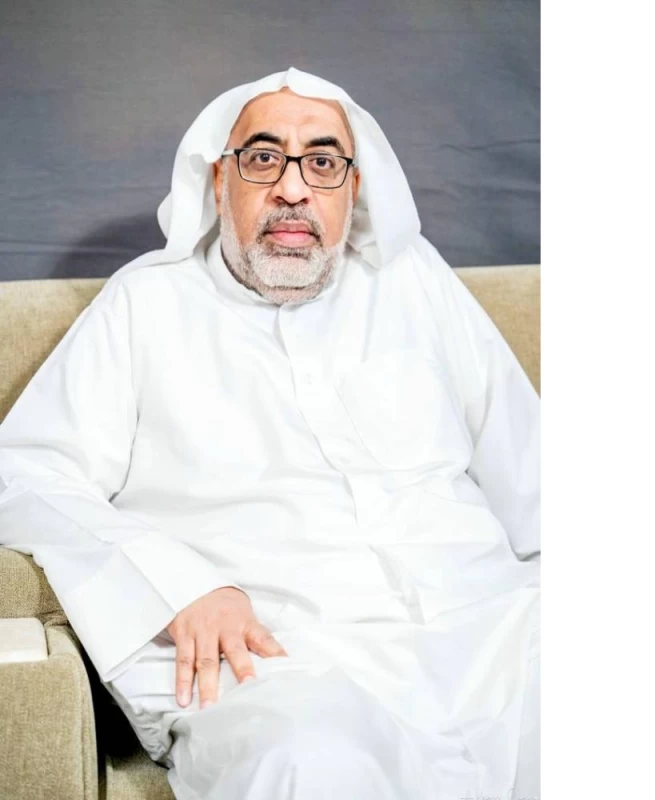
يرى الباحث الفلسفي محمد محفوظ، أن للأزمنة في الرؤية الإسلامية اعتبارات، بحكم ما يتلازم معها من توجيهات أو تشريعات خاصة بتلك اللحظة الزمنية، ومنها شهر رمضان الذي له خصوصية دينية واجتماعية تصبغ حياة الصائم والمجتمعات الإسلامية خلال شهر كامل، وتتبدل فيه الأولويات، وتتغير أو تتكيف فيه الأجندة اليومية.
وأوضح محفوظ، أن البارئ عز وجل ميّز الشهر الكريم بنعم إلهية فريدة، منها: أن الذنوب فيه مغفورة، والشياطين فيه مقيدة، ويكتب الله أنفاسنا فيه تسبيحاً، ونومنا عبادة، والصيام الذي من واجبات الشهر وفرائضه، يخلق الصفاء الروحي والنفسي، ويطور من إحساس الإنسان بالرقة والخشوع، وشهر رمضان وفق الرؤية الإسلامية، مدرسة تربوية وأخلاقية متكاملة، فعلى المستوى الأخلاقي فإن الرقة والرحمة للفقراء والمحتاجين تدخل قلب الصائم بعد الذي يراه من ألم الجوع والعطش، والالتفات إلى الشرائح الفقيرة والمحتاجة ومد يد العون والدعم لهم من تجليات الشهر الكريم، فرمضان شهر محاربة الفقر وليس الفقراء، بالعمل على إنهاء كل أسباب الفقر وموجباته المختلفة، فالصيام ينبغي أن لا يفتح شهيتنا لأكل ما لذ وطاب، وإنما ينبغي أن يفتح عقولنا وقلوبنا وأرواحنا لتحسس آلام المحتاجين والفقراء، والمبادرة إلى إنهاء معاناتهم.
الخير للجميع
وعدّ محفوظ من أبعاد رمضان الأخلاقية الانعتاق من الأنانية، وصناعة الخير للجميع، إذ إن المجتمع الذي التزم بفريضة الصيام يحرص على قوته وحصانته، فالمجتمع القوي معنوياً نتاج العبادات الصحيحة، والأخلاق الكريمة، وأثر من آثار التعبد، فالصوم يهيئ النفوس والعقول ويوفر الاستعداد التام للتغلب على المشكلات التي تواجه الإنسان في حياته.. ومحفّز لتعزيز البناء الأسري في مجتمعنا وزيادة أواصر العلاقة بين الأرحام، كون في هذه الخطوات عزة ومنعة لكل المجتمع.. لأن القوة الحقيقية في المجتمع من قوة البناء الأسري.
ودعا محفوظ إلى أن نخطو خطوات ونقوم بمبادرات تستهدف تقوية البناء الأسري في مجتمعنا.. إذ إنه كما أننا بحاجة أن نتحسس حاجات الناس المادية، نحن بحاجة أيضاً أن نتحسس حاجاتهم المعنوية والأخلاقية.. ولعل من أبرز هذه الحاجات حاجة الإنسان، رجلاً أو امرأة، إلى أسرة متحابة ومتضامنة ومتعاونة مع بعضها البعض.
الخروج من الهزيمة النفسية
أكد، أن رمضان فرصة للخروج من حالة الهزيمة النفسية التي ربما تعيشها مجتمعاتنا العربية والإسلامية.. إذ مهما كانت الظروف والأحوال، فينبغي أن لا ننكفئ على أنفسنا أو نعيش في مربع اليأس والإحباط.. فشهر رمضان هو شهر تغيير المعادلات، وكسر حالة اليأس والقنوط والإحباط.. فما يعيشه الإنسان من مساوئ أو صعوبات، ليس نهاية المطاف، وإنما هو حلقة من حلقات الوجود الإنساني، وبإمكاننا أن ننهي هذه الحلقة بالعمل الصالح والصمود أمام محن الحياة المختلفة، كون الإنسان اليائس يهزم نفسه بيأسه، والإنسان المحبط ينهي عناصر قوته الذاتية بإحباطه، وإن المطلوب ومن وحي شهر رمضان المبارك أن تبقى إرادتنا صلبة ونفسيتنا عالية، كي لا تتمكن عناصر اليأس والإحباط من التسلل إلينا.
ويرى محفوظ، أن رمضان مناسبة لكي تتجه جهود كل واحد منا لإصلاح أوضاعه وسد ثغراته ومعالجة بعض عيوبه ويطور من علاقته بالخالق عز وجل، وتطوير ذواتنا ومعالجة بعض عيوبنا ونواقصنا.. فالإنسان القاطع رحمه بإمكانه أن ينهي حالة القطيعة مع أرحامه، والبخيل بإمكانه أن يتعلم ويتدرب ويتربى على الكرم، والغافل عن عبادته، أو المستهتر بفرائضه، بإمكانه أن ينهي هذه الغفلة والاستهتار خلال الشهر الكريم. فهو شهر تتوفر فيه كل الفرص، لكي نربي ذواتنا على الخير بكل مجالاته ومستوياته.
The philosophical researcher Mohamed Mahfouz believes that time has considerations in the Islamic perspective, due to the accompanying directives or legislations specific to that moment in time, including the month of Ramadan, which has a unique religious and social significance that colors the lives of the fasting individuals and Islamic communities for an entire month. During this time, priorities shift, and daily agendas change or adapt.
Mahfouz explained that the Almighty has distinguished this holy month with unique divine blessings, including: that sins are forgiven in it, the devils are chained, and God records our breaths as glorification, our sleep as worship, and the fasting, which is one of the obligations and duties of the month, creates spiritual and psychological purity, and enhances a person's sense of tenderness and humility. According to the Islamic perspective, Ramadan is a comprehensive educational and moral school. On the ethical level, tenderness and compassion for the poor and needy enter the heart of the fasting person after witnessing the pain of hunger and thirst, and paying attention to the poor and needy and extending a helping hand to them is one of the manifestations of this holy month. Ramadan is a month of fighting poverty, not the poor, by working to eliminate all the causes and necessities of poverty. Fasting should not open our appetite to eat what is delicious and delightful, but rather it should open our minds, hearts, and souls to feel the pain of the needy and the poor, and to take the initiative to end their suffering.
Goodness for All
Mahfouz considered one of the moral dimensions of Ramadan to be liberation from selfishness and the creation of goodness for everyone. A community that adheres to the obligation of fasting is keen on its strength and immunity. A morally strong community is the result of correct worship and noble morals, and it is one of the effects of devotion. Fasting prepares souls and minds and provides complete readiness to overcome the problems that a person faces in life. It is a motivator to strengthen family ties in our society and to increase the bonds of relationship among relatives, as these steps bring dignity and strength to the entire community. True strength in society comes from the strength of family building.
Mahfouz called for us to take steps and initiate initiatives aimed at strengthening family building in our society. Just as we need to sense the material needs of people, we also need to sense their moral and ethical needs. Perhaps one of the most prominent of these needs is a person's, whether male or female, need for a loving, supportive, and cooperative family.
Overcoming Psychological Defeat
He emphasized that Ramadan is an opportunity to overcome the state of psychological defeat that our Arab and Islamic communities may be experiencing. No matter the circumstances and conditions, we should not retreat into ourselves or live in a square of despair and frustration. Ramadan is the month of changing equations and breaking the state of despair and hopelessness. What a person experiences in terms of misfortunes or difficulties is not the end of the road, but rather a link in the chain of human existence. We can end this link through good deeds and resilience in the face of life's various trials, as a desperate person defeats themselves with their despair, and a frustrated person ends the elements of their self-strength with their frustration. What is required, inspired by the blessed month of Ramadan, is that our will remains strong and our spirits high, so that the elements of despair and frustration do not manage to infiltrate us.
Mahfouz sees Ramadan as an occasion for each of us to direct our efforts towards improving our situations, closing our gaps, addressing some of our flaws, and developing our relationship with the Almighty. It is a time for self-improvement and addressing some of our shortcomings. The person who has severed ties with their relatives can end this estrangement, the miser can learn, train, and cultivate generosity, and the one who is neglectful of their worship or careless about their obligations can end this neglect and carelessness during this holy month. It is a month filled with opportunities to nurture ourselves towards goodness in all its fields and levels.