هل شعرت يوماً أن حذاءك أصبح ضيقاً ولم تعد قادراً على لبسه؟! هل لاحظت علامات غائرة على جلد قدمك بعد خلع الجورب «الشراب»؟
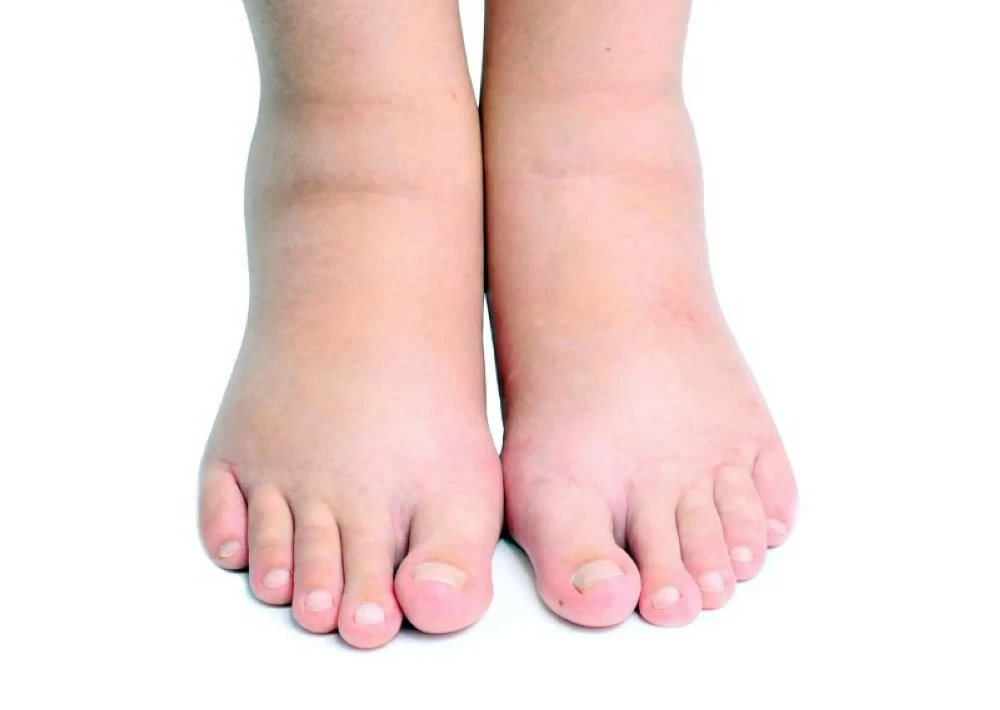
ما يحدث هو انتفاخ للقدمين يعرف طبياً باسم «الوذمة» ناتجة عن تجمع كميات غير طبيعية من السوائل في أنسجة القدم والكاحل، وبحسب الأطباء المختصين يكون التورم «الانتفاخ» بسيطاً ومرتبطاً بعوامل يومية، لكنه قد يكون مؤشراً على وجود مشاكل صحية تتطلب المتابعة.
انتفاخ القدمين يخفي خلفه حكاية صحية تستحق الانتباه والالتفات ومراجعة الطبيب، لكشف الستار عن لغز ذلك الانتفاخ الذي يعجز الجسد في بعض الأحيان أن يتحدث عنه، ويكتفي فقط بإرسال علامات من خلال انتفاخات وخطوط مطبوعة على الجلد.
فانتفاخ القدمين ظاهرة، والمزعج هو البحث عن أسبابها، خصوصاً أن بعض الأطباء يعزون ذلك إلى وجود احتباس في المياه، والبعض الآخر إلى قصور في القلب أو الكلى. وبين هذا وذاك قررت «عكاظ» أن تفك شفرة هذا الانتفاخ والتفريق بين التعب العابر والمرض الساكن، ومن ذلك حملت أدواتها وطرقت أبواب الأطباء المختصين للكشف عن الخيط الرفيع بين التعب العابر، وبين مؤشرات الخطر التي تستوجب الاستنفار الطبي.
احتباس السوائل في الساقين
استشاري جراحة الأوعية الدموية والقسطرة التداخلية الطرفية الدكتور أحمد عرفات، وصف الانتفاخ بأنه تورم ناتج عن احتباس للسوائل في أنسجة الساقين، تحدث غالباً في القدمين والكاحلين والساقين، وتُصيب أجزاءً أخرى من الجسم، مثل الوجه واليدين والبطن، وهي أكثر شيوعاً بين النساء الحوامل وممن تبلغ أعمارهم 65 عاماً فأكثر، وتتسبب هذه الانتفاخات في بعض الأحيان في إعاقة الإنسان عن إنجاز مهماته اليومية،
وإن كان في بعض الآحيان يكون التورم نتيجة لمجهود زائد للجسم من جلوس أو وقوف لمدة طويلة، وأحياناً يكون إشارة لوجود مرض كامن وهنا لا بد من مراجعة الطبيب. استشاري جراحة الأوعية الدموية الدكتور عرفات، أشار إلى أن أعراض الانتفاخ تظهر عندما يكبر جزء من الجسم نتيجة تراكم السوائل في الأنسجة، وغالباً ما يصيب القدمين والكاحلين والساقين، وزيادة حجم منطقة من الجسم عن حجمها قبل يوم، وظهور للجلد فوق المنطقة المتورمة بمظهر مشدود ولامع، مع صعوبة المشي في حال تورم الساقين أو الكاحلين أو القدمين، وقد يعاني الشخص المصاب بالانتفاخات من سعال أو صعوبة في التنفس، وشعور بالامتلاء أو الشد في الجزء المتورم من الجسم، وألم خفيف بالمنطقة المصابة.
الراحة المفرطة.. سبب
استشاري جراحة الأوعية الدموية الدكتور عرفات، أوضح أن أسباب الانتفاخات عديدة؛ منها الجلوس أو الوقوف لأوقات طويلة في مكان واحد دون حراك، إذ يتراكم الماء في الذراعين والساقين والقدمين، ومن الأسباب أيضاً، ضعف صمامات الأوردة، فعندما تضعف صمامات الأوردة، يصعب عليها ضخ الدم عائداً إلى القلب، ما يؤدي إلى ظهور الدوالي وتراكم السوائل في الساقين، وكذلك الانسداد الحاد والمزمن بأوردة الساقين (الجلطة الوريدية)، وتتكون جلطات الأوردة العميقة عندما يصبح تدفق الدم بطيئاً لأسباب عديدة، أهمها: الراحة بالسرير لفترة أكثر من 48 ساعة، خصوصاً بعد العمليات الكبرى، أثناء رحلة تمتد لأكثر من أربع ساعات، وتركيب قسطرة الغسيل الكلوي أو العلاج الكيماوي، والسرطان وبعض الأمراض الأخرى، الى جانب العوامل الوراثية التي تسمى حالات فرط التجلط، والهرمونات؛ فالوذمة اللمفاوية (الانتفاخات) هي تراكم السائل الليمفاوي الغني بالبروتين في الأنسجة الرخوة، غالباً بالذراعين أو الساقين، نتيجة لإعاقة سريان السائل اللمفاوي داخل الأوعية اللمفاوية بواسطة الغدد المتضخمة، أو إزالة الغدد اللمفاوية جراحياً، أو لأسباب وراثية تؤثر على اكتمال نمو الأوعية اللمفاوية، فيتراكم السائل الليمفاوي يسبب التورم. وتُعد الوذمة أحد أعراض بعض الحالات المرضية مثل قصور القلب وأمراض الرئة والكبد والكلى والغدة الدرقية، فيما تتسبب بعض الأدوية كأثر جانبي، وسوء التغذية إذا كان غير متوازن غذائياً أو غنياً بالملح (الصوديوم)، إذ تتراكم السوائل في أجزاء مختلفة من الجسم، وأثناء الحمل نتيجة ضغط الرحم على الأوعية الدموية في الجزء السفلي من الجسم، وفي حالات ضعف جهاز المناعة.
وسادة تحت الساقين
لعلاج الانتفاخات يقول الاستشاري الدكتور عرفات: إن العلاج يختلف باختلاف السبب، فمتى كان السبب مرتبطاً بمرض الرئة مثل السدة الرئوية المزمنة أو التهاب الشعب الهوائية المزمن، وفي حال وجود قصور في القلب، ينصح بإجراء تغييرات في نمط الحياة بمراقبة الوزن، وكمية السوائل المتناولة، وكذا الملح، إضافة إلى إخضاع القلب لعلاجات، كدعامات للشريان التاجي، أو تغيير أحد صمامات القلب تداخلياً، أو جراحياً إن استدعى الأمر، وفي حال كان التورم بسبب دوالي الساقين هنا تتدخل إحدى تقنيات الليزر أو التردد الحراري أو الميكروويف أو الكلاكس للعلاج، أما إذا كان الانتفاخ بسبب انسداد الأوردة أسفل مستوى الحوض بالساقين، فيُكتفى بالأدوية المانعة للتجلط، مع ارتداء الجورب الضاغط بالساقين، وفي حال كان بمستوى الأوردة الحرقفية بالحوض، يفضل إجراء تدخل بالقسطرة لإذابة الجلطة المسببة للتورم، وعمل دعامة بالأوردة الحرقفية لعلاج ضيق الأوردة المسبب للجلطة.
ضيق في التنفس
التداخلية الطرفية الدكتور عرفات، أضاف أن علاج التورم يتم من خلال جلسات العلاج الطبيعي المخفف للاحتقان، وارتداء جورب طبي ضاغط بمواصفات قياسية مناسبة للوذمة اللمفاوية، وفي بعض الحالات يتم إجراء جراحة ميكروسكوبية لزراعة الغدد اللمفاوية، أو توصيل الأوعية اللمفاوية بالأوردة، وإذا كان التورم ناتجاً عن أثر لدواء يتم إيقاف تناوله. ناصحاً بالتخفيف من الانتفاخات من خلال وضع وسادة تحت الساقين لرفعها فوق مستوى القلب عند الجلوس أو الاستلقاء، وتجنب الجلوس أو الوقوف فترات طويلة دون حركة، أو المشي لمسافات قصيرة، مع ضرورة مراجعة الطبيب في حال الشعور بألم أو تغير في لون الجلد في المنطقة المتورمة، أو ظهور جرح مفتوح في المنطقة المتورمة، أو ضيق في التنفس، أو تورم في طرف واحد فقط، أو صعوبة في المشي أو الحركة.
شائع لدى النساء
استشاري جراحة الأوعية الدموية الدكتور علاء لطفي، أوضح أن انتفاخ القدمين هو تجمع للسوائل في الأنسجة، وأبرز أسبابه: قصور الدورة الدموية الوريدية، وهو شائع لدى النساء وزائدي الوزن، ومن يقفون أو يجلسون لفترات طويلة، إلى جانب قصور القلب، وأمراض الكلى أو الكبد، والحمل، وتناول بعض الأدوية كأدوية الضغط، والكورتيزون، أو المسكنات، وعلاجه يعتمد على السبب، وهناك بعض الطرق الوقائية منها رفع القدمين، وتخفيف الوزن، والحركة المنتظمة، واستخدام الجوارب الطبية الضاغطة، وتقليل الملح في الغذاء، وعلاج السبب الأساسي دوائياً أو جراحياً عند الحاجة.
وأشار استشاري جراحة الأوعية الدموية الدكتور لطفي، إلى أن للملابس الضيقة دوراً في إعاقة تدفق الدم، خصوصاً الضيقة حول الخصر والفخذين فقد تعيق رجوع الدم الوريدي، ما يؤدي إلى زيادة الضغط في أوردة الساقين وظهور الانتفاخات، ومع الاستمرار قد تسهم في تفاقم القصور الوريدي المزمن.
ويؤكد الدكتور علاء أن للجلطات الدموية في الساق دوراً في انتفاخ القدمين خصوصاً الجلطات العميقة وغالباً تكون مصحوبة بألم، واحمرار، وسخونة في ساق واحدة، وتحتاج إلى تشخيص وعلاج عاجل، مشيراً إلى أن انتفاخ القدمين شائع مع التقدم في العمر، أو زيادة الوزن، وغالباً يكون بسيطاً، لكنه قد يكون مؤشراً إلى مرض مزمن إذا استمر أو ازداد سوءاً.
ويختم استشاري جراحة الأوعية الدموية الدكتور علاء بأن حالات القلق من انتفاخات القدمين تظهر عند ظهور تورم مفاجئ أو في ساق واحدة فقط، أو وجود ألم شديد أو تغير لون الجلد، مع ضيق تنفس أو ألم في الصدر واستمرار التورم رغم الراحة ورفع القدمين، ويكون تورم القدمين عند كبار السن إشارة الى أمراض القلب أو الكلى أو الجلطات، ويعد خطيراً إذا كان متزايداً، ومؤلماً، أو مصحوباً بأعراض عامة مثل التعب أو ضيق التنفس، ويستدعي الأمر تقييماً طبياً عاجلاً، لذلك دائماً ننصح بعدم إهمال أي عارض صحي، والحرص على التشخيص المبكر للوقاية من أي مضاعفات مستقبلية خطرة على الصحة.
خطير في هذه الحالة
الطبيب المقيم في طب وجراحة المسالك البولية بمستشفى الملك فهد العام بجدة الدكتور صالح الجهني، يرى أن الأملاح لا تسبب انتفاخ القدمين، فالانتفاخ يحدث نتيجة التهابات في المسالك البولية أو صعوبات في التبول، أو يكون لها دور في انتفاخ القدمين على المدى البعيد إذا حدث ضرر للكلى. ويكون تورم القدمين خطيراً على صحة الإنسان في حال صاحبته أعراض ضيق في التنفس في وضعية الجلوس أو الاستلقاء، وظهور آلام شديدة أو احمرار في القدم، أو حصول الانتفاخ في قدم واحدة، أو ارتفاع في درجة الحرارة، مشدداً على أهمية مراجعة الطبيب في حال حدوث هذه الأعراض، وموضحاً أن بعض الأدوية قد تتسبب في انتفاخ للقدمين ولكنه يكون قابلاً للتحسن حال التوقف عن تناوله.
ويضيف طبيب جراحة المسالك البولية بمستشفى الملك فهد العام بجدة الدكتور الجهني، أن للأمراض المزمنة دوراً في انتفاخ القدمين نتيجة تسببها في احتباس السوائل في الجسم، وبالتالي ظهور انتفاخات في القدمين، قد تشكل خطورة في حالات جلطات القدم ومن الممكن أن تنتقل للرئتين وتهدد حياة المريض.
وأشار الطبيب المقيم في طب
وجراحة المسالك البولية الدكتور الجهني، إلى أن ظهور هذه الانتفاخات بشكل واضح لدى زائدي الوزن يعود إلى قلة الحركة وربما الإصابة بأمراض في القلب أو الكلى أو تأثر في الأوعية الدموية أو الأوعية اللمفاوية، وبالتالي حصول انتفاخات القدمين، وفي حالة الحوامل تعود معظم الانتفاخات إلى تغيرات هرمونية تسبب تجمعاً بسيطاً للسوائل خصوصاً في القدمين مع أسباب أخرى.
Have you ever felt that your shoes have become tight and you can no longer wear them?! Have you noticed indentations on the skin of your foot after taking off your sock?
What happens is swelling of the feet, medically known as "edema," resulting from the accumulation of abnormal amounts of fluid in the tissues of the foot and ankle. According to specialized doctors, the swelling is often mild and related to daily factors, but it can also be an indicator of underlying health issues that require monitoring.
Swelling of the feet hides a health story that deserves attention and a visit to the doctor to uncover the mystery of that swelling, which the body sometimes cannot articulate, only sending signals through swellings and lines printed on the skin.
Swelling of the feet is a phenomenon, and the challenge lies in searching for its causes, especially since some doctors attribute it to fluid retention, while others link it to heart or kidney failure. Between these perspectives, "Okaz" decided to decode this swelling and differentiate between transient fatigue and underlying disease, thus taking its tools and knocking on the doors of specialized doctors to reveal the thin line between transient fatigue and danger signs that necessitate medical alert.
Fluid Retention in the Legs
Consultant vascular surgeon and interventional peripheral catheterization Dr. Ahmed Arafat described the swelling as an enlargement resulting from fluid retention in the tissues of the legs, often occurring in the feet, ankles, and legs, and can affect other parts of the body, such as the face, hands, and abdomen. It is more common among pregnant women and those aged 65 and older, and this swelling can sometimes hinder a person from completing their daily tasks.
Sometimes, the swelling may result from excessive physical effort due to prolonged sitting or standing, and at other times, it may signal the presence of an underlying disease, which necessitates a doctor's visit. Consultant vascular surgeon Dr. Arafat pointed out that the symptoms of swelling appear when a part of the body enlarges due to fluid accumulation in the tissues, often affecting the feet, ankles, and legs, with an increase in the size of an area of the body compared to its size the previous day, and the skin over the swollen area appearing tight and shiny, with difficulty walking if the legs, ankles, or feet are swollen. The person experiencing the swelling may also suffer from a cough or difficulty breathing, a feeling of fullness or tightness in the swollen part of the body, and mild pain in the affected area.
Excessive Rest.. A Cause
Consultant vascular surgeon Dr. Arafat explained that the causes of swelling are numerous; among them is sitting or standing for long periods in one place without movement, which causes fluid to accumulate in the arms, legs, and feet. Other causes include weakened vein valves; when vein valves weaken, it becomes difficult for them to pump blood back to the heart, leading to the appearance of varicose veins and fluid accumulation in the legs. Additionally, acute and chronic obstruction of the leg veins (venous thrombosis) occurs when blood flow slows for various reasons, the most important of which are: prolonged bed rest for more than 48 hours, especially after major surgeries, during journeys lasting more than four hours, the placement of a dialysis catheter, or chemotherapy, as well as cancer and some other diseases, alongside genetic factors known as hypercoagulable states, and hormones; lymphedema (swelling) is the accumulation of protein-rich lymphatic fluid in soft tissues, often in the arms or legs, due to obstruction of lymphatic fluid flow within the lymphatic vessels by enlarged glands, surgical removal of lymph nodes, or genetic reasons affecting the complete growth of lymphatic vessels, causing lymphatic fluid accumulation that leads to swelling. Edema is one of the symptoms of certain medical conditions such as heart failure, lung diseases, liver and kidney diseases, and thyroid disorders, while some medications may cause it as a side effect, and malnutrition if it is unbalanced or high in salt (sodium), leading to fluid accumulation in various parts of the body, and during pregnancy due to pressure from the uterus on the blood vessels in the lower part of the body, and in cases of immune system weakness.
Pillow Under the Legs
To treat swelling, consultant Dr. Arafat says that treatment varies depending on the cause. If the cause is related to lung disease such as chronic obstructive pulmonary disease or chronic bronchitis, or in cases of heart failure, lifestyle changes are recommended, such as monitoring weight, fluid intake, and salt intake, in addition to subjecting the heart to treatments, such as stents for coronary arteries, or surgically repairing one of the heart valves if necessary. If the swelling is due to varicose veins in the legs, one of the laser, thermal, microwave, or clax techniques may be used for treatment. If the swelling is due to obstruction of the veins below the pelvic level in the legs, anticoagulant medications are sufficient, along with wearing compression stockings on the legs. If it is at the level of the pelvic veins, catheter intervention is preferred to dissolve the clot causing the swelling, and to place a stent in the pelvic veins to treat the narrowing of the veins causing the clot.
Shortness of Breath
Interventional peripheral Dr. Arafat added that swelling treatment is done through sessions of physical therapy to relieve congestion, and wearing a medical compression stocking with specifications suitable for lymphedema. In some cases, microscopic surgery is performed to implant lymph nodes or connect lymphatic vessels to veins. If the swelling is due to a medication effect, it should be discontinued. He advises alleviating swelling by placing a pillow under the legs to elevate them above heart level when sitting or lying down, avoiding sitting or standing for long periods without movement, or walking short distances, with the necessity of consulting a doctor if there is pain or a change in skin color in the swollen area, or the appearance of an open wound in the swollen area, or shortness of breath, or swelling in only one limb, or difficulty walking or moving.
Common Among Women
Consultant vascular surgeon Dr. Alaa Lotfy explained that swelling of the feet is the accumulation of fluids in the tissues, with the most prominent causes being venous circulation failure, which is common among women and those who are overweight, as well as those who stand or sit for long periods, alongside heart failure, kidney or liver diseases, pregnancy, and taking certain medications such as blood pressure medications, corticosteroids, or pain relievers. Treatment depends on the cause, and there are some preventive measures including elevating the feet, losing weight, regular movement, using compression stockings, and reducing salt in the diet, as well as treating the underlying cause medically or surgically when necessary.
Consultant vascular surgeon Dr. Lotfy pointed out that tight clothing plays a role in obstructing blood flow, especially tight clothing around the waist and thighs, which can hinder venous blood return, leading to increased pressure in the leg veins and the appearance of swellings. If continued, it may contribute to the worsening of chronic venous insufficiency.
Dr. Alaa confirms that blood clots in the legs play a role in foot swelling, especially deep clots, which are often accompanied by pain, redness, and warmth in one leg, requiring urgent diagnosis and treatment. He noted that swelling of the feet is common with aging or weight gain, and is often mild, but it may indicate a chronic disease if it persists or worsens.
Consultant vascular surgeon Dr. Alaa concludes that anxiety over foot swelling arises when sudden swelling appears or in only one leg, or when there is severe pain or a change in skin color, along with shortness of breath or chest pain, and persistent swelling despite rest and elevating the feet. Swelling of the feet in the elderly is a sign of heart or kidney diseases or clots, and it is considered dangerous if it is increasing, painful, or accompanied by general symptoms such as fatigue or shortness of breath, necessitating urgent medical evaluation. Therefore, we always advise not to neglect any health symptom and to ensure early diagnosis to prevent any future complications that could be dangerous to health.
Dangerous in This Case
The resident physician in urology at King Fahd General Hospital in Jeddah, Dr. Saleh Al-Juhani, believes that salts do not cause foot swelling; rather, swelling occurs due to inflammation in the urinary tract or difficulties in urination, or they may play a role in foot swelling in the long term if kidney damage occurs. Swelling of the feet is dangerous to human health if accompanied by symptoms of shortness of breath in a sitting or lying position, severe pain or redness in the foot, swelling in one foot, or fever, emphasizing the importance of consulting a doctor if these symptoms occur, and explaining that some medications may cause foot swelling, but it can improve if discontinued.
Dr. Al-Juhani adds that chronic diseases play a role in foot swelling due to causing fluid retention in the body, leading to swelling in the feet, which can be dangerous in cases of foot clots that may travel to the lungs and threaten the patient's life.
The resident physician in urology, Dr. Al-Juhani, noted that the clear appearance of these swellings in overweight individuals is due to lack of movement and possibly the presence of heart or kidney diseases or damage to blood vessels or lymphatic vessels, leading to foot swelling. In pregnant women, most swellings are due to hormonal changes that cause slight fluid accumulation, especially in the feet, along with other causes.