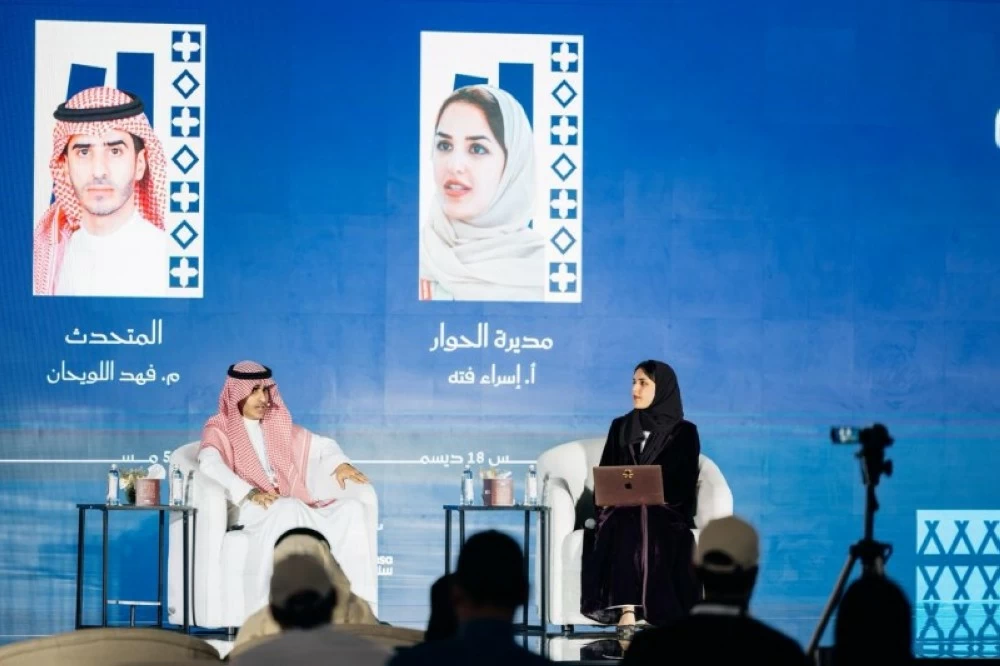
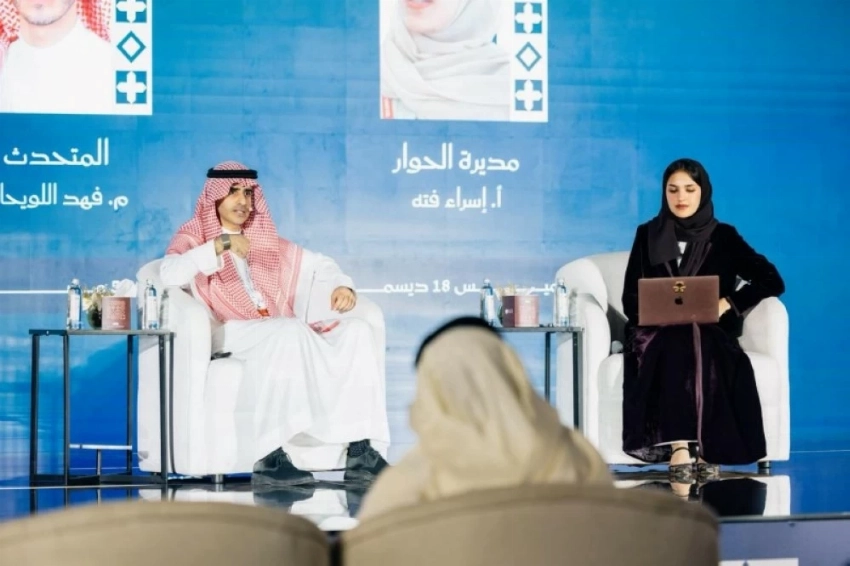
شهد معرض جدة للكتاب 2025 ندوة حوارية بعنوان «ملامح الهوية في العمارة السعودية المعاصرة»، تحدث فيها المهندس فهد اللويحان، وأدارتها الأستاذة إسراء فته، ضمن البرنامج الثقافي المصاحب للمعرض، الذي تنظمه هيئة الأدب والنشر والترجمة.
ودارت مجريات الحوار حول محاور رئيسية، كان من أهمها مفهوم الهوية في العمارة السعودية المعاصرة، ودور التقنيات الحديثة في إعادة تشكيل العمارة المحلية دون الإخلال بالهوية، وتأثير المشاريع الوطنية الكبرى في بناء ملامح عمرانية جديدة، إضافة إلى الاستدامة وجودة الحياة بوصفهما جزءاً أصيلاً من الهوية المعمارية السعودية الحديثة.
وفي ضوء ذلك، استعرض اللويحان ملامح الهوية المعمارية السعودية في سياقها المعاصر، كما ناقش كيفية تجذير القيم العمرانية المحلية المستمدة من البيئة والثقافة السعودية، مع المواءمة بينها وبين متطلبات الحداثة والتقنية والاستدامة، انسجاماً مع المبادئ التي يؤكدها ميثاق الملك سلمان العمراني، وفي مقدمتها الأصالة والاستمرارية، وملاءمة العيش والبعد الإنساني، والاستدامة والابتكار.
وقدّم عدداً من التجارب العملية المرتبطة بالمشاريع الوطنية الكبرى، متناولاً دور المعماري والمخطط الحضري في ترجمة ميثاق الملك سلمان للعمارة والعمران، إلى ممارسات تصميمية تسهم في صياغة مشهد عمراني معاصر، يعكس هوية المملكة ويواكب تطلعات المستقبل.
وفي ختام الجلسة، شدد اللويحان على أن ميثاق الملك سلمان للعمارة والعمران يشكل إطاراً مرجعياً مهماً لتوجيه العمارة السعودية المعاصرة، ويعزز قدرتها على الجمع بين الأصالة والمعاصرة والتراث والابتكار، مؤكداً أن العمارة اليوم أضحت منظومة متكاملة تترجم هوية الوطن، وتسهم في بناء مدن إنسانية مستدامة للأجيال القادمة.
The Jeddah Book Fair 2025 hosted a panel discussion titled "Features of Identity in Contemporary Saudi Architecture," featuring engineer Fahd Al-Luhaidan, and moderated by Ms. Israa Fattah, as part of the cultural program accompanying the fair, organized by the Literature, Publishing, and Translation Commission.
The dialogue revolved around key themes, the most important of which were the concept of identity in contemporary Saudi architecture, the role of modern technologies in reshaping local architecture without compromising identity, the impact of major national projects in creating new architectural features, in addition to sustainability and quality of life as integral parts of modern Saudi architectural identity.
In this context, Al-Luhaidan reviewed the features of Saudi architectural identity in its contemporary context, discussing how to root local architectural values derived from the Saudi environment and culture, while aligning them with the requirements of modernity, technology, and sustainability, in harmony with the principles emphasized by the King Salman Urban Charter, foremost among them being authenticity and continuity, livability, human dimension, sustainability, and innovation.
He presented several practical experiences related to major national projects, addressing the role of the architect and urban planner in translating the King Salman Charter for Architecture and Urbanism into design practices that contribute to shaping a contemporary urban landscape that reflects the identity of the Kingdom and meets future aspirations.
At the end of the session, Al-Luhaidan emphasized that the King Salman Charter for Architecture and Urbanism serves as an important reference framework for guiding contemporary Saudi architecture, enhancing its ability to combine authenticity with modernity, heritage with innovation, affirming that architecture today has become an integrated system that translates the identity of the nation and contributes to building sustainable human cities for future generations.