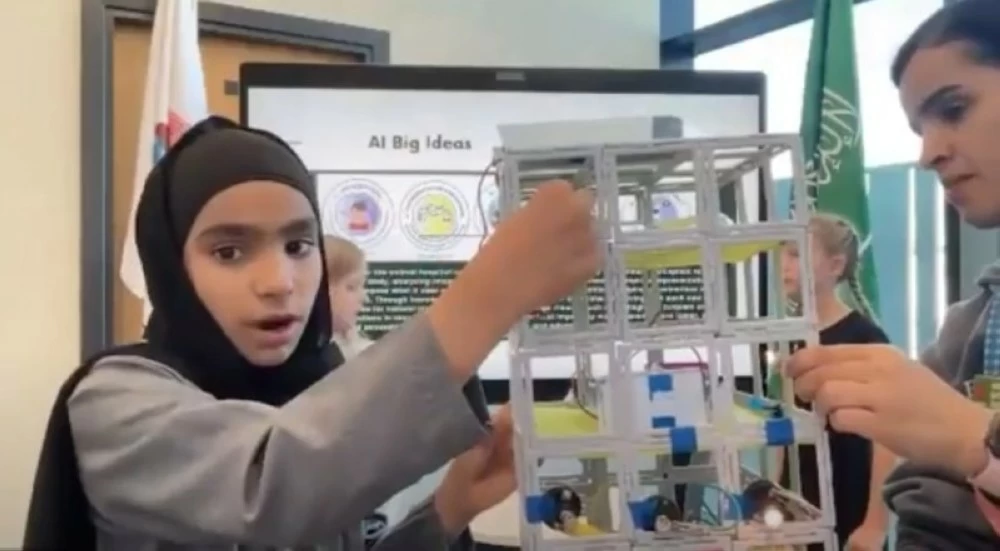
تُوِّجت السعودية بالمركز الأول عالمياً في مسابقة الذكاء الاصطناعي العالمية للشباب WAICY 2025، بعد تحقيقها 26 جائزة في المسابقة، متقدمةً على الولايات المتحدة الأمريكية التي جاءت في المركز الثاني، وإندونيسيا التي حلَّت ثالثاً، وكندا وباكستان اللتين حلتا رابعاً، في إنجاز جديد يضاف إلى سلسلة الإنجازات التي حققتها المملكة في مجال الذكاء الاصطناعي على المستوى العالمي.
وشهدت الدورة الحالية للمسابقة تقديم أكثر من 10 آلاف مشروع مبتكر يعتمد على تقنيات الذكاء الاصطناعي، تناولت موضوعات وقضايا متنوعة تمس مستقبل الإنسان والكوكب، شملت المناخ، والصحة، والتعليم، والثقافة، والابتكار المجتمعي، ضمن 4 مسارات رئيسة، هي: عرض مشاريع الذكاء الاصطناعي، والفنون المنتجة بالذكاء الاصطناعي، والفيديوهات المنتجة بالذكاء الاصطناعي، ومسار النماذج اللغوية الكبيرة (LLMs).
مسابقة WAICY واحدةً من أضخم المسابقات الدولية.
18 ألف طالب وطالبة
وحصلت المملكة على المركز الأول: عبر 26 جائزة حققها أكثر من 18 ألف طالب وطالبة من مختلف المراحل التعليمية ونالوا 11 ميدالية، وابتكروا 163 مشروعاً نافسوا نظراءهم حتى وصلوا إلى النهائيات، وفي المركز الثاني: الولايات المتحدة الأمريكية بـ 24 جائزة، ثم المركز الثالث: إندونيسيا 7 جوائز، تلتها: كندا وباكستان (5 جوائز لكل منهما)، الهند وقطر 3 جوائز، أرمينيا والبرتغال ونيجيريا والصين واليونان وكوريا الجنوبية بـ(جائزتين لكل دولة)، فيما حققت كل من بريطانيا، المكسيك، هونغ كونغ، بنغلاديش، مصر، تونس، كينيا، ليبيا، وإيران جائزة واحدة لكل دولة.
مجالات عدة
وتنوعت المشاريع الفائزة الـ26 في مجالات وموضوعات عدة، شملت إنشاء: الفيديوهات بالذكاء الاصطناعي، والنماذج اللغوية الكبيرة، والمشاريع الثقافية التي تمحورت حول التراث النجدي، إضافةً إلى جوائز في مسارات الفن المنتج بالذكاء الاصطناعي، وغيرها من المجالات التي تميزت جميعها لتحقق المركز الأول عالمياً في المسابقة.
يذكر أن مسابقة WAICY واحدةً من أضخم المسابقات الدولية في هذا المجال، إذ تستهدف تعزيز قدرات الطلاب على الابتكار ومعالجة القضايا المستقبلية؛ وشهدت هذا العام تأهّل 132 ألف طالب وطالبة إلى المرحلة النهائية من 103 دول، بمشاركة فاعلة لأكثر من 4 آلاف معلم أسهموا في الإشراف والتوجيه.
Saudi Arabia was crowned first in the world in the WAICY 2025 Global Artificial Intelligence Competition for Youth, after winning 26 awards in the competition, surpassing the United States, which came in second place, and Indonesia, which ranked third, along with Canada and Pakistan, which both placed fourth, in a new achievement added to the series of accomplishments the Kingdom has achieved in the field of artificial intelligence on a global level.
In the current edition of the competition, more than 10,000 innovative projects utilizing artificial intelligence technologies were presented, addressing various topics and issues that affect the future of humanity and the planet, including climate, health, education, culture, and community innovation, within four main tracks: showcasing artificial intelligence projects, AI-generated arts, AI-generated videos, and the large language models (LLMs) track.
مسابقة WAICY واحدةً من أضخم المسابقات الدولية.
18,000 Students
The Kingdom secured first place by achieving 26 awards won by more than 18,000 students from various educational stages, who earned 11 medals and innovated 163 projects that competed against their peers to reach the finals. In second place: the United States with 24 awards, followed by third place: Indonesia with 7 awards, then Canada and Pakistan (5 awards each), India and Qatar with 3 awards, and Armenia, Portugal, Nigeria, China, Greece, and South Korea with (2 awards each), while the UK, Mexico, Hong Kong, Bangladesh, Egypt, Tunisia, Kenya, Libya, and Iran each achieved one award.
Various Fields
The 26 winning projects varied across several fields and topics, including the creation of: AI-generated videos, large language models, cultural projects centered around Najdi heritage, in addition to awards in the AI-generated arts track, and other fields that all excelled to achieve first place globally in the competition.
It is noteworthy that the WAICY competition is one of the largest international competitions in this field, aiming to enhance students' abilities to innovate and address future issues; this year, 132,000 students from 103 countries qualified for the final stage, with active participation from more than 4,000 teachers who contributed to supervision and guidance.