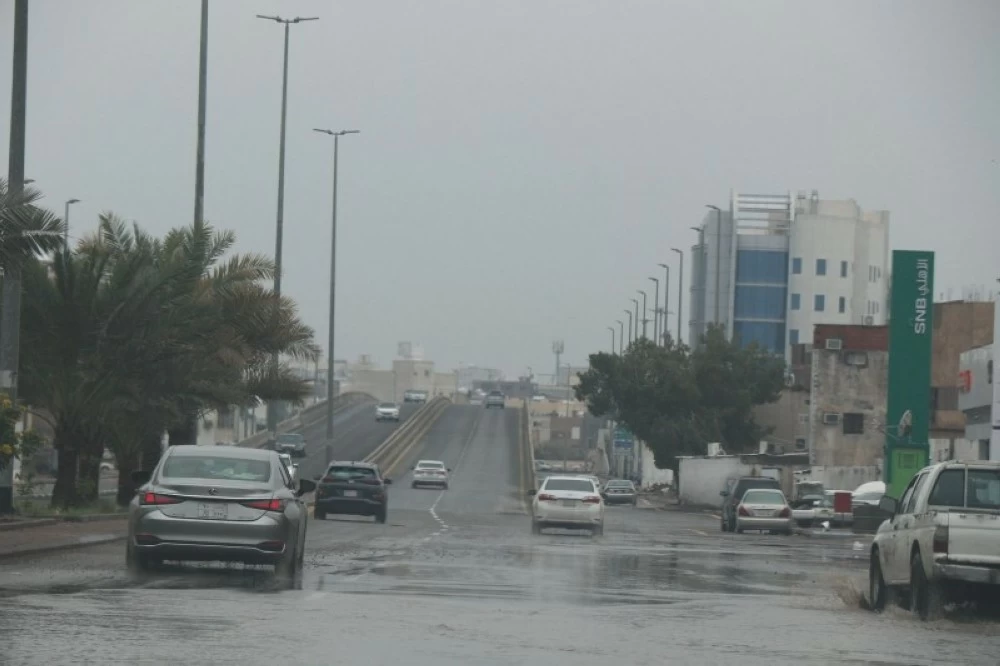
أصدر الدفاع المدني أمس إنذاراً أحمراً للتنبيه من أمطار غزيرة على المدينة المنورة، ودعا إلى توخي الحيطة واتباع الإرشادات إثر الحالة المناخية التي تشهدها أجزاء من المنطقة، وأكد ضرورة الابتعاد عن تجمعات المياه.
في الوقت الذي تشهد فيه بعد أحياء المدينة الواقعة بالقرب من الأودية وتتأثر من جراء السيول الغزيرة، وكذلك بعض الطرقات الرئيسية، مثل طريق السلام الذي يعتبر الشريان الرئيسي للحركة بين الجهة الغربية ووسط المدينة. ويتكرر المشهد كذلك على الطريق الدائري الثاني الذي غالباً ما يتأثر بتجمعات المياه مما يعيق الحركة المرورية إذا كانت هناك كثافة مطرية.
«عكاظ» استطلعت آراء عدد من المختصين والباحثين حول الحلول المقترحة والأحياء والطرقات والشوارع التي تتأثر غالباً من جراء هطول الأمطار الغزيرة.
سوء تصريف المياه
نائب رئيس المجلس البلدي والباحث التاريخي الدكتور محمد أنور البكري أوضح أن حي تلعة الهبوب يُعد من الأحياء التي تضررت بشكل خاص جراء السيول القوية نظراً لوقوعه تحت جبل أحد، موضحاً وجود أحياء تعاني من سوء تصريف المياه وتجمعات للمياه على الطرقات بسبب الأمطار الغزيرة، مثل أحياء العزيزية والمعيقلة وعروة، فيما تتأثر بعض الطرق ومنها طريق السلام والدائري الثاني وطريق الجامعات.
أمانة المدينة أوضحت لـ«عكاظ» أن العمل يجرى بتنفيذ حزمة كبيرة من مشاريع تصريف مياه الأمطار ودرء أخطار السيول، شملت تطوير الشبكات والعبارات وتأهيل مسارات الأودية داخل النطاق العمراني، حيث يجري العمل حاليًا على تنفيذ 20 مشروعًا نوعيًا، وبمشاركة 484 مهندسًا وفنيًا، واستخدام 827 معدّة.
تنظيف الأودية ومجاري السيول
كما نفذت الأمانة حتى الآن 489 كلم من شبكات التصريف داخل المدينة، إضافة إلى تنظيف الأودية ومجاري السيول بطول 50.5 كلم لضمان انسياب آمن للمياه، إلى جانب تأهيل أجزاء من وادي العقيق ووادي قناة بطول 4 كلم، مع استمرار الأعمال لمسافة 19 كلم إضافية.
وينتظر أن تسهم هذه المشاريع، كما أسهمت سابقاتها، في رفع جاهزية المدينة خلال مواسم الأمطار، خصوصاً مع استعداد الأمانة التام من خلال أعمال تنظيف المناهل وشبكات التصريف، وتجهيز مناهل التوزيع، ورفع جاهزية المعدات والفرق الميدانية. كما ستعمل الأمانة خلال الأيام القليلة القادمة على تطبيق خطة افتراضية لموسم السيول والأمطار، لضمان الاستجابة السريعة والفاعلة في منظومة التصريف ودرء أخطار الأمطار.
The Civil Defense issued a red alert yesterday warning of heavy rains in Medina, urging caution and adherence to guidelines due to the climatic conditions affecting parts of the region, and emphasized the need to stay away from water accumulations.
At the same time, some neighborhoods in the city located near the valleys are being affected by the heavy floods, as well as some main roads, such as Al-Salam Road, which is considered the main artery for movement between the western side and the city center. The same scene is repeated on the second ring road, which is often affected by water accumulations, hindering traffic flow during heavy rainfall.
“Okaz” surveyed the opinions of several specialists and researchers regarding the proposed solutions and the neighborhoods, roads, and streets that are often affected by heavy rainfall.
Poor Water Drainage
The Vice President of the Municipal Council and historical researcher Dr. Muhammad Anwar Al-Bakri explained that the Al-Tala'a Al-Habboub neighborhood is one of the areas particularly affected by the strong floods due to its location under Mount Uhud, noting that there are neighborhoods suffering from poor water drainage and water accumulations on the roads due to heavy rains, such as the neighborhoods of Al-Aziziyah, Al-Mu'ayqilah, and Urwah, while some roads, including Al-Salam Road, the second ring road, and the university road, are also affected.
The Municipality clarified to “Okaz” that work is underway to implement a large package of rainwater drainage projects and flood risk mitigation, which includes the development of networks, culverts, and rehabilitation of valley paths within the urban area. Currently, 20 qualitative projects are being implemented, with the participation of 484 engineers and technicians, and the use of 827 pieces of equipment.
Cleaning Valleys and Flood Channels
The municipality has so far implemented 489 kilometers of drainage networks within the city, in addition to cleaning valleys and flood channels over a length of 50.5 kilometers to ensure safe water flow, along with rehabilitating parts of Wadi Al-Aqiq and Wadi Qana over a length of 4 kilometers, with ongoing work for an additional distance of 19 kilometers.
These projects are expected to contribute, as previous ones have, to enhancing the city's readiness during the rainy seasons, especially with the municipality's complete preparedness through cleaning the drainage inlets and drainage networks, preparing distribution inlets, and raising the readiness of equipment and field teams. The municipality will also implement a virtual plan for the flood and rain season in the coming days to ensure a quick and effective response in the drainage system and to mitigate the risks of rain.