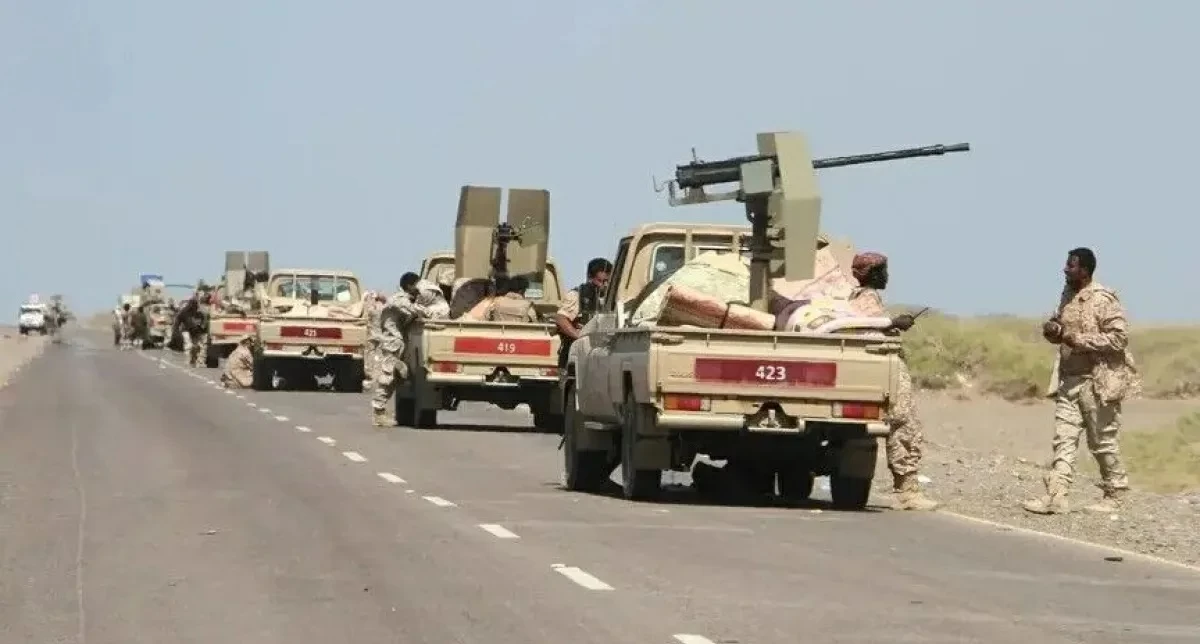
فيما كثف الطيران الحربي عملياته الجوية واستهدف تحركات وتعزيزات المليشيا الحوثية في عدد من المحاور والمحافظات، أحبط الجيش اليمني اليوم (الثلاثاء)، هجوماً حوثياً على جبهتي راسن وجبل قرفان وجرداد في بني عمر بمديرية الشمايتين جنوب غربي محافظة تعز.
وقال مصدر عسكري: القوات المسلحة تمكنت من كسر الهجوم الحوثي وتكبيد المليشيا خسائر خلال المواجهات، بالتزامن مع اشتباكات أخرى في جبهة الوازعية بمحافظة تعز وجبهة المضاربة بمحافظة لحج، وبحسب المصدر فإن المليشيا تكبدت خسائر فادحة في المواجهات وهناك أكثر من 50 قتيلاً في صفوفها.
في غضون ذلك، شن الطيران الحربي، اليوم (الثلاثاء)، سلسلة غارات جوية استهدفت مواقع لميليشيا الحوثي في محافظات تعز وصعدة والحديدة، ومأرب. وأفادت مصادر محلية أن غارة جوية استهدفت موقعاً لمليشيا الحوثي في منطقة العرين بعزلة الأعروق في مديرية حيفان بمحافظة تعز، كما استهدفت مواقع للمليشيا في مديرية سحار، فيما استهدفت غارة أخرى مواقع في مديرية مجز، فضلاً عن غارات استهدفت إدارات اتصال عسكري بمنطقة النخيلة بمديرية الدريهمي ومديرية اللحية بمحافظة الحديدة. كما استهدفت غارات للطيران الحربي اليمني مخازن أسلحة وتعزيزات حوثية بأطراف مأرب، لكن المليشيا تتكتم على خسائرها في الغارات.
من جهة ثانية، كشف تقرير استخباراتي لمؤسسة «شيبا إنتليجنس» أن الحرس الثوري الإيراني خصص فريقاً من 12 خبيراً للإشراف على عمليات مليشيا الحوثي الإرهابية حول باب المندب والساحل الغربي لليمن، موضحاً أن الفريق يعمل من مركز قيادة سري في المخا، ويرتبط مباشرة بالقيادة الإيرانية عبر قناة عمليات مشتركة، فيما يتولى الحوثيون التنفيذ الميداني، بمشاركة 10 مسؤولين من أجهزة الأمن والاستخبارات العسكرية والمخابرات.
وأشار التقرير إلى أن الدور الإيراني توسع بعد التقدم العسكري ليشمل الإشراف على تحصينات ومنشآت عسكرية من الخوخة إلى المخا وذباب وباب المندب، إلى جانب نشر الرادارات وشبكات الاتصالات ومعدات المراقبة البحرية.
كما تشمل البنية العسكرية، وفق التقرير، مواقع للصواريخ والطائرات المسيرة وقوارب متفجرة وزوارق عسكرية وأنظمة غير مأهولة تحت الماء وألغاماً بحرية، مع مخاوف من وصول شحنات أسلحة إيرانية جديدة عبر البحر.
وخلص التقرير إلى أن طهران تسعى لترسيخ منظومة دائمة للقيادة والاستخبارات والمراقبة والقدرات البحرية قرب باب المندب.
While the warplanes intensified their air operations and targeted the movements and reinforcements of the Houthi militia in several fronts and governorates, the Yemeni army thwarted a Houthi attack today (Tuesday) on the fronts of Rasin, Jabal Qarfan, and Jurdad in Bani Omar in the Al-Shamayatain district, southwest of Taiz governorate.
A military source stated that the armed forces managed to break the Houthi attack and inflicted losses on the militia during the confrontations, coinciding with other clashes on the Al-Waziyah front in Taiz governorate and the Al-Mudharabah front in Lahij governorate. According to the source, the militia suffered heavy losses in the confrontations, with more than 50 fatalities among their ranks.
Meanwhile, the warplanes launched a series of airstrikes today (Tuesday) targeting Houthi militia positions in the governorates of Taiz, Saada, Al-Hudaydah, and Marib. Local sources reported that an airstrike targeted a Houthi position in the Al-Areen area in the Al-Arouq isolation in the Haifan district of Taiz governorate, as well as targeting militia positions in the Sahar district. Another airstrike targeted positions in the Majz district, in addition to strikes that targeted military communication centers in the Al-Nukhaylah area in the Al-Durayhimi district and the Al-Luhayyah district in Al-Hudaydah governorate. Yemeni warplanes also targeted weapon depots and Houthi reinforcements on the outskirts of Marib, but the militia is tight-lipped about its losses in the airstrikes.
On another note, an intelligence report from the "Shiba Intelligence" organization revealed that the Iranian Revolutionary Guard has allocated a team of 12 experts to oversee the operations of the Houthi terrorist militia around Bab al-Mandab and the western coast of Yemen. The report clarified that the team operates from a secret command center in Al-Makha and is directly linked to Iranian leadership through a joint operations channel, while the Houthis carry out the field execution, with the participation of 10 officials from military security and intelligence agencies.
The report indicated that the Iranian role expanded after military advances to include overseeing fortifications and military installations from Al-Khawkhah to Al-Makha, Dhubab, and Bab al-Mandab, in addition to deploying radars, communication networks, and maritime surveillance equipment.
According to the report, the military structure also includes sites for missiles, drones, explosive boats, military vessels, unmanned underwater systems, and naval mines, with concerns about the arrival of new Iranian weapon shipments by sea.
The report concluded that Tehran seeks to establish a permanent system for command, intelligence, surveillance, and naval capabilities near Bab al-Mandab.