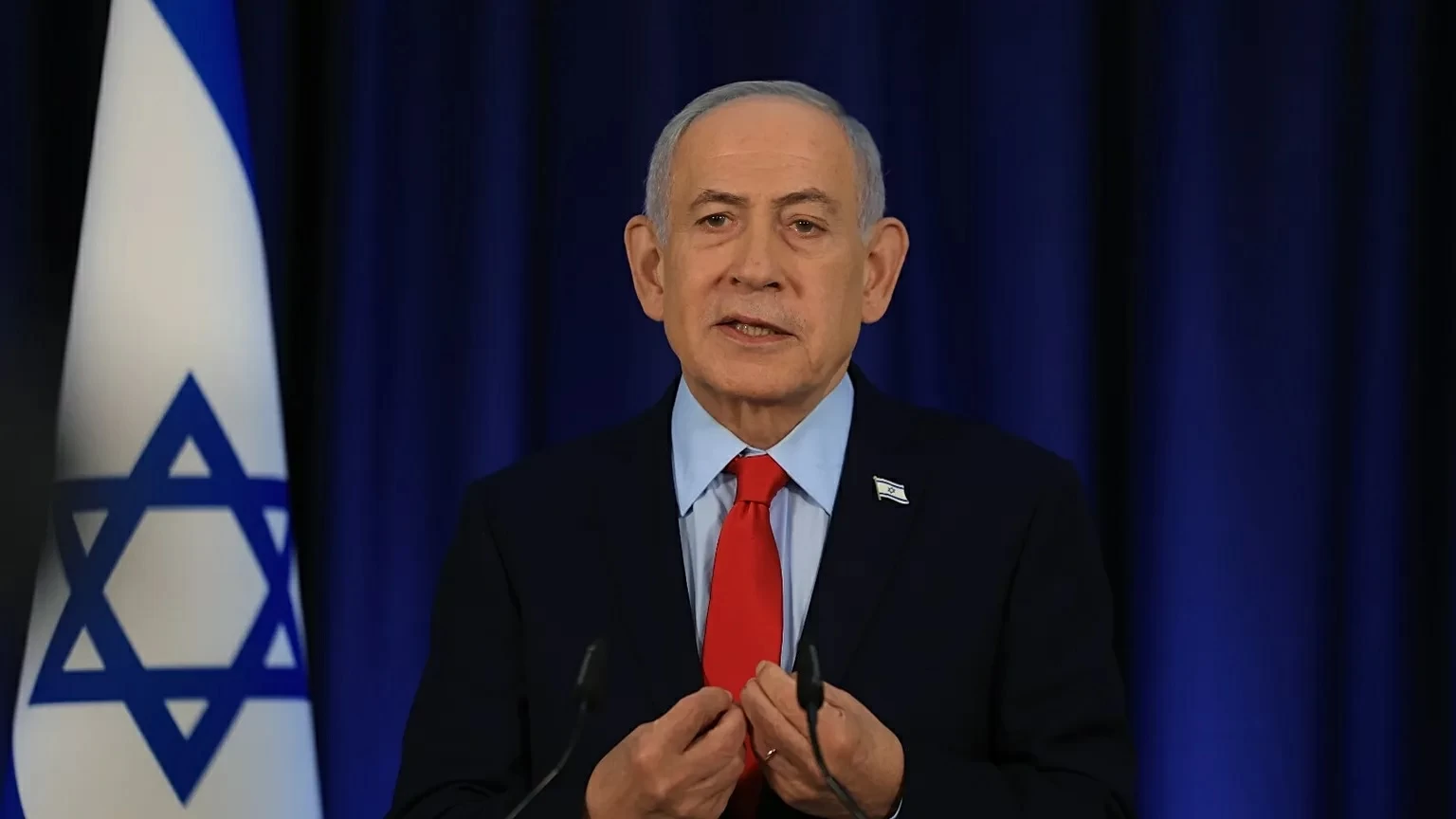
أعلن رئيس الوزراء الإسرائيلي بنيامين نتنياهو رسمياً أن إسرائيل ترفض خطة غزة المؤلفة من 15 بنداً بشأن نزع سلاح حركة حماس، التي قدمها مجلس السلام نهاية يوليو الماضي، في إطار خطة الرئيس الأمريكي دونالد ترمب بشأن غزة.
نزع سلاح حماس بالكامل
وأضاف نتنياهو أن إسرائيل «لن تنسحب من غزة حتى يتم نزع كامل سلاح حركة حماس». وأكد أنه «لن تكون هناك دولة فلسطينية في غزة أو في الضفة الغربية ما دمت رئيساً للوزراء».
وكان نتنياهو قال الأسبوع الماضي إن إسرائيل لم توافق على خطة «مجلس السلام» لنزع سلاح حماس التي وافقت عليها الحركة. وكرر تصريحات نسبت إلى «مسؤولين إسرائيليين كبار»، قائلاً في مقطع فيديو نشره على فيسبوك إن إسرائيل لن تنسحب «من خطوطنا الحالية» في قطاع غزة «حتى يتم نزع سلاح حماس بالكامل».
وتنص الخطة على انسحاب إسرائيل إلى «الخط الأصفر» الأصلي داخل غزة.
الانسحاب إلى ما بعد الخط الأصفر
وكانت إسرائيل انسحبت إلى ذلك الخط بموجب اتفاق وقف إطلاق النار وإطلاق سراح المحتجزين في أكتوبر 2025، لكنها وسعت منذ ذلك الحين نطاق سيطرتها على القطاع من 53% إلى أكثر من 60%، وفق «تايمز أوف إسرائيل».
وأشار مجلس السلام إلى أن إسرائيل لن تكون مطالبة بالانسحاب إلى ما بعد الخط الأصفر الأصلي قبل أن تبدأ حماس على الأقل بتسليم أسلحتها، قال نتنياهو إن القوات الإسرائيلية لن تتحرك من مواقعها على الإطلاق، بالتزامن مع بدء حملته الانتخابية.
وتضمنت خريطة الطريق التي أعلنها المجلس عبر حسابه بمنصة «إكس»، في 31 يوليو، مجموعة من المبادئ أبرزها: إعداد جدول زمني وآليات تنفيذ المرحلة الثانية من خطة سلام لغزة خلال 14 يوماً من موافقة جميع الأطراف عليها، ثم دخول اللجنة الوطنية لإدارة غزة إلى القطاع، وانتقال أسلحة الشرطة إليها، والتزام إسرائيل بوقف العمليات العسكرية.
وأفاد «مجلس السلام» الأسبوع الماضي بأن انسحاب الجيش الإسرائيلي إلى ما وراء «الخط الأصفر» في غزة لن يتم إلا بعد استكمال عملية نزع السلاح في القطاع الفلسطيني، في وقت وصف ممثله الأعلى نيكولاي ملادينوف المرحلة القادمة بأنها «صعبة» وتتطلب عملاً «بطيئاً وشاقاً».
إنهاء دوامة الدمار
ووفقاً للخطة المعلنة من المجلس: «تهدف الأطراف، من خلال هذه العملية، إلى إنهاء دوامة الدمار، وضمان الانسحاب الإسرائيلي الكامل من قطاع غزة، وإعادة الحياة إلى طبيعتها، وتمكين الحكم الفلسطيني، وإعادة الإعمار، وتأمين الأمن، والتعافي، والتنمية الاقتصادية، وإعادة تأهيل القطاعات المتضررة، وتيسير الشروع في مسار سياسي موثوق يحقق حق تقرير المصير وإقامة الدولة».
وأكد المجلس أنه «يتعين على إسرائيل أن تنفذ بالكامل، ودون تأخير، جميع الالتزامات المتبقية بموجب بروتوكول شرم الشيخ، ولا سيما وقف العمليات العسكرية. ويتعين على حركة حماس والفصائل الفلسطينية إتمام وقف جميع العمليات العسكرية وفقاً لبروتوكول شرم الشيخ وخطة السلام». ونصت المبادئ على عدم جواز دمج المسلحين الذين ينتمون إلى الفصائل الفلسطينية داخل قوات الأمن والشرطة الفلسطينية، وأن ترتبط عملية تفكيك الأسلحة الثقيلة بانسحاب إسرائيلي تدريجي من المناطق التي تسيطر عليها في غزة.
Israeli Prime Minister Benjamin Netanyahu officially announced that Israel rejects the 15-point Gaza plan regarding the disarmament of Hamas, which was presented by the Peace Council at the end of July, as part of U.S. President Donald Trump's plan for Gaza.
Complete Disarmament of Hamas
Netanyahu added that Israel "will not withdraw from Gaza until Hamas's weapons are completely disarmed." He affirmed that "there will be no Palestinian state in Gaza or the West Bank as long as I am Prime Minister."
Last week, Netanyahu stated that Israel did not agree to the "Peace Council" plan for disarming Hamas that the movement had accepted. He reiterated statements attributed to "senior Israeli officials," saying in a video he posted on Facebook that Israel would not withdraw "from our current lines" in the Gaza Strip "until Hamas's weapons are completely disarmed."
The plan stipulates that Israel will withdraw to the original "yellow line" inside Gaza.
Withdrawal Beyond the Yellow Line
Israel had withdrawn to that line under a ceasefire agreement and the release of detainees in October 2025, but has since expanded its control over the Strip from 53% to more than 60%, according to the "Times of Israel."
The Peace Council indicated that Israel would not be required to withdraw beyond the original yellow line until Hamas at least begins to hand over its weapons. Netanyahu stated that Israeli forces would not move from their positions at all, coinciding with the start of his election campaign.
The roadmap announced by the council through its account on the "X" platform on July 31 included a set of principles, the most prominent of which are: preparing a timeline and mechanisms for implementing the second phase of the peace plan for Gaza within 14 days of all parties agreeing to it, followed by the entry of the National Committee for Gaza Management into the Strip, the transfer of police weapons to it, and Israel's commitment to cease military operations.
The "Peace Council" reported last week that the withdrawal of the Israeli army beyond the "yellow line" in Gaza would only occur after the completion of the disarmament process in the Palestinian territory, while its senior representative Nikolai Mladenov described the upcoming phase as "difficult" and requiring "slow and hard work."
Ending the Cycle of Destruction
According to the plan announced by the council: "The parties aim, through this process, to end the cycle of destruction, ensure the complete Israeli withdrawal from the Gaza Strip, restore normalcy, empower Palestinian governance, facilitate reconstruction, ensure security, recovery, economic development, rehabilitate affected sectors, and facilitate the initiation of a reliable political path that achieves the right to self-determination and the establishment of a state."
The council emphasized that "Israel must fully implement, without delay, all remaining obligations under the Sharm El-Sheikh Protocol, particularly the cessation of military operations. Hamas and the Palestinian factions must complete the cessation of all military operations in accordance with the Sharm El-Sheikh Protocol and the peace plan." The principles stipulated that armed individuals belonging to Palestinian factions should not be integrated into Palestinian security and police forces, and that the dismantling of heavy weapons should be linked to a gradual Israeli withdrawal from the areas it controls in Gaza.