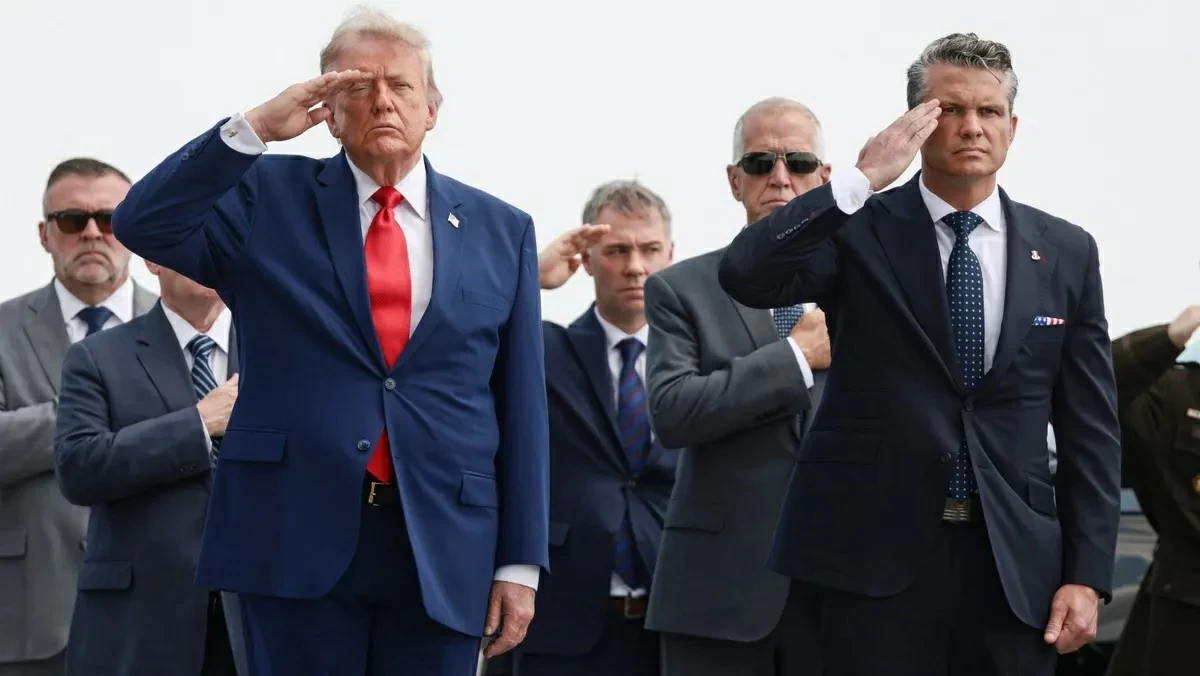
أرجأ الرئيس الأمريكي دونالد ترمب خططاً لتوسيع العمليات العسكرية ضد إيران، عقب اجتماع حاسم عقد في البيت الأبيض مساء الجمعة، شهد تحذيرات من كبار المسؤولين العسكريين بشأن تداعيات استمرار الحملة الجوية واستنزاف مخزون الذخائر الدفاعية الأمريكية، بحسب ما أوردت صحيفة «نيويورك تايمز» وشبكة CNN نقلا عن مسؤولين أمريكيين.
مخاوف من اتساع الحرب
وأفاد التقرير بأن نائب الرئيس الأمريكي جي دي فانس ورئيس هيئة الأركان المشتركة الجنرال دان كاين، أثارا مخاوف تتعلق باستمرار العمليات العسكرية بعد 13 ليلة متواصلة من الضربات الجوية، مشيرين إلى أن استئناف حملة أوسع ضد إيران سيؤدي إلى استنزاف كبير لمخزونات صواريخ «باتريوت» الاعتراضية ومنظومات الدفاع الجوي، رغم قدرة الجيش الأمريكي على تنفيذ الخيارات المطروحة.
وأعلن مسؤولون بأن الجيش الأمريكي علّق مؤقتاً حملته الجوية ضد إيران، بينما وصف مصدر في وزارة الحرب (البنتاغون) العمليات بأنها «معلقة مؤقتاً». وأوضح مسؤولون أن تقلص مخزون الصواريخ الاعتراضية كان من أبرز العوامل التي دفعت الإدارة الأمريكية إلى إعادة تقييم خيار التصعيد العسكري.
وناقش الاجتماع المخاطر المترتبة على اتساع رقعة الحرب في الشرق الأوسط، إلى جانب انعكاساتها المحتملة على الاقتصاد العالمي وأسواق الطاقة، في ظل استمرار التوترات المرتبطة بمضيق هرمز.
بين الخيار العسكري والدبلوماسية
ورغم تأكيد الرئيس الأمريكي استعداد القوات المسلحة لتنفيذ عمليات عسكرية أشد إذا اقتضت الضرورة، فإن البيت الأبيض شدد على أن الحل الدبلوماسي لا يزال الخيار المفضل.
وقال مدير الاتصالات في البيت الأبيض ستيفن تشونج إن ترمب «يفضل دائماً المسار الدبلوماسي»، لكنه يحتفظ بجميع الخيارات إذا واصلت إيران ما وصفه بـ«الأنشطة الإرهابية» في مضيق هرمز أو ضد الحلفاء، داعياً طهران إلى العودة للمفاوضات.
التوقف لايعني التراجع
وفي تصريحات للصحفيين عقب الاجتماع، قال ترمب: «نحن على أهبة الاستعداد ومستعدون للتحرك، لكننا نتفاوض معهم، وربما تكون هناك نقطة تحول وربما لا تكون». وأكد ترمب أن واشنطن لا تزال جاهزة لشن هجوم واسع على إيران بحال لم تنفذ ما تريده الولايات المتحدة.
وقال في مقابلة مع قناة LCI الفرنسية: "توقف الضربات مؤقتاً لا يعني أننا تراجعنا"، مضيفاً: "ما زلنا جاهزين لشن هجوم واسع على إيران بحال لم تنفذ ما نريد". وتوقفت الولايات المتحدة أمس عن شن غارات جوية على إيران لأول ليلة منذ أسبوعين.
تباينات داخل الإدارة بشأن التصعيد
وذكرت «نيويورك تايمز» أن عدداً محدوداً فقط داخل الدائرة المقربة من ترمب أيد المضي في خطة تصعيد واسعة، فيما أبدى مسؤولون كبار شكوكاً في قدرة الضربات العسكرية على دفع إيران إلى العودة لطاولة المفاوضات، معتبرين أنها قد تؤدي إلى تعزيز التماسك الداخلي الإيراني بدلاً من زيادة الضغوط على قيادته.
وناقشت وزارة الحرب الأمريكية في الأيام الأخيرة تنفيذ مرحلة أولى من حملة قصف تستهدف الرادارات الساحلية ومنصات الصواريخ المضادة للسفن والزوارق الهجومية الإيرانية، مع بحث توسيع الضربات لتشمل منشآت الطاقة وبعض المواقع النووية.
الضغوط الاقتصادية خيار بديل
في غضون ذلك، رأى عدد من مستشاري الرئيس الأمريكي بينهم جاريد كوشنر، أن مواصلة الضغوط الاقتصادية والعقوبات تمثل خياراً أقل مخاطرة من التصعيد العسكري المباشر.
وفي هذا الإطار، فرضت وزارة الخزانة عقوبات جديدة على 9 شركات وأربعة أفراد ضمن شبكة أعمال رجل الأعمال الإيراني بابك زنجاني، وأكد وزير الخزانة سكوت بيسنت أن مشتريات الصين من النفط الإيراني تراجعت بنحو 40% خلال الأشهر الأخيرة، وهو ما اعتبره تطوراً من شأنه تقليص الإيرادات النفطية لطهران، وإن كانت استعادة التأثير الكامل للعقوبات ستتطلب مزيداً من الوقت.
U.S. President Donald Trump has postponed plans to expand military operations against Iran, following a crucial meeting held at the White House on Friday evening, which saw warnings from senior military officials regarding the implications of continuing the air campaign and depleting U.S. defensive munitions stockpiles, according to reports from the New York Times and CNN citing American officials.
Concerns Over Escalating War
The report stated that U.S. Vice President J.D. Vance and Chairman of the Joint Chiefs of Staff General Dan Kine raised concerns about the continuation of military operations after 13 consecutive nights of airstrikes, noting that resuming a broader campaign against Iran would lead to a significant depletion of Patriot missile interceptors and air defense systems, despite the U.S. military's ability to execute the proposed options.
Officials announced that the U.S. military has temporarily suspended its air campaign against Iran, while a source at the Department of Defense (Pentagon) described the operations as "temporarily suspended." Officials explained that the reduction in interceptor missile stockpiles was one of the main factors that prompted the U.S. administration to reassess the option of military escalation.
The meeting discussed the risks associated with the widening of the war in the Middle East, along with its potential implications for the global economy and energy markets, amid ongoing tensions related to the Strait of Hormuz.
Between Military Action and Diplomacy
Despite the U.S. President's assurance of the armed forces' readiness to carry out more severe military operations if necessary, the White House emphasized that a diplomatic solution remains the preferred option.
White House Communications Director Stephen Chong stated that Trump "always prefers the diplomatic path," but keeps all options on the table if Iran continues what he described as "terrorist activities" in the Strait of Hormuz or against allies, urging Tehran to return to negotiations.
The Pause Does Not Mean Retreat
In statements to reporters following the meeting, Trump said: "We are on high alert and ready to move, but we are negotiating with them, and there may be a turning point or there may not be." Trump affirmed that Washington is still prepared to launch a wide-ranging attack on Iran if it does not comply with U.S. demands.
He stated in an interview with French channel LCI: "The temporary halt of strikes does not mean we have retreated," adding: "We are still ready to launch a wide-ranging attack on Iran if it does not do what we want." The United States halted airstrikes on Iran yesterday for the first night in two weeks.
Differences Within the Administration Regarding Escalation
The New York Times reported that only a limited number of individuals within Trump's inner circle supported proceeding with a broad escalation plan, while senior officials expressed doubts about the ability of military strikes to push Iran back to the negotiating table, considering that they might instead strengthen internal cohesion in Iran rather than increase pressure on its leadership.
The U.S. Department of Defense discussed in recent days the implementation of a first phase of a bombing campaign targeting coastal radars, anti-ship missile platforms, and Iranian fast attack boats, while considering expanding strikes to include energy facilities and some nuclear sites.
Economic Pressure as an Alternative Option
Meanwhile, several of President Trump's advisors, including Jared Kushner, viewed the continuation of economic pressure and sanctions as a less risky option than direct military escalation.
In this context, the Treasury Department imposed new sanctions on 9 companies and four individuals within the business network of Iranian businessman Babak Zanjani, and Treasury Secretary Scott Pisenet confirmed that China's purchases of Iranian oil have decreased by about 40% in recent months, which he considered a development that would reduce Tehran's oil revenues, although restoring the full impact of sanctions would require more time.