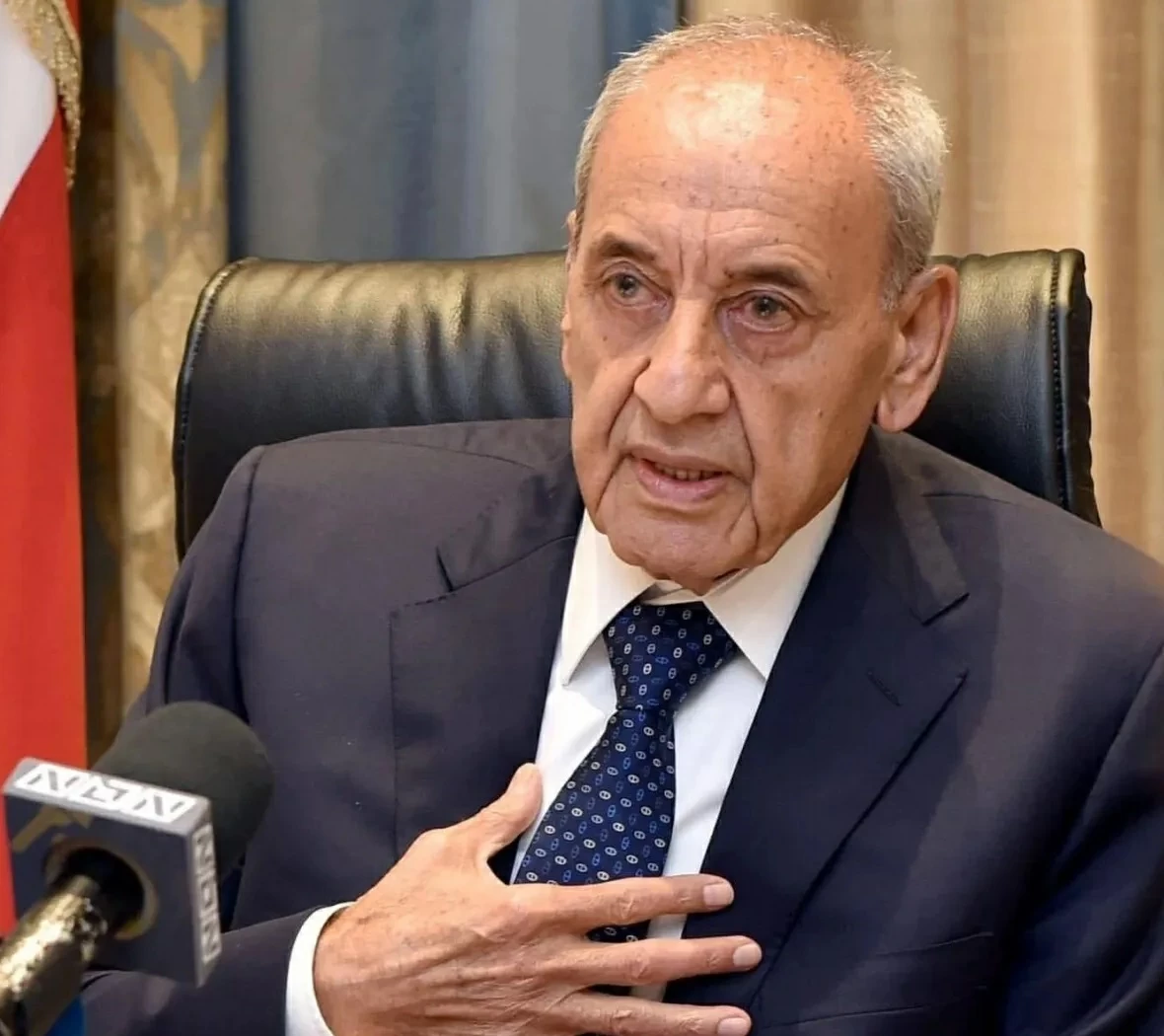
في أول رد فعل على توقيع الاتفاق الإطاري بين لبنان وإسرائيل، حذر رئيس البرلمان اللبناني، نبيه بري، اللبنانيين من الوقوع في الفتنة.
وقال بري في تصريح مقتضب، اليوم (السبت)«يا أهلي في لبنان كل لبنان إنها الفتنة! كن في الفتنة كابن اللبون لا ظهرا فيُركب ولا ضرعا فيُحلب».
وخلال مراسم حفل التوقيع، قال وزير الخارجية الأمريكي ماركو روبيو، إن هذا الاتفاق يمهد الطريق«لإطار من أجل سلام دائم وآمن». فيما اعتبرت سفيرة لبنان في واشنطن ندى حمادة معوّض، أن الاتفاق «خطوة أولى على طريق استعادة السيادة اللبنانية ووحدة الأراضي، وتأمين وقف دائم ونهائي للأعمال العدائية، وتمكين شعبنا من العودة إلى أرضه».
ووصف رئيس الوزراء الإسرائيلي بنيامين نتنياهو الاتفاق بأنه ضربة كبيرة لإيران، وصرح سفير إسرائيل في واشنطن: «من خلال هذا الاتفاق تخرج إيران وحزب الله من المعادلة».
وأكدت مصادر لبنانية أن إطار العمل مع إسرائيل يتحدث بوضوح عن «إعادة انتشار مرحلية» ولا يتضمن أي اعتراف ببقاء عسكري إسرائيلي بشكل دائم. وأضافت أن انتشار الجيش لن يكون رهناً بإذن من إسرائيل.
وينص الاتفاق على أن تستعيد القوات المسلحة اللبنانية سلطتها في جميع أنحاء لبنان، بعد التحقق من نزع سلاح الجماعات المسلحة غير الحكومية، ما يسمح للجيش الإسرائيلي بالانسحاب تدريجياً من الأراضي اللبنانية.
وفي الاتفاق، يؤكد لبنان أن قواته الأمنية تتحمل المسؤولية الحصرية عن أمن لبنان ودفاعه، والبت في مسائل الحرب والسلام. وتضمن الاتفاق أن يكون لإسرائيل الحق بالرد إذا تعرضت لهجوم من حزب الله، مع ضرورة أن تعيش الدولتان بسلام جنباً إلى جنب.
كما ينص الاتفاق على تشكيل الطرفين فرق عمل لصياغة اتفاق شامل للسلام.
ولفتت إلى أن إنشاء المناطق التجريبية يتم باتفاق متبادل ولا تحدده إسرائيل وحدها.
وجاء اتفاق الإطار بعد خمس جولات من المحادثات بين موفدين لبنانيين وإسرائيليين، تستضيفها الخارجية الأمريكية، وتهدف خصوصاً إلى إنهاء الحرب بين إسرائيل وحزب الله، والتمهيد للتوصل إلى اتفاق بين البلدين.
In the first reaction to the signing of the framework agreement between Lebanon and Israel, the Lebanese Parliament Speaker, Nabih Berri, warned the Lebanese against falling into strife.
Berri said in a brief statement today (Saturday), "O my people in Lebanon, all of Lebanon, this is strife! Be in strife like the son of the camel, neither to be ridden nor to be milked."
During the signing ceremony, U.S. Secretary of State Marco Rubio stated that this agreement paves the way "for a framework for lasting and secure peace." Meanwhile, Lebanon's Ambassador to Washington, Nada Hamada Maouad, considered the agreement "a first step towards restoring Lebanese sovereignty and territorial unity, ensuring a permanent and final cessation of hostilities, and enabling our people to return to their land."
Israeli Prime Minister Benjamin Netanyahu described the agreement as a significant blow to Iran, and the Israeli Ambassador in Washington stated: "Through this agreement, Iran and Hezbollah are removed from the equation."
Lebanese sources confirmed that the framework for working with Israel clearly discusses "phased redeployment" and does not include any recognition of a permanent Israeli military presence. They added that the army's deployment will not be contingent upon permission from Israel.
The agreement stipulates that the Lebanese armed forces will regain authority throughout Lebanon after verifying the disarmament of non-governmental armed groups, allowing the Israeli army to gradually withdraw from Lebanese territory.
In the agreement, Lebanon affirms that its security forces bear exclusive responsibility for Lebanon's security and defense, as well as for deciding on matters of war and peace. The agreement guarantees that Israel has the right to respond if attacked by Hezbollah, with the necessity for both countries to live peacefully side by side.
The agreement also stipulates the formation of working teams by both parties to draft a comprehensive peace agreement.
It was noted that the establishment of experimental areas is done by mutual agreement and is not determined solely by Israel.
The framework agreement came after five rounds of talks between Lebanese and Israeli envoys, hosted by the U.S. State Department, aimed primarily at ending the war between Israel and Hezbollah and paving the way for an agreement between the two countries.