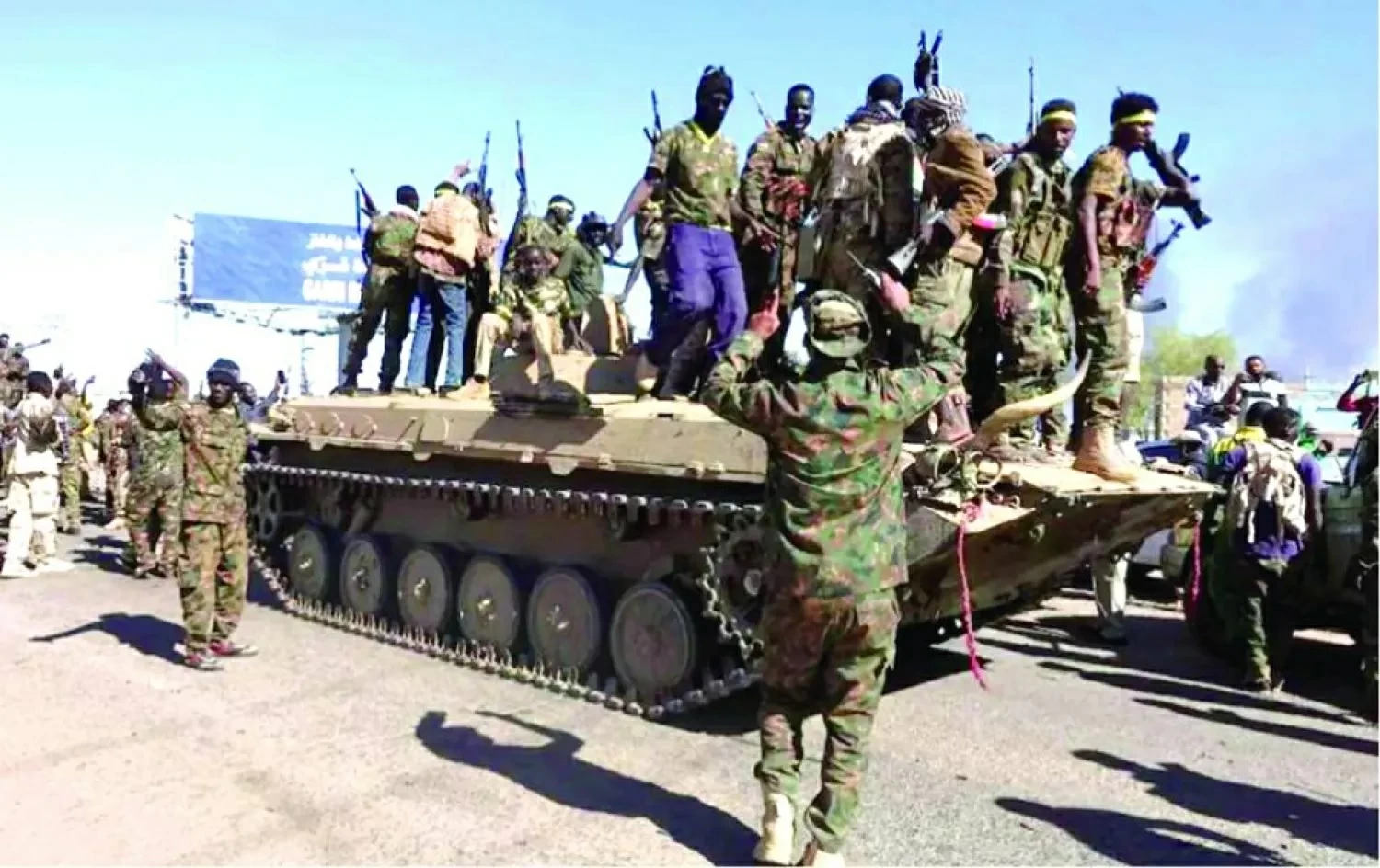
تمكّنت القوات المشتركة المساندة للجيش السوداني، اليوم السبت، من استعادة السيطرة على منطقة أبو قمرة في ولاية شمال دارفور.
وأكدت مصادر سودانية وشهود عيان أن استعادة المنطقة الواقعة غرب عاصمة الولاية مدينة الفاشر جاءت بعد معارك خاضتها القوات المشتركة مع قوات الدعم السريع.
ولفتت المصادر إلى أن المعارك أسفرت عن تكبيد قوات الدعم السريع خسائر وصفها بالكبيرة ما أجبر عناصرها على الفرار من المنطقة.
من جانبه، أكد حاكم إقليم دارفور مني أركو مناوي، أن مخطط قوات الدعم السريع لتهجير سكان شمال دارفور عبر نهب الممتلكات وارتكاب الانتهاكات لإحلال المرتزقة والأجانب محل السكان الأصليين، لن ينجح.
وأفاد مناوي في منشور له عقب استعادة منطقة أبو قمرة، بأن هذه المناطق لن تكون لقمة سائغة لأحد، وأن ما وصفه بالحلم بإقامة إمارة (لآل دقلو) في إشارة إلى قيادة الدعم السريع ليس سوى أوهام.
وشدد مناوي على أن أي مشروع يقوم على القتل والتهجير وسلب الحقوق، سيكون مصيره الزوال.
يذكر أن الحرب في السودان شهدت خلال الأسابيع الأخيرة تطورات عسكرية وسياسية متسارعة، مع استمرار القتال بين القوات المسلحة والدعم السريع في مناطق عدة، خصوصاً في إقليم كردفان وأجزاء من دارفور.
وتُعد مدينة الأبيض من أبرز بؤر التوتر الحالية، إذ حذرت الأمم المتحدة من احتمال اندلاع معركة واسعة قد تؤدي إلى تفاقم الأزمة الإنسانية وارتفاع أعداد الضحايا المدنيين.
على الصعيد الإنساني، لا تزال الحرب تتسبب في موجات نزوح كبيرة، وسط نقص حاد في الغذاء والدواء والخدمات الأساسية، خصوصاً في المناطق المتأثرة بالقتال. كما تواجه المنظمات الإنسانية صعوبات في إيصال المساعدات بسبب تدهور الأوضاع الأمنية واستمرار الاشتباكات.
وتتواصل الجهود الإقليمية والدولية لإيجاد تسوية سلمية، وشهدت الفترة الأخيرة مشاورات بين قوى سياسية ومدنية سودانية بهدف التوصل إلى رؤية مشتركة لإنهاء الصراع وإطلاق عملية سياسية شاملة. ومع ذلك، لا تزال فرص الوصول إلى اتفاق دائم محدودة في ظل استمرار العمليات العسكرية وتباعد مواقف الأطراف المتحاربة.
وتشير التطورات الأخيرة إلى أن الأزمة السودانية ما زالت بعيدة عن الحل، مع استمرار المعارك وتفاقم المعاناة الإنسانية، الأمر الذي يستدعي تكثيف الجهود الدولية والإقليمية لدعم وقف إطلاق النار، وحماية المدنيين، وتهيئة الظروف اللازمة لإطلاق حوار سياسي يحقق الاستقرار والسلام في السودان.
The joint forces supporting the Sudanese army managed, today Saturday, to regain control of the Abu Qumra area in North Darfur state.
Sudanese sources and eyewitnesses confirmed that the recovery of the area located west of the state capital, El Fasher, came after battles fought by the joint forces against the Rapid Support Forces.
Sources indicated that the battles resulted in significant losses for the Rapid Support Forces, which forced their elements to flee the area.
For his part, the governor of Darfur region, Mini Arko Minawi, confirmed that the Rapid Support Forces' plan to displace the residents of North Darfur through looting properties and committing violations to replace the original inhabitants with mercenaries and foreigners will not succeed.
Minawi stated in a post following the recovery of the Abu Qumra area that these areas will not be an easy target for anyone, and that what he described as the dream of establishing an emirate for the (Al-Daqlo family), referring to the leadership of the Rapid Support Forces, is nothing but illusions.
Minawi emphasized that any project based on killing, displacement, and the usurpation of rights will ultimately meet its demise.
It is noteworthy that the war in Sudan has witnessed rapid military and political developments in recent weeks, with continued fighting between the armed forces and the Rapid Support Forces in several areas, particularly in the Kordofan region and parts of Darfur.
The city of Al-Obeid is considered one of the most prominent current hotspots, as the United Nations has warned of the possibility of a large-scale battle that could exacerbate the humanitarian crisis and increase the number of civilian casualties.
On the humanitarian front, the war continues to cause large waves of displacement, amid severe shortages of food, medicine, and basic services, especially in the areas affected by the fighting. Humanitarian organizations are also facing difficulties in delivering aid due to the deteriorating security situation and ongoing clashes.
Regional and international efforts to find a peaceful settlement are ongoing, and recent consultations have taken place among Sudanese political and civil forces aimed at reaching a common vision to end the conflict and launch a comprehensive political process. However, the chances of reaching a lasting agreement remain limited in light of the continued military operations and the widening gap between the positions of the warring parties.
Recent developments indicate that the Sudanese crisis is still far from resolution, with battles continuing and humanitarian suffering worsening, which calls for intensified international and regional efforts to support a ceasefire, protect civilians, and create the necessary conditions for launching a political dialogue that achieves stability and peace in Sudan.