فيما تنتظر إيران رفع بعض العقوبات عنها بعد توقيع مذكرة التفاهم مع الولايات المتحدة، أعلن وزير الخارجية الفرنسي جان نويل بارو أن بلاده لن توافق على رفع عقوبات مجلس الأمن الدولي عن طهران ما لم تقتنع بأن المحادثات بشأن برنامجها النووي تلبي توقعاتها.
وأكد بارو في تصريحات نقلتها إذاعة «فرانس أنفو» اليوم (الجمعة)، أن المنطقة لن تتمتع بأي استقرار ما لم تسفر المحادثات عن حل للقضايا المتعلقة ببرنامج الصواريخ الباليستية الإيرانية ودعم طهران لجماعات مسلحة متحالفة معها. وأضاف: «نحن بحاجة إلى تغيير جذري في موقف إيران».
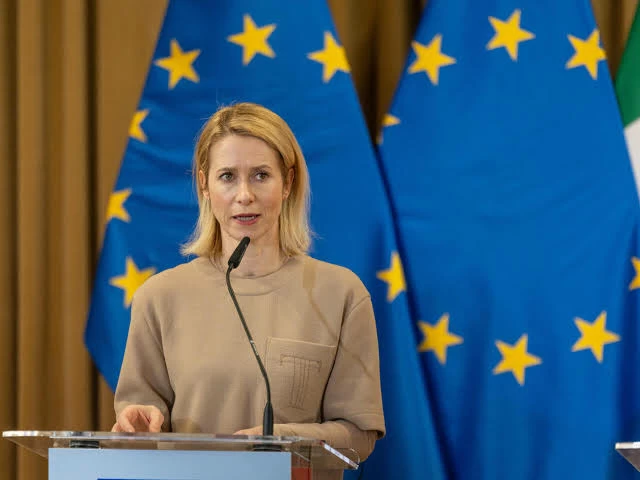
وشددت مسؤولة السياسة الخارجية بالاتحاد الأوروبي كايا كالاس، على أن التوصل إلى اتفاق نووي مع إيران من شأنه أن يفتح الباب لمناقشة رفع العقوبات، إلا أنها أكدت أن هذا الأمر ليس مطروحاً بعد.
وأوضحت في تصريحات للصحفيين قبيل قمة لقادة دول الاتحاد الأوروبي: «عندما تسمح الظروف، بالطبع ستناقش الدول الأعضاء ما إذا كان رفع العقوبات مناسباً، لكننا لم نصل إلى هذه المرحلة بعد».
وقال نائب الرئيس الأمريكي جي دي فانس: إن الولايات المتحدة لن ترفع العقوبات عن إيران ما دامت تواصل تمويل «منظمة إرهابية»، في إشارة إلى «حزب الله» اللبناني، الذي تصنفه واشنطن منذ فترة طويلة في «قوائم الإرهاب».
واعتمدت الولايات المتحدة في السنوات الأخيرة سياسة الضغط القصوى في التعامل مع إيران، وذلك من خلال تشديد العقوبات والقيود على الاقتصاد، بما يشمل منع طهران من تصدير النفط وتجميد أموالها في الخارج، وكان لذلك تداعيات كبيرة على الوضع الاقتصادي في إيران.
وبحسب مذكرة التفاهم الأخيرة المقرر توقيعها رسمياً في سويسرا، تتعهد الولايات المتحدة بإنهاء جميع أنواع العقوبات المفروضة على إيران، بما في ذلك قرارات مجلس الأمن التابع للأمم المتحدة، وقرارات مجلس محافظي الوكالة الدولية للطاقة الذرية، وجميع العقوبات الأمريكية الأحادية، الأولية والثانوية، وفق جدول زمني متفق عليه ضمن الاتفاق النهائي.
وتقر إيران والولايات المتحدة بالأهمية الجوهرية لقضية رفع العقوبات، وتعربان عن نيتهما معالجة هذه القضايا فوراً خلال المفاوضات بهدف التوصل إلى اتفاق متبادل بشأنها.
وقال مسؤول أمريكي إن المذكرة تنص على إنهاء الحرب، والدعوة إلى فتح مضيق هرمز ورفع الحصار الأمريكي، وإطلاق مفاوضات نووية لمدة 60 يوماً، وتعليق العقوبات بما يسمح لإيران ببيع النفط خلال هذه الفترة، إضافة إلى حوافز اقتصادية ضخمة حال توقيع اتفاق نووي نهائي.
While Iran awaits the lifting of some sanctions after signing a memorandum of understanding with the United States, French Foreign Minister Jean-Noël Barrot announced that his country would not agree to lift United Nations Security Council sanctions on Tehran unless it is convinced that the talks regarding its nuclear program meet its expectations.
Barrot confirmed in statements reported by France Info today (Friday) that the region will not enjoy any stability unless the talks result in a solution to issues related to Iran's ballistic missile program and Tehran's support for armed groups allied with it. He added: "We need a radical change in Iran's position."
European Union foreign policy chief Kaia Kallas emphasized that reaching a nuclear agreement with Iran would open the door to discussions about lifting sanctions, but she confirmed that this matter is not on the table yet.
She clarified in statements to reporters ahead of a summit of EU leaders: "When conditions allow, of course, member states will discuss whether lifting sanctions is appropriate, but we have not reached that stage yet."
U.S. Vice President J.D. Vance stated that the United States will not lift sanctions on Iran as long as it continues to fund a "terrorist organization," referring to the Lebanese "Hezbollah," which Washington has long classified as a "terrorist group."
The United States has adopted a maximum pressure policy in recent years in dealing with Iran, tightening sanctions and restrictions on the economy, including preventing Tehran from exporting oil and freezing its funds abroad, which has had significant repercussions on the economic situation in Iran.
According to the recent memorandum of understanding set to be officially signed in Switzerland, the United States commits to ending all types of sanctions imposed on Iran, including United Nations Security Council resolutions, International Atomic Energy Agency Board of Governors resolutions, and all unilateral U.S. sanctions, both primary and secondary, according to a timeline agreed upon in the final agreement.
Iran and the United States acknowledge the essential importance of the issue of lifting sanctions and express their intention to address these issues immediately during negotiations with the aim of reaching a mutual agreement on them.
An American official stated that the memorandum stipulates the end of the war, calls for the opening of the Strait of Hormuz and the lifting of the U.S. blockade, the initiation of nuclear negotiations for 60 days, and the suspension of sanctions to allow Iran to sell oil during this period, in addition to massive economic incentives upon the signing of a final nuclear agreement.