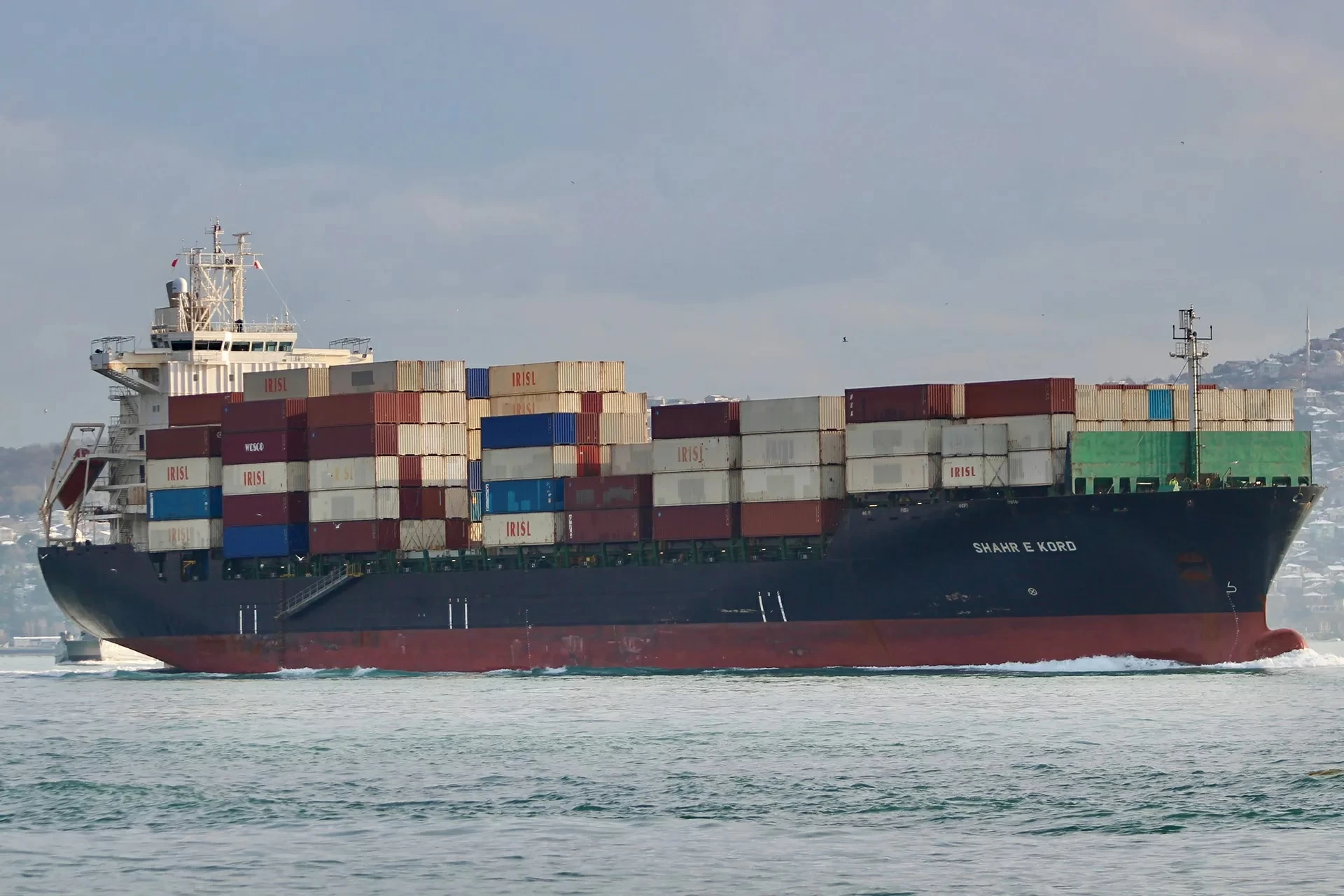
كشف تحليل لصحيفة «فاينانشيال تايمز»، أن سفن الشحن الإيرانية غادرت في الأيام الأخيرة المياه الماليزية عائدة باتجاه مضيق هرمز، بعد توقيع مذكرة تفاهم مع الولايات المتحدة.
سفن أسطول الظل الإيراني
وأظهرت بيانات تتبع السفن أن 6 من أصل 7 سفن حاويات ترفع العلم الإيراني، والتي رُصدت في الموانئ والمياه الماليزية مطلع هذا الأسبوع، غادرت بحلول يوم أمس الخميس، وأعلنت معظمها وجهاتها في الخليج.
ومن المتوقع أن يكون العدد الحقيقي للسفن المغادرة أعلى بكثير، إذ غالباً ما تبحر السفن المملوكة أو الخاضعة لسيطرة إيران معطلةً أنظمة التتبع الخاصة بها أو تحت أعلام مزيفة. وقال خبراء إن العديد من ناقلات النفط التابعة لـ«أسطول الظل» الإيراني من المرجح أيضاً أنها في طريقها إلى إيران.
استئناف نشاط الشحن الإيراني
من جانبه، قال كبير المستشارين في منظمة «متحدون ضد إيران النووية» الأمريكية ومقرها سنغافورة تشارلي براون: «فجأةً، عادت السفن الفارغة إلى موانئ إيران لتحميل البضائع». وأضاف: «من الواضح تماماً أن إشارةً قد صدرت مفادها بأن الشحن الإيراني قد عاد إلى نشاطه».
وتقوم مجموعة من السفن التي ترفع العلم الإيراني بزيارات منتظمة إلى الموانئ الروسية في كل من بحر البلطيق والبحر الأسود، ثم تتجه إلى جنوب شرق آسيا. وتعني العقوبات الدولية المفروضة على إيران أن سفنها لا تستطيع التجارة علناً إلا مع عدد محدود من الدول.
وتوقع المحللون عودة ناقلات النفط الإيرانية الموجودة خارج الخليج إلى هناك للتزود بالنفط، ثم التوجه مباشرةً إلى منطقة الإنتاج النفطي الشرقية.
250 سفينة في ممر النفط الشرقي
وتُظهر صور الأقمار الاصطناعية وجود أكثر من 250 سفينة في ممر النفط الشرقي، رغم أن نحو 80 سفينة فقط شغّلت نظام التتبع الخاص بها، المعروف بنظام التعريف الآلي (AIS).
وكشف تحليل أجرته «فاينانشيال تايمز» لبيانات وكالة الفضاء الأوروبية، استناداً إلى رصد رادار قمر اصطناعي في 14 يونيو، وجود 24 سفينة كبيرة، يُرجح أنها ناقلات نفط، قبالة الساحل الشرقي لماليزيا.
ومن أكثر عمليات التبادل شيوعاً في السنوات الأخيرة نقل الناقلات الإيرانية حمولتها إلى سفن صينية، والتي بدورها تنقل النفط الخام إلى الموانئ المحلية، لكن مع اقتراب إغلاق مضيق هرمز، تراجعت هذه الأنشطة بشكل كبير.
An analysis by the "Financial Times" revealed that Iranian cargo ships have recently left Malaysian waters heading back towards the Strait of Hormuz, following the signing of a memorandum of understanding with the United States.
Iran's Shadow Fleet Ships
Tracking data showed that 6 out of 7 container ships flying the Iranian flag, which were spotted in Malaysian ports and waters earlier this week, had departed by yesterday, Thursday, with most announcing their destinations in the Gulf.
The actual number of departing ships is expected to be much higher, as vessels owned or controlled by Iran often sail with their tracking systems disabled or under false flags. Experts indicated that many oil tankers belonging to Iran's "shadow fleet" are also likely on their way to Iran.
Resumption of Iranian Shipping Activity
For his part, Charlie Brown, a senior advisor at the U.S.-based "United Against Nuclear Iran" organization in Singapore, stated: "Suddenly, empty ships have returned to Iranian ports to load goods." He added: "It is quite clear that a signal has been sent indicating that Iranian shipping has returned to activity."
A group of ships flying the Iranian flag regularly visits Russian ports in both the Baltic and Black Seas before heading to Southeast Asia. The international sanctions imposed on Iran mean that its ships can only trade publicly with a limited number of countries.
Analysts expect Iranian oil tankers currently outside the Gulf to return there to refuel, then head directly to the eastern oil production area.
250 Ships in the Eastern Oil Corridor
Satellite images show more than 250 ships in the eastern oil corridor, although only about 80 ships have activated their tracking systems, known as the Automatic Identification System (AIS).
An analysis conducted by the "Financial Times" of data from the European Space Agency, based on radar observations from a satellite on June 14, revealed the presence of 24 large ships, likely oil tankers, off the eastern coast of Malaysia.
One of the most common exchanges in recent years has been the transfer of Iranian tankers' cargoes to Chinese ships, which in turn transport crude oil to local ports, but as the closure of the Strait of Hormuz approaches, these activities have significantly declined.