


طرحت وزارة البيئة مسودة محدثة للائحة المناطق المحمية لترسيخ حماية الأنظمة البيئية وتعزيز جهود الحفاظ على التنوع الحيوي الفريد في السعودية. وحددت اللائحة إطاراً صارماً يوازن بين حماية الموارد الطبيعية وتنظيم الأنشطة البشرية داخل المحميات، وسيخضع بموجب التحديث دخول الأفراد إلى المناطق المحمية أو عبورها لضوابط مشددة، ويُشترط الحصول على ترخيص مسبق من الجهة المختصة.
ونص المشروع على منح شركات الحراسات الأمنية داخل المحميات صلاحية تفتيش الأشخاص ومركباتهم عند بوابات الدخول والخروج، مع الحق في رفض دخول أي مخالف، واستعادة أي موارد أو كائنات فطرية يُمنع إخراجها وتطبيق الغرامات المقررة.
كما منحت اللائحة الجهات المشرفة مرونة في تحديد نطاقات حماية مُستثناة من شرط الترخيص وفق ضوابط معينة، كما سمحت بإصدار تراخيص فورية للحالات الطارئة، مثل عمليات البحث عن المفقودين أو الماشية، بالتنسيق المباشر مع إمارات المناطق.
ونبه المشروع إلى حظر ممارسة أي نشاط داخل المحميات دون الحصول على تصريح، وتضمنت قائمة المحظورات حيازة أو استخدام الأسلحة وأدوات الصيد، وإيذاء الكائنات الفطرية، وإشعال النار في غير الأماكن المخصصة لها، إضافة إلى منع أنشطة الرعي والزراعة والكشف عن المعادن دون ترخيص. وشملت المحظورات منع سير المركبات خارج المسارات المحددة أو تجاوز السرعات المقررة، وحظر إقامة المباني أو المخيمات في غير المواقع المعتمدة، وإجراء الأبحاث العلمية أو جمع أي من الكائنات الفطرية ومنتجاتها دون إذن رسمي، في محاولة لضبط جميع الأنشطة التي قد تؤثر على التوازن البيئي الدقيق لهذه المناطق.
واشترطت الوزارة في مشروعها الحصول على ترخيص من المركز الوطني لتنمية الحياة الفطرية، الذي لا يُمنح إلا بعد إثبات الملكية الخاصة للأرض والالتزام الكامل بتطبيق معايير الحماية البيئية المعتمدة، مؤكدة أن أي تعدٍّ على هذه المحميات سيواجه بعقوبات نظام البيئة إلى جانب أنظمة حماية الأملاك الخاصة.
وجرّمت اللائحة بشكل قاطع أي ممارسات قد تُخل بالتوازن الطبيعي، مثل إتلاف المنشآت والعلامات الحدودية، أو إطلاق كائنات فطرية دخيلة أو غازية، وحظرت تصوير ونشر المخالفات البيئية عبر وسائل التواصل الاجتماعي دون موافقة مسبقة.
لا تصوير ولا نشر في المنصات بلا تصريح..
منع حيازة أو استخدام الأسلحة وأدوات الصيد في المحميات
14 أكتوبر 2025 - 01:06
|
آخر تحديث 14 أكتوبر 2025 - 01:06
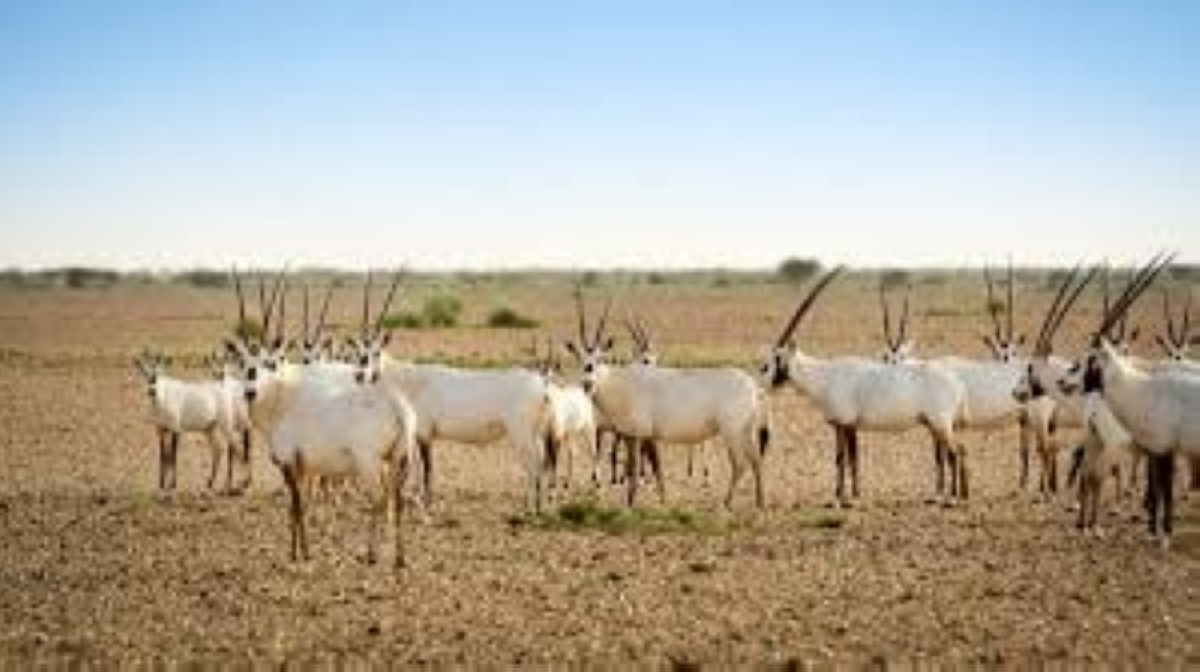
حظر ممارسة أي نشاط داخل المحميات دون الحصول على تصريح.


تابع قناة عكاظ على الواتساب
إبراهيم العلوي (جدة) i_waleeed22@
The Ministry of Environment has introduced an updated draft of the protected areas regulation to reinforce the protection of ecosystems and enhance efforts to preserve the unique biodiversity in Saudi Arabia. The regulation establishes a strict framework that balances the protection of natural resources with the regulation of human activities within the reserves. Under the update, individuals' access to or passage through protected areas will be subject to stringent controls, and prior authorization from the relevant authority will be required.
The project stipulates that security companies within the reserves will have the authority to inspect individuals and their vehicles at the entry and exit gates, with the right to deny entry to any violators, recover any resources or wildlife prohibited from being taken out, and impose the prescribed fines.
The regulation also grants supervising authorities flexibility in determining protection zones exempt from the licensing requirement under specific controls, and allows for the issuance of immediate licenses for emergency cases, such as search operations for missing persons or livestock, in direct coordination with the regional emirates.
The project warns against engaging in any activity within the reserves without obtaining a permit, and the list of prohibitions includes the possession or use of weapons and hunting tools, harming wildlife, and lighting fires in non-designated areas, in addition to banning grazing, agriculture, and metal detection activities without a license. The prohibitions also include preventing vehicles from driving off designated paths or exceeding prescribed speeds, prohibiting the establishment of buildings or camps in non-approved locations, and conducting scientific research or collecting any wildlife and its products without official permission, in an attempt to regulate all activities that may affect the delicate ecological balance of these areas.
The ministry's project requires obtaining a license from the National Center for Wildlife Development, which will only be granted after proving private ownership of the land and full compliance with the approved environmental protection standards, emphasizing that any encroachment on these reserves will face penalties under environmental law, in addition to private property protection laws.
The regulation categorically criminalizes any practices that may disrupt the natural balance, such as damaging facilities and boundary markers, or releasing invasive or alien wildlife, and prohibits photographing and publishing environmental violations on social media without prior approval.
The project stipulates that security companies within the reserves will have the authority to inspect individuals and their vehicles at the entry and exit gates, with the right to deny entry to any violators, recover any resources or wildlife prohibited from being taken out, and impose the prescribed fines.
The regulation also grants supervising authorities flexibility in determining protection zones exempt from the licensing requirement under specific controls, and allows for the issuance of immediate licenses for emergency cases, such as search operations for missing persons or livestock, in direct coordination with the regional emirates.
The project warns against engaging in any activity within the reserves without obtaining a permit, and the list of prohibitions includes the possession or use of weapons and hunting tools, harming wildlife, and lighting fires in non-designated areas, in addition to banning grazing, agriculture, and metal detection activities without a license. The prohibitions also include preventing vehicles from driving off designated paths or exceeding prescribed speeds, prohibiting the establishment of buildings or camps in non-approved locations, and conducting scientific research or collecting any wildlife and its products without official permission, in an attempt to regulate all activities that may affect the delicate ecological balance of these areas.
The ministry's project requires obtaining a license from the National Center for Wildlife Development, which will only be granted after proving private ownership of the land and full compliance with the approved environmental protection standards, emphasizing that any encroachment on these reserves will face penalties under environmental law, in addition to private property protection laws.
The regulation categorically criminalizes any practices that may disrupt the natural balance, such as damaging facilities and boundary markers, or releasing invasive or alien wildlife, and prohibits photographing and publishing environmental violations on social media without prior approval.


