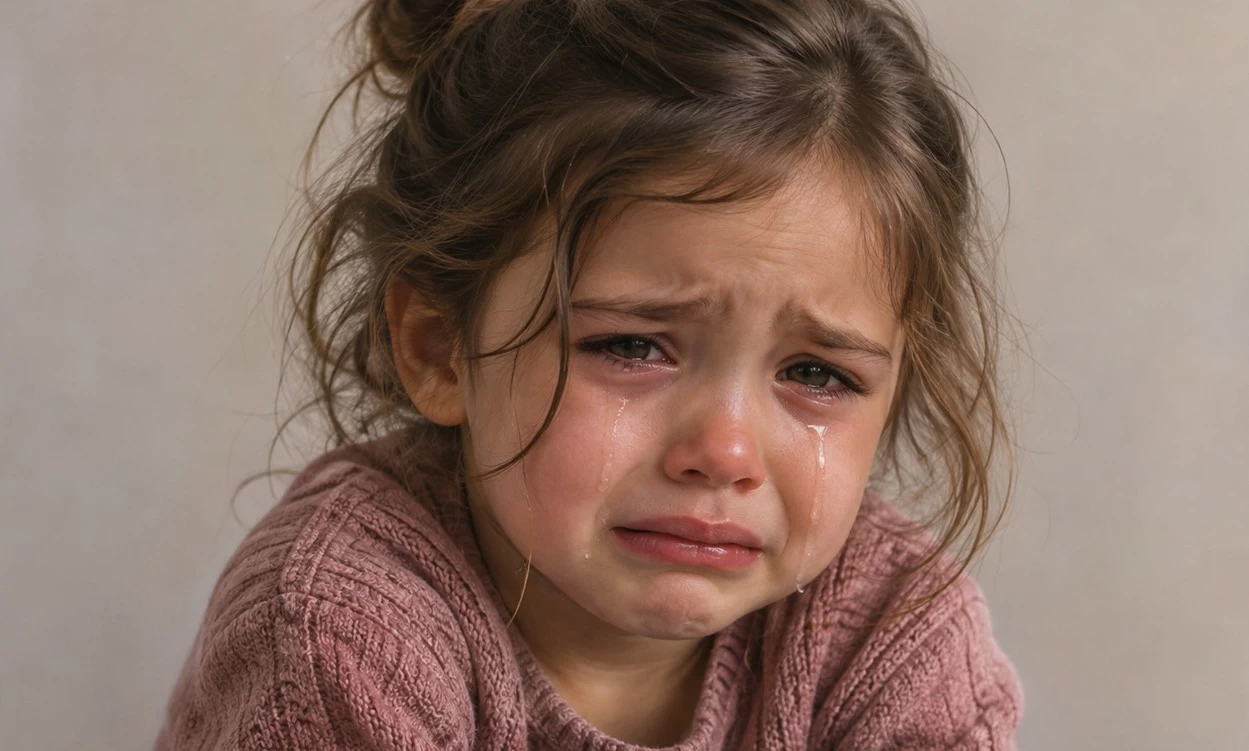
العنف من القضايا التي تمس استقرار الأسرة والمجتمع ولا تقتصر آثاره على الأذى الجسدي بل تمتد إلى الصحة النفسية والاجتماعية للأشخاص المتعرضين للعنف وقد تطال الأطفال بصورة مباشرة أو غير مباشرة، وتشير منظمة الصحة العالمية في تقريرها لعام 2026م، إلى أن نحو مليار طفل تتراوح أعمارهم بين عامين و17 عاماً تعرّضوا خلال العام الماضي لشكل من أشكال العنف أو الإهمال مع تأكيد الدراسات على الآثار الممتدة للعنف داخل الأسرة على صحة الأطفال ونموهم.
على الصعيد المحلي باشر مركز الامتياز للرعاية الاجتماعية بالتجمع الصحي في مكة المكرمة أكثر من 450 حالة عنف وإيذاء أسري في 2024م، قُدمت لها خدمات طبية ونفسية واجتماعية فيما أُحيل 80% منها إلى عيادة التأهيل النفسي الاجتماعي في مؤشر على أهمية التدخل المتخصص والتكامل بين الجهات للتعامل مع تبعات العنف وحماية أفراد الأسرة.
وكشف عدد من أولياء الأمور لـ«عكاظ» رؤيتهم حول تربية الأبناء والأساليب التي يتبعونها في التعامل مع السلوكيات المختلفة مؤكدين أهمية الحوار والاحتواء والقدوة ومنح الأبناء مساحة تتناسب مع أعمارهم لتحمل المسؤولية.
تجاهلوا الأخطاء البسيطة
شيماء مداح
تحدثت شيماء مداح عن تجربتها في أهمية الجمع بين الأساليب التربوية التقليدية والحديثة مع التركيز على تعزيز الوازع الديني داخل الأسرة وبناء بيئة قائمة على القيم والأمان، وفي التعامل مع السلوك غير المرغوب ترى أن الأسلوب يختلف بحسب عمر الطفل وطبيعة السلوك فمع الأطفال الأصغر يمكن تجاهل بعض السلوكيات البسيطة حتى لا تحظى باهتمام بينما يمكن مع الأكبر سناً استخدام ركن العقاب كمساحة للتفكير في الخطأ ومع الأبناء الأكبر سناً إشراكهم في النقاش حول السلوك والعواقب المناسبة، وتشدد شيماء على أهمية الحوار والاحتواء مع الأبناء في مختلف أعمارهم معتبرة أن الطفل الصغير قادر على الاستيعاب متى جرى الحديث معه بهدوء وبأسلوب يناسب عمره.
لا تسخروا منهم
ابتسام عواض
الأخصائية في التوجيه والإرشاد النفسي الدكتورة ابتسام عواض، أشارت إلى أهمية الأمان النفسي في التربية معتبرة أن الطفل يحتاج إلى الحب والاحتواء مع حدود واضحة وثابتة تتيح له التعبير عن مشاعره ومخاوفه دون سخرية أو تخويف وتساعده على إدراك حقوقه وحدوده، وعند وقوع الخطأ تدعو إلى النظر إليه باعتباره فرصة للتعلم من خلال فهم أسباب السلوك وتوضيح الخطأ ووضع نتائج منطقية ومناسبة مع رفض السلوك الخاطئ دون المساس بكرامة الطفل، فالحزم بحسب رؤيتها لا يعني العنف وإنما يهدف إلى تنمية الفهم وتحمل المسؤولية واختيار السلوك الأفضل، وتلفت عواض إلى أن الحوار اليومي يصنع مساحة من الثقة تجعل الأسرة ملاذاً آمناً للطفل عند الخطأ أو الخوف أو التعرض للأذى ويمكن للوالدين وضع الحدود والمحاسبة دون أن يفقد الطفل شعوره بالمحبة والاحترام والأمان.
يتعلم مما يراه لا ما يسمعه!
بندر بن سالم
يرى بندر سالم، أن التربية تبدأ من سلوك الوالدين قبل توجيه الأبناء فالطفل يتعلم مما يراه أكثر مما يسمعه، ويشير إلى أن التعامل مع الأخطاء يحتاج إلى هدوء وفهم للسبب بعيداً عن الصراخ أو الضرب مع وضع حدود واضحة وتعليم الطفل تحمل مسؤولية أفعاله، ويضيف أن حضور الأب ومشاركته في تفاصيل حياة أبنائه يساعد على بناء علاقة متوازنة تجعل التوجيه أكثر تأثيراً وتقلل الحاجة إلى العقاب، وتشارك رنا علي تجربتها التربوية مشيرة إلى أن التربية لا تقوم على أسلوب واحد فلكل طفل شخصيته وطريقته في الاستجابة ما يستدعي فهم حاجاته ومراعاة مرحلته العمرية، وتضيف أن تعزيز السلوك الإيجابي والثناء على المحاولات الجيدة قد يكون أكثر تأثيراً من التركيز المستمر على الأخطاء ويساعد الطفل على تطوير سلوكه وتعزيز ثقته.
كلفوهم بأعمال بسيطة
ويرى عمر الدوسري، أن التربية الحقيقية تقوم على إعداد الأبناء للحياة لا حمايتهم من كل تجربة أو خطأ، ويشير إلى أهمية منح الطفل مساحة لاتخاذ القرار بما يتناسب مع عمره مع توجيهه عند الحاجة، ويعتبر أن تحمل النتائج الطبيعية للأفعال يساعد الأبناء على فهم المسؤولية بصورة عملية، كما يرى أن تكليفهم بمهام بسيطة داخل المنزل يعزز الاعتماد على النفس والانضباط، ويختتم بأن الهدف من التربية هو بناء شخصية قادرة على الاختيار وتحمل المسؤولية.
نوبات هلع وأعراض كرب
كشف عدد من المختصين لـ«عكاظ» الآثار النفسية والتربوية والاجتماعية للعنف الأسري وسبل اكتشافه والوقاية منه ودور الإعلام والأنظمة في حماية الأطفال والمتضررين ويوضح الأخصائي النفسي الإكلينيكي خالد شراحيلي، أن تعرض الطفل للعنف قد يؤدي إلى اضطرابات القلق الحاد وقلق الانفصال ونوبات الهلع وأعراض كرب ما بعد الصدمة إلى جانب تدني مفهوم الذات والشعور بالذنب، ومع استمرار العنف قد يتأثر الإحساس الأساسي بالأمان ما يزيد احتمالية الاكتئاب وصعوبات تنظيم الانفعالات على المدى البعيد، وتظهر آثار التعنيف في سلوكيات مختلفة أبرزها الانسحاب والانطواء المفاجئ والتراجع الدراسي والصمت غير المعتاد واضطرابات النوم والكوابيس والتبول اللاإرادي في حين قد تظهر لدى أطفال آخرين بصورة عدوانية كالغضب الشديد وإيذاء الذات أو الآخرين وفرط اليقظة والمبالغة في ردود الفعل تجاه الأصوات أو الحركات المفاجئة، ويصنف شراحيلي التجاهل المتعمد والصمت العقابي ضمن الإهمال العاطفي والإيذاء النفسي موضحاً أن حرمان الطفل من التفاعل والاستجابة الوجدانية قد يؤثر في شعوره بالأمان والاستحقاق ويترك آثاراً عاطفية عميقة قد تمتد إلى مراحل لاحقة من حياته، ولا يقتصر الإيذاء على الضرب فالإهانة والتقليل المستمر والتهديد والسخرية والتلاعب النفسي من أشكال العنف التي قد لا تترك آثاراً جسدية ظاهرة.
الوالدية المعكوسة !
خالد شراحيلي
شراحيلي، يشير إلى «الوالدية المعكوسة» حين يتحمل الطفل أعباء نفسية تفوق مرحلته العمرية وقد يتكيف معها من خلال المثالية المفرطة أو الطاعة العمياء أو السعي للحصول على الحب المشروط، ويستخدم المختص النفسي الإكلينيكي شراحيلي أساليب تساعد على تجاوز حاجز الصمت من بينها العلاج باللعب والرسم إلى جانب بناء علاقة علاجية وبيئة آمنة تساعد الطفل على الإفصاح تدريجياً، كما تتم ملاحظة سلوكه وتعبيراته الانفعالية ولغة جسده أثناء التفاعل العلاجي.
الخلافات وفرض السيطرة
محمد آل ذياب
يرى المستشار النفسي والتربوي محمد سعد آل ذياب أن العنف الأسري يزعزع شعور الطفل بالأمان وثقته بنفسه وبمن حوله وقد تظهر آثاره في صورة قلق أو انسحاب أو سلوكيات عدوانية، وقد لا تكون هذه الآثار فورية إذ يمكن أن تظهر لاحقاً مع الضغوط الحياتية خصوصاً إذا لم تتم معالجة التجربة في وقتها.
ويشير آل ذياب، إلى أن الطفل يتعلم بالملاحظة وقد يكتسب السلوك العنيف من البيئة المحيطة به فيتعامل معه بوصفه وسيلة لحل الخلافات أو فرض السيطرة ما قد يسهم في تكراره في علاقاته المستقبلية.
كيف تدير غضبك
سليمان النمر
يؤكد المستشار والمدرب الأسري والتربوي في مجال الحماية الأسرية سليمان محمد النمر أن العنف الأسري لا يقتصر أثره على الفرد بل يمتد إلى تماسك الأسرة والمجتمع إذ يضعف الشعور بالأمان والثقة والتواصل ويزيد الصراعات والانقسام داخل المنزل، كما قد يتأثر الأبناء بمشاهدة العنف من خلال التعلم بالملاحظة فيتعلم بعضهم أن الصراخ أو الضرب وسيلة لحل الخلافات فيما قد يظهر لدى آخرين الخوف والانسحاب أو صعوبة التعبير عن المشاعر وبناء علاقات صحية.
وقد تمتد هذه الآثار إلى العلاقات المستقبلية إلا أن التعرض للعنف لا يعني حتمية تكراره إذ يمكن للبيئة الآمنة ووجود شخص بالغ داعم والتدخل التربوي والنفسي المبكر أن تساعد الطفل على تجاوز آثاره.
ويؤكد النمر أن مواجهة العنف تتطلب حماية المتضررين ومعالجة أسبابه وتعزيز الحوار وإدارة الغضب وحل الخلافات مع الاستعانة بالمختصين عند الحاجة، ويؤكد أن الوعي يبدأ من داخل الأسرة بتغيير طريقة التعامل مع الخلافات وترسيخ الحوار والاستماع للأبناء وتعليم أفراد الأسرة إدارة الغضب وحل الخلافات دون صراخ أو إهانة أو تهديد إلى جانب تصحيح المفاهيم التربوية التي تبرر الضرب والتخويف، وتتطلب الوقاية تكامل أدوار الأسرة والمدرسة والمجتمع من خلال برامج التوعية والتواصل الإيجابي وتعزيز دور المختصين والاستشارة الأسرية المبكرة وتشجيع الأسر على تخصيص أوقات للحوار والمشاركة، ويشدد النمر على أن التدخل المبكر يسهم في الحد من آثار العنف وحماية الأبناء.
فرق بين الحزم والإيذاء
عادل المكينزي
أستاذ الإعلام في جامعة الملك سعود الدكتور عادل المكينزي، يرى أن دور الإعلام يبدأ من تصحيح المفاهيم التي تبرر العنف باعتباره تربية أو تأديباً وتوضيح الفرق بين الحزم التربوي والإيذاء مع تقديم بدائل تربوية عملية والاستعانة بالمختصين، ويلفت المكينزي إلى أن القصص الإنسانية والمشاهد الدرامية والفيديوهات القصيرة قد تكون أكثر تأثيراً من الرسائل المباشرة مع مراعاة طبيعة كل منصة وربط المحتوى بمعلومات عملية حول التعرف على الإيذاء وطرق طلب المساعدة.
ويشدد على أن التوعية تحتاج إلى أن تكون مستمرة لا موسمية من خلال محتوى يستند إلى الدراسات والبيانات ويستهدف الأسرة والأطفال واليافعين إلى جانب تدريب الإعلاميين على تناول القضية بمهنية وحماية خصوصية المتضررين وكرامتهم، ويؤكد أن الإعلام لا ينبغي أن يكتفي بالتحذير من العنف بل يسهم في بناء وعي يساعد على الوقاية منه وتغيير السلوك.
لا حصانة للمعتدي
عمر العتيبي
يبين المستشار القانوني عمر العتيبي، أن الأنظمة السعودية لا تمنح الصفة الأسرية حصانة للمعتدي إذ يُنظر إلى الواقعة بحسب طبيعة الفعل وجسامته والآثار المترتبة عليه ويشمل الإيذاء الأفعال الجسدية والنفسية والجنسية والتهديد بها إضافة إلى الإهمال والتقصير في توفير الحاجات الأساسية، وتختلف العقوبات بحسب نوع الجريمة وظروفها مع تشديدها في بعض الحالات ومنها تكرار الإيذاء أو استخدام السلاح أو الاعتداء على فئات محددة.
ويشير العتيبي إلى أن حماية الأطفال تتطلب الإبلاغ عن حالات الإيذاء أو الإهمال وتُلزم الأنظمة من يعلم بهذه الحالات بإبلاغ الجهات المختصة مع توفير آليات للتعامل معها وحماية الطفل، كما يمكن الإبلاغ عن حالات العنف الأسري عبر مركز بلاغات العنف الأسري بما يتيح للجهات المختصة تقييم الحالة واتخاذ الإجراءات اللازمة.
Violence is one of the issues that affects the stability of families and communities, and its effects are not limited to physical harm but extend to the mental and social health of individuals exposed to violence. It can directly or indirectly affect children. The World Health Organization, in its report for 2026, indicates that about one billion children aged between two and 17 experienced some form of violence or neglect last year, with studies confirming the prolonged effects of domestic violence on children's health and development.
Locally, the Center of Excellence for Social Care at the Health Cluster in Mecca dealt with more than 450 cases of violence and domestic abuse in 2024, providing them with medical, psychological, and social services, while 80% of these cases were referred to the psychosocial rehabilitation clinic, indicating the importance of specialized intervention and integration among agencies to address the consequences of violence and protect family members.
Several parents shared their views with "Okaz" regarding raising children and the methods they use to deal with various behaviors, emphasizing the importance of dialogue, nurturing, role modeling, and giving children space appropriate to their ages to take on responsibilities.
Ignore minor mistakes
Shaima Madah spoke about her experience in the importance of combining traditional and modern educational methods, focusing on enhancing religious motivation within the family and building an environment based on values and safety. In dealing with undesirable behavior, she believes that the approach varies according to the child's age and the nature of the behavior. With younger children, some minor behaviors can be ignored so they do not receive attention, while with older children, the punishment corner can be used as a space for reflection on the mistake. With older children, involving them in discussions about behavior and appropriate consequences is crucial. Shaima emphasizes the importance of dialogue and nurturing with children of all ages, considering that a young child is capable of understanding when spoken to calmly and in an age-appropriate manner.
Do not mock them
Dr. Ibtisam Awad, a specialist in psychological guidance and counseling, pointed out the importance of psychological safety in upbringing, considering that a child needs love and nurturing with clear and consistent boundaries that allow them to express their feelings and fears without mockery or intimidation, helping them understand their rights and limits. When a mistake occurs, she advocates viewing it as an opportunity to learn by understanding the reasons behind the behavior, clarifying the mistake, and establishing logical and appropriate consequences while rejecting the wrong behavior without undermining the child's dignity. According to her view, firmness does not mean violence but aims to develop understanding, responsibility, and the choice of better behavior. Awad highlights that daily dialogue creates a space of trust that makes the family a safe haven for the child in times of mistakes, fear, or exposure to harm, allowing parents to set boundaries and hold children accountable without the child losing their sense of love, respect, and safety.
They learn from what they see, not what they hear!
Bandar Salem believes that upbringing starts with the behavior of parents before guiding the children, as children learn more from what they see than from what they hear. He points out that dealing with mistakes requires calmness and understanding of the reason, away from shouting or hitting, while setting clear boundaries and teaching the child to take responsibility for their actions. He adds that a father's presence and participation in the details of his children's lives help build a balanced relationship that makes guidance more effective and reduces the need for punishment. Rana Ali shares her educational experience, indicating that upbringing does not rely on a single method, as each child has their personality and way of responding, which necessitates understanding their needs and considering their developmental stage. She adds that reinforcing positive behavior and praising good attempts can be more effective than continuously focusing on mistakes, helping the child develop their behavior and boost their confidence.
Assign them simple tasks
Omar Al-Dosari believes that true upbringing is about preparing children for life, not protecting them from every experience or mistake. He emphasizes the importance of giving the child space to make decisions appropriate to their age while guiding them when necessary. He considers that bearing the natural consequences of actions helps children understand responsibility practically. He also believes that assigning them simple tasks at home enhances self-reliance and discipline, concluding that the goal of upbringing is to build a character capable of making choices and taking responsibility.
Panics and stress symptoms
Several specialists revealed to "Okaz" the psychological, educational, and social effects of domestic violence, ways to detect it, prevent it, and the role of media and regulations in protecting children and victims. Clinical psychologist Khalid Sharahili explains that exposure of a child to violence can lead to acute anxiety disorders, separation anxiety, panic attacks, and post-traumatic stress symptoms, along with a diminished sense of self-worth and feelings of guilt. With ongoing violence, the basic sense of safety may be affected, increasing the likelihood of depression and difficulties in emotional regulation in the long term. The effects of abuse manifest in various behaviors, most notably withdrawal, sudden introversion, academic decline, unusual silence, sleep disturbances, nightmares, and bedwetting, while in other children, it may appear in aggressive forms such as intense anger, self-harm, or harm to others, hyper-vigilance, and exaggerated reactions to sudden sounds or movements. Sharahili classifies deliberate neglect and punitive silence as forms of emotional neglect and psychological abuse, explaining that depriving a child of interaction and emotional responsiveness can affect their sense of safety and worthiness, leaving deep emotional scars that may extend into later stages of their lives. Abuse is not limited to physical harm; humiliation, constant belittling, threats, mockery, and psychological manipulation are forms of violence that may not leave visible physical marks.
Reverse parenting!
Sharahili refers to "reverse parenting" when a child bears psychological burdens beyond their developmental stage, which they may adapt to through excessive idealism, blind obedience, or striving for conditional love. The clinical psychologist uses methods to help overcome the barrier of silence, including play therapy and drawing, alongside building a therapeutic relationship and a safe environment that helps the child gradually disclose their feelings. The child's behavior, emotional expressions, and body language are observed during therapeutic interactions.
Conflicts and control
Psychological and educational consultant Mohammed Saad Al-Dhiab believes that domestic violence undermines a child's sense of safety and self-confidence, and its effects may manifest as anxiety, withdrawal, or aggressive behaviors. These effects may not be immediate; they can appear later with life pressures, especially if the experience is not addressed in a timely manner.
Al-Dhiab points out that children learn through observation and may acquire violent behavior from their surrounding environment, treating it as a means to resolve conflicts or impose control, which may contribute to its recurrence in their future relationships.
How to manage your anger
Family protection consultant and trainer Suleiman Mohammed Al-Nimr emphasizes that the effects of domestic violence are not limited to the individual but extend to the cohesion of the family and community, weakening the sense of safety, trust, and communication, and increasing conflicts and divisions within the home. Children may be affected by witnessing violence through observational learning, with some learning that shouting or hitting is a way to resolve conflicts, while others may exhibit fear, withdrawal, or difficulty expressing emotions and building healthy relationships.
These effects may extend to future relationships, but exposure to violence does not mean it will inevitably be repeated. A safe environment, the presence of a supportive adult, and early educational and psychological intervention can help the child overcome its effects.
Al-Nimr asserts that confronting violence requires protecting victims, addressing its causes, enhancing dialogue, managing anger, and resolving conflicts, with the assistance of specialists when needed. He emphasizes that awareness begins within the family by changing the way conflicts are handled, establishing dialogue, listening to children, and teaching family members to manage anger and resolve conflicts without shouting, humiliation, or threats, alongside correcting educational concepts that justify hitting and intimidation. Prevention requires the integration of roles among the family, school, and community through awareness programs, positive communication, enhancing the role of specialists, early family counseling, and encouraging families to allocate time for dialogue and participation. Al-Nimr stresses that early intervention contributes to reducing the effects of violence and protecting children.
There is a difference between firmness and abuse
Professor of Media at King Saud University Dr. Adel Al-Muqinzi believes that the role of media begins with correcting concepts that justify violence as a form of upbringing or discipline and clarifying the difference between educational firmness and abuse, providing practical educational alternatives, and seeking the assistance of specialists. Al-Muqinzi points out that human stories, dramatic scenes, and short videos may have a more significant impact than direct messages, considering the nature of each platform and linking the content to practical information about recognizing abuse and ways to seek help.
He emphasizes that awareness needs to be continuous, not seasonal, through content based on studies and data targeting families, children, and adolescents, alongside training media professionals to address the issue professionally while protecting the privacy and dignity of victims. He asserts that media should not only warn against violence but also contribute to building awareness that helps prevent it and change behavior.
No immunity for the abuser
Legal consultant Omar Al-Otaibi explains that Saudi regulations do not grant familial status immunity to the abuser, as the incident is viewed based on the nature of the act, its severity, and the resulting effects. Abuse includes physical, psychological, and sexual acts, as well as threats, in addition to neglect and failure to provide basic needs. Penalties vary according to the type of crime and its circumstances, with stricter penalties in some cases, including repeated abuse, use of weapons, or assault on specific groups.
Al-Otaibi points out that protecting children requires reporting cases of abuse or neglect, and regulations obligate those who are aware of such cases to inform the relevant authorities, providing mechanisms to deal with them and protect the child. Cases of domestic violence can also be reported through the Domestic Violence Reporting Center, allowing relevant authorities to assess the situation and take necessary actions.