لم يعد البحث عن شريك العمر مجرد رحلة عاطفية محفوفة بالترقب، بل تحول في نظر الكثيرين إلى «أزمة عصر» تتجاذبها أمواج التغيير الاجتماعي والتقني. فمن أزقة الأحياء القديمة و«الخطّابة» التي تحمل أسرار البيوت وتنسج روابط الزواج، انتقلت رحلة البحث عن عروس إلى فضاءات التطبيقات الذكية التي تعد بجمع القلوب عبر البيانات والخوارزميات، في تحول جذري فرضه إيقاع العصر ومتطلباته الجديدة.
طرق تقليدية
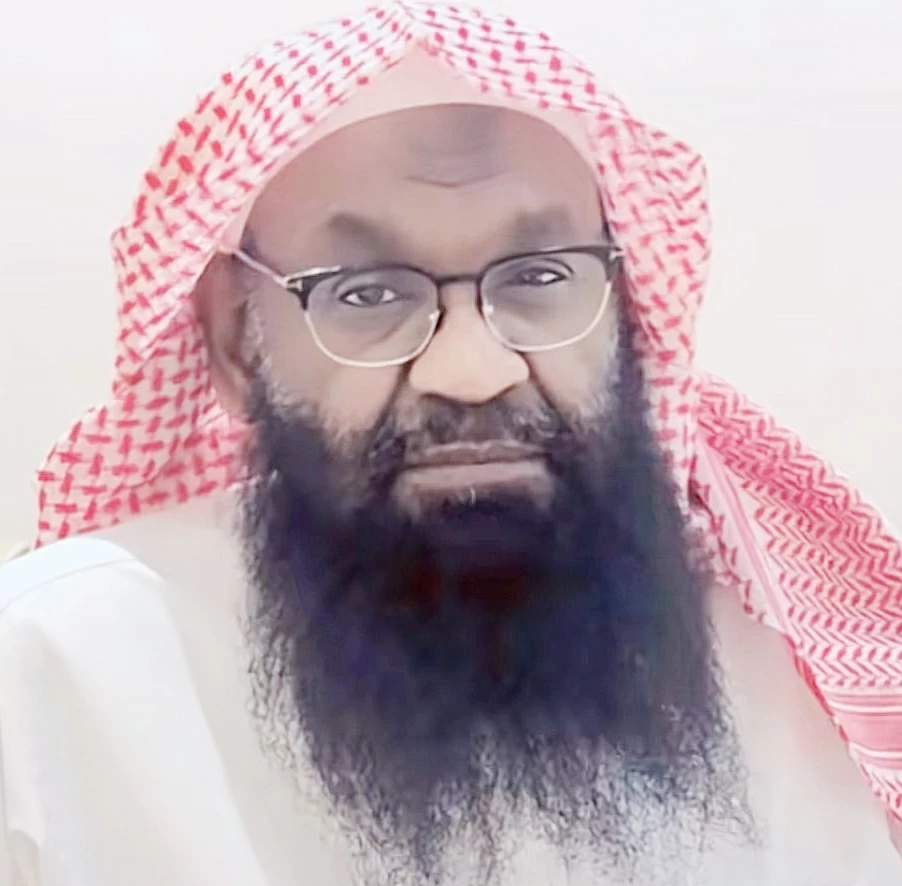
التحوّل الرقمي وجد صدى لدى النخب والمؤثرين؛ إذ اعتبر الشيخ عادل الكلباني، في فيديو متداول، أن هذه الوسائل الجديدة قد تمنح موثوقية أعلى من الطرق التقليدية، مشيراً إلى أنها أقل تكلفة وأكثر جدية ووضوحاً، كونها تقوم على بحث دقيق بعيداً عن غلبة العواطف التي قد تشوب عمل الخطّابات. ومع تزايد التوجه نحو هذه المنصات، لم يعد خافياً أن ممارسات بعض الخطّابات التقليديات قد انحرفت نحو مساحات رمادية تتداخل فيها المصالح الشخصية، وظهرت للنور قصص استدراج ومشكلات متكررة، ما طرح تساؤلات ملحّة حول ضرورة تنظيم هذا الدور أو إعادة تعريفه بما يتناسب مع معايير الأمان الحالية بعيداً عن «أكشط واربح».
ومع ذلك، فإن هذا «النور الرقمي» لا يعني بالضرورة الوصول التلقائي إلى بر الأمان؛ فالتقنية مهما بلغت من الشفافية والذكاء، تظل أداة تمنح مساحة أوسع للاختيار لكنها لا تلغي احتمالات التضليل أو «التجميل الرقمي» والخداع. وفي نهاية المطاف، يبقى السؤال الجوهري قائماً: هل تكمن النجاة في جودة الوسيلة وتطورها؟ أم في وعي المستخدم الذي يقف خلف الشاشة؟ فالفارق الحقيقي لا يصنعه نوع الوسيط، بل قدرة الفرد على التحقق، ورسم حدود واضحة لما يقبله ويرفضه في رحلة البحث عن شريك الحياة.
مغالاة في الشروط
سلطان محمد يقول: إنه ظل تائهاً يبحث عن شريكة حياته بعد محاولات فاشلة، ووقع ضحية دفع مبالغ طائلة على إحدى الخطّابات التي حدد لها الشروط، وفي كل مرة لا تتحقق تلك فيضطر إلى دفع مبالغ مالية كبداية اتفاق. ومن جانبه يرى حسين أحمد أن إحدى الخطّابات طلبت منه مقدم خمسة آلاف للنظرة الشرعية فقط، وبالفعل دفع المبلغ وبعدها اتضح أنها غير متوافقة مع شريكة المستقبل.
لكن الخطّابة أم محمد، ترى أن الرجال أكثر شروطاً وتعقيداً من النساء، وهنا تكمن الإشكالية وهن كخطّابات يبحثن عن «توفيق راسين بالحلال» والأجر من الله على مهنتهن. ويروي محمد عمر، أنه اتبع الطرق التقليدية القديمة من خلال مشورة والدته في من تراها شريكة صالحة ودائمة في حياته وتكوين أسرته وكتب الله له التوفيق. ويؤيده عبدالمحسن محمد، في ذلك أن الأم لا يمكن أن تغش فلذة كبدها.
فرق بين التعارف والزواج
كشف ريان الغصون (مؤسس أحد هذه التطبيقات)، أن السؤال الأكثر تكراراً عليه كلما استفسر الأصدقاء المقربون عن حياته الزوجية، يجيبهم بكثير من الامتنان أنه يعيش نعمة لا تُقدّر، وبركاتها كل يوم، وحين يطلبون معرفة السر، يقول لهم بثقة إن الأساس بعد توفيق الله هو الدقة في اختيار من ينسجم معك فكرياً وعاطفياً، ويتوافق مع قيمك، ويتلاءم مع أسلوب حياتك، وعندها يبتسم بعض المؤيدين للزواج التقليدي، ويقولون: هذا غير مضمون، وهو أشبه بطريقة أكشط واربح! فيرد عليهم بأن الزمن تغيّر، وأنّ الانفتاح الهائل جعل الاختيار أصعب، لكنه في الوقت نفسه أتاح وسائل أكثر وعياً ونضجاً للبحث عن شريك الحياة، فلم يعد الاضطرار للاعتماد على منصات التواصل التي تشتت أكثر مما تجمع، بل أصبح بالإمكان استخدام تطبيقات موثوقة صُمّمت خصيصاً للزواج الجاد. ويضيف أن تطبيقات الزواج الجادة تقوم على آلية ذكية ومعايير واضحة تحفظ خصوصية مجتمعنا، وهناك فرق جوهري بين تطبيقات التعارف وتطبيقات الزواج؛ فالأولى صُممت لتُبقي المستخدم أطول وقت ممكن، بينما نرى أن النجاح الحقيقي يكمن في أن يغادر المستخدم التطبيق لأنه وجد شريك حياته، وأضاف الغصون أن أكثر من 3000 حالة زواج ناجحة تمّت عبر إحدى المنصات.
تراجع الصور الرومانسية
حورية الحربي (اختارت زوجها عن طريق أحد التطبيقات)، تقول: لم تعد كثيرٌ من النساء الواعيات في مجتمعنا والراغبات في الزواج، ينتظرن فارس الأحلام ليأتيهنّ «على فرسٍ أبيض»، فقد تراجع حضور الصورة الرومانسية التقليدية أمام واقعٍ يفرض على المرأة أن تختار ما يناسبها هي وليس ما يراه الآخرون، فهي الأدرى بذاتها وبما يحقق لها الأمان والاستقرار ويصلح شأنها، وليس في ذلك أي عيب، بل هو جوهر الحكمة ولبّ الواقعية.
وأشارت الحربي، إلى أن توجه بعض النساء إلى التطبيقات الموثوقة والجادة، بحثاً عن شريك حياة ينسجم مع تطلعاتهنّ، ويشاركهنّ قيمهنّ، دون إغفال الجانب العملي الذي تفرضه الحياة اليومية.
وأضافت، أن الزواج الصحيح يمنح المرأة سعادتها واستقرارها، ولذلك يستحق جهداً صادقاً في البحث والتمحيص، ووعياً في اتخاذ القرار، وتحديداً واضحاً للقيم والأولويات التي تحفظ بها نفسها ودينها، وتنسجم مع بيئتها ومجتمعها.
ومن واقع تجربة شخصية، ذكرت الحربي: وجدتُ أن اللجوء إلى تطبيقات الزواج التي تتبع معايير دقيقة وخطوات ذكية خياراً مناسباً؛ فهي تمنح الفتاة فرصاً واضحة، وتحميها من تسلية البعض ووعودهم العابرة، وتوفر لها سرعة وجودة في الوصول إلى الشريك الذي تستحقه.
ودعت الحربي، الراغبات في الزواج للاستعانة بالله، واختيار الطريق الأمثل، والابتعاد عن منصات التعارف الوهمية، لتكون صاحبة القرار، ولا أسيرة الانتظار.
50 ريالاً عن كل سنة!
ترى المحامية فاطمة القرشي، أن الزواج مهما اختلفت وسائله هو عقد له قدسيته وآثاره القانونية والاجتماعية. ومع تطور الوسائل التقنية، تبرز الحاجة إلى تحقيق التوازن بين المرونة في التعارف والصرامة في الضوابط القانونية، بما يحفظ الحقوق ويحد من النزاعات، فليست المشكلة في الوسيلة بحد ذاتها، بل في كيفية استخدامها ضمن إطار قانوني وأخلاقي سليم، ويكون الزواج عبر التطبيقات ووسائل الاتصال الحديثة (الفيديو، الصوت) صحيحاً من الناحية الشرعية وقانونياً إذا استوفى الأركان والشروط الشرعية كافة وتم توثيقه رسمياً.
وأضافت، أن أهم تلك الشروط؛ الإيجاب والقبول والشهود وخلو الزوجين من الموانع الشرعية.
ومن ناحية نوعية العقوبات إذا تم التلاعب في الشروط مثل زواج مسيار غير موثق، أو زواج دون تصريح، قالت: إن غرامة التأخير في التوثيق 50 ريالاً عن كل سنة تأخير بعد مضي 60 يوماً من العقد، مع عدم الاعتراف بالزواج رسمياً أمام الجهات الحكومية.
أما عقوبة تزوير البيانات فهي السجن والغرامة، وعليه فإن وسيلة التعارف (سواء عبر تطبيق أو خطّابة) لا تؤثر في صحة العقد من حيث المبدأ، طالما استوفت هذه الأركان والشروط النظامية.
تحوّل في اختيار الشريك
الإخصائية الاجتماعية مناهل الجعيد، توضح أن تطبيقات التعارف والوساطة الرقمية أحدثت تحولاً واضحاً في طرق اختيار شريك الحياة، إذ أتاحت فرصاً أوسع للتعارف خارج نطاق العائلة والمعارف، وسهّلت الوصول لأشخاص يشاركون الاهتمامات والقيم اجتماعياً.
وأضافت أن هذه التطبيقات ساهمت في كسر بعض الحواجز التقليدية، لكنها في المقابل خلقت تحديات جديدة مثل ضعف الجدية لدى البعض، وتعدد الخيارات الذي قد يسبب تردداً في اتخاذ القرار، إضافة إلى مخاوف تتعلق بالخصوصية والمصداقية.
وأوضحت الجعيد، أن انتقال دور الأم والخطّابة إلى الوسيط الرقمي قلل من التدخل الأسري المباشر، لكنه لم يلغِ أهمية دور الأسرة في التحقق والتوجيه، وفي النهاية لا يمكن اعتبار هذه الوسائل بديلاً كاملاً عن الطرق التقليدية، بل أصبحت أداة إضافية تتطلب وعياً اجتماعياً وأخلاقياً لضمان أن يكون الهدف هو الزواج الحقيقي لا العلاقات المؤقتة.
إيجابيات وسلبيات
الأخصائي النفسي دخيل البراق قال: إن الزواج طالما تم بميثاق وأحكام شرعية سواء من الواقع أو من المواقع، في النهاية هو زواج، وكل زواج له إيجابياته وسلبياته ومعاييره.
ويضيف، أن الزواج الإلكتروني يختلف في طريقة التعارف بنية الزواج بسبب عدم الاعتماد على العائلة والتمرد على الوصاية أو قلة الحظوظ وإخفاء العيوب، من هنا فتحت الخاطبات تواصلهن المباشر أو المواقع الإلكترونية لتسهيل المهمة في البحث عن شريك الحياة الجاد والمتوافق في الظروف والطموح وأنماط الشخصية للوصول إلى الاستقرار النفسي والاجتماعي والعاطفي.
وأضاف البراق، أن الانعكاسات النفسية تبدأ من نظرة الأسرة التي تندرج تحت السؤال الأول «كيف تعرفّتِ عليه؟» وإلى أن تتم الموافقة من عدمها ليتم الزواج تحدث الصدمة عند اكتشاف الخفايا ثم الندم وانعدام الاستقرار النفسي وعدم تحمل المسؤولية والركود العاطفي، يتبعها البحث عن مسببات الاضطرابات من خلال تأكيد شكوك الخيانة واستغلال ظروف الطرف الآخر والتركيز على العيوب، حتى يقع الطلاق وتنتج عنه الاضطرابات النفسية وخلل في صورة المجتمع، لما يحدثه من تبعات سلبية لا حصر لها.
كبار السن والأرامل!
ويتابع البراق: من أهم معايير الزواج من المواقع الصدق والجدية والتحلي بالصبر لكلا الباحثين عن بناء علاقة أسرة دائمة، وإذا لم تتحقق هذه المعايير يحدث الخلل.
ويؤكد أن أكثر الباحثين عن الزواج الإلكتروني هم من كبار السن والمغتربين والأرامل وغير المتزوجين والمنفصلين وذوي الظروف الصحية والنفسية والعقلية، وتقل بينهم فئة الشباب، حاثاً الجهات ذات الاختصاص على أن تشرف على المواقع المحلية وتوثيقها للوصول إلى جودة عالية ومصداقية في البحث وعدم الاحتيال في ظل تزايد حاجة الفئة المستهدفة.
من مجلس العائلة إلى الشاشة
الأديب الدكتور عايض الزهراني، قال: إن تحوّل التوفيق بين الزوجين من مجلس العائلة إلى شاشة الهاتف يكشف تغيراً عميقاً في بنية المجتمع لا في وسائله فقط. فقد انتقلت المبادرة من الجماعة إلى الفرد ومن المعرفة المباشرة إلى البيانات الرقمية ومن الثقة الاجتماعية إلى التوثيق الإلكتروني.
وأوضح الزهراني، أن هذا التحوّل ليس خيراً مطلقاً ولا شراً مطلقاً بل هو مرآة لزمن جديد. فإذا ضُبط بالقيم والصدق والرقابة صار وسيلة لتوسيع فرص الاختيار وتجاوز ضيق الدوائر التقليدية، أما إذا ترك لمنطق السوق والاستغلال تحول إلى تجارة بالعاطفة وحاجة الإنسان إلى الاستقرار حيث ترتفع الرسوم وتضعف الضمانات وتتسلل المبالغة والنصب خلف شعارات الحداثة.
وأكد الدكتور الزهراني، أن الزواج ليس مجرد توافق معلومات بل اطمئنان روح وصدق نية وحضور عائلة ووعي مجتمع، لذلك لا ينبغي أن تلغي التقنية الحكمة القديمة بل تخدمها، فالمشكلة ليست في التطبيق بل في غياب الضمير والمعيار والثقة.
استخدموها بمسؤولية
المحاضرة في الإعلام بجامعة الطائف الدكتورة عزيزة الحارثي ترى أن الإعلام يشكّل عنصراً محورياً في استيعاب التغيّرات الاجتماعية ومتغيّرات العصر الرقمي وتوجيهها في ترسيخ ثقافة الاستخدام المسؤول للتكنولوجيا، والوعي بتأثيرها في بناء العلاقات الاجتماعية.
وأوضحت أنه مع التسارعات التقنية والعقول الرقمية التي شُكلت ذهنياً على استخدام التطبيقات في سائر الأمور الحياتية، برزت تطبيقات التعارف كجزء أساسي من واقع العصر الحالي.
وكشفت الحارثي أن التحوّل يعكس تغيراً في أنماط التواصل، إذ باتت التكنولوجيا وسيطاً أساسياً في التعارف بين الأفراد، ولن يجدي الحل في استقصائها لدى مجتمع رقمي، بل تكييفها ضمن نطاق المجتمع وترسيخ القيم الإيجابية في استخدامها، والتحقق من المصداقية بين الأطراف، ما يُعنى بالاستخدام المسؤول للفرد، وهذا ما يصب على عاتق المؤسسات الإعلامية مسؤولية توجيه الأفراد، واستثمار التحول الرقمي لإيجاد التوازن بين التطور التكنولوجي الرقمي وبناء الأسرة بناءً سليماً، وتشكيل وعي جماعي لضمان توظيفها التوظيف الأمثل في إثراء التجربة الإنسانية لمجتمعات وخلفيات مختلفة، وزيادة فرص التوافق لإعادة تشكيل العلاقات الاجتماعية بأساليب مبتكرة وتحقيق الاستفادة المثلى من التقنيات الحديثة.
وأكدت الحارثي، أنه يمكن القول إن تطبيقات التعارف أصبحت وسيلة حديثة لبناء العلاقات، وبداية لتشكيل اللبنة الأولى في المجتمعات وتأسيس أسرة ناجحة إذا استُخدمت بشكل مسؤول ومتوازن.
Searching for a life partner is no longer just an emotional journey filled with anticipation; it has transformed for many into a "crisis of the era," shaped by the waves of social and technological change. From the alleys of old neighborhoods and the "matchmakers" who carry the secrets of homes and weave the bonds of marriage, the quest for a bride has moved to the realm of smart applications that promise to unite hearts through data and algorithms, in a radical shift imposed by the rhythm of the times and its new requirements.
Traditional Methods
The digital transformation has resonated with elites and influencers; Sheikh Adel Al-Kalbani, in a widely circulated video, considered that these new means may offer greater reliability than traditional methods, pointing out that they are less costly and more serious and clear, as they rely on precise research away from the dominance of emotions that may cloud the work of matchmakers. With the increasing trend towards these platforms, it is no longer hidden that the practices of some traditional matchmakers have deviated into gray areas where personal interests intertwine, and stories of entrapment and recurring problems have come to light, raising urgent questions about the necessity of regulating this role or redefining it in line with current safety standards, away from "scratch and win."
However, this "digital light" does not necessarily mean an automatic arrival at a safe harbor; technology, no matter how transparent and intelligent, remains a tool that provides a wider space for choice but does not eliminate the possibilities of deception or "digital beautification" and fraud. Ultimately, the fundamental question remains: Is salvation found in the quality and advancement of the means? Or in the awareness of the user behind the screen? The real difference is not made by the type of intermediary, but by the individual's ability to verify and draw clear boundaries regarding what they accept and reject in the quest for a life partner.
Exaggeration in Conditions
Sultan Mohammed says that he has remained lost in search of a life partner after failed attempts and fell victim to paying large sums to one of the matchmakers who set conditions for him, and each time those conditions were not met, forcing him to pay financial amounts as a starting agreement. For his part, Hussein Ahmed believes that one of the matchmakers asked him for a five-thousand advance just for the legal viewing, and he indeed paid the amount, only to find out later that she was not compatible with his future partner.
But the matchmaker Um Mohammed sees that men have more conditions and complexities than women, and here lies the problem as they, as matchmakers, seek "the union of two heads in a lawful manner" and the reward from God for their profession. Mohammed Omar recounts that he followed the old traditional methods by consulting his mother about who she sees as a good and lasting partner in his life to build his family, and God granted him success. Abdul Mohsen Mohammed agrees with this, stating that a mother cannot deceive her beloved child.
A Difference Between Acquaintance and Marriage
Ryan Al-Ghsoon (the founder of one of these applications) revealed that the most frequently asked question whenever close friends inquire about his marital life is answered with much gratitude, as he lives an invaluable blessing, with its benefits every day. When they ask to know the secret, he confidently tells them that the foundation, after God's success, is the precision in choosing someone who resonates with you intellectually and emotionally, aligns with your values, and fits your lifestyle. At this point, some supporters of traditional marriage smile and say: this is not guaranteed; it is akin to a scratch-and-win method! He replies that times have changed, and the enormous openness has made choice more difficult, but at the same time, it has provided more conscious and mature means to search for a life partner. There is no longer a need to rely on social media platforms that scatter more than they gather; instead, it has become possible to use reliable applications specifically designed for serious marriage. He adds that serious marriage applications operate on intelligent mechanisms and clear criteria that preserve the privacy of our community, and there is a fundamental difference between acquaintance applications and marriage applications; the former are designed to keep the user engaged for as long as possible, while true success lies in the user leaving the application because they have found their life partner. Al-Ghsoon added that more than 3,000 successful marriages have taken place through one of the platforms.
Decline of Romantic Images
Houriya Al-Harbi (who chose her husband through one of the applications) says that many aware women in our society who wish to marry no longer wait for the knight in shining armor to come to them "on a white horse." The traditional romantic image has diminished in the face of a reality that forces women to choose what suits them rather than what others perceive; they know themselves best and what ensures their safety and stability and improves their situation. There is no shame in that; rather, it is the essence of wisdom and the core of realism.
Al-Harbi pointed out that some women are turning to reliable and serious applications in search of a life partner who resonates with their aspirations and shares their values, without neglecting the practical aspect imposed by daily life.
She added that the right marriage grants a woman her happiness and stability, and thus deserves sincere effort in searching and scrutinizing, awareness in decision-making, and clear determination of the values and priorities that preserve her and her religion and align with her environment and community.
From personal experience, Al-Harbi mentioned: I found that resorting to marriage applications that follow precise standards and intelligent steps is a suitable choice; they provide girls with clear opportunities, protect them from the amusement of some and their fleeting promises, and offer speed and quality in reaching the partner they deserve.
Al-Harbi urged those wishing to marry to seek God's help, choose the best path, and avoid fake acquaintance platforms, to be the decision-makers and not prisoners of waiting.
50 Riyals for Every Year!
Lawyer Fatima Al-Qurashi believes that marriage, regardless of its means, is a contract with its sanctity and legal and social implications. With the evolution of technological means, the need arises to achieve a balance between flexibility in acquaintance and strictness in legal controls, preserving rights and limiting disputes. The issue is not in the means themselves but in how they are used within a sound legal and ethical framework. Marriage through applications and modern communication methods (video, voice) is valid from a legal and Sharia perspective if all the pillars and Sharia conditions are met and officially documented.
She added that the most important of these conditions are: offer and acceptance, witnesses, and the absence of legal impediments for both spouses.
Regarding the types of penalties if the conditions are manipulated, such as unregistered temporary marriage or marriage without a permit, she said that the penalty for delay in documentation is 50 Riyals for each year of delay after 60 days from the contract, with no official recognition of the marriage before government entities.
As for the penalty for falsifying data, it is imprisonment and a fine. Therefore, the means of acquaintance (whether through an application or a matchmaker) do not affect the validity of the contract in principle, as long as these pillars and regulatory conditions are met.
A Shift in Partner Selection
Social specialist Manahil Al-Juaid explains that acquaintance and digital mediation applications have brought about a clear transformation in the ways of choosing a life partner, as they have provided broader opportunities for acquaintance outside the family and acquaintances and facilitated access to people who share social interests and values.
She added that these applications have contributed to breaking some traditional barriers, but they have also created new challenges, such as a lack of seriousness among some, the multitude of options that may cause hesitation in decision-making, in addition to concerns related to privacy and credibility.
Al-Juaid clarified that the transition of the role of the mother and matchmaker to the digital mediator has reduced direct family intervention, but it has not eliminated the importance of the family's role in verification and guidance. Ultimately, these means cannot be considered a complete substitute for traditional methods; rather, they have become an additional tool that requires social and ethical awareness to ensure that the goal is genuine marriage, not temporary relationships.
Positives and Negatives
Psychologist Dakhil Al-Buraq said that as long as marriage is conducted with a covenant and Sharia provisions, whether from reality or from websites, in the end, it is marriage, and every marriage has its positives, negatives, and standards.
He adds that electronic marriage differs in the way of acquaintance with the intention of marriage due to the lack of reliance on family and the rebellion against guardianship or lack of opportunities and hiding flaws. Hence, matchmakers have opened their direct communication or websites to facilitate the task of searching for a serious and compatible life partner in terms of circumstances, ambitions, and personality types to achieve psychological, social, and emotional stability.
Al-Buraq added that the psychological repercussions begin from the family's perspective, which falls under the first question, "How did you get to know him?" Until approval or disapproval occurs for the marriage, shock occurs upon discovering hidden truths, followed by regret, lack of psychological stability, inability to bear responsibility, emotional stagnation, followed by searching for causes of disturbances through confirming suspicions of betrayal, exploiting the other party's circumstances, and focusing on flaws, until divorce occurs, resulting in psychological disturbances and a distortion of the community's image due to the countless negative repercussions it brings.
The Elderly and Widows!
Al-Buraq continues: Among the most important criteria for marriage from websites are honesty, seriousness, and the ability to be patient for both those seeking to build a lasting family relationship. If these criteria are not met, a disruption occurs.
He emphasizes that most seekers of electronic marriage are the elderly, expatriates, widows, unmarried, divorced, and those with health, psychological, and mental conditions, with fewer young people among them. He urges the relevant authorities to oversee local websites and document them to achieve high quality and credibility in the search and prevent fraud in light of the increasing needs of the targeted group.
From the Family Council to the Screen
Writer Dr. Ayed Al-Zahrani said that the shift in the matchmaking process from the family council to the phone screen reveals a profound change in the structure of society, not just in its means. The initiative has shifted from the community to the individual, from direct acquaintance to digital data, and from social trust to electronic documentation.
Al-Zahrani explained that this transformation is neither an absolute good nor an absolute evil but a reflection of a new era. If it is controlled by values, honesty, and oversight, it becomes a means to expand opportunities for choice and transcend the narrow traditional circles. However, if left to market logic and exploitation, it turns into a trade in emotions and human needs for stability, where fees rise, guarantees weaken, and exaggeration and fraud seep in behind the banners of modernity.
Dr. Al-Zahrani affirmed that marriage is not merely a compatibility of information but a reassurance of the soul, sincerity of intention, family presence, and community awareness. Therefore, technology should not cancel out ancient wisdom but serve it. The problem lies not in the application but in the absence of conscience, standards, and trust.
Use It Responsibly
Dr. Aziza Al-Harithi, a lecturer in media at Taif University, believes that media plays a pivotal role in understanding social changes and the transformations of the digital age and guiding them in establishing a culture of responsible technology use and awareness of its impact on building social relationships.
She explained that with technological accelerations and digital minds formed mentally to use applications in all aspects of life, acquaintance applications have emerged as an essential part of the current reality.
Al-Harithi revealed that the transformation reflects a change in communication patterns, as technology has become a primary medium for acquaintance between individuals. The solution will not be in investigating it within a digital community but in adapting it within the community and establishing positive values in its use, verifying credibility between parties, which concerns the responsible use of the individual. This places the responsibility on media institutions to guide individuals and invest in the digital transformation to find a balance between technological advancement and building a sound family, creating a collective awareness to ensure optimal employment of technology in enriching the human experience for diverse communities and backgrounds, and increasing opportunities for compatibility to reshape social relationships in innovative ways and achieve the best use of modern technologies.
Al-Harithi affirmed that it can be said that acquaintance applications have become a modern means of building relationships and the beginning of forming the first building block in societies and establishing a successful family if used responsibly and balanced.