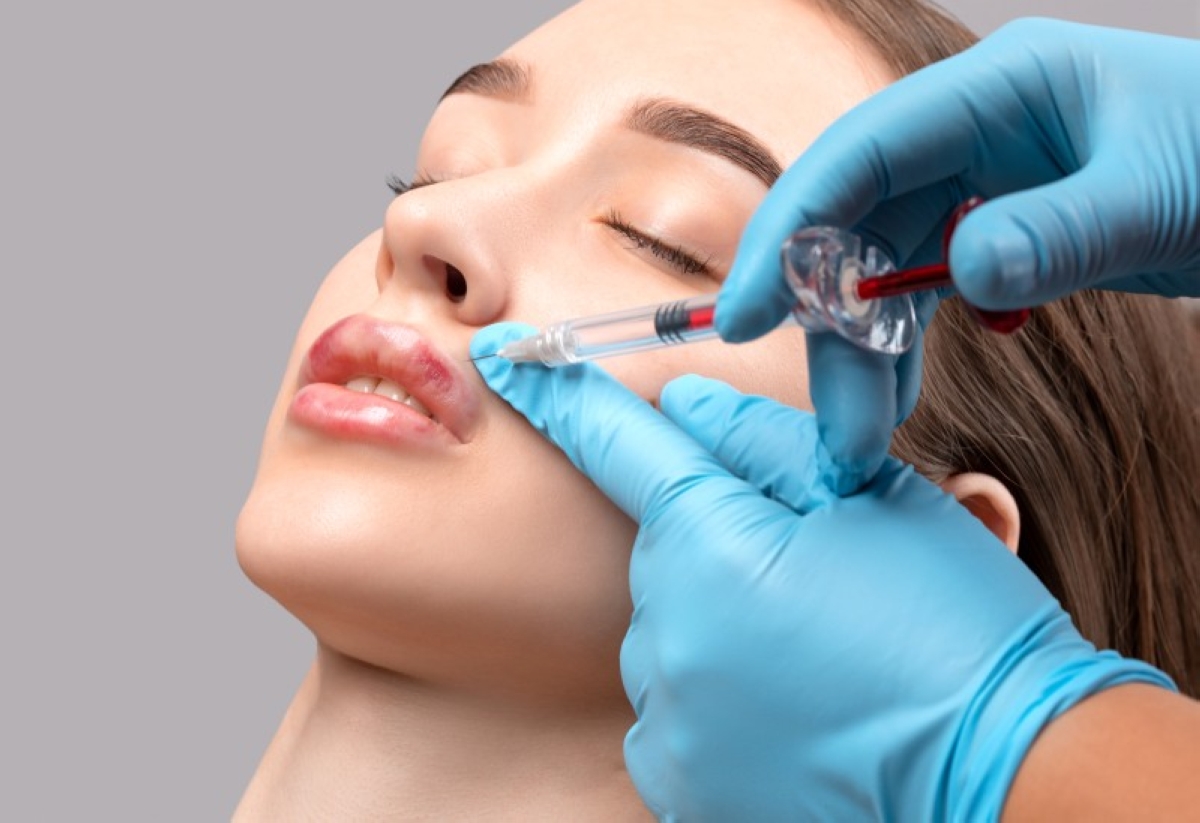
مع تصاعد الإقبال على الإجراءات التجميلية خلال السنوات الأخيرة، برزت حكاية (الفيلر) كأحد أكثر المواضيع جدلاً بين أطباء الجلدية وخبراء التجميل. بين من يراه حلاً سريعاً لاستعادة النضارة والشباب، ومن يحذر من مخاطره ومضاعفاته طويلة المدى. واستطلعت «عكاظ» آراء عدد من أطباء التجميل وسلطت الضوء على الجانب القانوني حال وجود مضاعفات.
وتؤكد استشارية التجميل الدكتورة آلاء عارف، انتهاء الفيلر الدائم من سوق التجميل منذ أكثر من عشر سنوات، لما له من أضرار جانبية على المدى البعيد، فإزالته تتطلب عملية جراحية، ومشكلته تكمن في الالتهابات المتكررة في منطقة الحقن، والبدائل هي الفيلر المؤقت من حمض الهيبورونيك، وهي مادة أصلاً موجودة في الجسم ومتعارف عليها وتختفي تدريجياً، ويمكن التخلص منها، وإذابتها في حال حدوث آثار جانبية أو النتائج تكون مرضية.
الإفراط ينتهي بالترهل
تنصح الدكتورة آلاء عارف بالتعرف والتحقق من المادة المحقنة، فترة صلاحيتها وطبيعتها، وهل للعيادة الإمكانية في تذويبها، ومن الأهمية أخذ الرقم التسلسلي الخاص بالحقنة تحديداً في حال حدثت أي مضاعفات تكون الحقنة لها مرجعية ومتابعة طبية على مستوى الطبيب والعيادة ومصدر الحقنة.
وتشير الدكتورة آلاء في حديثها لـ«عكاظ» إلى أن حقن الفيلر يتم بعد سن الثامنة عشرة كأي إجراء تجميلي، وبشكل عام لا يفضل القيام بأي إجراء تجميلي إلا عند الحاجة، على أن تكون النتيجة طبيعية وإيجابية، كما أن «الحقن بطريقة مدروسة وكميات وتكنيك علمي، يساهم في الحد من شيخوخة الجلد، وعلاماتها، أما حقن كميات كبيرة فيؤدي إلى ترهل الجلد، وأعني بذلك حقن أكثر من 50 إبرة أو أكثر، فالحقن ليس له جدول معين، وحين يستدعي الأمر يجب الحرص الشديد في الكميات، فالإفراط قد يؤدي إلى نتائج عكسية».
حذار
من فقد البصر
استشارية الأمراض الجلدية والتجميل الدكتورة نوف خياط تقول: «إن أخطر مضاعفة تحدث عندما يدخل الفيلر داخل شريان أو وريد»، ومن الأعراض ألم شديد، تغير لون الجلد بسبب موت الأنسجة، أو حتى فقدان البصر في حال وصول الفيلر إلى الشريان الشبكي إذا لم يتم التدخل فوراً، أما عدم التناسق أو الامتلاء الزائد فينتج عن كمية زائدة أو توزيع غير متساوٍ للفيلر ما يؤدي إلى مظهر غير طبيعي، وذلك بسبب ضعف خبرة الطبيب أو عدم احترام التناسب الطبيعي لملامح الوجه، أما في حالة تحرك الفيلر أو تكتله وتنقله، أو تجمعه تحت الجلد على شكل كتل صغيرة، فيحدث ذلك بسبب الحقن بضغط عالٍ أو كمية كبيرة أو نوع غير مناسب للمنطقة أو بسبب تكرار الضغط أو لمس المنطقة بعد الحقن، ويظهر غالباً في الشفاه أو تحت العين، أما الالتهابات أو التفاعلات المناعية وفقاً للدكتورة نوف التي تتحدث لـ«عكاظ»، فتتظهر على شكل تورم أو احمرار متأخر بعد أسابيع أو أشهر من الحقن، وهي حالات نادرة، ولكنها قد تحدث، وسببها تلوث الفيلر بالبكتيريا، أو تفاعل الجسم المناعي مع المادة المحقونة، أو تكوّن بكتيريا خفية (Biofilm) حول جزيئات الفيلر المحقونة، أما التورم والكدمات فيعدان الأكثر شيوعاً، لكنهما مؤقتان ويحدثان بسبب إصابة الأوعية الصغيرة أثناء الحقن.
الامتلاء بالدهن الذاتي!
أوضحت الدكتورة نوف خياط، أن هناك عدة إجراءات تجميلية غير جراحية يمكن أن تعطي نتائج مشابهة لحقن الفيلر من حيث تحسين المظهر أو امتلاء الوجه، لكن تختلف في المبدأ والمدة كمحفزات الكولاجين، فيتم حقن مواد تحفّز خلايا الجلد نفسه لإنتاج الكولاجين بدلًا من ملء الفراغ مباشرة والنتيجة تدريجية، وتظهر خلال أسابيع أو أشهر، وتدوم أطول من الفيلر حتى سنتين أو أكثر، إلى جانب الإبر الحيوية أو ما يعرف بإبر النضارة التي تحتوي على حمض الهيالورونيك، لكن بتركيز خفيف، ولا تعطي امتلاء مثل الفيلر، بل ترطب وتشد الجلد وتزيد مرونته، وهي مناسبة للوجه والرقبة واليدين.
أما أجهزة التحفيز الحراري فتعتمد على الموجات فوق الصوتية أو الترددات اللاسلكية، وتشد البشرة وتقلل الترهل دون حقن أي مادة، وتعطي مظهراً مشدوداً أكثر من ممتلئ، ويمكن دمجها مع إجراءات حقن أخرى للحصول على نتائج أفضل.
أما حقن الدهون الذاتية، فتستخرج دهون الشخص نفسه، وتستخدم غالباً لغرض الامتلاء.
أفواه تتحرك!
عن الخيوط التجميلية ترى الدكتورة نوف أنها «تستخدم لشد الجلد وتحفيز الكولاجين، وتعطي مظهراً مشدوداً ورفيعاً للوجه يشبه نتيجة الفيلر في بعض المناطق، وتستمر النتائج من 12 إلى 18 شهراً، وهي مناسبة أكثر لرفع الخدود أو الفك وليس للامتلاء العميق».
وحول شكوى البعض من (الفيلر المهاجر)، فإن الأمر يعود إلى تحرك الفيلر من مكان الحقن إلى منطقة مجاورة، ما يغيّر شكل الوجه أو يسبب انتفاخات غير طبيعية أو تكتلات عندما يُحقن الفيلر في طبقة غير مناسبة من الجلد (عميقة أو سطحية)، لا يثبت في مكانه، فيبدأ بالتحرك تدريجياً تحت تأثير الجاذبية أو حركة العضلات، والحقن الزائد أو بقوة مفرطة يدفع الفيلر للانتشار خارج المنطقة المستهدفة، خصوصاً في مناطق الشفاه أو تحت العينين، فبعض المناطق كالشفاه أو محيط الفم تتحرك باستمرار، ما قد يؤدي بمرور الوقت في بعض الحالات إلى تحرك الفيلر عن مكانه الأصلي.
لا استغناء عن «خط الابتسامة»
أخصائي الجلدية والتجميل الدكتور أكمل حلمي أشار لـ«عكاظ» إلى أن الفيلر الشائع حالياً، هو المكون من مادة الهيالورونيك أسيد، وهي مادة بدرجه نقاء كبيرة وتساعد على امتصاص الماء من الأنسجة المحيطة. وفي المقابل، تتحلل خلال ستة إلى تسعة أشهر على أقصى تقدير، وتتحول إلى ماء يخرج مع إفرازات الجسم، ويحدث أحياناً تفاعلاً مع أنسجة الجسم، وتكون حبيبات تحت الجلد من مادة الفيلر نفسه، وهي ما تتطلب حقن مادة مذيبة لها، «ومن المعلوم أنه في حالة حقن الفيلر من غير المتخصصين قد يحدث تحركاً بسيطاً للمادة نفسها، وهو ما يعرف بـ(الفيلر المهاجر)، وأفضل البدائل الحديثة هو استخدام مواد محفزة للخلايا المنتجة للكولاجين نفسها لإعادة شد الجلد، وهو ما يعرف بمحفزات الكولاجين مثل السالمون وفيلر الكالسيوم، وهناك بعض المناطق التي لا يمكن الاستغناء عن حقن الفيلر بها مثل الشفاه وتحت العين وخط الابتسامة».
خيبة أمل كبرى
عن التداعيات النفسية في حال فشل الإجراء التجميلي، أكد استشاري الصحة النفسية المساعد الدكتور ياسر الغامدي في حديثه لـ«عكاظ»، أن الشخص يمر بمرحلة من خيبة الأمل وعدم الرضا عن مظهره، خصوصاً إذا كانت توقعاته عالية، وقد يشعر بالحزن والاكتئاب نتيجة الإحساس بأن الجهد والمال لم يحققا النتيجة المرجوة، فهذا الشعور يمكن أن ينعكس على الثقة بالنفس، فيبدأ في رؤية نفسه بشكل سلبي أو المبالغة في التركيز على العيوب، وفي بعض الحالات قد يكون لديهم قلق مستمر من نظرات الآخرين أو تعليقاتهم، ما يدفعهم إلى الانعزال الاجتماعي أو تجنّب الظهور، وقد يشعر بالندم والرغبة في تصحيح الإجراء بسرعة، ما يزيد الضغط النفسي، وإذا كان الشخص يعاني مسبقاً من حساسية مفرطة تجاه مظهره أو ضعف في تقدير الذات.
هل
نطلق عليه «مريض»؟
عن الصعيد القانوني في حال حدوث مضاعفات أو أضرار نتيجة حقن الفيلر ومن يتحمل المسؤولية القانونية، أوضح المحامي والمستشار القانوني هشام حنبولي أنه «إذا تسببت العملية في الإضرار بالمريض (ونسميه مريضاً وقد لا يكون مريضاً؛ لأن الكثير من الناس يجري العملية دون سبب طبي)، ففي هذه الحالة، فإن المتسبب في الخطأ والضرر يتحمل نتيجة الخطأ وتعويض الضرر؛
لأن القاعدة العامة هي أن كل شخص مسؤول عن تقصيره وإهماله وأخطائه، وأن كل خطأ سبب ضرراً للغير يُلزم من ارتكبه بالتعويض»، وبناءً عليه، فإن الجراح إذا أخطأ أو أهمل في عمله، فإنه يكون مسؤولاً عن خطئه وإهماله، وكقاعدة عامة أيضاً لا يكون الشخص مسؤولاً إذا ثبت أن الضرر قد نشأ عن سبب لا يد له فيه، كقوة قاهرة أو خطأ الغير أو خطأ المتضرر بنفسه في تنفيذ التعليمات الطبية أو في استخدام أو عدم استخدام العلاج، فإذا ثبت أن المتسبب هو الجراح كان هو الذي يتحمل التعويض، وإذا ثبت أن الخطأ من جانب المنشأة الصحية بالكامل أو بالمشاركة مع الجراح فيتحملان المسؤولية والتعويض تضامنياً فيما بينهما.
وتلزم الأنظمة الطبيب بتنبيه المريض أو ذويه إلى ضرورة اتباع ما يحدده لهم من تعليمات وتحذيرهم من خطورة النتائج التي قد تترتب على عدم مراعاتها بعد شرح الوضع العلاجي، أو الجراحي وآثاره، ثم يكون بعد ذلك على الجراح الالتزام ببذل عناية ومستوى يقظة تتفق مع الأصول العلمية المتعارف عليها والمتبعة في كل حالة.
متى يسقط الحق في التعويض؟
المحامي هشام حنبولي يعرّف لـ«عكاظ» الخطأ الطبي قائلاً: بأنه هو «الإخلال من طرف الطبيب أو الجراح بواجباته المهنية نتيجة عدم اهتمام أو إهمال، أو عدم بذل العناية اللازمة، أو نقص الخبرة في العمل الذي يقوم به، أو التصدي لعملية هو غير مؤهل أو غير مرخص له بإجرائها، أو عدم اتباع الأصول الطبية والمهنية والإجراءات المتبعة في المجال، كما قد تترتب مسؤوليته في حالات مثل الخطأ في التشخيص ووصف العلاج والخطأ في إجراء العملية، أو استخدام مواد للفيلر غير آمنة أو غير مناسبة للحالة المعنية وغيرها من الأخطاء».
ويعتبر الخطأ الطبي أحد أركان المسؤولية الطبية في الجراحة التجميلية، ويستحق التعويض إذا ثبت الخطأ ووقع الضرر، وتحقق وجود السببية بأن ثبت أن الضرر كان بسبب الخطأ.
وفي جراحة التجميل، خصوصاً عمليات الفيلر، يشترط أن يكون الجراح مؤهلاً لإجرائها، وله الدراية والكفاءة في استخدام التقنية، واشتراط مراعاة التناسب بين مخاطر العملية وفوائدها، وضرورة شرح كل ذلك للمريض قبل إجراء العملية.
وفي الخطأ الطبي عموماً، وفي الجراحة التجميلية على وجه الخصوص، فإن إثبات خطأ الجراح قد يكون بإثبات وقوع الضرر من العملية وعندها ينقلب عبء الإثبات إلى الجراح لإثبات أنه اتبع الأسس والأصول الطبية والمهنية السليمة، وأدى العمل وأجرى العملية التجميلية بكل الحيطة والحذر والعناية المطلولة مهنياً.
وتتمثل مسؤولية الطبيب عن عمليات التجميل الخاطئة في تحمل العواقب القانونية عند وقوع تقصير أو إهمال منه قبل أو أثناء أو بعد الجراحة، سواء كان ذلك بسبب عدم بذل العناية الواجبة أو عدم استخدام مواد مناسبة ومعتمدة أو الخطأ في توجيه الإرشادات الطبية الصحيحة للمريض، ولا يعفيه رضا المريض عن العملية من هذه المسؤولية، مع ضرورة ثبوت وقوع خطأ طبي واضح في حالة فشل العملية في تحقيق النتيجة المتوقعة، حيث ينص النظام على عدم جواز إعفاء الطبيب أو الجراح من المسؤولية، ويقع باطلاً كل شرط يتضمن تحديد أو إعفاء الممارس الصحي من المسؤولية، ولكن إذا اشترك المتضرر بخطئه في إحداث الضرر أو تسبب في زيادة الضرر، سقط حقه أو بعض حقه في التعويض، وذلك بنسبة اشتراكه فيه.
As the demand for cosmetic procedures has increased in recent years, the story of fillers has emerged as one of the most controversial topics among dermatologists and beauty experts. Some view it as a quick solution to regain freshness and youth, while others warn of its risks and long-term complications. "Okaz" surveyed the opinions of several cosmetic doctors and highlighted the legal aspects in case of complications.
Cosmetic consultant Dr. Alaa Aref confirms that permanent fillers have been out of the cosmetic market for more than ten years due to their long-term side effects; their removal requires surgery. The problem lies in the recurrent infections at the injection site, and the alternatives are temporary fillers made of hyaluronic acid, a substance that is naturally present in the body, is well-known, gradually disappears, and can be dissolved if side effects occur or if the results are unsatisfactory.
Excess leads to sagging
Dr. Alaa Aref advises to learn about and verify the injected material, its shelf life, and nature, and whether the clinic has the ability to dissolve it. It is also important to take the serial number of the injection, especially in case of any complications, so that there is a reference and medical follow-up at the level of the doctor, clinic, and source of the injection.
Dr. Alaa mentions in her conversation with "Okaz" that filler injections are performed after the age of eighteen, like any cosmetic procedure, and in general, it is not advisable to undergo any cosmetic procedure unless necessary, ensuring that the result is natural and positive. Additionally, "injecting in a studied manner with appropriate quantities and scientific technique helps reduce skin aging and its signs. However, injecting large amounts leads to skin sagging, meaning injecting more than 50 needles or more. There is no specific schedule for injections, and when necessary, one must be very careful with the quantities, as excess can lead to adverse results."
Beware
of vision loss
Dermatology and cosmetic consultant Dr. Nouf Khayyat says: "The most dangerous complication occurs when the filler enters an artery or vein," with symptoms including severe pain, skin discoloration due to tissue death, or even vision loss if the filler reaches the retinal artery without immediate intervention. As for asymmetry or excessive fullness, it results from an excess quantity or uneven distribution of the filler, leading to an unnatural appearance, which may be due to the doctor's lack of experience or failure to respect the natural proportions of facial features. In cases where the filler moves or clumps together under the skin in the form of small lumps, this occurs due to high-pressure injection, excessive quantity, or an unsuitable type for the area, or due to repeated pressure or touching the area after injection, often appearing in the lips or under the eyes. As for infections or immune reactions, according to Dr. Nouf, who speaks to "Okaz," they manifest as swelling or delayed redness weeks or months after injection, which are rare cases but can occur, caused by contamination of the filler with bacteria, or the body's immune reaction to the injected substance, or the formation of a hidden bacteria biofilm around the injected filler particles. Swelling and bruising are the most common but are temporary and occur due to injury to small vessels during injection.
Self-fat filling!
Dr. Nouf Khayyat clarified that there are several non-surgical cosmetic procedures that can yield results similar to filler injections in terms of improving appearance or facial fullness, but they differ in principle and duration, such as collagen stimulants. These involve injecting substances that stimulate the skin cells themselves to produce collagen instead of directly filling the void, and the result is gradual, appearing over weeks or months, lasting longer than fillers, up to two years or more. Additionally, there are biostimulant injections, known as glow injections, which contain hyaluronic acid but in a lighter concentration, providing hydration and tightening the skin and increasing its elasticity, suitable for the face, neck, and hands.
Thermal stimulation devices rely on ultrasound or radiofrequency waves, tightening the skin and reducing sagging without injecting any substance, providing a tighter appearance rather than a fuller one, and can be combined with other injection procedures for better results.
As for self-fat injections, they extract the person's own fat and are often used for the purpose of filling.
Moving mouths!
Regarding cosmetic threads, Dr. Nouf sees that they "are used to tighten the skin and stimulate collagen, giving a tight and slim appearance to the face similar to the result of fillers in some areas, with results lasting from 12 to 18 months, and are more suitable for lifting the cheeks or jawline rather than deep filling."
Regarding complaints from some about "migrating fillers," this is due to the filler moving from the injection site to a nearby area, changing the shape of the face or causing unnatural swelling or lumps when the filler is injected into an unsuitable layer of skin (deep or superficial), not staying in place, and starting to move gradually under the influence of gravity or muscle movement. Excessive or forceful injection pushes the filler to spread outside the targeted area, especially in areas like the lips or under the eyes, as some areas like the lips or around the mouth move continuously, which may lead, over time in some cases, to the filler moving from its original place.
No escaping the "smile line"
Dermatology and cosmetic specialist Dr. Akmal Helmy pointed out to "Okaz" that the most common filler currently is made from hyaluronic acid, a substance of high purity that helps absorb water from surrounding tissues. In contrast, it breaks down within six to nine months at most, turning into water that exits with the body's secretions. Sometimes, it reacts with body tissues, forming lumps under the skin from the filler itself, which requires injecting a dissolving substance for it. "It is known that if fillers are injected by non-specialists, there may be slight movement of the substance itself, known as 'migrating filler.' The best modern alternatives are using materials that stimulate the collagen-producing cells themselves to re-tighten the skin, known as collagen stimulants like salmon and calcium fillers. There are some areas where filler injections cannot be dispensed with, such as the lips, under the eyes, and the smile line."
Major disappointment
Regarding the psychological repercussions in case of failure of the cosmetic procedure, mental health consultant Dr. Yasser Al-Ghamdi confirmed in his conversation with "Okaz" that a person goes through a phase of disappointment and dissatisfaction with their appearance, especially if their expectations are high. They may feel sadness and depression due to the feeling that their effort and money did not achieve the desired result. This feeling can reflect on self-confidence, leading them to view themselves negatively or excessively focus on flaws. In some cases, they may experience continuous anxiety about others' gazes or comments, prompting them to socially isolate or avoid appearing. They may feel regret and a desire to quickly correct the procedure, increasing psychological pressure, especially if the person already suffers from hypersensitivity regarding their appearance or low self-esteem.
Do
we call them "patients"?
Regarding the legal aspect in case of complications or damages resulting from filler injections and who bears legal responsibility, lawyer and legal consultant Hisham Hanbuli clarified that "if the procedure causes harm to the patient (and we call them a patient, though they may not be a patient, as many people undergo the procedure without a medical reason), in this case, the one responsible for the error and damage bears the consequences of the error and compensates for the damage;
because the general rule is that everyone is responsible for their negligence and errors, and any error that causes harm to others obliges the one who committed it to compensate." Accordingly, if the surgeon makes a mistake or neglects their work, they are responsible for their error and negligence. As a general rule, a person is also not responsible if it is proven that the damage arose from a cause beyond their control, such as force majeure, the error of another, or the error of the injured party themselves in following medical instructions or in using or not using treatment. If it is proven that the surgeon is the one responsible, they bear the compensation; if it is proven that the error is on the part of the health facility entirely or in collaboration with the surgeon, they share responsibility and compensation jointly.
The regulations require the doctor to inform the patient or their relatives of the necessity to follow the instructions given to them and warn them of the dangers of the results that may arise from not adhering to them after explaining the therapeutic or surgical situation and its effects. Then, it is the surgeon's responsibility to provide care and a level of vigilance consistent with the scientific principles recognized and followed in each case.
When does the right to compensation expire?
Lawyer Hisham Hanbuli defines for "Okaz" medical error as "the breach by the doctor or surgeon of their professional duties due to lack of attention or negligence, or failure to provide the necessary care, or lack of experience in the work they are doing, or undertaking a procedure they are not qualified or licensed to perform, or failing to follow the medical and professional principles and procedures followed in the field, as their responsibility may arise in cases such as errors in diagnosis, prescribing treatment, errors in performing the procedure, or using unsafe or unsuitable filler materials for the concerned case, among other errors."
Medical error is considered one of the pillars of medical responsibility in cosmetic surgery, and compensation is deserved if the error is proven and damage occurs, and causation is established by proving that the damage was due to the error.
In cosmetic surgery, especially filler procedures, it is required that the surgeon be qualified to perform them, knowledgeable, and competent in using the technique, and it is essential to consider the balance between the risks of the procedure and its benefits, and the necessity of explaining all this to the patient before performing the procedure.
In medical error generally, and in cosmetic surgery in particular, proving the surgeon's error may be by proving that damage occurred from the procedure, at which point the burden of proof shifts to the surgeon to prove that they followed the correct medical and professional principles and performed the cosmetic procedure with all due caution and care professionally.
The doctor's responsibility for incorrect cosmetic procedures lies in bearing the legal consequences when negligence or carelessness occurs before, during, or after the surgery, whether due to failure to provide due care or failure to use suitable and approved materials or errors in providing correct medical instructions to the patient. The patient's consent to the procedure does not exempt the doctor from this responsibility, with the necessity of proving a clear medical error in the case of the procedure failing to achieve the expected result, as the regulations state that the doctor or surgeon cannot be exempted from responsibility, and any condition that includes limiting or exempting the health practitioner from responsibility is void. However, if the injured party contributed to their error in causing the damage or caused an increase in the damage, their right or part of their right to compensation is forfeited in proportion to their contribution.