





لم تعد حفلات الزواج هي الوحيدة المسيطرة على الأفراح، بل تنافسها بشدة «حفلات الطلاق» التي تضجّ بها منصات التواصل الاجتماعي في كثير من الدول العربية والأجنبية؛ ففي موريتانيا مثلاً، تحتفل النساء بالطلاق الذي يتم غالباً بحضور الصديقات والنساء اللائي يتسامرن مع الأغاني والأهازيج والزغاريد. وفي المجتمعات الصحراوية بالمغرب تحتفل المطلقة بانفصالها في إشارة إلى بدئها حياة جديدة، كما تشهد المدن حفلات يغلب عليها الطرب والغناء، والحال ذاته في تونس، إذ تقام احتفالات الطلاق؛ لتخفيف العبء النفسي على المطلقة، وكذا الحال في العديد من الدول العربية، إذ غزت هذه الاحتفالات كل البلدان العربية ومنها السعودية، وإن خفت الحالات كثيراً وباتت محدودة، لكنها تظهر وتؤثر سلباً على الطرفين وعلى أبنائهما، فالظاهرة تنتشر وسط شريحة واسعة من النساء في الدول العربية كردة فعل على حياتها مع طليقها، وإن كان المختصون في علم الاجتماع والنفس أرجعوا ذلك إلى علاقة الزوجين قبل طلاقهما وإلى فشل الأهل في الإصلاح.
«عكاظ» استعرضت هذه الظاهرة لمعرفة الدوافع الحقيقية وراء إقامة هذه الحفلات وأسبابها..
هؤلاء يخربون البيوت !
البروفيسور في الطب النفسي الإكلينيكي الدكتور جمال الطويرقي قال لـ«عكاظ»: إن موضوع الاحتفال بالطلاق، سواء من الزوج أو الزوجة، وإن كان هذا شائعاً أكثر بين النساء، يعدّ ظاهرة مستغربة. فالرسول ﷺ يقول: «أبغض الحلال إلى الله الطلاق». فالطلاق يترتب عليه تبعات خطيرة؛ أبرزها تشتت الأبناء، وما يرافقه من مشكلات مادية، اجتماعية ونفسية، تبدأ من الاكتئاب وتصل أحياناً إلى الإدمان أو العزوف عن الزواج، سواء للفتيات أو الذكور ما يثير القلق اليوم هو تزايد نسبة الطلاق، خصوصاً في سنٍّ مبكرة، بينما تقلّ النسبة بشكل ملحوظ لدى من هم فوق الخمسين، ولهذا أسباب عدة:
أولها: وسائل التواصل الاجتماعي؛ التي ساهمت في ظهور شخصيات لم تكن معروفة في المجتمع، بدأت تبث أفكاراً خاطئة وسامة، وأحياناً مريبة، ما يثير التساؤل: هل هذه الأفكار ناتجة عن عقد نفسية، أم معتقدات تهدف لهدم المجتمع؟
فمجتمعنا منذ القدم، يتعرض لهجمات متواصلة؛ لأنه مجتمع قائم على الحق، والحق هو الإسلام. ولهذا نجد أن هناك من يسعون لهدم المجتمع الإسلامي.
ونلاحظ أن كثيراً من الأفكار المتداولة في مواقع التواصل الاجتماعي باتت مخيفة. إذ يقوم بعض الأشخاص بنقل أفكار تهدم القيم والمجتمع، دون أن يدركوا خطورة ما يفعلونه، مثل ترويج ونشر معلومات مضللة مثل: «تزوجي أفضل منه»، «أنتِ أعلى منه مكانة»، أو «عندك مال.. اخلعيه»، وكذلك للرجال: «تستحق أفضل منها»، أو «طلّقها وتزوج أحسن منها».
في الماضي، لم تكن المرأة متعلمة، لكنها كانت تربي أجيالاً. وهذا يعود إلى أهمية التربية، التي لا تُستقى فقط من الكتب، بل تُورَّث عبر الأجيال. واليوم، هناك من يحرص على الانفصال بين الأزواج دون وعي.
والنتيجة بعد الطلاق والفرح الزائف، تجد المرأة نفسها وحيدة، بعدما تعود من احتفال الطلاق إلى منزلها دون زوج أو معيل، بينما كل من شاركنها الفرح عدن إلى بيوتهن وأزواجهن. وهنا يبدأ ما يصفه المثل المصري بـ«خراب بيوت».
هل الحل في محركات البحث؟
يرى الدكتور جمال الطويرقي أن كل ذلك يؤثر نفسيّاً على الأطفال، إذ ينشأ لديهم تصور أن الطلاق هو الحل الأمثل للمشكلات، بدلاً من تعلم المسؤولية واللجوء للحلول التي أوصى بها الله في كتابه الكريم. والمشكلة اليوم، أن البعض يهرب من المسؤولية، ويلجأ إلى ما يريده فقط، دون اعتبار للمصلحة الحقيقية. ويلجأ الناس إلى مواقع مثل «شات جي بي تي» أو «قوقل» للبحث عن حلول، بدلاً من العودة للثوابت والقيم، وهذا خطر كبير. فهذه الأدوات تعطيك ما تريد، لا ما تحتاج إليه. ويختم الدكتور الطويرقي: كثيرون يلجؤون للمحامين والقوانين للانفصال، دون إدراك لحجم الدمار الذي قد يلحق بأسرة كاملة. الطلاق، وإن كان حلالاً، إلا أنه أبغض الحلال إلى الله، لأنه قد يؤدي إلى الضياع، التشرد، الاكتئاب، الانتحار، أو حتى إدمان المخدرات. وهكذا يصبح الفرد أنانيّاً، لا يرى إلا نفسه، ولا يفكر بعواقب قراراته.
عادة سيئة.. وسلوك خاطئ
الأخصائية الاجتماعية بجامعة الملك سعود أميرة مطر الزهراني وصفت لـ«عكاظ» الظاهرة بأنها اجتماعية إنسانية، اجتماعية؛ كونها ذات علاقة بأهم مؤسسة اجتماعية في المجتمع، وهي الأسرة لما لها من أثر بالغ في حياة الأولاد وعمليات التنشئة والتربية والتثقيف الاجتماعي.
وفي الأواني الأخيرة، ظهرت كعادة لا صلة لها بالعادات والتقاليد والأعراف الاجتماعية، وهي عادة مستحدثة على مجتمعاتنا؛ لأن الزواج له عقد وشروط وحرمة والفراق منه له أحكام وآداب ينبغي أن يحترمها الأزواج بعد الانفصال، فغير مقبول تصرفات من يحتفل بأبغض الحلال، الأمر الذي يترك آثاراً نفسية على الطرفين وعلى الأولاد على حدٍّ سواء. وعلى الزوجين الراغبين بالانفصال أن يكونا أكثر حكمة ووعياً في تصرفاتهما وسلوكهما لسبب واحد وهو وجود الأبناء، وألا يكونا سبباً في تشتتهم وخلق معركة أسرية في غير معترك.
التوعية بالدراما والبرامج
عن دور الإعلام في نشر الوعي في المجتمع يرى الإعلامي عبدالله المحمد، أنه لا يمكن أن ننكر دور الإعلام، فهو العمود الفقري لأي عملية تغيير اجتماعي أو ثقافي، وهناك جوانب عديدة كالتثقيف والتنوير لمواجهة الشائعات وتصحيح المعلومات وتعزيز قيم الانتماء وتوجيه الرأي العام عبر الدراما، الإعلانات، والبرامج الاجتماعية، ويمكن للإعلام أن يعزز قيمة الاحترام والتسامح ويواجه ظواهر مثل العنف الأسري، التنمر، أو التعصب وغيرها من الظواهر السالبة.
محتفلات أم مريضات نفسيّاً؟
«عكاظ» استمعت إلى آراء سيدات حول حفلات الطلاق؛ إذ تقول زكية فقيهي (ربة منزل) إنها حالات محدودة انتشرت وسط مجاميع من النسوة اللائي يحتفلن ابتهاجاً وسروراً بفك الارتباط الزوجي، إذ تعمل الواحدة على إرسال بطاقات الدعوة لصديقاتها وقريباتها في إشارة إلى أن قرار الطلاق لم يشكل لها أية حالة أسى أو غضب، بل فرح ممتد وسعادة غامرة. وتضيف هذا توجه غريب ومستهجن فحفلات الطلاق لا تمت للرقي والأخلاق بصفة، وتعكس طبيعة الشخص ومدى وعيه وثقافته، فمهما كانت الأسباب فالقضية هنا «طلاق» وهو أبغض الحلال إلى الله، فكيف نحتفل به ونبتهج.. هذا أمر غريب وسيئ ويجب تصحيح هذا السلوك غير السليم.
إن الاحتفال بالطلاق عادة غربية، وأستغرب أن تحتفل أمٌّ بتفكك أسرتها وتشريد أطفالها، هؤلاء النسوة في حاجة إلى علاج نفسي، لا نؤيد إقامة مثل تلك الحفلات في البلاد العربية والإسلامية، ونرى أن من يحتفل بطلاقه شخص لديه مشكلة في عقله ويستخف بالقضايا العظيمة التي تحدث في الحياة. لا تنسوا الفضل بينكم مهما كانت الحياة تعيسة وشقاء، لتحمد المرأة الله وتطلب العوض من رب العالمين.
حرية أم تباهٍ جارح؟
«عواطف».. موظفة مطلقة، قالت إن حفلات الطلاق باتت تثير الجدل فهناك من يراها تعبيراً عن التحرر النفسي من علاقة مؤذية أو فاشلة، ومن يراها نوعاً من التباهي غير اللائق أو استهتاراً بمؤسسة الزواج. إذا كنت ترى أن هذه الظاهرة مؤسفة، فقد يكون ذلك بسبب:
تحوّل حدث مؤلم كـ(الطلاق) إلى مناسبة احتفالية علنية، قد تُجرّح مشاعر الطرف الآخر أو الأبناء، هناك خلط بين «التعافي» و«الاستعراض»، فبعض هذه الحفلات تُنشر عبر وسائل التواصل الاجتماعي بطريقة قد تحمل رسائل استفزازية أو مبالغات بغرض إضعاف صورة الزواج في نظر البعض، خصوصاً إذا بدا الأمر وكأن العلاقة كلها كانت عبثاً أو وسيلة للوصول للشهرة أو لمرحلة لاحقة. لكن من جانب آخر، يجادل بعض المدافعين عن هذه الحفلات بأنها وسيلة للمرأة (أو الرجل) لطي صفحة صعبة وبدء حياة جديدة ورد فعل على علاقة كانت مليئة بالعنف أو التقييد، والاحتفال ليس بالطلاق، بل بالخلاص.
تضيف عواطف: الاحتفال بحد ذاته ليس هو المشكلة، بل المقصد من ورائه والطريقة التي يتم بها.. هناك فرق بين الاحتفاء بالحرية الشخصية والتباهي الجارح. ليس الاحتفال بحد ذاته هو المشكلة، بل النية خلفه والطريقة التي يتم بها. وهناك فرق كبير بين «الاحتفاء بالحرية الشخصية» و«التباهي الجارح بالانفصال».
أصبح وأمسي «مضروبة»
«هدى» تقول لم نحتفل بالألم رغم وجود الألم، حدثت حفلات طلاق وانتهت بصاحباتها بالندم، فالزواج رابط مقدس رغم حدوث المشكلات، وإن كان هناك بدٌّ من الانفصال فليحدث بهدوء بلا مشاكل أو أزمات تؤثر على مستقبل الأطفال وسمعة الأب والأم نفسها، فالهروب بالانفصال من زوج غير مستقر نفسياً ليس قصة عابرة، هناك رباط أسري لا بد من مراعاته.
أما عايدة فتقول: عشت مع رجل نرجسي الطباع منذ أن تزوجنا، يصفى لي يوم ويقلب في اليوم الثاني، لم تكن حياتي مستقرة. ومع أني كنت خير زوجة له لكنه تمادى في إهانتي، أصبح وأمسي مضروبة، وحياتي معه كانت جحيماً لم أحتمل، وطلبت الانفصال عنه احتراماً لأولادنا وبناتنا ولم احتفل احتراما لمشاعرهم.
أما ناصر أب لطفل واحد قال: لم أحتفل بالطلاق بالمعنى الحرفي للحفل، وإنما احتفلت مع عدد بسيط لا يزيد على ثلاثة أصدقاء كانوا من أقرب الناس إلى قلبي، وكانوا ملمين بكل صغيرة وكبيرة بيني وبين أم طفلي.. حاولت التعايش معها لكن كل الأبواب أغلقت في وجهي وأنا أحاول أن أعالج خلافاتنا، لكنها أصرت على الافتراق، وتركت لي طفلي الذي لم يتجاوز سبعة أشهر من عمره.
تصرفات فردية
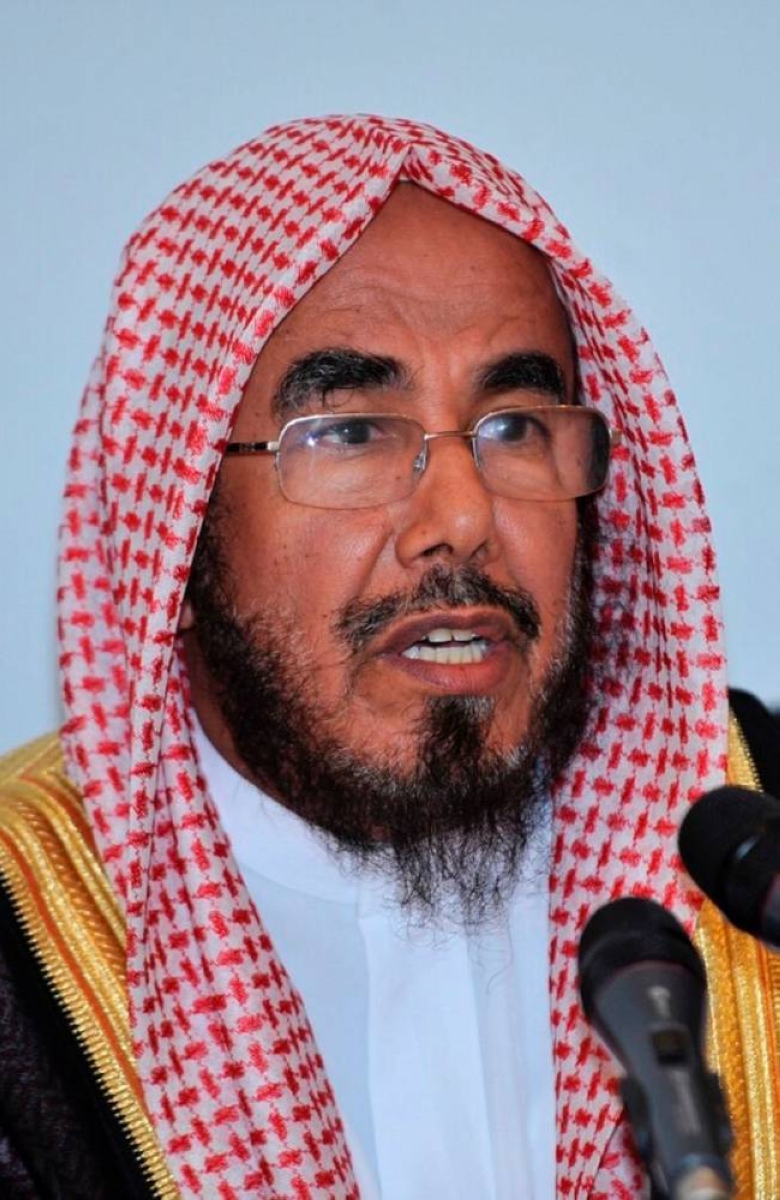
أوضح عضو هيئة كبار العلماء الشيخ عبدالله المطلق لـ«عكاظ»: أن إقامة حفلات الطلاق ليس لها علاقة بالشرع، وهي تصرفات فردية، ومن حق أي إنسان أن يحتفل بأفراحه بالطريقة التي يراها؛ شريطة ألا تؤثر على الآخرين ولا تمس الشرع.
الاحتفال بالانفصال.. تباهٍ جارح أم هروب من واقع؟
الرقص على موسيقى الطلاق!
8 أغسطس 2025 - 13:30
|
آخر تحديث 8 أغسطس 2025 - 13:30


تابع قناة عكاظ على الواتساب
بدرية آل عمر (الرياض) bdoo_202 @
Weddings are no longer the only dominant celebrations; they are strongly rivaled by "divorce parties" that are buzzing on social media platforms in many Arab and foreign countries. In Mauritania, for example, women celebrate divorce, which often takes place in the presence of friends and women who gather to enjoy songs, chants, and ululations. In the desert communities of Morocco, a divorced woman celebrates her separation as a sign of starting a new life, while cities witness parties characterized by music and singing. The same is true in Tunisia, where divorce celebrations are held to alleviate the psychological burden on the divorced woman. This is also the case in many Arab countries, as these celebrations have spread throughout the Arab world, including Saudi Arabia, although the instances have significantly decreased and become limited. However, they appear and negatively affect both parties and their children, as the phenomenon spreads among a wide segment of women in Arab countries as a reaction to their life with their ex-husbands. Specialists in sociology and psychology attribute this to the relationship between the spouses before their divorce and the failure of the family to mediate.
"Okaz" reviewed this phenomenon to understand the real motivations behind holding these parties and their reasons...
These people are destroying homes!
Professor of Clinical Psychiatry Dr. Jamal Al-Tuwairqi told "Okaz": The issue of celebrating divorce, whether by the husband or wife, although it is more common among women, is considered a strange phenomenon. The Prophet Muhammad (peace be upon him) said: "The most hated lawful thing to Allah is divorce." Divorce has serious consequences, the most prominent of which is the scattering of children, along with material, social, and psychological problems that start from depression and can sometimes lead to addiction or aversion to marriage, whether for girls or boys. What raises concern today is the increasing rate of divorce, especially at a young age, while the rate significantly decreases among those over fifty, and there are several reasons for this:
First: Social media, which has contributed to the emergence of personalities that were not known in society, began to broadcast wrong and toxic ideas, sometimes suspicious, raising the question: Are these ideas the result of psychological complexes or beliefs aimed at destroying society?
Our society has long been subjected to continuous attacks because it is a society based on truth, and truth is Islam. Therefore, we find that there are those who seek to destroy the Islamic community.
We notice that many of the ideas circulating on social media have become frightening. Some individuals convey ideas that undermine values and society without realizing the danger of what they are doing, such as promoting and spreading misleading information like: "Marry someone better than him," "You are of higher status than him," or "You have money... divorce him," and similarly for men: "You deserve better than her," or "Divorce her and marry someone better."
In the past, women were not educated, but they raised generations. This goes back to the importance of upbringing, which is not only derived from books but is inherited through generations. Today, some are keen on separating couples without awareness.
The result after divorce and the false joy is that the woman finds herself alone after returning from the divorce celebration to her home without a husband or provider, while all those who shared her joy returned to their homes and husbands. Here begins what the Egyptian proverb describes as "the destruction of homes."
Is the solution in search engines?
Dr. Jamal Al-Tuwairqi believes that all of this psychologically affects children, as they develop the perception that divorce is the best solution to problems, instead of learning responsibility and resorting to the solutions that Allah recommended in His Holy Book. The problem today is that some escape from responsibility and resort only to what they want, without considering the true interest. People turn to sites like "Chat GPT" or "Google" to search for solutions instead of returning to constants and values, which is a great danger. These tools give you what you want, not what you need. Dr. Al-Tuwairqi concludes: Many resort to lawyers and laws for separation without realizing the extent of the destruction that may be inflicted on an entire family. Divorce, although lawful, is the most hated lawful thing to Allah because it can lead to loss, homelessness, depression, suicide, or even drug addiction. Thus, the individual becomes selfish, seeing only himself and not thinking about the consequences of his decisions.
A bad habit... and a wrong behavior
Social specialist at King Saud University, Amira Matar Al-Zahrani, described the phenomenon to "Okaz" as a human social issue, as it relates to the most important social institution in society, which is the family, due to its profound impact on children's lives and the processes of upbringing, education, and social culture.
Recently, it has emerged as a habit unrelated to customs, traditions, and social norms; it is a newly introduced habit in our societies because marriage has contracts, conditions, and sanctity, and its separation has rules and etiquette that spouses should respect after separation. It is unacceptable for anyone to celebrate the most hated lawful thing, which leaves psychological effects on both parties and the children alike. Couples wishing to separate should be more wise and aware in their actions and behaviors for one reason: the presence of children, and they should not be the cause of their scattering and creating a family battle in a non-combat situation.
Awareness through drama and programs
Regarding the role of media in raising awareness in society, media figure Abdullah Al-Mohammed believes that we cannot deny the role of media; it is the backbone of any social or cultural change process. There are many aspects such as education and enlightenment to confront rumors, correct information, and enhance values of belonging, and to direct public opinion through drama, advertisements, and social programs. The media can enhance the value of respect and tolerance and confront phenomena such as domestic violence, bullying, or fanaticism, among other negative phenomena.
Celebrators or psychologically ill?
"Okaz" listened to the opinions of women regarding divorce parties; Zakiya Faqihi (a housewife) says that these are limited cases that have spread among groups of women who celebrate joyfully and happily at the dissolution of the marital bond, as one sends invitations to her friends and relatives indicating that the decision to divorce has not caused her any sadness or anger, but rather extended joy and overwhelming happiness. She adds that this is a strange and objectionable trend, as divorce parties do not reflect sophistication and morals, and they reflect the nature of the person and the extent of their awareness and culture. No matter the reasons, the issue here is "divorce," which is the most hated lawful thing to Allah, so how can we celebrate it and rejoice? This is strange and bad, and this unhealthy behavior must be corrected.
Celebrating divorce is a Western habit, and I am surprised that a mother would celebrate the disintegration of her family and the displacement of her children. These women need psychological treatment; we do not support holding such parties in Arab and Islamic countries, and we see that anyone who celebrates their divorce is a person with a problem in their mind and trivializes the significant issues that occur in life. Do not forget the favor among you, no matter how miserable and suffering life may be, for a woman should thank Allah and seek compensation from the Lord of the worlds.
Freedom or hurtful boasting?
"Awtif," a divorced employee, said that divorce parties have become controversial; some see them as an expression of psychological liberation from a harmful or failed relationship, while others view them as a form of inappropriate boasting or a disregard for the institution of marriage. If you see this phenomenon as regrettable, it may be due to:
The transformation of a painful event like (divorce) into a public celebratory occasion, which may hurt the feelings of the other party or the children. There is a confusion between "recovery" and "showing off"; some of these parties are shared on social media in a way that may carry provocative messages or exaggerations aimed at undermining the image of marriage in the eyes of some, especially if it seems that the entire relationship was trivial or a means to gain fame or to reach a later stage. However, on the other hand, some defenders of these parties argue that they are a means for a woman (or a man) to close a difficult chapter and start a new life as a reaction to a relationship that was full of violence or restriction, and the celebration is not of the divorce itself, but of liberation.
Awtif adds: The celebration itself is not the problem, but the intent behind it and the way it is done... There is a difference between celebrating personal freedom and hurtful boasting. It is not the celebration itself that is the problem, but the intention behind it and the manner in which it is conducted. There is a significant difference between "celebrating personal freedom" and "hurtful boasting about separation."
I became and remain "struck"
"Huda" says we did not celebrate the pain despite the existence of pain; divorce parties occurred and ended with the participants regretting it. Marriage is a sacred bond despite the problems, and if separation must occur, it should happen quietly without problems or crises affecting the future of the children and the reputation of the father and mother themselves. Escaping through separation from an unstable husband is not a trivial story; there is a family bond that must be respected.
As for Aida, she says: I lived with a narcissistic man since we got married; he would be nice to me one day and turn on me the next. My life was unstable. Although I was a good wife to him, he continued to insult me. I became and remain "struck," and my life with him was a hell I could not bear, and I requested a separation out of respect for our children, and I did not celebrate out of respect for their feelings.
As for Nasser, a father of one child, he said: I did not celebrate the divorce in the literal sense of the party, but I celebrated with a small number of friends, no more than three, who were the closest to my heart and were aware of every little detail between me and the mother of my child. I tried to coexist with her, but all doors were closed in my face as I tried to resolve our differences, but she insisted on separation and left me with my child who had not yet reached seven months old.
Individual actions
Member of the Senior Scholars Authority Sheikh Abdullah Al-Mutlaq told "Okaz": Holding divorce parties has no relation to Sharia; they are individual actions, and every person has the right to celebrate their joys in the way they see fit, provided that it does not affect others or violate Sharia.
"Okaz" reviewed this phenomenon to understand the real motivations behind holding these parties and their reasons...
These people are destroying homes!
Professor of Clinical Psychiatry Dr. Jamal Al-Tuwairqi told "Okaz": The issue of celebrating divorce, whether by the husband or wife, although it is more common among women, is considered a strange phenomenon. The Prophet Muhammad (peace be upon him) said: "The most hated lawful thing to Allah is divorce." Divorce has serious consequences, the most prominent of which is the scattering of children, along with material, social, and psychological problems that start from depression and can sometimes lead to addiction or aversion to marriage, whether for girls or boys. What raises concern today is the increasing rate of divorce, especially at a young age, while the rate significantly decreases among those over fifty, and there are several reasons for this:
First: Social media, which has contributed to the emergence of personalities that were not known in society, began to broadcast wrong and toxic ideas, sometimes suspicious, raising the question: Are these ideas the result of psychological complexes or beliefs aimed at destroying society?
Our society has long been subjected to continuous attacks because it is a society based on truth, and truth is Islam. Therefore, we find that there are those who seek to destroy the Islamic community.
We notice that many of the ideas circulating on social media have become frightening. Some individuals convey ideas that undermine values and society without realizing the danger of what they are doing, such as promoting and spreading misleading information like: "Marry someone better than him," "You are of higher status than him," or "You have money... divorce him," and similarly for men: "You deserve better than her," or "Divorce her and marry someone better."
In the past, women were not educated, but they raised generations. This goes back to the importance of upbringing, which is not only derived from books but is inherited through generations. Today, some are keen on separating couples without awareness.
The result after divorce and the false joy is that the woman finds herself alone after returning from the divorce celebration to her home without a husband or provider, while all those who shared her joy returned to their homes and husbands. Here begins what the Egyptian proverb describes as "the destruction of homes."
Is the solution in search engines?
Dr. Jamal Al-Tuwairqi believes that all of this psychologically affects children, as they develop the perception that divorce is the best solution to problems, instead of learning responsibility and resorting to the solutions that Allah recommended in His Holy Book. The problem today is that some escape from responsibility and resort only to what they want, without considering the true interest. People turn to sites like "Chat GPT" or "Google" to search for solutions instead of returning to constants and values, which is a great danger. These tools give you what you want, not what you need. Dr. Al-Tuwairqi concludes: Many resort to lawyers and laws for separation without realizing the extent of the destruction that may be inflicted on an entire family. Divorce, although lawful, is the most hated lawful thing to Allah because it can lead to loss, homelessness, depression, suicide, or even drug addiction. Thus, the individual becomes selfish, seeing only himself and not thinking about the consequences of his decisions.
A bad habit... and a wrong behavior
Social specialist at King Saud University, Amira Matar Al-Zahrani, described the phenomenon to "Okaz" as a human social issue, as it relates to the most important social institution in society, which is the family, due to its profound impact on children's lives and the processes of upbringing, education, and social culture.
Recently, it has emerged as a habit unrelated to customs, traditions, and social norms; it is a newly introduced habit in our societies because marriage has contracts, conditions, and sanctity, and its separation has rules and etiquette that spouses should respect after separation. It is unacceptable for anyone to celebrate the most hated lawful thing, which leaves psychological effects on both parties and the children alike. Couples wishing to separate should be more wise and aware in their actions and behaviors for one reason: the presence of children, and they should not be the cause of their scattering and creating a family battle in a non-combat situation.
Awareness through drama and programs
Regarding the role of media in raising awareness in society, media figure Abdullah Al-Mohammed believes that we cannot deny the role of media; it is the backbone of any social or cultural change process. There are many aspects such as education and enlightenment to confront rumors, correct information, and enhance values of belonging, and to direct public opinion through drama, advertisements, and social programs. The media can enhance the value of respect and tolerance and confront phenomena such as domestic violence, bullying, or fanaticism, among other negative phenomena.
Celebrators or psychologically ill?
"Okaz" listened to the opinions of women regarding divorce parties; Zakiya Faqihi (a housewife) says that these are limited cases that have spread among groups of women who celebrate joyfully and happily at the dissolution of the marital bond, as one sends invitations to her friends and relatives indicating that the decision to divorce has not caused her any sadness or anger, but rather extended joy and overwhelming happiness. She adds that this is a strange and objectionable trend, as divorce parties do not reflect sophistication and morals, and they reflect the nature of the person and the extent of their awareness and culture. No matter the reasons, the issue here is "divorce," which is the most hated lawful thing to Allah, so how can we celebrate it and rejoice? This is strange and bad, and this unhealthy behavior must be corrected.
Celebrating divorce is a Western habit, and I am surprised that a mother would celebrate the disintegration of her family and the displacement of her children. These women need psychological treatment; we do not support holding such parties in Arab and Islamic countries, and we see that anyone who celebrates their divorce is a person with a problem in their mind and trivializes the significant issues that occur in life. Do not forget the favor among you, no matter how miserable and suffering life may be, for a woman should thank Allah and seek compensation from the Lord of the worlds.
Freedom or hurtful boasting?
"Awtif," a divorced employee, said that divorce parties have become controversial; some see them as an expression of psychological liberation from a harmful or failed relationship, while others view them as a form of inappropriate boasting or a disregard for the institution of marriage. If you see this phenomenon as regrettable, it may be due to:
The transformation of a painful event like (divorce) into a public celebratory occasion, which may hurt the feelings of the other party or the children. There is a confusion between "recovery" and "showing off"; some of these parties are shared on social media in a way that may carry provocative messages or exaggerations aimed at undermining the image of marriage in the eyes of some, especially if it seems that the entire relationship was trivial or a means to gain fame or to reach a later stage. However, on the other hand, some defenders of these parties argue that they are a means for a woman (or a man) to close a difficult chapter and start a new life as a reaction to a relationship that was full of violence or restriction, and the celebration is not of the divorce itself, but of liberation.
Awtif adds: The celebration itself is not the problem, but the intent behind it and the way it is done... There is a difference between celebrating personal freedom and hurtful boasting. It is not the celebration itself that is the problem, but the intention behind it and the manner in which it is conducted. There is a significant difference between "celebrating personal freedom" and "hurtful boasting about separation."
I became and remain "struck"
"Huda" says we did not celebrate the pain despite the existence of pain; divorce parties occurred and ended with the participants regretting it. Marriage is a sacred bond despite the problems, and if separation must occur, it should happen quietly without problems or crises affecting the future of the children and the reputation of the father and mother themselves. Escaping through separation from an unstable husband is not a trivial story; there is a family bond that must be respected.
As for Aida, she says: I lived with a narcissistic man since we got married; he would be nice to me one day and turn on me the next. My life was unstable. Although I was a good wife to him, he continued to insult me. I became and remain "struck," and my life with him was a hell I could not bear, and I requested a separation out of respect for our children, and I did not celebrate out of respect for their feelings.
As for Nasser, a father of one child, he said: I did not celebrate the divorce in the literal sense of the party, but I celebrated with a small number of friends, no more than three, who were the closest to my heart and were aware of every little detail between me and the mother of my child. I tried to coexist with her, but all doors were closed in my face as I tried to resolve our differences, but she insisted on separation and left me with my child who had not yet reached seven months old.
Individual actions
Member of the Senior Scholars Authority Sheikh Abdullah Al-Mutlaq told "Okaz": Holding divorce parties has no relation to Sharia; they are individual actions, and every person has the right to celebrate their joys in the way they see fit, provided that it does not affect others or violate Sharia.


