




تشهد بعض المؤسسات التعليمية في المرحلتين الثانوية والجامعية، تزايداً كثيفاً في ظاهرة الاعتماد على المكتبات التجارية في إعداد البحوث العلمية خصوصاً مع نهاية العام الدراسي، ما يثير قلقاً واسعاً لدى المعنيين بالشأن التربوي والأكاديمي، لما تمثله هذه الممارسات من تهديد مباشر لجودة التعليم ومصداقية مخرجاته. ومع ارتفاع متطلبات التقييم والدرجات، يتجه بعض الطلاب إلى شراء بحوث جاهزة من مكتبات تجارية أو عبر الإنترنت، إذ يكفي الطالب أن يكتب في محركات البحث كلمة «بحوث»، لتظهر له العديد من المواقع التي تقدم خدماتها الخادعة تحت عبارات زائفة براقة وبأسعار مغرية تحت غطاء «تقديم خدمات تعليمية» لاستدراج الطلاب للحصول على المال بطرق محرمة، غافلين عن الآثار السلبية على مستقبلهم العملي بعد التخرج.
ويرى أكاديميون ومتخصصون أن الحل يبدأ من المدرسة، من خلال ترسيخ قيم الأمانة والنزاهة العلمية، ودمج مفاهيم البحث العلمي في مراحل مبكرة من التعليم، لضمان جيل واعٍ قادر على إنتاج المعرفة لا استهلاكها فقط.
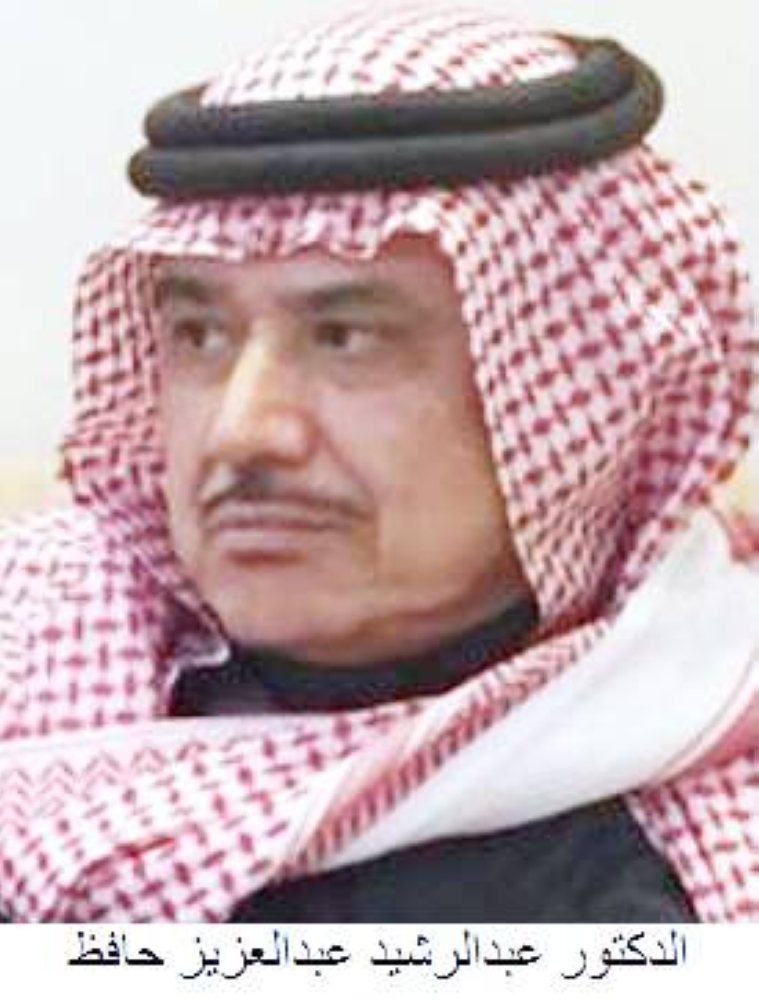
فاشلون وكسالى !العميد السابق في شؤون المكتبات في جامعة الملك عبدالعزيز الدكتور عبدالرشيد عبدالعزيز حافظ، يرى ضرورة التصدّي لمثل هذه الأساليب، إذ نرى الممارسات السلبية وغير المشروعة من قِبل بعض الطلبة الذين يمكن وصفهم بالكسالى، والواقع أن شراء البحوث الجاهزة وتقديمها لنيل الدرجات العلمية أو تقديمها كأوراق بحث لاجتياز المقررات الدراسية يُعَد سلوكاً مشيناً، لا بد من اجتثاثه والقضاء عليه بكل الوسائل الممكنة، ذلك أنه يمثل مخالفة صريحة لمبادئ الأمانة العلمية والأخلاق السليمة.
وأضاف الدكتور حافظ، أن الحصول على مثل هذه البحوث وتقديمها لنيل الدرجات يعني في المحصلة تخريج أجيال من الطلبة الفاشلين الذين اعتمدوا على معلومات مغلوطة أو مسروقة، أو اعتمدوا الغش وسيلة لتحقيق نجاح مزعوم ونتائج خادعة وغير صحيحة، كما أنه يعني أنهم فاقدو الأهلية وغير قادرين على القيام بواجباتهم العملية بعد التخرج، أخذاً بمقولة «ما بُني على باطل فهو باطل»، وتُعد سرقة البحوث أو الدفع للآخرين لكتابتها مؤشراً خطيراً له مضار جسيمة على المجتمع، لأنه يعني أن يحصل على الفرص من لا يستحق ويشغل وظيفة ليس أهلاً لها، إذ إنه يمارس عمله متسلحاً بالغش والخداع، حتى تصبح عادة يتمرسها وإضاعة لحقوق الآخرين، كما أن هذه الأساليب تقضي على فرص الإبداع والابتكار فالغش خيانة للأمانة لما له من نتائج كارثية على مستوى الإنجاز والتقدم.
3 أطراف متورطة
العميد السابق لشؤون المكتبات الدكتور حافظ، يشدد على أن المسؤولية تقع بدرجة أساسية على ثلاثة أطراف؛ الطالب في أولوية هذه الأطراف، إذ يجب أن يكون حريصاً على الاجتهاد والتحصيل العلمي بمجهوده الشخصي، والطرف الثاني أستاذ المقرر أو معلم المادة الذي يُعد مسؤولاً ومؤتمناً على خَلق بيئة تعليمية صحية تراعي مبادئ واشتراطات الأمانة العلمية في جميع الأعمال التي يطلبها من طلابه، والطرف الثالث العاملون في القرطاسيات الذين يقومون بكتابة هذه البحوث مقابل رسوم مالية، وبطبيعة الحال يدخل ضمن الأعمال غير المشروعة السطو على الكتب ونقل أجزاء وفصول منها أو من المقالات العلمية دون الإشارة إلى المصدر، بما يمثل اختراقاً صريحاً لحقوق الملكية الفكرية.
وأضاف الدكتور حافظ، أن مما تجدر ملاحظته أن الالتزام بأخلاقيات البحث العلمي في المجتمع الأكاديمي يرتبط بمستوى الالتزام بالأخلاقيات العامة في المجتمع نفسه، من هنا كان لزاماً الاهتمام بهذا الأمر على مستوى المجتمع كله والتوعية بمختلف الوسائل ومنها؛ خطب الجمعة والحصص الدراسية وبتناول خطورة هذا الأمر في وسائل التواصل الاجتماعي.
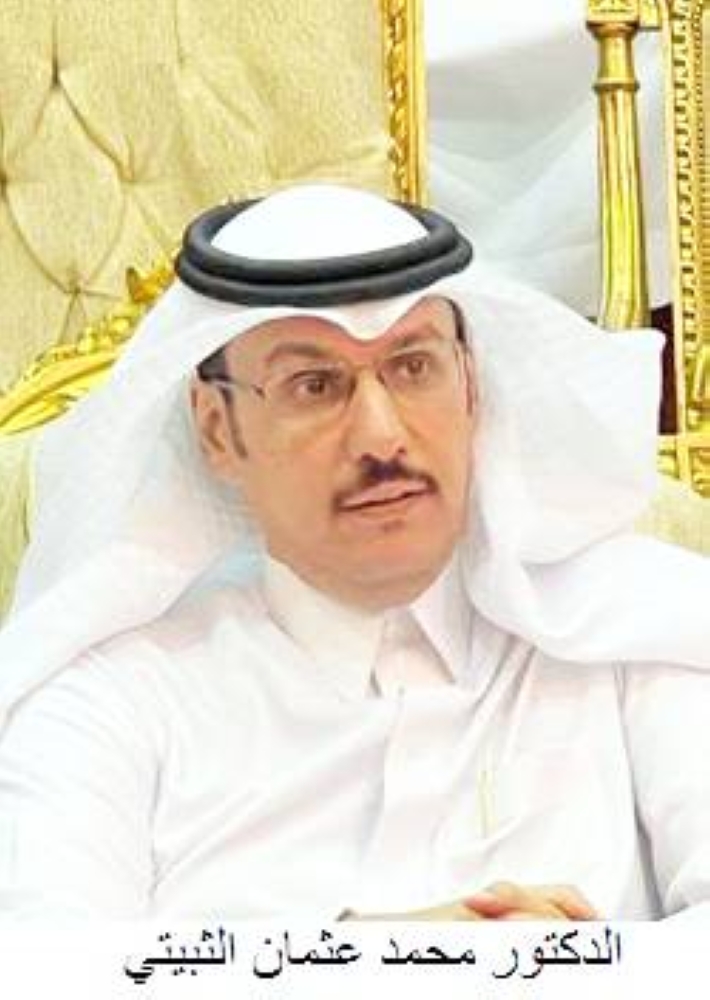
يضربون البحث في مقتل عن البحوث العلمية بين الاجتهادية والاتكالية، يقول أستاذ الإدارة التربوية والتخطيط بجامعة أم القرى الدكتور محمد عثمان الثبيتي: إنه لا يخفى على كل ذي لُب الأهمية القصوى التي يتسنمها البحث العلمي في جميع مساقات الحياة، سواءً كانت لحلّ المشكلات أو للتطوير، وتأسيساً على هذه الأرضية الصلبة التي أصبحت منطلق المجتمعات المتحضرة إيماناً منها بأن المحاولة والخطأ منهجية عفا عليها الزمن واستبدلت بمنهجية تعتمد على أدوات وأساليب علمية تنتفي فيها الذاتية وتُرسخ في نتائجها الموضوعية، ولكن البيئات تختلف في التفاعل مع هكذا منهجيات، ففي الوقت الذي نجد أن البحث العلمي في مجتمع ما يُحترَم التعامل معه ويُقَدر العاملون فيها، نجد أن ثَمة ممارسات ترتبط بما تعارفوا عليه بـ«أخلاقيات البحث العلمي» المرتبطة بالجهة وبالباحث ذاته، فالمتتبع لبعض الإنتاج البحثي يجد أن منفذيه أوكلوا المهمة إما لمراكز تدعي تخصصها لإنتاج البحث العلمي في انتهاك صارخ، أو لأفراد جعلوا من القيام بهذه المهمة مصدراً للكسب غير المشروع، وكلاهما ضرب البحث العلمي في مقتل جرّاء هذه السلوكيات غير المقبولة، وتساهم في شيوع هؤلاء الممارسين عبر وسائل التواصل الاجتماعي التي سهلّت الاتكالية البحثية ووفرت بيئة خصبة غير آمنة لنتائج علمية مشكوك في موثوقيتها ومصداقيتها، ما أفقد البحث العلمي أهميته.
محرّم وكسب حرام
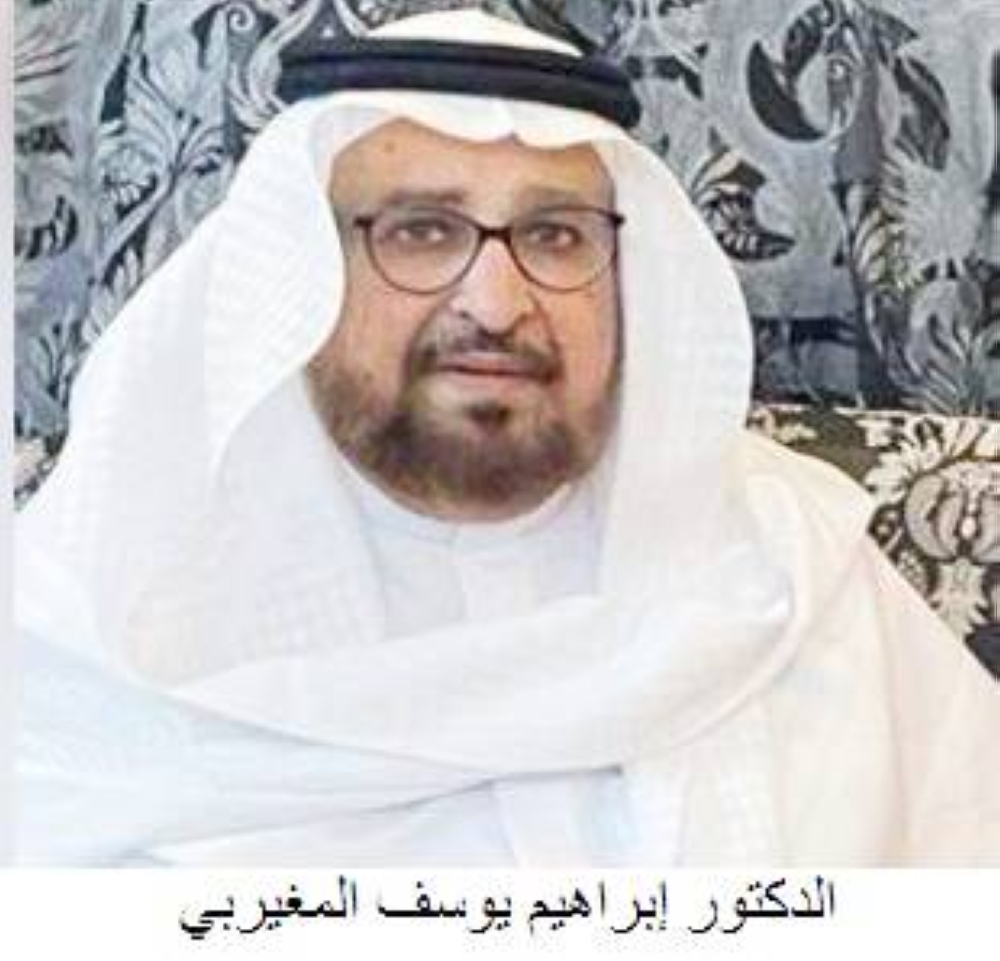
عضو هيئة التدريس ووكيل كلية الشريعة السابق بالجامعة الإسلامية بالمدينة المنورة الدكتور إبراهيم يوسف المغيربي، قال: إن البحث عمل علمي مميز يهدف إلى تطوير البرامج العلمية وتقوية مهارة الطلاب في المراحل الثانوية والجامعية، كما يهدف إلى تطوير عمل الوزارات والمعاهد والجامعات ومراكز البحوث عموماً، وقد يرقى البحث بصاحبه إلى مستوى مميز، ويُعد عمل البحث عن الطالب سواء كان بأجر أو بغير أجر عملاً مُحرماً وأخذ الأجرة فيه هو كسب حرام لما في ذلك من الغش والكذب والتزوير، ومما جاء في فتاوى اللجنة الدائمة للبحوث العلمية -وما زال الحديث للدكتور المغيربي- أن عمل الطالب أو الدارس هو واجب دراسي، له أهدافه بتدريب الطالب على كتابة البحث والتعرف على المصادر ومعرفة مدى قدرته باستخراج المعلومات من المصادر وترتيبها إلى آخر ما يهدف إليه طلب إعداد البحث، لذلك فإن قيام بعض المكتبات ومراكز الخدمات بكتابته نيابة عن الطالب مقابل أجرة أو دون أجرة هو عمل محرم والأجرة منه كسب حرام لما فيه من الغش والكذب والتزوير وهذا من التعاون على الإثم. وأضاف المغيربي أن الطالب إذا كان سينال ببحثه هذا شهادة أو سيجتاز مقرراً فإن فعله حرام وغش.
كيف تكتب البحث ؟
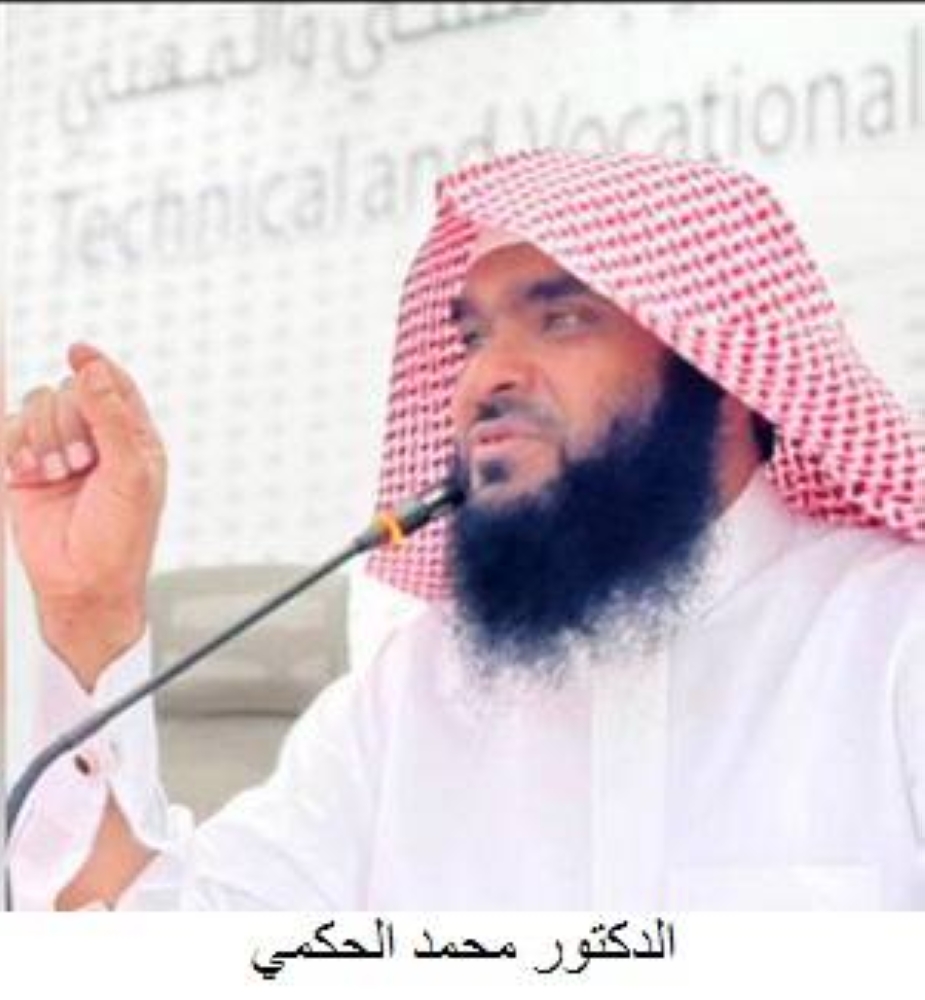
الأستاذ المشارك بجامعة تبوك كلية الوجه الجامعية الدكتور محمد الحكمي، يرى أن كتابة البحوث الجامعية عن الغير نوع من الاستخدام غير الأخلاقي للمعلومات، كما يُعتبر انتهاكاً لحقوق النشر، وهو نوع من الانتحال الأدبي لفقد الأصالة وفقد العمل قيمته الحقيقية بعدم تقديمه أفكاراً جديدة. ولا شك أن له آثاراً سلبية على جودة البحث وموثوقيته، ولتجنب هذه الآثار السلبية يجب التأكد من صحة المعلومات من خلال الإشارة إلى المصادر التي تم الرجوع إليها، كما يجب الحصول على إذن من أصحاب حقوق النشر قبل استخدام أعمالهم وجهودهم.
وعن كيفية تنبيه طلاب المرحلة الثانوية من مغبّة الانسياق خلف المروجين لعمل البحوث لدى المكتبات التجارية والاعتماد على النفس في كتابتها، يقول معلم مادة المهارات الإدارية أحمد راشد المحمدي: يجب توعية الطلاب بأهمية البحوث والدراسات العلمية وتنويرهم بالهدف منها، يلي ذلك شرح جميع عناصر كتابة البحث العلمي والإجابة على مختلف استفساراتهم، حتى يكون الطالب متهيئاً تماماً للاعتماد على الذات في كتابتها، مع اتباع عدة خطوات مثل تقسيم الطلاب إلى مجموعات وكل مجموعة تختار اسماً ومشروعاً لبحث تخرجها، بعد ذلك يتم التسجيل والبدء بخطوات الكتابة إلى أن نصل إلى المرحلة الأخيرة منه، وهي مناقشة المشروع وهي واحدة من الطرق التي تساعدنا على معرفة الاعتماد الفعلي للطالب على نفسه في كتابة البحث، ولتجنب تكرار البحث أو عنوانه نقوم بوضع استمارة تسجيل مشروع بحيث يكون كل مشروع مختلفاً تماماً عن الآخر.
كيف نواجه الظاهرة ؟
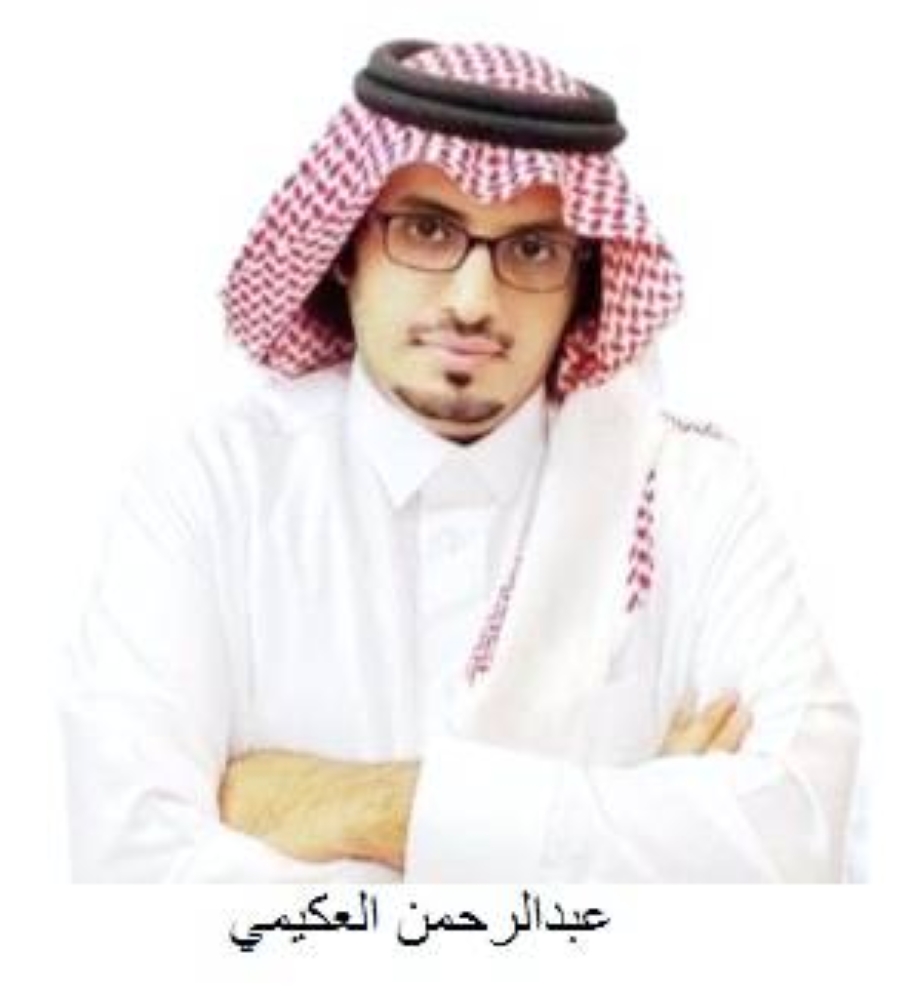
عن دور الإعلام في مواجهة الظاهرة قال الكاتب عبد الرحمن العكيمي: لا يمكن حالياً نفي وجود هذه الإشكالية، إذ يعتمد بالفعل عدد من الطلاب والطالبات على بحوث تُعد لهم من داخل المكتبات وخدمات الطلاب المنتشرة، وهم قادرون على إعداد البحوث دون اللجوء للمساعدة من الآخرين، فالمصادر والمراجع موجودة سواء في المكتبات أو على شبكة الإنترنت كمراجع أساسية، وبذلك تقوم الجهات التي تقوم بكتابة البحث عن الغير بتعطيل دور البحث وأدواته التي من الضروري أن يتعلمها الطالب والطالبة، فعملية البحث العلمي حتى إن كان في مرحلة مبكرة في التعليم الأساسي تقوي أدواتهم وقدراتهم وتوسع مداركهم وتنمي ملكة البحث العلمي مبكراً، ثم يأتي دور الطالب الباحث ليضع أسلوبه ومقارنته وتحقيقه ويخرج بنتائج من هذا البحث. ولعلنا نتساءل هنا: هل أصبحت كتابة البحوث الجاهزة في مكتبات خدمات الطلاب ظاهرة؟ أم أنها موجودة ولكن في نطاق محدود؟ لذا على الإعلام التربوي والإعلام الرسمي أن يقوما بدورهما تجاه هذه الظاهرة بتكثيف الجهود للحد من تفشيها، إذ إنها تؤثر سلباً على واقعنا التعليمي، كما نخشى أن تتنامى هذه الظاهرة المسكوت عنها لفترات طويلة بحيث لا يمكن تداركها بعد ذلك.
السقوط
في فخ «وهم المعرفة»
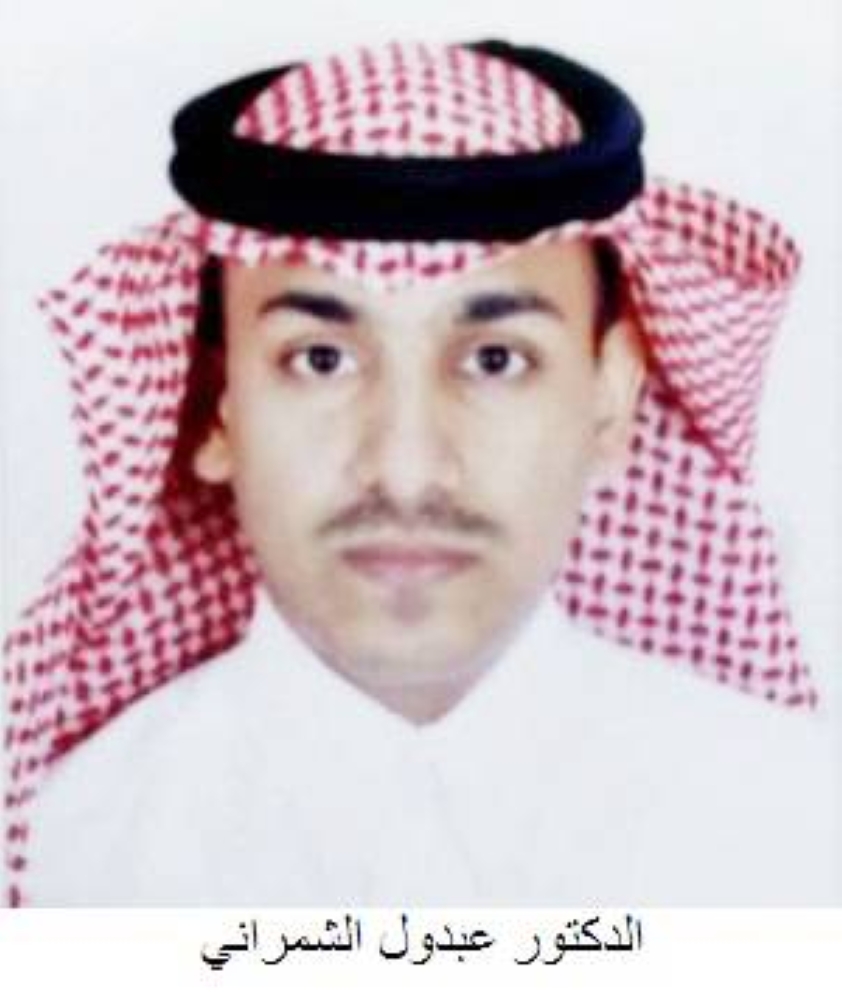
الأخصائي الاجتماعي الدكتور عبدول الشمراني يقول: إن اعتماد الطلاب على البحوث الجاهزة تسبب في ظهور المعلومات الضحلة، إذ يقع الطالب في فخ «وهم المعرفة» عندما يقدم بحثاً علمياً يعلوه اسمه، بينما يجهل محتواه الذي دفع مقابله، كما أن خطر الأبحاث «المعلبة» قد يفوق مستوى الجهل بموضوعها، والتي لا ينبغي أن نقلل من جوانبها السلبية على المجتمع، متسائلاً: ما الذي يدعو الباحث أساساً لطرق هذا الباب الخاطئ؟
مقدماً الإجابة بأن الأبحاث العلمية أصبحت مطمعاً للموظفين كنافذة للحصول على المقابل المالي (البدلات)، كما أنها متطلب للتَرَقي الوظيفي، فيما يلجأ لها الطالب حين يرى أن التكليف بالبحث العلمي نوع من العقاب وليس مجالاً للمعرفة. ويرى الشمراني أن التغلب على هذه الظاهرة يكمن في سن قوانين تضبط تعاملات مكاتب الخدمات وتقصرها على دور المساند للباحث لا تقمص دوره. ويضيف بأن الطريق للمعرفة ليس باليسير ولكنّ جزاءه وفير بالدنيا حين يخدم الإنسان مجتمعه.
متخصصون يفضحون المتاجرين بالبحوث العلمية
بـاحثـون.. «غشاشون»!
4 يوليو 2025 - 01:43
|
آخر تحديث 4 يوليو 2025 - 01:43


تابع قناة عكاظ على الواتساب
عباس الفقيه (الوجه) abbasalfakeeh@
Some educational institutions at the secondary and university levels are witnessing a significant increase in the phenomenon of reliance on commercial libraries for preparing scientific research, especially at the end of the academic year. This raises widespread concern among those involved in educational and academic affairs, as these practices pose a direct threat to the quality of education and the credibility of its outcomes. With the rising demands for evaluation and grades, some students resort to purchasing ready-made research from commercial libraries or online. It is enough for a student to type the word "research" into search engines to find numerous websites offering deceptive services under flashy false phrases and attractive prices, disguised as "providing educational services" to lure students into obtaining money through forbidden means, oblivious to the negative effects on their future careers after graduation.
Academics and specialists believe that the solution begins at school, by instilling values of integrity and scientific honesty, and integrating concepts of scientific research in the early stages of education to ensure a conscious generation capable of producing knowledge rather than merely consuming it.
Failures and Laziness! The former dean of library affairs at King Abdulaziz University, Dr. Abdul Rashid Abdulaziz Hafiz, sees the necessity of confronting such methods. He notes the negative and illegal practices by some students who can be described as lazy. In reality, purchasing ready-made research and submitting it to obtain academic degrees or presenting it as research papers to pass courses is considered a disgraceful behavior that must be eradicated by all possible means, as it represents a blatant violation of the principles of scientific integrity and sound ethics.
Dr. Hafiz added that obtaining such research and submitting it for grades ultimately results in graduating generations of failing students who relied on incorrect or stolen information, or who used cheating as a means to achieve alleged success and misleading and incorrect results. This also means that they are unqualified and unable to fulfill their professional duties after graduation, adhering to the saying "what is built on falsehood is false." Plagiarizing research or paying others to write it is a dangerous indicator with severe repercussions for society, as it means that those who do not deserve opportunities are obtaining them and occupying positions they are unfit for, as they perform their work armed with deceit and fraud, until it becomes a habit they practice, wasting the rights of others. Additionally, these methods obliterate opportunities for creativity and innovation, as cheating is a betrayal of trust with catastrophic results for achievement and progress.
Three Involved Parties
The former dean of library affairs, Dr. Hafiz, emphasizes that the responsibility primarily lies with three parties; the student is at the forefront of these parties, as they must be keen on diligence and academic achievement through their personal effort. The second party is the course instructor or teacher, who is responsible for creating a healthy educational environment that adheres to the principles and requirements of scientific integrity in all tasks assigned to their students. The third party includes those working in stationery who write these research papers for a fee. Naturally, this includes the illegal act of plagiarizing books and transferring parts or chapters from them or from scientific articles without citing the source, which constitutes a blatant violation of intellectual property rights.
Dr. Hafiz added that it is worth noting that adherence to the ethics of scientific research in the academic community is linked to the level of commitment to general ethics in society itself. Hence, it is essential to pay attention to this matter at the community level and raise awareness through various means, including Friday sermons, classroom lessons, and discussing the seriousness of this issue on social media.
They strike research at its core between diligent and lazy research. Educational administration and planning professor at Umm Al-Qura University, Dr. Muhammad Othman Al-Thubaiti, states that the utmost importance of scientific research in all aspects of life is not hidden from anyone with understanding, whether for solving problems or for development. Based on this solid foundation, which has become the starting point for civilized societies, believing that trial and error is an outdated methodology replaced by a methodology based on scientific tools and methods that eliminate subjectivity and establish objectivity in their results. However, environments differ in their interaction with such methodologies. While we find that scientific research in one society is respected and valued by those working in it, there are practices associated with what they call "scientific research ethics" related to the entity and the researcher themselves. A review of some research outputs shows that their executors have entrusted the task either to centers that claim specialization in producing scientific research in blatant violation or to individuals who have made this task a source of illicit gain. Both have struck scientific research at its core due to these unacceptable behaviors, contributing to the prevalence of these practitioners through social media, which has facilitated lazy research and provided a fertile but unsafe environment for scientific results whose reliability and credibility are questionable, thus diminishing the importance of scientific research.
Forbidden and Illicit Gain
Faculty member and former deputy dean of the Sharia College at the Islamic University in Medina, Dr. Ibrahim Yusuf Al-Mughairebi, stated that research is a distinguished scientific work aimed at developing scientific programs and enhancing students' skills at the secondary and university levels. It also aims to improve the work of ministries, institutes, universities, and research centers in general. Research can elevate its author to a distinguished level, and conducting research for a student, whether for a fee or not, is considered a forbidden act, and receiving payment for it is illicit gain due to the cheating, lying, and forgery involved. According to the fatwas of the Permanent Committee for Scientific Research - and Dr. Al-Mughairebi continues - a student's or learner's work is a study obligation with its objectives of training the student on writing research, recognizing sources, and assessing their ability to extract information from sources and organize it, among other goals aimed at preparing research. Therefore, the act of some libraries and service centers writing it on behalf of the student for a fee or without a fee is a forbidden act, and the payment received from it is illicit gain due to the cheating, lying, and forgery involved, which constitutes cooperation in sin. Al-Mughairebi added that if a student is to obtain a degree or pass a course with this research, then their action is forbidden and constitutes cheating.
How to Write Research?
Associate professor at Tabuk University, Dr. Muhammad Al-Hakami, believes that writing university research for others is a form of unethical use of information and is considered a violation of copyright. It is a type of literary plagiarism that loses originality and diminishes the true value of the work by not presenting new ideas. There is no doubt that it has negative effects on the quality and reliability of research. To avoid these negative effects, one must ensure the accuracy of information by citing the sources consulted, and permission must be obtained from copyright holders before using their works and efforts.
Regarding how to alert high school students to the dangers of succumbing to promoters of research work at commercial libraries and relying on themselves in writing it, administrative skills teacher Ahmed Rashid Al-Muhamadi says: Students must be made aware of the importance of research and scientific studies and enlighten them about their objectives. This should be followed by explaining all elements of writing scientific research and answering their various inquiries so that the student is fully prepared to rely on themselves in writing it. Several steps should be followed, such as dividing students into groups, with each group choosing a name and a project for their graduation research. Then, registration is done, and the writing steps begin until we reach the final stage, which is discussing the project. This is one of the methods that helps us know the actual reliance of the student on themselves in writing the research. To avoid repeating the research or its title, we create a project registration form so that each project is entirely different from the others.
How do we confront the phenomenon?
Regarding the role of the media in confronting the phenomenon, writer Abdul Rahman Al-Akeemi states: It is currently impossible to deny the existence of this issue, as a number of students indeed rely on research prepared for them from within libraries and student services. They are capable of preparing research without resorting to help from others, as sources and references are available either in libraries or on the internet as primary references. Thus, the entities that write research for others hinder the role of research and its tools that students must learn. The process of scientific research, even at an early stage in basic education, strengthens their tools and abilities, broadens their horizons, and develops their scientific research skills early on. Then comes the role of the student researcher to establish their method, comparison, and verification, leading to results from this research. We may wonder here: Has the phenomenon of ready-made research in student service libraries become widespread? Or is it present but within a limited scope? Therefore, educational media and official media must play their role regarding this phenomenon by intensifying efforts to curb its spread, as it negatively affects our educational reality, and we fear that this unaddressed phenomenon will grow over long periods to the point where it cannot be remedied later.
Falling
Into the Trap of "Illusion of Knowledge"
Social specialist Dr. Abdul Al-Shamrani states that students' reliance on ready-made research has led to the emergence of shallow information, as the student falls into the trap of the "illusion of knowledge" when they present a scientific research paper bearing their name while being ignorant of its content for which they paid. The danger of "packaged" research may exceed the level of ignorance about its subject, and we should not underestimate its negative aspects on society, questioning: What prompts the researcher to approach this wrong door in the first place?
Providing the answer that scientific research has become a target for employees as a window to obtain financial compensation (allowances), and it is also a requirement for career advancement, while students resort to it when they see that the assignment of scientific research is a form of punishment rather than a field for knowledge. Al-Shamrani believes that overcoming this phenomenon lies in enacting laws that regulate the dealings of service offices and limit them to supporting the researcher’s role, not impersonating it. He adds that the path to knowledge is not easy, but its reward is abundant in this world when a person serves their community.
Academics and specialists believe that the solution begins at school, by instilling values of integrity and scientific honesty, and integrating concepts of scientific research in the early stages of education to ensure a conscious generation capable of producing knowledge rather than merely consuming it.
Failures and Laziness! The former dean of library affairs at King Abdulaziz University, Dr. Abdul Rashid Abdulaziz Hafiz, sees the necessity of confronting such methods. He notes the negative and illegal practices by some students who can be described as lazy. In reality, purchasing ready-made research and submitting it to obtain academic degrees or presenting it as research papers to pass courses is considered a disgraceful behavior that must be eradicated by all possible means, as it represents a blatant violation of the principles of scientific integrity and sound ethics.
Dr. Hafiz added that obtaining such research and submitting it for grades ultimately results in graduating generations of failing students who relied on incorrect or stolen information, or who used cheating as a means to achieve alleged success and misleading and incorrect results. This also means that they are unqualified and unable to fulfill their professional duties after graduation, adhering to the saying "what is built on falsehood is false." Plagiarizing research or paying others to write it is a dangerous indicator with severe repercussions for society, as it means that those who do not deserve opportunities are obtaining them and occupying positions they are unfit for, as they perform their work armed with deceit and fraud, until it becomes a habit they practice, wasting the rights of others. Additionally, these methods obliterate opportunities for creativity and innovation, as cheating is a betrayal of trust with catastrophic results for achievement and progress.
Three Involved Parties
The former dean of library affairs, Dr. Hafiz, emphasizes that the responsibility primarily lies with three parties; the student is at the forefront of these parties, as they must be keen on diligence and academic achievement through their personal effort. The second party is the course instructor or teacher, who is responsible for creating a healthy educational environment that adheres to the principles and requirements of scientific integrity in all tasks assigned to their students. The third party includes those working in stationery who write these research papers for a fee. Naturally, this includes the illegal act of plagiarizing books and transferring parts or chapters from them or from scientific articles without citing the source, which constitutes a blatant violation of intellectual property rights.
Dr. Hafiz added that it is worth noting that adherence to the ethics of scientific research in the academic community is linked to the level of commitment to general ethics in society itself. Hence, it is essential to pay attention to this matter at the community level and raise awareness through various means, including Friday sermons, classroom lessons, and discussing the seriousness of this issue on social media.
They strike research at its core between diligent and lazy research. Educational administration and planning professor at Umm Al-Qura University, Dr. Muhammad Othman Al-Thubaiti, states that the utmost importance of scientific research in all aspects of life is not hidden from anyone with understanding, whether for solving problems or for development. Based on this solid foundation, which has become the starting point for civilized societies, believing that trial and error is an outdated methodology replaced by a methodology based on scientific tools and methods that eliminate subjectivity and establish objectivity in their results. However, environments differ in their interaction with such methodologies. While we find that scientific research in one society is respected and valued by those working in it, there are practices associated with what they call "scientific research ethics" related to the entity and the researcher themselves. A review of some research outputs shows that their executors have entrusted the task either to centers that claim specialization in producing scientific research in blatant violation or to individuals who have made this task a source of illicit gain. Both have struck scientific research at its core due to these unacceptable behaviors, contributing to the prevalence of these practitioners through social media, which has facilitated lazy research and provided a fertile but unsafe environment for scientific results whose reliability and credibility are questionable, thus diminishing the importance of scientific research.
Forbidden and Illicit Gain
Faculty member and former deputy dean of the Sharia College at the Islamic University in Medina, Dr. Ibrahim Yusuf Al-Mughairebi, stated that research is a distinguished scientific work aimed at developing scientific programs and enhancing students' skills at the secondary and university levels. It also aims to improve the work of ministries, institutes, universities, and research centers in general. Research can elevate its author to a distinguished level, and conducting research for a student, whether for a fee or not, is considered a forbidden act, and receiving payment for it is illicit gain due to the cheating, lying, and forgery involved. According to the fatwas of the Permanent Committee for Scientific Research - and Dr. Al-Mughairebi continues - a student's or learner's work is a study obligation with its objectives of training the student on writing research, recognizing sources, and assessing their ability to extract information from sources and organize it, among other goals aimed at preparing research. Therefore, the act of some libraries and service centers writing it on behalf of the student for a fee or without a fee is a forbidden act, and the payment received from it is illicit gain due to the cheating, lying, and forgery involved, which constitutes cooperation in sin. Al-Mughairebi added that if a student is to obtain a degree or pass a course with this research, then their action is forbidden and constitutes cheating.
How to Write Research?
Associate professor at Tabuk University, Dr. Muhammad Al-Hakami, believes that writing university research for others is a form of unethical use of information and is considered a violation of copyright. It is a type of literary plagiarism that loses originality and diminishes the true value of the work by not presenting new ideas. There is no doubt that it has negative effects on the quality and reliability of research. To avoid these negative effects, one must ensure the accuracy of information by citing the sources consulted, and permission must be obtained from copyright holders before using their works and efforts.
Regarding how to alert high school students to the dangers of succumbing to promoters of research work at commercial libraries and relying on themselves in writing it, administrative skills teacher Ahmed Rashid Al-Muhamadi says: Students must be made aware of the importance of research and scientific studies and enlighten them about their objectives. This should be followed by explaining all elements of writing scientific research and answering their various inquiries so that the student is fully prepared to rely on themselves in writing it. Several steps should be followed, such as dividing students into groups, with each group choosing a name and a project for their graduation research. Then, registration is done, and the writing steps begin until we reach the final stage, which is discussing the project. This is one of the methods that helps us know the actual reliance of the student on themselves in writing the research. To avoid repeating the research or its title, we create a project registration form so that each project is entirely different from the others.
How do we confront the phenomenon?
Regarding the role of the media in confronting the phenomenon, writer Abdul Rahman Al-Akeemi states: It is currently impossible to deny the existence of this issue, as a number of students indeed rely on research prepared for them from within libraries and student services. They are capable of preparing research without resorting to help from others, as sources and references are available either in libraries or on the internet as primary references. Thus, the entities that write research for others hinder the role of research and its tools that students must learn. The process of scientific research, even at an early stage in basic education, strengthens their tools and abilities, broadens their horizons, and develops their scientific research skills early on. Then comes the role of the student researcher to establish their method, comparison, and verification, leading to results from this research. We may wonder here: Has the phenomenon of ready-made research in student service libraries become widespread? Or is it present but within a limited scope? Therefore, educational media and official media must play their role regarding this phenomenon by intensifying efforts to curb its spread, as it negatively affects our educational reality, and we fear that this unaddressed phenomenon will grow over long periods to the point where it cannot be remedied later.
Falling
Into the Trap of "Illusion of Knowledge"
Social specialist Dr. Abdul Al-Shamrani states that students' reliance on ready-made research has led to the emergence of shallow information, as the student falls into the trap of the "illusion of knowledge" when they present a scientific research paper bearing their name while being ignorant of its content for which they paid. The danger of "packaged" research may exceed the level of ignorance about its subject, and we should not underestimate its negative aspects on society, questioning: What prompts the researcher to approach this wrong door in the first place?
Providing the answer that scientific research has become a target for employees as a window to obtain financial compensation (allowances), and it is also a requirement for career advancement, while students resort to it when they see that the assignment of scientific research is a form of punishment rather than a field for knowledge. Al-Shamrani believes that overcoming this phenomenon lies in enacting laws that regulate the dealings of service offices and limit them to supporting the researcher’s role, not impersonating it. He adds that the path to knowledge is not easy, but its reward is abundant in this world when a person serves their community.


