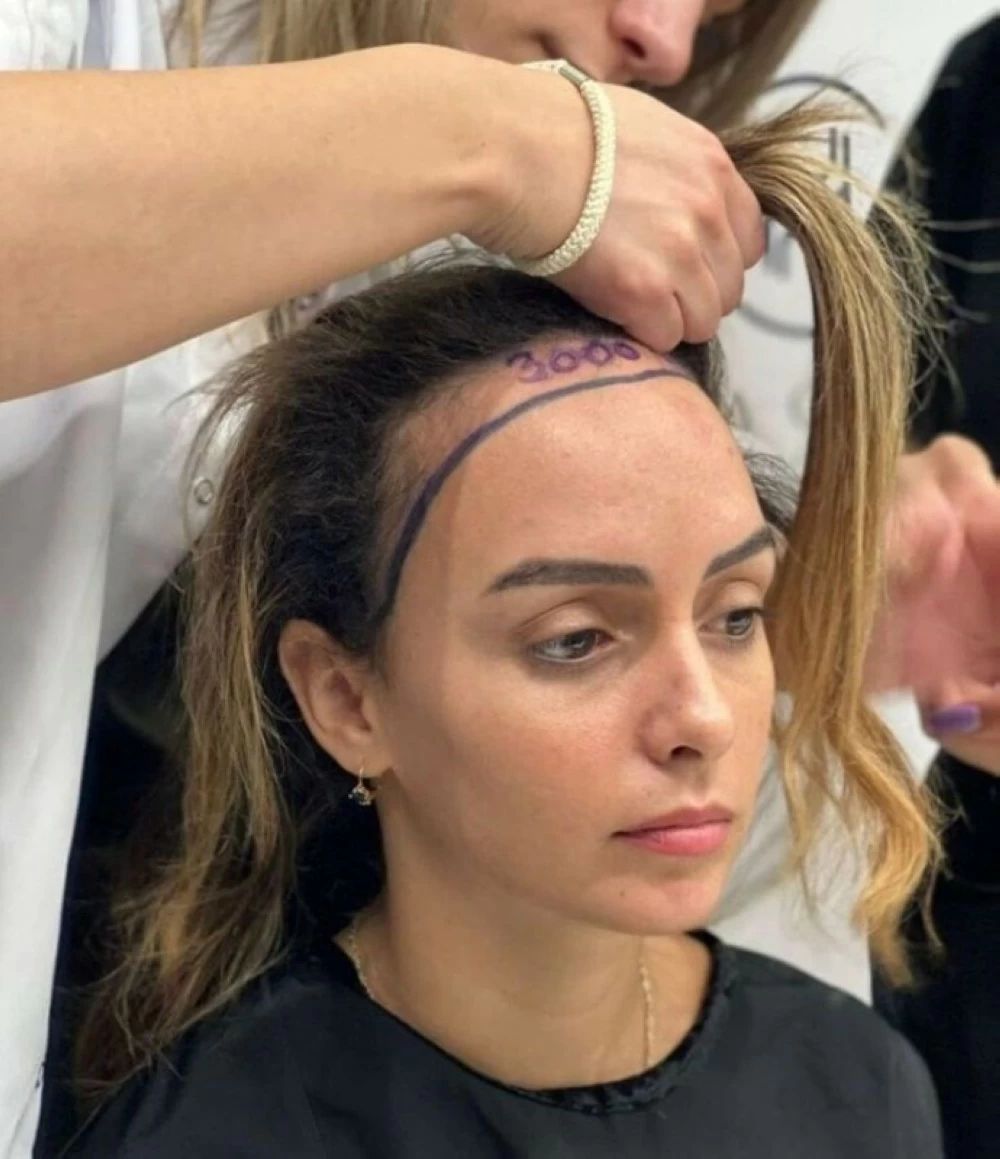
ارتفعت في السنوات الأخيرة شعبية عمليات زراعة الشعر لدى النساء بشكل لافت، إذ باتت خياراً يلجأ إليه عدد متزايد من النساء الباحثات عن حل دائم لتساقط الشعر بعد فشل العلاجات الأخرى مثل الأدوية أو العلاجات الموضعية أو حقن البلازما، وفق ما أوردته تقارير صحفية عالمية استندت إلى تحقيقات وتجارب نساء في بريطانيا وأوروبا ونقاشات مع خبراء في المجال.
ورغم أن زراعة الشعر كانت تُعد إجراءً يرتبط بشكل تقليدي بالرجال، إلا أن هناك زيادة في أعداد النساء اللاتي يخضعن لهذه الجراحة التجميلية، مدفوعة بزيادة الوعي حول الخيارات المتاحة وتحسين التقنيات الحديثة، مثل اقتطاف الوحدات البصيلية (FUE) التي تتيح زرع بصيلات فردية دون الحاجة لحلاقة كاملة للرأس.
تشير المصادر الطبية المتخصصة إلى أن نسب نجاح زراعة الشعر لدى النساء تختلف بحسب الحالة الفردية والتقنية المستخدمة وخبرة الفريق الطبي، لكن غالب الدراسات تُظهر أن معظم البصيلات المزروعة تستمر في النمو وتبقى طبيعية لسنوات بعد العملية. كما تلعب العناية بعد الجراحة والرعاية الطبية دوراً مهماً في النتائج النهائية.
ويُفسّر الخبراء أن النجاح لا يقاس فقط بنسبة بقاء البصيلات المزروعة، بل أيضاً بمدى مظهر الخط الطبيعي للشعر وكثافته بعد فترة الشفاء، التي تستغرق أشهراً قبل أن تظهر النتائج النهائية، مما يعني أن التوقعات الواقعية والمتابعة الطبية الدقيقة جزء أساسي من تحقيق نتائج مرضية.
الزيادة في الطلب على زراعة الشعر لدى النساء تأتي أيضاً نتيجة أن أسباب تساقط الشعر لدى النساء قد تكون متعددة تشمل العوامل الوراثية، التغيرات الهرمونية، التوتر، أو أسباب صحية أخرى، مما يدفع البعض إلى السعي لحلول جراحية عندما تكون الخيارات العلاجية الأخرى غير كافية.
In recent years, the popularity of hair transplant procedures among women has noticeably increased, as it has become an option sought by a growing number of women looking for a permanent solution to hair loss after other treatments such as medications, topical treatments, or plasma injections have failed, according to reports from global media based on investigations and experiences of women in Britain and Europe, along with discussions with experts in the field.
Although hair transplants were traditionally considered a procedure associated with men, there is a rise in the number of women undergoing this cosmetic surgery, driven by increased awareness of available options and improvements in modern techniques, such as Follicular Unit Extraction (FUE), which allows for the transplantation of individual follicles without the need for a complete shave of the head.
Specialized medical sources indicate that the success rates of hair transplants in women vary depending on individual circumstances, the technique used, and the experience of the medical team. However, most studies show that the majority of transplanted follicles continue to grow and remain natural for years after the procedure. Post-operative care and medical attention also play a significant role in the final results.
Experts explain that success is not only measured by the survival rate of the transplanted follicles but also by the appearance of the natural hairline and its density after the healing period, which takes months before the final results are visible. This means that realistic expectations and precise medical follow-up are essential components in achieving satisfactory outcomes.
The increase in demand for hair transplants among women is also a result of the fact that the causes of hair loss in women can be multiple, including genetic factors, hormonal changes, stress, or other health-related issues, prompting some to seek surgical solutions when other treatment options are insufficient.