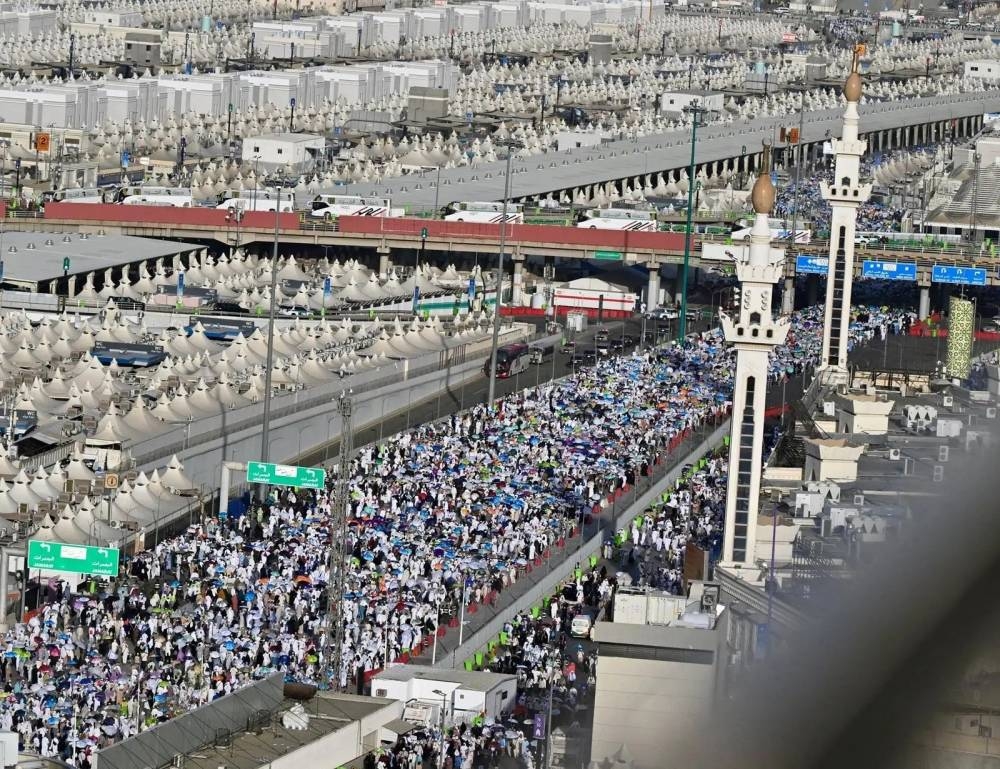
يعاني كثير من الحجاج من بعض الأعراض الصحية والإجهاد والاعتلالات الصحية بعد العودة من مناسك الحج، وهو ما يُعرف بـ«اضطرابات ما بعد الحج». وتتمثّل الحالات الصحية في الإرهاق ومشكلات الجهاز التنفسي وألم العضلات، وترتبط الأعراض بالحالة العمرية للحاج وتاريخه المرضي، ومدى تعرضه للأجواء، وعدم اتخاذ وسائل الوقاية من كمامات وخلافها، وعدم الابتعاد عن الزحام الشديد والتعرض لأنواع مختلفة من الفايروسات بسبب مخالطة مصابين.
زكام وأرق وتشنج
أخصائي الطب الوقائي الدكتور عبدالله الشريف يرى أن أغلب مراحل الحج تتضمن كثيراً من التعب والمشقة والمشي الطويل، فيما يعاني البعض من قلة النوم وفي أماكن غير مريحة، ووسط عشرات من الحجاج، وهو ما يسهم في آلام المفاصل وتشنج العضلات، ومن الطبيعي أن نشاهد الحاج يشكو بعد العودة من آلام المفاصل والأرق ونزلات البرد والزكام والسعال والإنفلونزا وتأثيرات تعرضه للشمس وحرارة ورطوبة المناخ واضطرابات هضمية أو نزلات معوية متباينة الأسباب، كما يسهم في تلك الأعراض وجود الأمراض المزمنة التي يعاني منها البعض قبل الحج، وهو ما يستدعي اتباع رعاية صحية يصفها الأطباء بـ«الرعاية اللاحقة لما بعد الحج».
وشدد الدكتور الشريف على أن هذه الأعراض عادة ما تقل حدتها بشكل تدريجي، بعد الحصول على الراحة المطلوبة، وتلقي العلاج المناسب، مقدماً عدداً من النصائح التي قد يساعد اتباعها على تقليل أعراض التعب والإرهاق بعد العودة من الحج، بعدم مخالطة الناس في أماكن تجمعاتهم، خصوصاً عند الشعور بأعراض الزكام والإنفلونزا ونزلات البرد.
في هذه الحالة راجع الطبيب!
الدكتور الشريف نبه إلى أهمية تجنب مخالطة المرضى الذين لديهم مشكلات تنفسية، وكبار السن والأطفال والحوامل، وأصحاب الأمراض المزمنة، وضرورة الحصول على الراحة اللازمة، وتجنب بذل جهد بدني، والنوم لساعات كافية ليلاً. وشدد على أهمية الحصول على وجبات غذاء متوازنة، تكفل حصول الجسم على جميع العناصر والمغذيات التي يحتاجها من أجل التعافي، واستشارة الطبيب إذا كان الشخص يعاني من أي مرض مزمن للتأكد من عدم الإصابة بأي مضاعفات صحية. وبين أنه عند ملاحظة استمرار الأعراض حتى مع الراحة، يجب سرعة استشارة الطبيب للكشف عن وجود أي مشكلة صحية تستلزم العلاج.
العدوى السريعة كيف تتجنبها؟
أخصائية الجهاز التنفسي الدكتورة نجلاء الأمير أوضحت أن من أبرز اضطرابات ما بعد الحج مشكلات الجهاز التنفسي، وهي ما يستدعي التنبه لها، كما نبهت من نقل العدوى إلى الغير بالكحة أو السعال ومخالطة المصابين، فالزكام ونزلات البرد تنتقل بشكل رئيسي عن طريق اللمس، سواء بملامسة شخص مصاب أو ملامسة أسطح ملوثة بالفايروس ثم لمس الفم أو الأنف أو العين. كما يسهم الرذاذ الناتج عن سعال أو عطاس شخص مصاب بالزكام في نقل العدوى، وهو ما يسري على
مشاركة الأدوات الشخصية أو الأشياء التي يلمسها المصاب، كما تنتقل عن طريق الأشياء ومشاركة الأدوات الشخصية أو الأسطح التي يلمسها الشخص المصاب. وبشكل عام، يعتبر الزكام معدياً قبل يوم واحد من ظهور الأعراض وحتى 5 إلى 7 أيام بعد ظهورها. ونبهت الأمير أيضاً إلى ضرورة الحفاظ على الصحة واتباع طرق الوقاية من الزكام، مثل غسل اليدين بانتظام، وتجنّب لمس الوجه، واستخدام المناديل عند السعال أو العطاس، وتجنب المخالطة المباشرة مع المصابين، وغسل اليدين والتزام الراحة التي تعد من أهم أسباب الشفاء.
احذروا من زيارات أول يوم
أخصائي طب الأسرة الدكتور رشاد الدمنهوري قدّم جملة من النصائح لما بعد الحج تعرف بالرعاية اللاحقة، وهي مهمة للغاية في سبيل تدارك وعلاج أية مضاعفات صحية محتملة، ومنها الخلود إلى الراحة التامة، وأخذ قسط وافر من النوم والراحة التامة، وتجنّب المشي أو إرهاق الجسم سواء بالسهر أو الإجهاد البدني، وتجنب استقبال الزيارات في أول أيام العودة بقدر الإمكان حتى لا يسهل نقل أي عدوى أو مرض تنفسي.
وشدد على أخذ قسط وافر من النوم لا يقل عن ثماني ساعات يومياً لعدة أيام، وفي حالة ظهور أي أعراض جانبية من حمى أو سعال يجب زيارة أقرب مستشفى أو مركز طبي، خصوصاً إذا كان الحاج يعاني أمراضاً صحية مزمنة سابقة، ومن ثم تلقي العلاج اللازم.
وأشار الدمنهوري إلى أن أغلب الحالات تتحسن خلال فترة قصيرة، بعد الراحة والعناية بالغذاء وتلقي العلاج، والالتزام التام بتعليمات الطبيب المعالج، وتجنب مخالطة الغير، في ظل احتمال نقل المرض لغيره بعدوى الجهاز التنفسي أو الاختلاط المباشر.
«الصحة»: راقبوا الحالة أسبوعين
دعت وزارة الصحة الحجاج عقب أداء مناسك الحج، إلى اتباع إجراءات مهمة وأساسية للمحافظة على صحتهم وصحة أسرهم، مؤكدة أهمية أخذ قسط كافٍ من الراحة، وشرب كميات كافية من السوائل، ومراقبة الحالة الصحية خلال الأسبوعين التاليين للعودة من الحج.
وأكدت أنه في حال ظهور أعراض مثل الحمى أو السعال بدرجة تؤثر على ممارسة الأنشطة اليومية، قد يكون مؤشراً على الإصابة بعدوى، ويستدعي مراجعة الطبيب فوراً عند الشعور بالأعراض، وتغطية الفم والأنف عند السعال أو العطس باستخدام منديل أو اليد واستخدام الكمامة، وغسل اليدين جيداً وبشكل متكرر، وتجنّب مخالطة الآخرين قدر الإمكان لتفادي نقل العدوى إليهم.
طبيب ينصح: تجنبوا الاستقبال في أول أيام العودة
زكام ما بعد الحج!
13 يونيو 2025 - 04:16
|
آخر تحديث 25 يونيو 2025 - 14:44


تابع قناة عكاظ على الواتساب
إبراهيم العلوي (جدة) i_waleeed22@
Many pilgrims suffer from various health symptoms, fatigue, and health issues after returning from the rituals of Hajj, which is known as "post-Hajj disorders." The health conditions include fatigue, respiratory problems, and muscle pain, and the symptoms are related to the age of the pilgrim, their medical history, exposure to different environments, lack of preventive measures such as masks, and not avoiding crowded places, leading to exposure to various viruses due to contact with infected individuals.
Colds, insomnia, and muscle spasms
Preventive medicine specialist Dr. Abdullah Al-Sharif believes that most stages of Hajj involve a lot of fatigue, hardship, and long walking, while some suffer from lack of sleep in uncomfortable places, surrounded by dozens of other pilgrims, which contributes to joint pain and muscle spasms. It is normal to see a pilgrim complaining after returning about joint pain, insomnia, colds, coughs, influenza, and the effects of sun exposure, heat, and humidity, as well as gastrointestinal disturbances or various causes of intestinal infections. Chronic diseases that some individuals suffer from before Hajj also contribute to these symptoms, necessitating the following of health care that doctors refer to as "post-Hajj follow-up care."
Dr. Al-Sharif emphasized that these symptoms usually decrease in severity gradually after obtaining the necessary rest and receiving appropriate treatment, providing several tips that may help reduce symptoms of fatigue and exhaustion after returning from Hajj, such as avoiding contact with people in crowded places, especially when feeling symptoms of colds and influenza.
In this case, consult a doctor!
Dr. Al-Sharif warned about the importance of avoiding contact with patients who have respiratory problems, the elderly, children, pregnant women, and those with chronic diseases, and the necessity of obtaining adequate rest, avoiding physical exertion, and sleeping for sufficient hours at night. He stressed the importance of having balanced meals that ensure the body receives all the elements and nutrients it needs for recovery, and consulting a doctor if the person has any chronic illness to ensure there are no health complications. He indicated that if symptoms persist even with rest, one should quickly consult a doctor to identify any health issues that require treatment.
How to avoid rapid infections?
Respiratory specialist Dr. Najla Al-Amir explained that one of the most prominent post-Hajj disorders is respiratory problems, which requires attention. She also warned against transmitting infections to others through coughing or sneezing and mixing with infected individuals. Colds and flu are primarily transmitted through touch, whether by contacting an infected person or touching surfaces contaminated with the virus and then touching the mouth, nose, or eyes. The droplets produced by the cough or sneeze of an infected person also contribute to the transmission of infection, which applies to sharing personal items or things touched by the infected person. In general, a cold is contagious one day before symptoms appear and lasts for 5 to 7 days after they appear. Dr. Al-Amir also emphasized the necessity of maintaining health and following preventive measures against colds, such as washing hands regularly, avoiding touching the face, using tissues when coughing or sneezing, avoiding direct contact with infected individuals, washing hands, and adhering to rest, which are among the most important reasons for recovery.
Beware of visits on the first day
Family medicine specialist Dr. Rashad Al-Damnhouri provided a series of tips for post-Hajj care, which are crucial for addressing and treating any potential health complications. These include complete rest, getting ample sleep, avoiding walking or exerting the body through staying up late or physical strain, and avoiding receiving visitors on the first days after returning as much as possible to prevent the easy transmission of any infection or respiratory illness.
He emphasized the importance of getting sufficient sleep of no less than eight hours daily for several days, and if any side effects such as fever or cough appear, one should visit the nearest hospital or medical center, especially if the pilgrim has pre-existing chronic health conditions, and then receive the necessary treatment.
Dr. Al-Damnhouri noted that most cases improve within a short period after rest, proper nutrition, receiving treatment, and fully adhering to the doctor's instructions, while avoiding contact with others, given the possibility of transmitting respiratory infections or direct contact.
"Health": Monitor your condition for two weeks
The Ministry of Health urged pilgrims after performing the Hajj rituals to follow important and essential procedures to maintain their health and the health of their families, emphasizing the importance of getting enough rest, drinking adequate amounts of fluids, and monitoring health status during the two weeks following their return from Hajj.
It confirmed that if symptoms such as fever or cough appear to an extent that affects daily activities, it may indicate an infection, and one should consult a doctor immediately upon feeling these symptoms, covering the mouth and nose when coughing or sneezing using a tissue or hand, wearing a mask, washing hands thoroughly and frequently, and avoiding contact with others as much as possible to prevent transmitting the infection to them.
Colds, insomnia, and muscle spasms
Preventive medicine specialist Dr. Abdullah Al-Sharif believes that most stages of Hajj involve a lot of fatigue, hardship, and long walking, while some suffer from lack of sleep in uncomfortable places, surrounded by dozens of other pilgrims, which contributes to joint pain and muscle spasms. It is normal to see a pilgrim complaining after returning about joint pain, insomnia, colds, coughs, influenza, and the effects of sun exposure, heat, and humidity, as well as gastrointestinal disturbances or various causes of intestinal infections. Chronic diseases that some individuals suffer from before Hajj also contribute to these symptoms, necessitating the following of health care that doctors refer to as "post-Hajj follow-up care."
Dr. Al-Sharif emphasized that these symptoms usually decrease in severity gradually after obtaining the necessary rest and receiving appropriate treatment, providing several tips that may help reduce symptoms of fatigue and exhaustion after returning from Hajj, such as avoiding contact with people in crowded places, especially when feeling symptoms of colds and influenza.
In this case, consult a doctor!
Dr. Al-Sharif warned about the importance of avoiding contact with patients who have respiratory problems, the elderly, children, pregnant women, and those with chronic diseases, and the necessity of obtaining adequate rest, avoiding physical exertion, and sleeping for sufficient hours at night. He stressed the importance of having balanced meals that ensure the body receives all the elements and nutrients it needs for recovery, and consulting a doctor if the person has any chronic illness to ensure there are no health complications. He indicated that if symptoms persist even with rest, one should quickly consult a doctor to identify any health issues that require treatment.
How to avoid rapid infections?
Respiratory specialist Dr. Najla Al-Amir explained that one of the most prominent post-Hajj disorders is respiratory problems, which requires attention. She also warned against transmitting infections to others through coughing or sneezing and mixing with infected individuals. Colds and flu are primarily transmitted through touch, whether by contacting an infected person or touching surfaces contaminated with the virus and then touching the mouth, nose, or eyes. The droplets produced by the cough or sneeze of an infected person also contribute to the transmission of infection, which applies to sharing personal items or things touched by the infected person. In general, a cold is contagious one day before symptoms appear and lasts for 5 to 7 days after they appear. Dr. Al-Amir also emphasized the necessity of maintaining health and following preventive measures against colds, such as washing hands regularly, avoiding touching the face, using tissues when coughing or sneezing, avoiding direct contact with infected individuals, washing hands, and adhering to rest, which are among the most important reasons for recovery.
Beware of visits on the first day
Family medicine specialist Dr. Rashad Al-Damnhouri provided a series of tips for post-Hajj care, which are crucial for addressing and treating any potential health complications. These include complete rest, getting ample sleep, avoiding walking or exerting the body through staying up late or physical strain, and avoiding receiving visitors on the first days after returning as much as possible to prevent the easy transmission of any infection or respiratory illness.
He emphasized the importance of getting sufficient sleep of no less than eight hours daily for several days, and if any side effects such as fever or cough appear, one should visit the nearest hospital or medical center, especially if the pilgrim has pre-existing chronic health conditions, and then receive the necessary treatment.
Dr. Al-Damnhouri noted that most cases improve within a short period after rest, proper nutrition, receiving treatment, and fully adhering to the doctor's instructions, while avoiding contact with others, given the possibility of transmitting respiratory infections or direct contact.
"Health": Monitor your condition for two weeks
The Ministry of Health urged pilgrims after performing the Hajj rituals to follow important and essential procedures to maintain their health and the health of their families, emphasizing the importance of getting enough rest, drinking adequate amounts of fluids, and monitoring health status during the two weeks following their return from Hajj.
It confirmed that if symptoms such as fever or cough appear to an extent that affects daily activities, it may indicate an infection, and one should consult a doctor immediately upon feeling these symptoms, covering the mouth and nose when coughing or sneezing using a tissue or hand, wearing a mask, washing hands thoroughly and frequently, and avoiding contact with others as much as possible to prevent transmitting the infection to them.