








أقرّت وزارة التعليم إدراج منهج الذكاء الاصطناعي ضمن المقررات الدراسية في التعليم العام، ابتداءً من العام الدراسي 2025 – 2026، في خطوة تهدف إلى بناء اقتصاد معرفي مستدام، وتعزيز موقع المملكة التنافسي عالميًا في المجالات الرقمية، ضمن مستهدفات رؤية السعودية 2030.
ويشتمل المنهج الجديد، على محتوى علمي مبسط ومتدرج، يبدأ من المرحلة الابتدائية وصولاً إلى الثانوية،، يركز في مراحله الأولى على المفاهيم الأساسية والتطبيقات التفاعلية، ويتوسع تدريجياً ليشمل موضوعات متقدمة، مثل تصميم النماذج، وأخلاقيات الذكاء الاصطناعي، والتعلم الآلي، والبرمجة.
ووصفت وكيلة كلية التربية ورئيسة قسم المناهج وطرق التدريس بجامعة الإمام محمد بن سعود الدكتورة الهنوف الشمري، الخطوة بأنها «استثمار نوعي في العقول الوطنية الشابة»، مؤكدةً أنها تمثل تحولاً تعليمياً نوعياً، يرسّخ مفاهيم المستقبل في أذهان الطلاب، منذ المراحل الدراسية المبكرة.
وقالت: إن إدراج الذكاء الاصطناعي في المناهج الدراسية، يعكس رؤية بعيدة المدى، تتجاوز حدود الصف الدراسي نحو بناء وعي تقني متقدم لدى الطلاب، وتأهيلهم بمهارات المستقبل، بما يسهم في اكتشاف المواهب التقنية وتعزيز القدرات الوطنية في هذا المجال الحيوي.
وأشارت إلى أن المنهج لا يقتصر على الجوانب النظرية، بل يربط المفاهيم بالرياضيات والعلوم والحياة اليومية، من خلال تطبيقات عملية واقعية، ما يُعمّق فهم الطلاب ويربط المعرفة بتطبيقاتها التقنية.
وأكدت، أن هذا التوجه، يسهم في إعداد جيل سعودي متمكن، من أدوات الثورة الصناعية الخامسة، ومؤهل للالتحاق بتخصصات تقنية ومهنية منذ المراحل الأولى، بما يواكب التحولات المتسارعة في سوق العمل العالمي، ويعزز من مكانة المملكة، كمركز عالمي لتقنيات الذكاء الاصطناعي.
وأوضح المركز الوطني لتطوير المناهج، أن تطوير المنهج تم وفق أحدث المعايير العالمية، ويركّز على تنمية التفكير النقدي، ومهارات التحليل وحل المشكلات، إضافة إلى رفع مستوى الوعي بتطبيقات الذكاء الاصطناعي، في مختلف مجالات الحياة والمهن المستقبلية.
ويُعد هذا القرار خطوة مهمة، ضمن سلسلة التحولات التعليمية التي تشهدها المملكة، في سبيل تسريع الانتقال نحو الاقتصاد الرقمي، وتعزيز منظومة الابتكار، بما يواكب تطلعات الجيل الجديد، ويؤسس لنهضة تعليمية نوعية في ظل التحول الوطني الشامل.
جيل قادر على مواجهة المشكلات
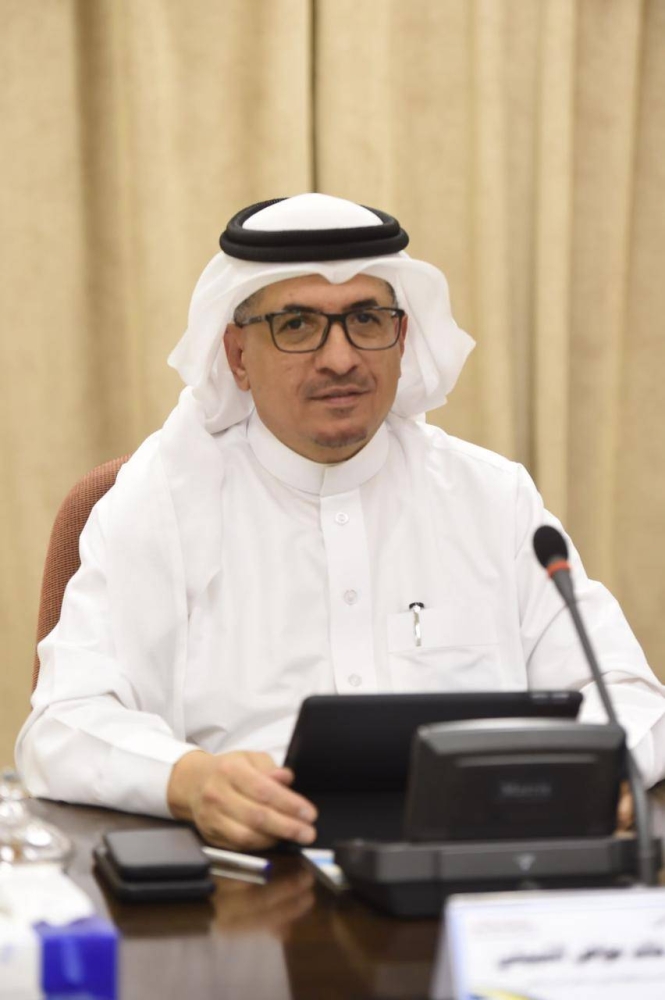
يشير أستاذ الإدارة والتخطيط التربوي الدكتور خالد الثبيتي، إلى أن العالم حالياً يشهد ثورة في مجال الذكاء الاصطناعي، ظهرت في معظم مجالات الحياة، وهذه الثورة يمكن أن تغير بشكل جوهري، هيكل وإدارة المؤسسات التعليمية، وبادرت وزارة التعليم بإدراج منهج الذكاء الاصطناعي ضمن المقررات الدراسية في التعليم العام، ابتداءً من العام الدراسي 2025 - 2026، إذ تؤكد العديد من الدراسات العلمية، على ضرورة الاستفادة من الذكاء الاصطناعي وتطبيقاته المختلفة، في تطوير عمليات التعليم والتعلم، وتحسين مهارات الطلاب في مجالات التعلم الذاتي، وتقييم مستويات الطلاب المعرفية والمهارية، ومنها مهارات التعلم الإلكتروني، بما يسهم في تطوير أداء الطلاب، وإثارة دافعيتهم للتعلم، وزيادة قدرتهم على البحث والاستقصاء، والقدرة على حل المشكلات والتخطيط السليم؛ بما يعزز الثقة بالنفس لدى الطالب وتنمية روح الفريق، وبناء جيل قادر على مواجهة مشكلات المجتمع وتطويره؛ ليكونوا عناصر فاعلة في بناء مجتمع حديث ومتطور.
وقال الثبيتي: إنه يمكن استخدام الذكاء الاصطناعي في تنمية مهارات التنظيم الذاتي للطلاب؛ لمواكبة التطورات المتسارعة، خصوصاً في المقررات الدراسية، التي تتطلب البحث المستمر عن المعلومات، والمقررات الأكثر ارتباطاً بحياة الطلاب.
وأضاف الثبيتي، من المهارات التي يكتسبها الطالب، وتصنع له فرصاً جديدة للوظائف مهارة الاستعداد للتعلم، ومهارة المشاركة بالرأي، ومهارة التفكير الناقد والتقويم الذاتي، ومهارة تحديد الأهداف وتحديد المحتوى الجيد والمفيد وتحديد الوقت المناسب وإدارته، ومهارات التحكم في معالجة موضوعات التعلم، ومهارات استخدام مصادر التعلم.
واعتبر أن الذكاء الاصطناعي سيكون له دور فاعل، في مساعدة مختلف الطلاب من ذوي الموهبة، والسعات العقلية المختلفة، على تحسين الأداء المعرفي والمهاري، والتعلم متعدد الأساليب والأنماط، وزيادة كفاءتهم وتعزيز خبرات التعلم لديهم، معتبرا استخدام تطبيقات الذكاء الاصطناعي في البيئات التعليمية، يساعد على تسهيل عمليات التعليم والتعلم واتخاذ القرار، وتقديم توجيه للطلاب بطرق متنوعة تناسب الفروق الفردية بينهم.
من الاستهلاك التقني إلى الإنتاج والابتكار
تؤكد أستاذ أصول التربية المشارك في جامعة الأمير سطام بن عبدالعزيز الدكتورة نورة العويِّد، أن إدراج مقرر الذكاء الاصطناعي في مراحل التعليم العام، يُعد خطوة رائدة وتجسيدًا حيًا لرؤية المملكة 2030، التي جعلت من التحول الرقمي، وتعزيز القدرات الوطنية، في مجالات التقنية هدفًا استراتيجيًا.
وهذه المبادرة تمثل استثمارًا نوعيًا في العقول الناشئة، إذ تضع بين أيدي الطلاب أدوات المستقبل، وتفتح أمامهم آفاقًا جديدة من الإبداع، والتفكير الناقد، وحل المشكلات، وتعلم مهارات البرمجة وتصميم النماذج الذكية، كذلك لا تقتصر أهمية هذا المنهج على الجانب المعرفي فقط، بل تتعداه لبناء وعي رقمي مبكر، يُمكّن الطلاب من الانتقال من مرحلة الاستهلاك التقني، إلى مرحلة الإنتاج والابتكار والمبادرة، ما يعزز ريادتهم الرقمية ويساهم في إعداد جيل مؤهل لقيادة مراكز متقدمة في الثورة الصناعية الخامسة.
والأجمل أن هذا المنهج، لا يُفصل التقنية عن الحياة، بل يُدمجها بتكامل مع الرياضيات، والعلوم، والتطبيقات الواقعية اليومية، ما يجعل المعرفة حية، والتعلم أكثر تأثيرًا وارتباطًا بعالم اليوم.
وبينت العويد، أنَّ خطوة وزارة التعليم تستحق الإشادة والدعم، فهي ليست فقط تحديثًا للمقررات، بل هي تأسيس لنهضة تعليمية جديدة، تُراهن على الإنسان، وتستثمر في أعظم ما نملك: «عقول أبناء وبنات الوطن».
ماذا ندرس.. كيف نعلم؟
والمتخصصة في علوم الحاسب الدكتورة غادة الشامي، قالت: إن إدخال مقرر الذكاء الاصطناعي في مراحل التعليم، لا ينبغي أن يُنظر إليه فقط كخطوة تقنية أو مهارية، بل كتحول ثقافي تربوي شامل، فالذكاء الاصطناعي، ليس مجرد أداة نتعلم استخدامها، بل منظومة فكرية تتطلب إعادة بناء لطريقة طرح الأسئلة، وتناول المعلومات، واتخاذ القرار. ومن المهم، أن يُرافق هذا المقرر إعادة تأهيل المعلمين تربويًا وتقنيًا، وإعداد بيئات تعليمية مرنة، تسمح بتجريب الأفكار، واحتضان الفشل، وتنمية الفضول العلمي لدى الطلاب فالتحدي ليس في «ماذا نُدرِّس؟»، بل في «كيف نُعلِّم؟» و«لماذا؟»، حتى لا يتحول المقرر إلى مجرد معلومات نظرية، بل إلى ممارسة ذهنية حية تغيّر طريقة تفكير الجيل القادم، وبهذا المنظور، فإن الذكاء الاصطناعي في التعليم، يمكن أن يكون محفزًا لإعادة النظر في فلسفة التعليم بأكملها، لا مجرد محتوى إضافي نُدرجه في الجدول الدراسي.
طلاب ومعلمون يتحدثون
المعلم عبدالله العنزي أوضح لـ «عكاظ»، أن إدراج منهج الذكاء الاصطناعي في التعليم، يمثل تحوّلًا نوعيًا يعزز الابتكار والريادة بين الطلاب، خلال دمج المفاهيم التقنية مع التفكير النقدي وحل المشكلات.
وقال: إن هذا المنهج لا يكتفي بتعليم النظريات، بل يتيح للطلاب بناء نماذج ذكية، وتحليل بيانات حقيقية، وتصميم حلول تقنية لتحديات مجتمعية. وأضاف: عندما يُمنح الطالب الأدوات لفهم كيف «تفكر» الآلة، تتوسع قدراته الإبداعية، لتشمل مجالات البرمجة، والأمن السيبراني، والتقنيات الناشئة.
وأشار إلى أن إدراج منهج متخصص للذكاء، الاصطناعي وتطبيقاته وبرمجياته، سيغرس روح المبادرة لدى الطلاب والطالبات، ويعزز ثقافة المشروع والبحث، ما يُمكّن الطالب من الانتقال من مستهلك للتقنية إلى مطوّر لها، وقائد لريادة رقمية مستقبلية.
أما الطالب عبدالعزيز خالد آل قاصلة، فقال: «أنا متحمس جداً لقرار وزارة التعليم، بإدراج مقرر الذكاء الاصطناعي ضمن المناهج الدراسية»، فهذا القرار، يعكس رؤية المملكة في إعداد جيل قادر، على مواكبة المستقبل، وفهم أدواته وتقنياته.
بالنسبة لي كطالب في المرحلة الثانوية، أرى أن تعلُّم الذكاء الاصطناعي سيفتح أمامنا آفاقًا واسعة، ليس فقط في التقنية، بل في التفكير النقدي، وحل المشكلات، والابتكار.
من الرائع أن نبدأ مبكرًا في فهم كيف تعمل الآلات والتطبيقات الذكية، لأن هذه المهارات ستكون من أساسيات سوق العمل في السنوات القادمة، وأتمنى أن تُقدم المقررات بأسلوب تفاعلي ومبسط يساعدنا على الاستيعاب والتطبيق العملي.
مناهج مرتبطة بتجارب عملية
يشير الطالب عبدالله صالح الأشول، إلى أن إدخال الذكاء الاصطناعي كمقرر دراسي، خطوة ذكية جدًا، لأنها تساعدنا على الاستعداد المبكر لسوق العمل فكثير من الوظائف في المستقبل ستكون مرتبطة بالتقنية والبرمجة، وتعلّم هذه المهارات، منذ المرحلة الثانوية يمنحنا أفضلية كبيرة. فالذكاء الاصطناعي لم يعد شيئًا بعيدًا أو خيالياً، بل هو جزء من واقعنا اليومي، من التطبيقات في هواتفنا إلى الأنظمة التي نستخدمها في التعليم وأتمنى أن تكون المناهج مرتبطة بتجارب عملية ومشاريع واقعية، حتى نتمكن من تطبيق ما نتعلمه على أرض الواقع، ونبني من الآن طريقنا نحو تخصصات المستقبل.
مستقبل إيجابي لأبنائنا
ويقول أحد أولياء الأمور إسماعيل فارس: إقرار وزارة التعليم بإدراج منهج الذكاء الاصطناعي ضمن المقررات الدراسية هي خطوة ستنمي من مواهب أبنائنا وتبني مهاراتهم التعليمية وحتى العملية مستقبلا إيجابيا، خصوصا أن الجميع بات في وقتنا الحالي ملتصقا بالأجهزة الذكية «الجوالات» وهذه الخطوة من التعليم ستحسن معلوماتهم وتفاعلهم وفي نفس الوقت ستحسن من أداء المعلمين، ولن نجد معلماً ملقناً، بل معلم مرشد وموجه وداعم للابتكار، فالذكاء الصناعي يساهم في تحرير أبنائنا من الأعمال المكتبية التي غالبا ما تستهلك جزءاً كبيراً من وقتهم وتساعدهم هذه الخطوة في إظهار إبداعاتهم ومهاراتهم.
أكاديميون لـ «عكاظ»: السعودية تؤهل طلابها لاقتصاد الثورة الصناعية الخامسة..
2025 عام تدريس الذكاء الاصطناعي في مراحل التعليم
16 يوليو 2025 - 01:51
|
آخر تحديث 16 يوليو 2025 - 01:56


تابع قناة عكاظ على الواتساب
عبدالعزيز الشهري (الرياض) abdalaziz_12345@
The Ministry of Education has approved the inclusion of an artificial intelligence curriculum in the general education curriculum, starting from the academic year 2025 – 2026, in a move aimed at building a sustainable knowledge economy and enhancing the Kingdom's competitive position globally in digital fields, as part of the objectives of Saudi Vision 2030.
The new curriculum includes simplified and progressive scientific content, starting from elementary school to high school. In its early stages, it focuses on basic concepts and interactive applications, gradually expanding to include advanced topics such as model design, ethics of artificial intelligence, machine learning, and programming.
Dr. Al-Hanouf Al-Shammari, the Deputy Dean of the College of Education and Head of the Curriculum and Teaching Methods Department at Imam Muhammad bin Saud University, described the step as a "qualitative investment in the minds of young nationals," affirming that it represents a qualitative educational transformation that instills future concepts in the minds of students from early educational stages.
She stated that the inclusion of artificial intelligence in the curricula reflects a long-term vision that transcends classroom boundaries towards building advanced technical awareness among students and equipping them with future skills, contributing to the discovery of technical talents and enhancing national capabilities in this vital field.
She pointed out that the curriculum is not limited to theoretical aspects but connects concepts with mathematics, sciences, and daily life through practical real-world applications, deepening students' understanding and linking knowledge to its technical applications.
She emphasized that this direction contributes to preparing a capable Saudi generation equipped with the tools of the fifth industrial revolution, qualified to join technical and vocational specialties from early stages, keeping pace with the rapid transformations in the global labor market and enhancing the Kingdom's position as a global center for artificial intelligence technologies.
The National Center for Curriculum Development clarified that the curriculum development was carried out according to the latest global standards, focusing on developing critical thinking, analytical skills, and problem-solving, in addition to raising awareness of artificial intelligence applications in various fields of life and future professions.
This decision is considered an important step in a series of educational transformations taking place in the Kingdom, aimed at accelerating the transition to a digital economy and enhancing the innovation system, in line with the aspirations of the new generation and establishing a qualitative educational renaissance in light of comprehensive national transformation.
A generation capable of facing problems
Dr. Khalid Al-Thubaiti, a professor of educational management and planning, points out that the world is currently witnessing a revolution in the field of artificial intelligence, which has emerged in most areas of life. This revolution can fundamentally change the structure and management of educational institutions. The Ministry of Education has initiated the inclusion of an artificial intelligence curriculum in the general education curriculum, starting from the academic year 2025 - 2026. Many scientific studies emphasize the necessity of benefiting from artificial intelligence and its various applications in developing teaching and learning processes, improving students' skills in self-learning, and assessing students' cognitive and skill levels, including e-learning skills, contributing to enhancing students' performance, stimulating their motivation to learn, increasing their ability to research and inquire, and their ability to solve problems and proper planning; thereby enhancing students' self-confidence, fostering teamwork, and building a generation capable of facing community problems and developing it, to become active elements in building a modern and developed society.
Al-Thubaiti stated that artificial intelligence can be used to develop students' self-organization skills to keep pace with rapid developments, especially in curricula that require continuous research for information and those most related to students' lives.
He added that among the skills that students acquire, creating new job opportunities for them are the skills of readiness to learn, participation in opinions, critical thinking and self-evaluation, goal-setting, identifying good and useful content, determining the right time and managing it, controlling the processing of learning topics, and using learning resources.
He considered that artificial intelligence will play an effective role in helping various students with different talents and mental capacities to improve cognitive and skill performance, learn through multiple methods and styles, and increase their efficiency and enhance their learning experiences. He believes that using artificial intelligence applications in educational environments helps facilitate teaching and learning processes, decision-making, and providing guidance to students in diverse ways that suit individual differences among them.
From technical consumption to production and innovation
Dr. Noura Al-Owaid, an associate professor of educational foundations at Prince Sultan bin Abdulaziz University, confirms that the inclusion of an artificial intelligence course in general education stages is a pioneering step and a living embodiment of Saudi Vision 2030, which has made digital transformation and enhancing national capabilities in technology fields a strategic goal.
This initiative represents a qualitative investment in emerging minds, as it places the tools of the future in the hands of students and opens new horizons for creativity, critical thinking, problem-solving, and learning programming skills and designing intelligent models. The importance of this curriculum is not limited to the cognitive aspect only but extends to building early digital awareness that enables students to transition from technical consumption to production, innovation, and initiative, enhancing their digital leadership and contributing to preparing a generation qualified to lead advanced centers in the fifth industrial revolution.
Moreover, this curriculum does not separate technology from life but integrates it comprehensively with mathematics, sciences, and daily real-world applications, making knowledge alive and learning more impactful and connected to today's world.
Al-Owaid pointed out that the Ministry of Education's step deserves praise and support, as it is not just an update of curricula but a foundation for a new educational renaissance that bets on human capital and invests in the greatest asset we have: "the minds of the sons and daughters of the nation."
What do we study... how do we teach?
Dr. Ghada Al-Shami, a specialist in computer science, stated that the introduction of the artificial intelligence course in educational stages should not be viewed merely as a technical or skill-based step but as a comprehensive cultural and educational transformation. Artificial intelligence is not just a tool we learn to use, but a cognitive system that requires a reconstruction of how questions are posed, information is addressed, and decisions are made. It is important that this course is accompanied by the requalification of teachers educationally and technically, and the preparation of flexible educational environments that allow for the experimentation of ideas, embracing failure, and fostering scientific curiosity among students. The challenge is not in "what do we teach?" but in "how do we teach?" and "why?" so that the course does not turn into mere theoretical information but into a living mental practice that changes the way the next generation thinks. With this perspective, artificial intelligence in education can be a catalyst for rethinking the entire philosophy of education, not just an additional content we include in the curriculum.
Students and teachers speak
Teacher Abdullah Al-Anzi explained to "Okaz" that the inclusion of the artificial intelligence curriculum in education represents a qualitative transformation that enhances innovation and leadership among students by integrating technical concepts with critical thinking and problem-solving.
He said that this curriculum does not just teach theories but allows students to build intelligent models, analyze real data, and design technical solutions to community challenges. He added that when a student is given the tools to understand how machines "think," their creative abilities expand to include programming, cybersecurity, and emerging technologies.
He pointed out that the introduction of a specialized curriculum for artificial intelligence and its applications and software will instill a spirit of initiative among students, enhancing a culture of projects and research, enabling the student to transition from a consumer of technology to a developer of it and a leader in future digital entrepreneurship.
As for student Abdulaziz Khalid Al-Qasila, he said: "I am very excited about the Ministry of Education's decision to include the artificial intelligence course in the curricula," as this decision reflects the Kingdom's vision in preparing a generation capable of keeping pace with the future and understanding its tools and technologies.
For me as a high school student, I see that learning artificial intelligence will open wide horizons for us, not only in technology but also in critical thinking, problem-solving, and innovation.
It is wonderful to start early in understanding how machines and intelligent applications work, as these skills will be fundamental in the job market in the coming years, and I hope the courses are presented in an interactive and simplified manner that helps us understand and apply practically.
Curricula linked to practical experiences
Student Abdullah Saleh Al-Ashoul points out that introducing artificial intelligence as a school subject is a very smart step, as it helps us prepare early for the job market, since many future jobs will be related to technology and programming. Learning these skills from high school gives us a significant advantage. Artificial intelligence is no longer something distant or imaginary; it is part of our daily reality, from the applications on our phones to the systems we use in education. I hope the curricula are linked to practical experiences and real projects so that we can apply what we learn in reality and build our path towards future specialties from now on.
A positive future for our children
One of the parents, Ismail Faris, says: The Ministry of Education's decision to include the artificial intelligence curriculum in the school curricula is a step that will nurture our children's talents and build their educational and even practical skills for a positive future, especially since everyone is currently glued to smart devices (mobile phones). This step in education will improve their knowledge and interaction while also enhancing teachers' performance. We will not find a teacher who is merely a lecturer, but rather a mentor, guide, and supporter of innovation. Artificial intelligence helps free our children from the paperwork that often consumes a large part of their time and assists them in showcasing their creativity and skills.
The new curriculum includes simplified and progressive scientific content, starting from elementary school to high school. In its early stages, it focuses on basic concepts and interactive applications, gradually expanding to include advanced topics such as model design, ethics of artificial intelligence, machine learning, and programming.
Dr. Al-Hanouf Al-Shammari, the Deputy Dean of the College of Education and Head of the Curriculum and Teaching Methods Department at Imam Muhammad bin Saud University, described the step as a "qualitative investment in the minds of young nationals," affirming that it represents a qualitative educational transformation that instills future concepts in the minds of students from early educational stages.
She stated that the inclusion of artificial intelligence in the curricula reflects a long-term vision that transcends classroom boundaries towards building advanced technical awareness among students and equipping them with future skills, contributing to the discovery of technical talents and enhancing national capabilities in this vital field.
She pointed out that the curriculum is not limited to theoretical aspects but connects concepts with mathematics, sciences, and daily life through practical real-world applications, deepening students' understanding and linking knowledge to its technical applications.
She emphasized that this direction contributes to preparing a capable Saudi generation equipped with the tools of the fifth industrial revolution, qualified to join technical and vocational specialties from early stages, keeping pace with the rapid transformations in the global labor market and enhancing the Kingdom's position as a global center for artificial intelligence technologies.
The National Center for Curriculum Development clarified that the curriculum development was carried out according to the latest global standards, focusing on developing critical thinking, analytical skills, and problem-solving, in addition to raising awareness of artificial intelligence applications in various fields of life and future professions.
This decision is considered an important step in a series of educational transformations taking place in the Kingdom, aimed at accelerating the transition to a digital economy and enhancing the innovation system, in line with the aspirations of the new generation and establishing a qualitative educational renaissance in light of comprehensive national transformation.
A generation capable of facing problems
Dr. Khalid Al-Thubaiti, a professor of educational management and planning, points out that the world is currently witnessing a revolution in the field of artificial intelligence, which has emerged in most areas of life. This revolution can fundamentally change the structure and management of educational institutions. The Ministry of Education has initiated the inclusion of an artificial intelligence curriculum in the general education curriculum, starting from the academic year 2025 - 2026. Many scientific studies emphasize the necessity of benefiting from artificial intelligence and its various applications in developing teaching and learning processes, improving students' skills in self-learning, and assessing students' cognitive and skill levels, including e-learning skills, contributing to enhancing students' performance, stimulating their motivation to learn, increasing their ability to research and inquire, and their ability to solve problems and proper planning; thereby enhancing students' self-confidence, fostering teamwork, and building a generation capable of facing community problems and developing it, to become active elements in building a modern and developed society.
Al-Thubaiti stated that artificial intelligence can be used to develop students' self-organization skills to keep pace with rapid developments, especially in curricula that require continuous research for information and those most related to students' lives.
He added that among the skills that students acquire, creating new job opportunities for them are the skills of readiness to learn, participation in opinions, critical thinking and self-evaluation, goal-setting, identifying good and useful content, determining the right time and managing it, controlling the processing of learning topics, and using learning resources.
He considered that artificial intelligence will play an effective role in helping various students with different talents and mental capacities to improve cognitive and skill performance, learn through multiple methods and styles, and increase their efficiency and enhance their learning experiences. He believes that using artificial intelligence applications in educational environments helps facilitate teaching and learning processes, decision-making, and providing guidance to students in diverse ways that suit individual differences among them.
From technical consumption to production and innovation
Dr. Noura Al-Owaid, an associate professor of educational foundations at Prince Sultan bin Abdulaziz University, confirms that the inclusion of an artificial intelligence course in general education stages is a pioneering step and a living embodiment of Saudi Vision 2030, which has made digital transformation and enhancing national capabilities in technology fields a strategic goal.
This initiative represents a qualitative investment in emerging minds, as it places the tools of the future in the hands of students and opens new horizons for creativity, critical thinking, problem-solving, and learning programming skills and designing intelligent models. The importance of this curriculum is not limited to the cognitive aspect only but extends to building early digital awareness that enables students to transition from technical consumption to production, innovation, and initiative, enhancing their digital leadership and contributing to preparing a generation qualified to lead advanced centers in the fifth industrial revolution.
Moreover, this curriculum does not separate technology from life but integrates it comprehensively with mathematics, sciences, and daily real-world applications, making knowledge alive and learning more impactful and connected to today's world.
Al-Owaid pointed out that the Ministry of Education's step deserves praise and support, as it is not just an update of curricula but a foundation for a new educational renaissance that bets on human capital and invests in the greatest asset we have: "the minds of the sons and daughters of the nation."
What do we study... how do we teach?
Dr. Ghada Al-Shami, a specialist in computer science, stated that the introduction of the artificial intelligence course in educational stages should not be viewed merely as a technical or skill-based step but as a comprehensive cultural and educational transformation. Artificial intelligence is not just a tool we learn to use, but a cognitive system that requires a reconstruction of how questions are posed, information is addressed, and decisions are made. It is important that this course is accompanied by the requalification of teachers educationally and technically, and the preparation of flexible educational environments that allow for the experimentation of ideas, embracing failure, and fostering scientific curiosity among students. The challenge is not in "what do we teach?" but in "how do we teach?" and "why?" so that the course does not turn into mere theoretical information but into a living mental practice that changes the way the next generation thinks. With this perspective, artificial intelligence in education can be a catalyst for rethinking the entire philosophy of education, not just an additional content we include in the curriculum.
Students and teachers speak
Teacher Abdullah Al-Anzi explained to "Okaz" that the inclusion of the artificial intelligence curriculum in education represents a qualitative transformation that enhances innovation and leadership among students by integrating technical concepts with critical thinking and problem-solving.
He said that this curriculum does not just teach theories but allows students to build intelligent models, analyze real data, and design technical solutions to community challenges. He added that when a student is given the tools to understand how machines "think," their creative abilities expand to include programming, cybersecurity, and emerging technologies.
He pointed out that the introduction of a specialized curriculum for artificial intelligence and its applications and software will instill a spirit of initiative among students, enhancing a culture of projects and research, enabling the student to transition from a consumer of technology to a developer of it and a leader in future digital entrepreneurship.
As for student Abdulaziz Khalid Al-Qasila, he said: "I am very excited about the Ministry of Education's decision to include the artificial intelligence course in the curricula," as this decision reflects the Kingdom's vision in preparing a generation capable of keeping pace with the future and understanding its tools and technologies.
For me as a high school student, I see that learning artificial intelligence will open wide horizons for us, not only in technology but also in critical thinking, problem-solving, and innovation.
It is wonderful to start early in understanding how machines and intelligent applications work, as these skills will be fundamental in the job market in the coming years, and I hope the courses are presented in an interactive and simplified manner that helps us understand and apply practically.
Curricula linked to practical experiences
Student Abdullah Saleh Al-Ashoul points out that introducing artificial intelligence as a school subject is a very smart step, as it helps us prepare early for the job market, since many future jobs will be related to technology and programming. Learning these skills from high school gives us a significant advantage. Artificial intelligence is no longer something distant or imaginary; it is part of our daily reality, from the applications on our phones to the systems we use in education. I hope the curricula are linked to practical experiences and real projects so that we can apply what we learn in reality and build our path towards future specialties from now on.
A positive future for our children
One of the parents, Ismail Faris, says: The Ministry of Education's decision to include the artificial intelligence curriculum in the school curricula is a step that will nurture our children's talents and build their educational and even practical skills for a positive future, especially since everyone is currently glued to smart devices (mobile phones). This step in education will improve their knowledge and interaction while also enhancing teachers' performance. We will not find a teacher who is merely a lecturer, but rather a mentor, guide, and supporter of innovation. Artificial intelligence helps free our children from the paperwork that often consumes a large part of their time and assists them in showcasing their creativity and skills.


