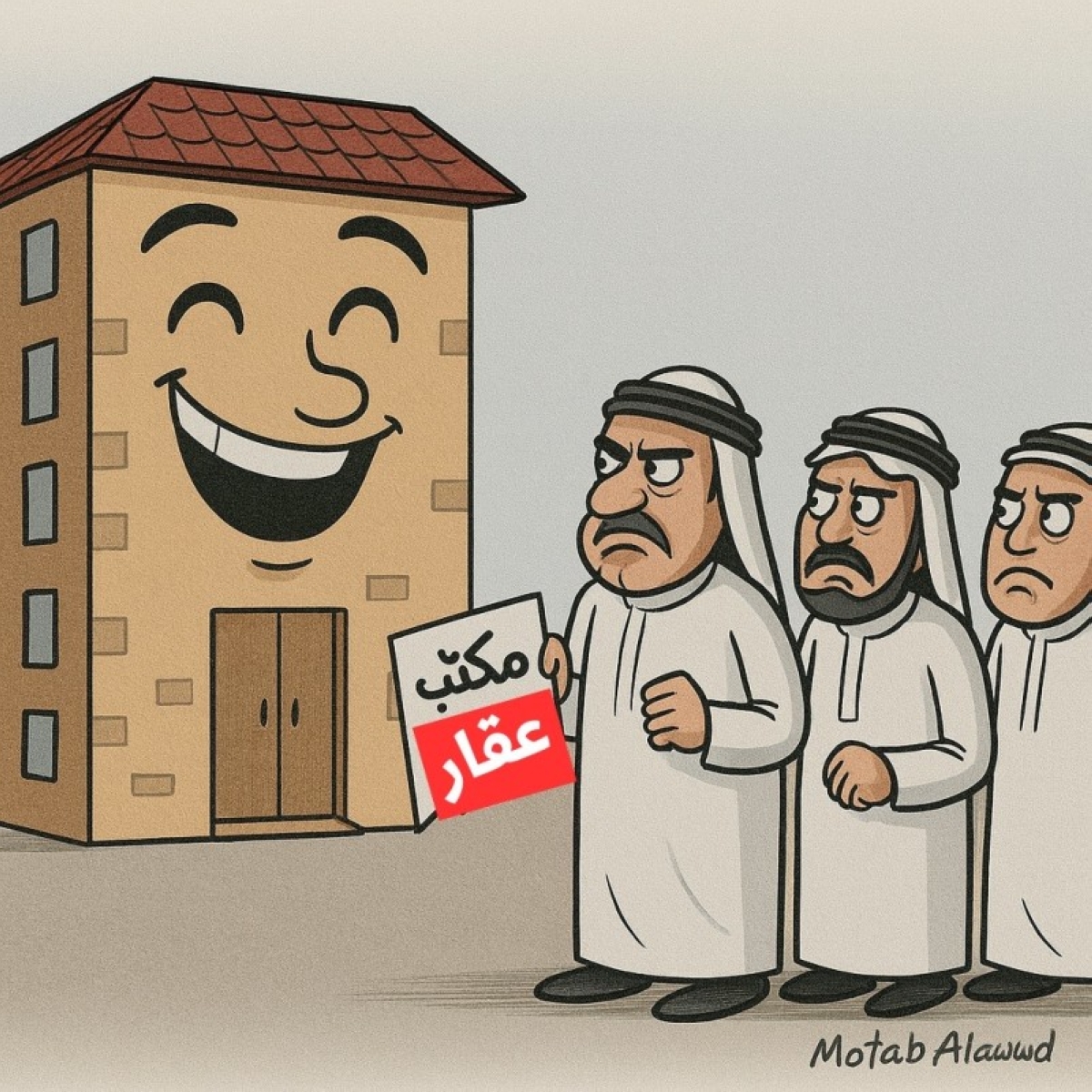
نفض القرار التاريخي غبار العشوائية عن سوق الإيجارات في مدينة الرياض، ليؤسس لمرحلة جديدة من التنظيم والرقابة. بإيقاف الزيادة السنوية لمدة ٥ سنوات، ووضعت الدولة حدًا للتقلبات غير المبررة، ورسخت مبدأ التوازن العقاري بما يحقق الاستقرار للمواطن والمستأجر ويعيد الثقة بين أطراف العلاقة الإيجارية.
مواجهة الجشع:
القرار جاء ليضع حدًا لجشع بعض المؤجرين والمكاتب العقارية التي كانت تدفع باتجاه رفع الأسعار بلا مسوغ، سواء عبر العقود غير الموثقة أو عبر التحايل بزيادة قيمة العقارات القديمة. هذه الممارسات خلقت حالة من عدم الثقة بين الملاك والمستأجرين، وحولت السوق العقاري في الرياض إلى ساحة مضاربة أكثر من كونه سوقًا استثماريًا منتجًا.
المخاوف في بقية المناطق:
رغم الترحيب الشعبي بالقرار في الرياض، إلا أن هناك مخاوف متصاعدة في بقية مناطق المملكة، خاصة في المدن الكبرى مثل جدة والدمام والمدينة المنورة، ومكة المكرمة، فالأصوات المطالبة بتعميم القرار ترى أن استثناء المدن الأخرى قد يعيد إنتاج الفوضى السعرية، ويدفع المواطنين إلى هجرة مناطقية بحثًا عن استقرار إيجاري أفضل.
ضبط السوق:
الأحكام التنظيمية الجديدة وضعت آليات واضحة: تثبيت الأجرة، منع الزيادة في العقود القائمة، وتجريم الامتناع عن التجديد بلا مبرر. كما ألزمت الملاك بتوثيق العقود إلكترونيًا عبر منصة «إيجار»، وفرضت غرامات تصل إلى 12 ضعف قيمة الإيجار السنوي بحق المخالفين. هذه الإجراءات تعكس توجهًا جادًا لإعادة ضبط السوق وإرساء الثقة بين الأطراف.
التجارب العالمية:
التجارب الدولية تمنح المملكة نموذجًا للاستفادة. ففي بريطانيا، جرى تقييد الزيادات الإيجارية عبر ربطها بمعدل التضخم، مع إنشاء مجالس محلية تبت في النزاعات. أما فرنسا، فاعتمدت نظام «الإيجار المرجعي» الذي يحدد سقفًا لا يمكن تجاوزه في المناطق ذات الطلب المرتفع. كلتا التجربتين ساهمتا في حماية المستأجرين من الانفلات السعري، وهو ما يشير إلى أن السعودية تسير في اتجاه مشابه مع مراعاة خصوصية سوقها.
اختبار للهيئة أمام القيادة:
اليوم، تقف الهيئة العامة للعقار أمام اختبار صعب؛ فهي مطالبة بإثبات قدرتها على تنفيذ هذه التوجيهات بدقة، وإغلاق الثغرات التي قد تُستغل تحت ذريعة «الترميمات الإنشائية» أو «تحسينات وهمية».
فالقيادة العليا وضعت القرار تحت مظلة المتابعة المباشرة، والمجتمع بدوره يترقب التنفيذ كخطوة لردم فجوة الثقة بين المواطن والسوق العقارية.
The historic decision has shaken off the dust of randomness from the rental market in Riyadh, establishing a new phase of organization and oversight. By halting the annual increase for 5 years, the state has set limits on unjustified fluctuations and has solidified the principle of real estate balance, achieving stability for both citizens and tenants and restoring trust between the parties involved in the rental relationship.
Confronting Greed:
The decision came to put an end to the greed of some landlords and real estate offices that were pushing for price hikes without justification, whether through unregistered contracts or by manipulating the value of old properties. These practices created a state of distrust between owners and tenants, turning the real estate market in Riyadh into a speculative arena rather than a productive investment market.
Concerns in Other Regions:
Despite the popular welcome of the decision in Riyadh, there are rising concerns in other regions of the Kingdom, especially in major cities like Jeddah, Dammam, Medina, and Mecca. Voices calling for the decision to be generalized believe that excluding other cities may lead to a resurgence of price chaos and push citizens to migrate regionally in search of better rental stability.
Regulating the Market:
The new regulatory provisions have established clear mechanisms: fixing rents, prohibiting increases in existing contracts, and criminalizing refusal to renew without justification. They also require landlords to document contracts electronically through the "Ejar" platform and impose fines of up to 12 times the annual rent on violators. These measures reflect a serious intention to recalibrate the market and establish trust among the parties.
Global Experiences:
International experiences provide the Kingdom with a model to benefit from. In Britain, rental increases have been restricted by linking them to the inflation rate, along with the establishment of local councils to resolve disputes. France, on the other hand, has adopted a "reference rental" system that sets a ceiling that cannot be exceeded in high-demand areas. Both experiences have contributed to protecting tenants from price volatility, indicating that Saudi Arabia is moving in a similar direction while considering the uniqueness of its market.
A Test for the Authority Before Leadership:
Today, the General Authority for Real Estate stands before a difficult test; it is required to prove its ability to implement these directives accurately and to close loopholes that may be exploited under the pretext of "structural renovations" or "illusory improvements."
The higher leadership has placed the decision under direct monitoring, and the community, in turn, is awaiting implementation as a step to bridge the trust gap between citizens and the real estate market.