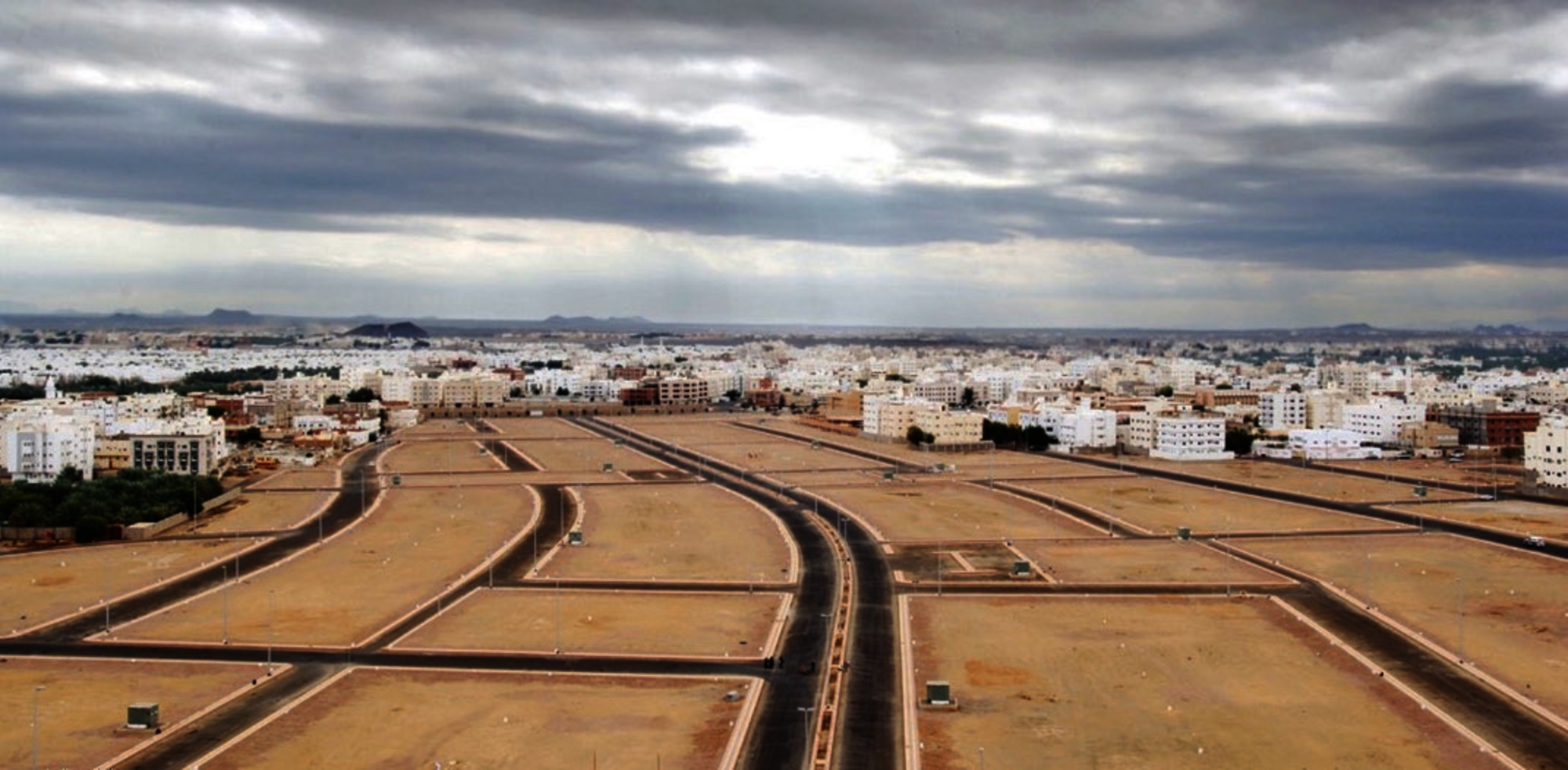
أرجع الخبير الاقتصادي والمحلل في السياسات العامة أحمد الشهري تفاقم أزمة الإسكان في العاصمة الرياض إلى استحواذ بعض الشركات على مساحات واسعة من الأراضي السكنية بشكل مفرط، موضحًا أن هذا السلوك كشف عن أحد أبرز أسباب ارتفاع الأسعار وحدّة الأزمة.
وبيّن الشهري أن سعي هذه الشركات للتحوّط عبر امتلاك الأراضي، أو الاستفادة منها كأصول مالية راكدة، أسهم في تعطيل المعروض، وخلق فجوة كبيرة بين الطلب المتزايد والعرض الفعلي للوحدات السكنية. وأضاف أن اقتناء الأراضي دون تطويرها أو ضخها في السوق العقاري أضعف من فرص التوازن العمراني، وزاد الضغط على الأسر الباحثة عن مساكن مناسبة. وشدد الشهري على أن استمرار هذه الممارسات يضر بالعدالة الاقتصادية ويعيق برامج التمكين السكني، لافتًا إلى أن الحل يكمن في إجراءات تنظيمية أكثر صرامة تضمن إعادة توجيه الأراضي المحتكرة إلى مشاريع تطويرية فاعلة، بما ينسجم مع مستهدفات رؤية المملكة 2030 في رفع نسب تملك المواطنين للمساكن. واختتم الشهري تصريحه بالتأكيد على ضرورة تعزيز الرقابة على السوق العقارية، والحد من المضاربات، وتشجيع الشركات على الاستثمار في البناء الفعلي بدلًا من الاكتفاء بتجميع الأراضي وتعطيلها.
The economic expert and public policy analyst Ahmed Al-Shahri attributed the worsening housing crisis in the capital Riyadh to some companies excessively acquiring large areas of residential land, explaining that this behavior revealed one of the main reasons for rising prices and the severity of the crisis.
Al-Shahri indicated that these companies' pursuit of hedging by owning land, or using it as stagnant financial assets, contributed to disrupting supply and creating a significant gap between the increasing demand and the actual supply of housing units. He added that acquiring land without developing it or injecting it into the real estate market weakened the chances of urban balance and increased pressure on families seeking suitable housing. Al-Shahri emphasized that the continuation of these practices harms economic justice and hinders housing empowerment programs, noting that the solution lies in stricter regulatory measures that ensure the redirection of monopolized land to effective development projects, in line with the goals of Saudi Vision 2030 to increase citizens' homeownership rates. He concluded his statement by stressing the need to enhance oversight of the real estate market, limit speculation, and encourage companies to invest in actual construction instead of merely accumulating and idling land.