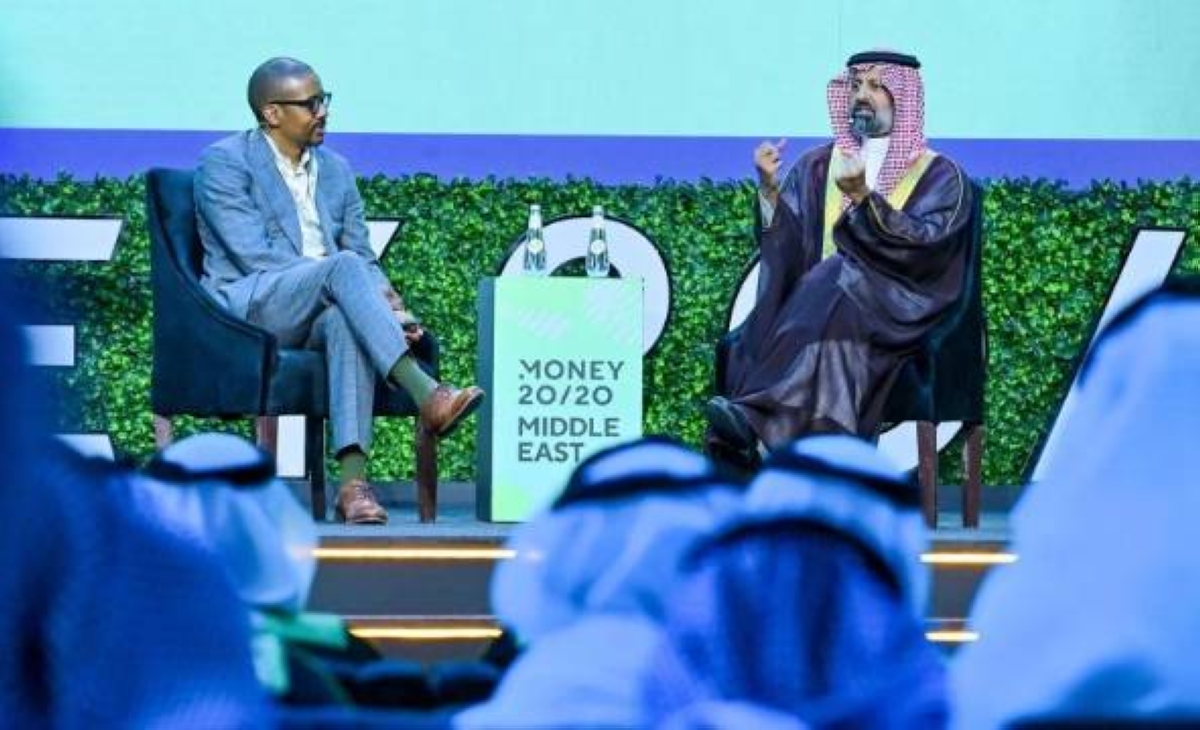
أعلن رئيس مجلس هيئة السوق المالية محمد القويز، أن السوق السعودي تحول من سوق موجه للأفراد، إلى سوق متوازن بين الأفراد والمؤسسات. وأكد أن القيمة السوقية لرأس المال في سوق الأسهم بلغت نحو 10 تريليونات ريال بعد مضي نحو 40 عاما على نشأة السوق، وهو ما يعادل ضعف حجم الأصول المصرفية، التي بلغت خمسة تريليونات ريال منذ ترخيص أول مصرف في منتصف الخمسينات.
وقال القويز في جلسة ضمن مؤتمر موني 20/20 الشرق الأوسط: «قيمة تداولات الأفراد في السوق السعودي كانت تراوح ما بين 80% و90% قبل رؤية 2030، وهذا له إيجابيته مثل السيولة العالية وأحجام التداول المرتفعة، الا أن لديه سلبيات أيضا مثل التأثر بالشائعات واتباع سياسة القطيع وغيرها».
التوازن في التنوع
وذكر أن الحل هو إيجاد التوازن في التنوع، مشيرا إلى التنوع في وجهات النظر بين المستثمرين الأفراد والمؤسسات، وبين المستثمرين المحليين والأجانب، والمستثمرين الأساسيين والفنيين، هو ما يخلق التوازن في السوق.
وأوضح انه على الرغم من انخفاض السوق السعودي بنحو 10% منذ بداية العام الحالي، إلا أن التقلب في السوق السعودي انخفض بشكل كبير خلال الأعوام الثمانية الماضية، والسبب في ذلك زيادة التنوع في وجهات نظر المستثمرين.
وأشار إلى أن الرقابة المالية تشهد تحولا جذريا بفعل الذكاء الاصطناعي، إذ انتقلت السوق المالية السعودية من النهج القائم على المخاطر إلى أنظمة متقدمة لرصد المؤشرات، ما منحنا مكاسب استثنائية في الكفاءة والفاعلية أسهمت في رفع كفاءة الرصد الرقابي بنحو 80%.
أحجام التداول
وأوضح أن السوق السعودي لم يعد يعتمد على نمط تداول مراكز استثمارية فقط، وإنما تبادل لوجهات نظر استثمارية مختلفة، الأمر الذي أسهم في توزيع أحجام التداول بشكل متوازن بين المستثمرين الأفراد والمؤسسات، بما يعزز من استقرار السوق.
ونوه إلى أن حجم سوق أدوات الدين وصل خلال ثمانية أعوام فقط إلى نحو تريليوني ريال شاملة إصدارات القطاع العام، وإصدارات القطاع الخاص، والإصدارات بالعملة المحلية في السوق المحلية، والإصدارات بالعملة المحلية في الأسواق الخارجية، منوها إلى أن النمو الذي حدث في الأسواق الثلاثة (الأصول المصرفية، القيمة السوقية لأسهم السوق السعودية، سوق أدوات الدين) يعكس اختلاف معدلات التوسع، ما يعكس احتياجات الاقتصاد المتنوعة والقيمة المضافة التي تقدمها للاقتصاد الوطني.
التنويع المالي
وشدد على أنه مع كل التحديات، التي واجهتها السوق المالية السعودية، إلا أن قصة أسواق المال والقطاع المالي بشكل عام في المملكة تعدّ جزءا لا يتجزأ من رؤية المملكة 2030 التي تتمحور حول التنويع المالي والاقتصادي، موضحا أن تقلبات أسعار النفط يجب أن يتم أخذها في الحسبان، كونها تؤثر بشكل رئيس على جميع القطاعات الاقتصادية، من بينها بكل تأكيد السوق المالية السعودية.
The Chairman of the Capital Market Authority, Mohammed Al-Qwaiz, announced that the Saudi market has transformed from a market directed towards individuals to a balanced market between individuals and institutions. He confirmed that the market capitalization of the stock market has reached approximately 10 trillion riyals after nearly 40 years since the market's inception, which is equivalent to double the size of banking assets, which reached five trillion riyals since the licensing of the first bank in the mid-1950s.
Al-Qwaiz stated in a session during the Money 20/20 Middle East conference: “The value of individual trading in the Saudi market was fluctuating between 80% and 90% before Vision 2030, and this has its positives such as high liquidity and high trading volumes, but it also has negatives such as being affected by rumors and following herd behavior, among others.”
Balance in Diversity
He mentioned that the solution is to find balance in diversity, pointing out that the diversity of perspectives between individual investors and institutions, between local and foreign investors, and between fundamental and technical investors is what creates balance in the market.
He clarified that despite the Saudi market declining by about 10% since the beginning of the current year, volatility in the Saudi market has significantly decreased over the past eight years, due to the increased diversity in investor perspectives.
He noted that financial oversight is undergoing a radical transformation due to artificial intelligence, as the Saudi financial market has shifted from a risk-based approach to advanced systems for monitoring indicators, which has provided us with exceptional gains in efficiency and effectiveness, contributing to an increase in oversight efficiency by about 80%.Trading Volumes
He explained that the Saudi market no longer relies solely on a pattern of trading investment centers, but rather on the exchange of different investment perspectives, which has contributed to a balanced distribution of trading volumes between individual investors and institutions, thereby enhancing market stability.
He pointed out that the size of the debt instruments market has reached nearly two trillion riyals in just eight years, including public sector issuances, private sector issuances, local currency issuances in the local market, and local currency issuances in foreign markets, noting that the growth that has occurred in the three markets (banking assets, market capitalization of Saudi stocks, debt instruments market) reflects differing rates of expansion, which reflects the diverse needs of the economy and the added value it provides to the national economy.Financial Diversification
He emphasized that despite all the challenges faced by the Saudi financial market, the story of capital markets and the financial sector in general in the Kingdom is an integral part of the Kingdom's Vision 2030, which revolves around financial and economic diversification, explaining that fluctuations in oil prices must be taken into account, as they significantly affect all economic sectors, including certainly the Saudi financial market.