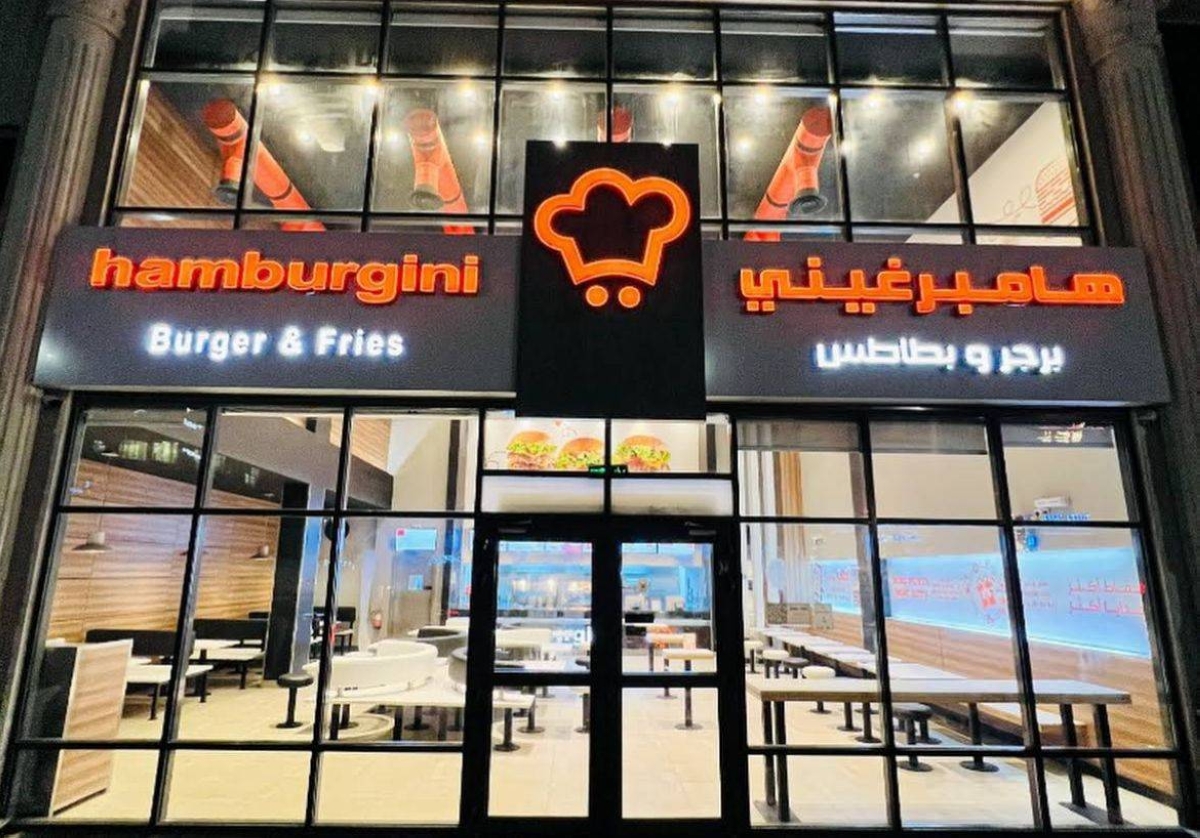
أعلن أمين الإفلاس، مبارك العنزي، صدور حكم من الدائرة التاسعة في المحكمة التجارية بالرياض يقضي بافتتاح إجراء التصفية لشركة "أساسيات الغذاء للتجارة" المالكة لسلسلة مطاعم «هامبرغيني».
ودعا العنزي الدائنين إلى تقديم مطالباتهم خلال مدة لا تتجاوز 90 يومًا من تاريخ الإعلان.
ويأتي القرار بعد نحو خمس سنوات من خطط طموحة للشركة، كانت تهدف إلى طرح 20% من أسهمها في سوق "نمو" وافتتاح 20 فرعًا جديدًا خلال عام 2020م.
واصطدمت مسيرة الشركة عام 2024، حين وقعت حادثة تسمم غذائي جماعية في الرياض أسفرت عن أكثر من 70 إصابة ووفاة واحدة.
وأظهرت التحقيقات حينها أن السبب يعود إلى بكتيريا كلوستريديوم بوتولينوم في منتج المايونيز.
وأغلقت وزارة البلديات والإسكان آنذاك فرع "هامبرغيني" في الرياض فورًا، فيما سُحب المنتج من الأسواق وتوقف إنتاجه في المصنع.
ورغم عدم الكشف حتى الآن عن الأسباب التفصيلية للإفلاس، إلا أن الحادثة تركت أثرًا بالغًا على سمعة الشركة وسير عملياتها.
ويأتي هذا التطور في إطار نظام الإفلاس السعودي، الذي يهدف إلى تنظيم أوضاع الشركات المتعثرة، وضمان حماية حقوق الدائنين، وتوفير إطار قانوني يتيح للمدينين إما إعادة هيكلة أنشطتهم أو تصفية أعمالهم بما يحقق الشفافية والاستقرار في السوق.
The bankruptcy trustee, Mubarak Al-Anzi, announced the issuance of a ruling from the ninth circuit of the commercial court in Riyadh that orders the initiation of liquidation proceedings for the company "Food Essentials Trading," which owns the "Hamburgini" restaurant chain.
Al-Anzi called on creditors to submit their claims within a period not exceeding 90 days from the date of the announcement.
This decision comes after nearly five years of ambitious plans for the company, which aimed to list 20% of its shares on the "Nomu" market and open 20 new branches during the year 2020.
The company's journey faced a setback in 2024 when a mass food poisoning incident occurred in Riyadh, resulting in over 70 cases of illness and one death.
Investigations at the time revealed that the cause was the bacterium Clostridium botulinum in a mayonnaise product.
The Ministry of Municipalities and Housing immediately closed the "Hamburgini" branch in Riyadh, while the product was withdrawn from the markets and production was halted at the factory.
Although the detailed reasons for the bankruptcy have not yet been disclosed, the incident had a profound impact on the company's reputation and operations.
This development comes within the framework of the Saudi bankruptcy system, which aims to regulate the conditions of distressed companies, ensure the protection of creditors' rights, and provide a legal framework that allows debtors to either restructure their activities or liquidate their businesses in a manner that achieves transparency and stability in the market.