


تُعد بساتين العنب في منطقة نجران من المصادر المهمة في الاقتصاد الزراعي والسياحي، وتمتد تلك البساتين على نحو 67 هكتارًا، وتنتج نحو 3000 طن من العنب سنويًا. وتأتي هذه الأيام متزامنة مع قرب نهاية الموسم لقطف محصول العنب في آخر شهر أغسطس القادم، الذي يشكل مؤشرًا إيجابيًا على تطور القطاع الزراعي بنجران، ويعزز مكانة المنتج المحلي في الأسواق.
ويُعتبر موسم حصاد العنب في الصيف كل عام من أكثر المواسم شعبية بين السكان والزوار، إذ يمكنهم الاستمتاع بالتسوق والترفيه بين بساتين العنب بمزارع قرية الحضن، وقرى غرب مدينة نجران الزراعية، التي تشتهر بجمال طبيعتها وتنوع محاصيلها الزراعية، وذلك لخصوبة أراضيها واعتدال مناخها على مدار السنة، فضلًا عن وفرة المياه، مما يجعلها مصدرًا اقتصاديًا زراعيًا، وكذلك مسارات سياحية ريفية تجذب الكثير من الزوار والسكان المحليين.
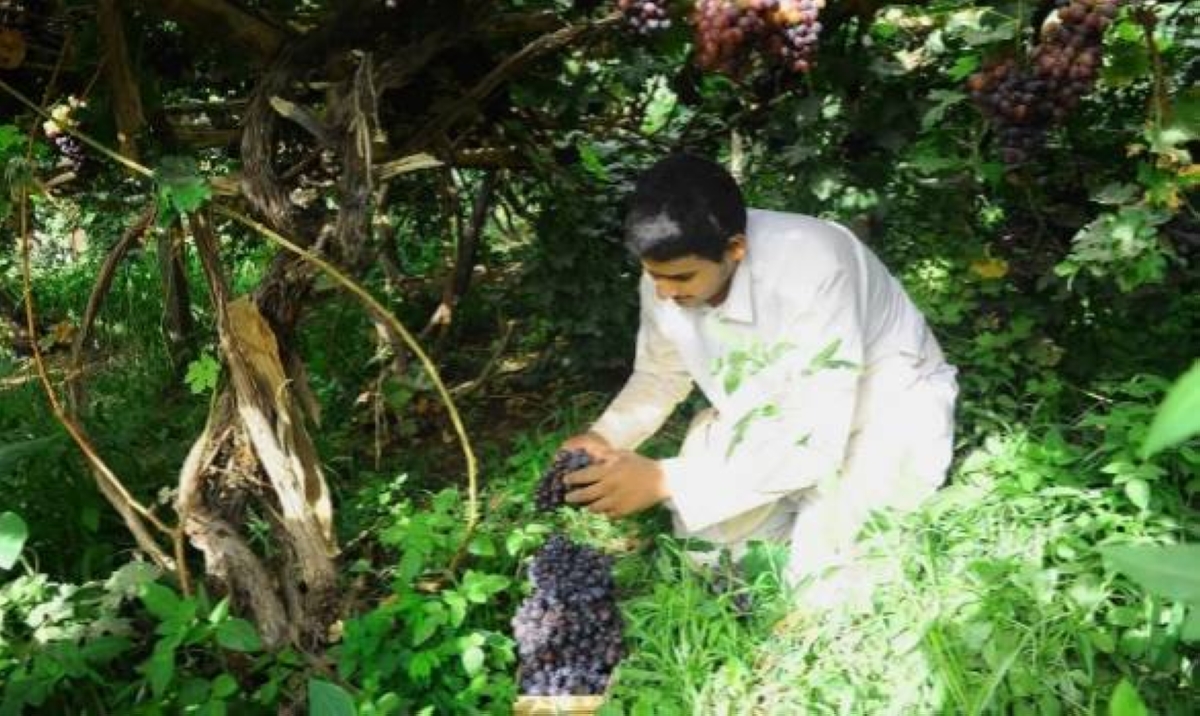
ويبدأ المزارعون في منطقة نجران هذه الأيام في قطف محصول العنب، ونقله من المزارع إلى الأسواق المحلية بالمنطقة.
وتُعرف منطقة نجران بخصوبة تربتها واعتدال مناخها ووفرة المياه، وهو ما أسهم في تكون بيئة زراعية تؤمن سلة غذائية موسمية تمتد على مدار العام. وبالنظر لجودة العنب النجراني بنوعيه «الأبيض والأسود» بات الطلب عليه من خارج المنطقة مؤشراً لحجم الطلب المتنامي من إجمالي الإنتاج السنوي الذي يتجاوز 200 ألف صندوق بمتوسط سعر 15 ريالاً للصندوق الواحد.
«عنب نجران».. 3000 طن تعزز الاقتصاد الزراعي والسياحي
29 يوليو 2025 - 21:30
|
آخر تحديث 29 يوليو 2025 - 21:30


تابع قناة عكاظ على الواتساب
«عكاظ» (نجران)
The grape orchards in the Najran region are considered one of the important sources in the agricultural and tourism economy. These orchards extend over approximately 67 hectares and produce about 3,000 tons of grapes annually. These days coincide with the approach of the end of the grape harvest season in late August, which represents a positive indicator for the development of the agricultural sector in Najran and enhances the status of local products in the markets.
The grape harvest season in the summer each year is one of the most popular seasons among residents and visitors, as they can enjoy shopping and entertainment among the grape orchards in the farms of Al-Hadhan village and the villages west of Najran city, which are famous for their beautiful nature and diverse agricultural crops, due to the fertility of their lands and the moderate climate throughout the year, in addition to the abundance of water. This makes it an agricultural economic source, as well as rural tourism paths that attract many visitors and local residents.
Farmers in the Najran region are currently starting to harvest the grapes and transport them from the farms to the local markets in the region.
Najran is known for its fertile soil, moderate climate, and abundant water, which has contributed to creating an agricultural environment that ensures a seasonal food basket that extends throughout the year. Given the quality of Najran grapes in both "white and black" varieties, the demand for them from outside the region has become an indicator of the growing demand from the total annual production, which exceeds 200,000 boxes at an average price of 15 riyals per box.
The grape harvest season in the summer each year is one of the most popular seasons among residents and visitors, as they can enjoy shopping and entertainment among the grape orchards in the farms of Al-Hadhan village and the villages west of Najran city, which are famous for their beautiful nature and diverse agricultural crops, due to the fertility of their lands and the moderate climate throughout the year, in addition to the abundance of water. This makes it an agricultural economic source, as well as rural tourism paths that attract many visitors and local residents.
Farmers in the Najran region are currently starting to harvest the grapes and transport them from the farms to the local markets in the region.
Najran is known for its fertile soil, moderate climate, and abundant water, which has contributed to creating an agricultural environment that ensures a seasonal food basket that extends throughout the year. Given the quality of Najran grapes in both "white and black" varieties, the demand for them from outside the region has become an indicator of the growing demand from the total annual production, which exceeds 200,000 boxes at an average price of 15 riyals per box.


