أكدت وزارة البيئة والمياه والزراعة أهمية التكامل العربي في تطوير نظم إنتاج وتقييم وحفظ البذور الاقتصادية لما لذلك من أثر مباشر في دعم استدامة الموارد الزراعية، وتحقيق الأمن الغذائي على مستوى المنطقة، لاسيما في البيئات الجافة وشبه الجافة التي تتطلب حلولاً مبتكرة وشراكات فعالة.
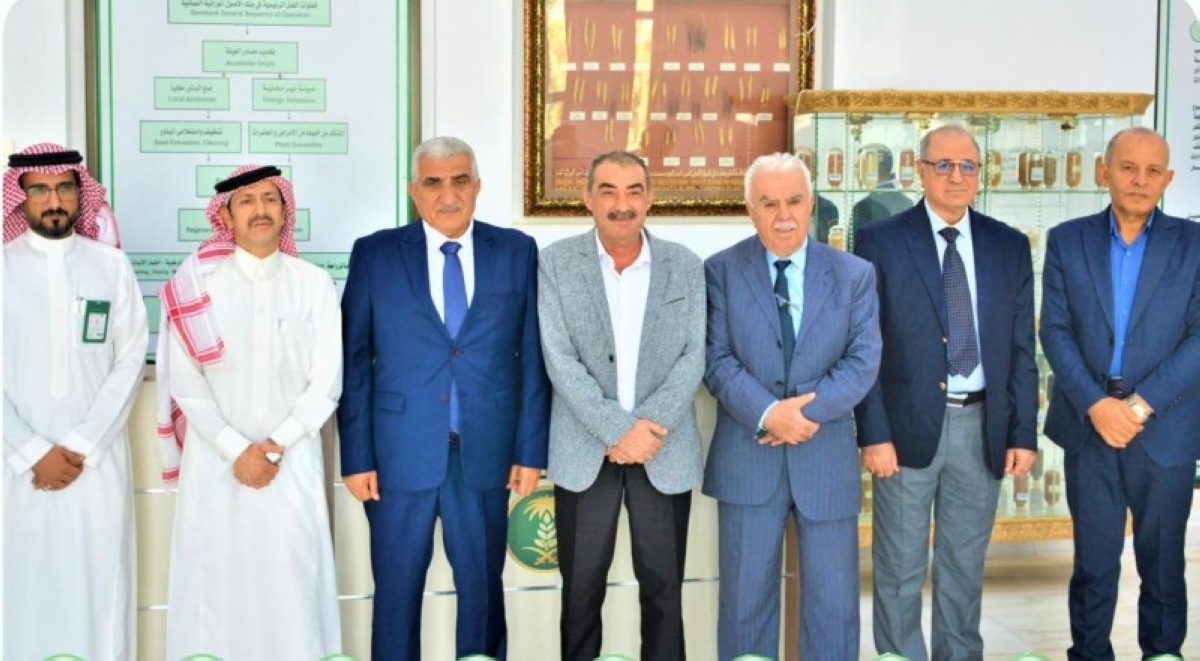
جاء ذلك خلال استضافة الوزارة ممثلة في مركز البذور والتقاوي وفداً من منظمة المركز العربي لدراسات المناطق الجافة والأراضي القاحلة (أكساد) خلال اجتماع تعريفي ناقش فيه الجانبان سبل تعزيز التعاون المشترك في مجالات حفظ وصيانة وتقييم الموارد الوراثية النباتية، وزراعة البطاطس، وتطوير تقنيات زراعة وإنتاج أشجار الفاكهة المثمرة، إضافة إلى مجالات تنموية متعددة تخدم الأمن الغذائي العربي.
وتم خلال الاجتماع استعراض إنجازات مركز البذور والتقاوي في حفظ الموارد الوراثية النباتية، وتطوير تقنيات وأنظمة إنتاج البذور والتقاوي التي تسهم في تحسين جودة البذور ورفع إنتاجيتها، إلى جانب مناقشة فرص تطوير برامج تدريب وبحث مشترك مع المنظمة، تخدم أهداف التنمية الزراعية المستدامة.
وبحث الجانبان إمكانية إطلاق مشاريع مشتركة في مجالات إنتاج البذور عالية الجودة والتقنيات الزراعية الحديثة، وتعزيز أطر التعاون في مجال التقييم الوراثي للنباتات، وتبادل الخبرات بين المتخصصين، بما يعزز قدرات المملكة والدول العربية في مواجهة تحديات الأمن الغذائي، وتحسين المحاصيل الحقلية والبستانية وفق التغيرات المناخية.
وتؤكد الوزارة التزامها بدورها الريادي في المنطقة العربية من خلال دعم مراكزها المتخصصة، وفي مقدمتها مركز البذور والتقاوي، كمحور فاعل في تطوير منظومة إنتاج البذور، وصون الموارد الوراثية، وتمكين المزارعين من الوصول إلى تقاوي محسنة تسهم في رفع الإنتاجية الزراعية وتحقيق الاستدامة وفق مستهدفات رؤية السعودية 2030.
The Ministry of Environment, Water, and Agriculture has emphasized the importance of Arab integration in developing systems for the production, evaluation, and preservation of economic seeds, as this has a direct impact on supporting the sustainability of agricultural resources and achieving food security at the regional level, especially in arid and semi-arid environments that require innovative solutions and effective partnerships.
This came during the ministry's hosting, represented by the Seed and Seedlings Center, of a delegation from the Arab Center for Studies of Arid Zones and Dry Lands (ACSAD) during an introductory meeting where both sides discussed ways to enhance joint cooperation in the fields of conservation, maintenance, and evaluation of plant genetic resources, potato cultivation, and the development of techniques for growing and producing fruit-bearing trees, in addition to various developmental fields that serve Arab food security.
During the meeting, the achievements of the Seed and Seedlings Center in conserving plant genetic resources and developing techniques and systems for seed and seedling production that contribute to improving seed quality and increasing productivity were reviewed, along with discussions on opportunities to develop training programs and joint research with the organization that serve the goals of sustainable agricultural development.
The two sides explored the possibility of launching joint projects in the fields of high-quality seed production and modern agricultural technologies, enhancing cooperation frameworks in the field of genetic evaluation of plants, and exchanging expertise among specialists, which would strengthen the capabilities of the Kingdom and Arab countries in facing food security challenges and improving field and horticultural crops in accordance with climate changes.
The ministry reaffirms its commitment to its pioneering role in the Arab region by supporting its specialized centers, foremost among them the Seed and Seedlings Center, as an effective hub in developing the seed production system, conserving genetic resources, and enabling farmers to access improved seeds that contribute to increasing agricultural productivity and achieving sustainability in line with the objectives of Saudi Vision 2030.