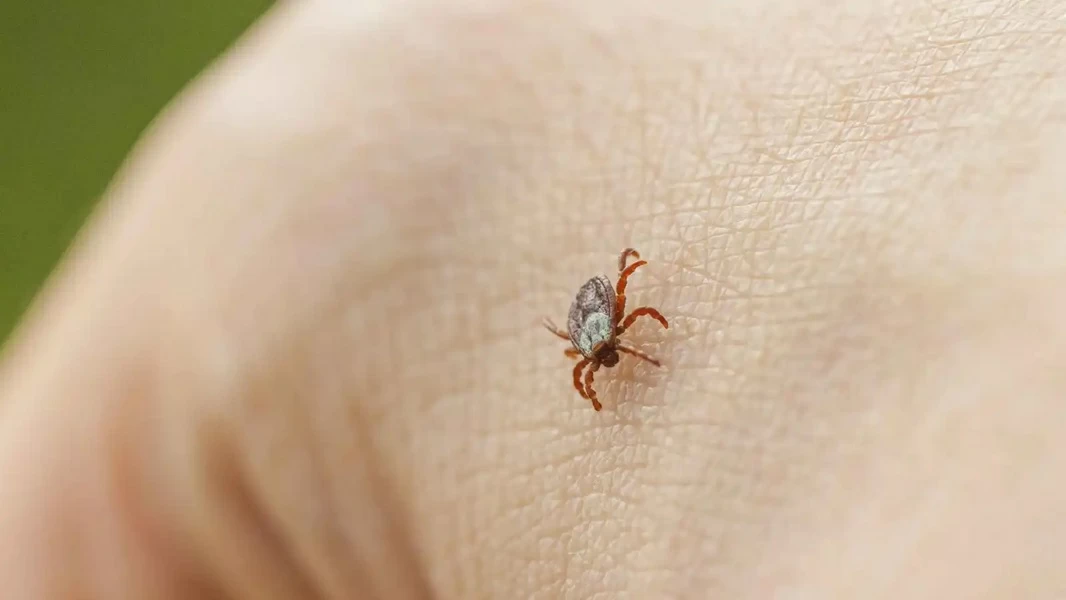
تحوّلت حكة عفوية عادية على جلد الرقبة إلى فاجعة طبية انتهت بوفاة رجل تركي، بعد ارتكابه خطأً شائعاً وقاتلاً غير مقصود أثناء تعامله مع حشرة صغيرة وجدها تلتصق بجسده، ليدق ناقوس الخطر مجدداً حول مخاطر حشرة «القراد» وما تحمله من فايروسات فتاكة.
وبدأت فصول القصة عندما شعر رجل يبلغ من العمر 60 عاماً بحكة مفاجئة في رقبته، ليتفاجأ بوجود حشرة صغيرة ملتصقة بجلده بشكل وثيق. وبشكل تلقائي وعفوي، قام الرجل بسحق الحشرة بأصابعه للتخلص منها، دون أن يعلم أنه بهذا التصرف البسيط قد حقن نفسه بجرعة قاتلة.
بعد أيام قليلة، داهمت الرجل حالة إعياء شديدة مترافقة مع ارتفاع حاد في درجة الحرارة، لينُقل على الفور إلى المستشفى في محافظة «سيواس» وسط تركيا. وهناك اكتشف الأطباء الفاجعة، فالحشرة كانت «قرادة» مصابة، وسحقها باليد تسبب في تدفق سوائلها الملوثة مباشرة عبر مسام الجلد إلى دمه، ليفارق الحياة بعد 4 أيام فقط من المحاولات الطبية لإنقاذه.
ولم يكن هذا الرجل الضحية الوحيدة، إذ سجلت المنطقة نفسها وفاة امرأة تبلغ من العمر 55 عاماً بالطريقة ذاتها تماماً، إذ نزعت القرادة بيديها العاريتين وسحقتها فوراً، لتظهر عليها أعراض المرض وتفارق الحياة سريعاً بعد فشل جهود الأطباء.
وبهذا يرتفع عدد ضحايا القراد في محافظة سيواس التركية إلى 7 حالات منذ مطلع العام الحالي، وتتركز غالبية الإصابات المسجلة في المناطق الريفية ولدى الأشخاص الذين يتعاملون مباشرة مع حيوانات الماشية التي تنتقل منها الحشرة.
فايروس فتاك بلا لقاح
تحذير منظمة الصحة العالمية يقول إن الحشرة نقلت للضحايا فايروس «حمى القرم– الكونغو النزفية (CCHF)»، وهو فايروس شديد الخطورة يتسبب في وقوع فاشيات الحمى النزفية الوخيمة، إذ يصل معدل الوفيات الناجمة عن تلك الفاشيات إلى 40%. والصدمة الأكبر أنه لا يوجد أي لقاح ضد هذا الفايروس حتى الآن، لا للإنسان ولا للحيوان.
وينتقل الفايروس أساساً من حشرات القراد وحيوانات الماشية إلى الإنسان، لكنه قادر أيضاً على الانتقال من إنسان إلى آخر نتيجة الاتصال المباشر بدم الشخص المصاب أو إفرازاته أو سوائل جسمه الأخرى، ويتوطن في بلدان أفريقيا والبلقان والشرق الأوسط وآسيا.
كيف تنزع «القرادة» بأمان؟
الخطأ الأكبر الذي وقع فيه الضحايا هو «سحق» الحشرة بالأصابع، ما يؤدي إلى عصر أحشائها وسوائلها المحملة بالفايروس داخل الجرح والجلد. لتجنب هذا المصير المأساوي، حدد خبراء الصحة الطريقة الآمنة والوحيدة لإزالة القراد عبر الخطوات المتتالية التالية:
1- تجنب السحق تماماً: لا تحاول أبداً سحق الحشرة بأصابعك أو الضغط على جسدها المنتفخ وهي ملتصقة بجلدك.
2- استخدام أداة دقيقة: استخدم ملقطاً نظيفاً برأس دقيق ورفيع للإمساك بالحشرة من أقرب نقطة ممكنة لسطح الجلد عند منطقة الفم.
3- السحب ببطء شديد: اسحب القرادة إلى الأعلى مباشرة بحركة بطيئة، ثابتة، ومستمرة. وتجنب لويها أو جرها بعنف خشية أن ينفصل رأسها ويبقى تحت الجلد.
4- التطهير والمراقبة: بعد إزالة الحشرة بنجاح، اغسل منطقة اللدغة ويديك جيداً بالماء والصابون، ثم طهر المكان بالكحول الطبي، وتوجه لأقرب مركز صحي فوراً في حال ظهور حمى أو إعياء.
An ordinary spontaneous itch on the skin of the neck turned into a medical tragedy that ended with the death of a Turkish man, after he made a common and fatal mistake unintentionally while dealing with a small insect he found clinging to his body, raising the alarm once again about the dangers of the "tick" and the deadly viruses it carries.
The story began when a 60-year-old man felt a sudden itch on his neck, only to be surprised by the presence of a small insect firmly attached to his skin. Spontaneously and instinctively, the man crushed the insect with his fingers to get rid of it, unaware that this simple action had injected him with a lethal dose.
A few days later, the man was struck by severe fatigue accompanied by a sharp rise in temperature, and he was immediately taken to the hospital in the province of "Sivas" in central Turkey. There, doctors discovered the tragedy: the insect was an infected "tick," and crushing it by hand caused its contaminated fluids to flow directly through the skin pores into his blood, leading to his death just 4 days later despite medical attempts to save him.
This man was not the only victim, as the same region recorded the death of a 55-year-old woman in exactly the same manner, as she removed the tick with her bare hands and crushed it immediately, showing symptoms of the disease and dying quickly after the doctors' efforts failed.
Thus, the number of tick victims in the Turkish province of Sivas has risen to 7 cases since the beginning of this year, with the majority of recorded infections concentrated in rural areas and among people who come into direct contact with livestock from which the insect transmits.
A Deadly Virus Without a Vaccine
The World Health Organization's warning states that the insect transmitted the "Crimean-Congo Hemorrhagic Fever (CCHF)" virus to the victims, which is a highly dangerous virus that causes severe hemorrhagic fever outbreaks, with a mortality rate of up to 40%. The shocking fact is that there is currently no vaccine against this virus, neither for humans nor for animals.
The virus primarily transmits from ticks and livestock to humans, but it can also be transmitted from person to person through direct contact with the blood of the infected person or their secretions or other body fluids, and it is endemic in countries in Africa, the Balkans, the Middle East, and Asia.
How to Safely Remove a Tick?
The biggest mistake made by the victims was "crushing" the insect with their fingers, which leads to squeezing its organs and virus-laden fluids into the wound and skin. To avoid this tragic fate, health experts have outlined the safe and only method for removing ticks through the following sequential steps:
1- Avoid crushing entirely: Never attempt to crush the insect with your fingers or press on its swollen body while it is attached to your skin.
2- Use a precise tool: Use a clean tweezer with a fine and thin tip to grasp the insect as close as possible to the surface of the skin at the mouth area.
3- Pull slowly: Pull the tick straight upward with a slow, steady, and continuous motion. Avoid twisting or jerking it violently for fear that its head may detach and remain under the skin.
4- Disinfect and monitor: After successfully removing the insect, wash the bite area and your hands thoroughly with soap and water, then disinfect the area with medical alcohol, and head to the nearest health center immediately if fever or fatigue appears.