أكد وزير الاتصالات وتقنية المعلومات المهندس عبدالله السواحة أن السعودية بقيادة خادم الحرمين وولي العهد تمضي نحو بناء إحدى أكثر البنى التحتية للذكاء الاصطناعي جاهزيةً وإتاحةً في العالم، بما يعزز موقعها شريكًا موثوقًا لتمكين الاقتصاد الرقمي وربط الشرق بالغرب.
جاء ذلك خلال كلمته في افتتاح مؤتمر LEAP East 2026 في هونغ كونغ، أوضح فيها أن LEAP الذي انطلق من الرياض قبل خمسة أعوام، أصبح حركة تقنية عالمية أحدثت أثرًا مضاعفًا ليس على المملكة والمنطقة فحسب، بل على العالم، مشيرًا إلى أن انتقال هذه الحركة إلى الشرق يعكس أهمية المنطقة بوصفها مركزًا محوريًا لصناعة مستقبل التقنية والذكاء الاصطناعي.
وبيّن السواحة أن الشرق يمثل اليوم اقتصادًا حجمه 34 تريليون دولار، بما يقارب 30% من الناتج المحلي الإجمالي العالمي، ويضم اقتصادًا رقميًا حجمه 10 تريليونات دولار، إلى جانب 3.7 مليار نسمة تمثل نحو 46% من سكان العالم، مؤكدًا أن الشرق لا يمتلك الحجم فقط، بل يبني المعمار الحقيقي لعصر الذكاء الاصطناعي.
وأشار إلى أن 82% من براءات اختراع الذكاء الاصطناعي عالميًا تنطلق من الشرق، و60% من سوق أشباه الموصلات العالمي يتمركز فيه، إلى جانب 90% من تصنيع الشرائح المتقدمة، ما يجعله مركزا رئيسيا لمحركات الحوسبة والذكاء الاصطناعي عالميا.
139 مليار دولار في نمو الاقتصاد الرقمي
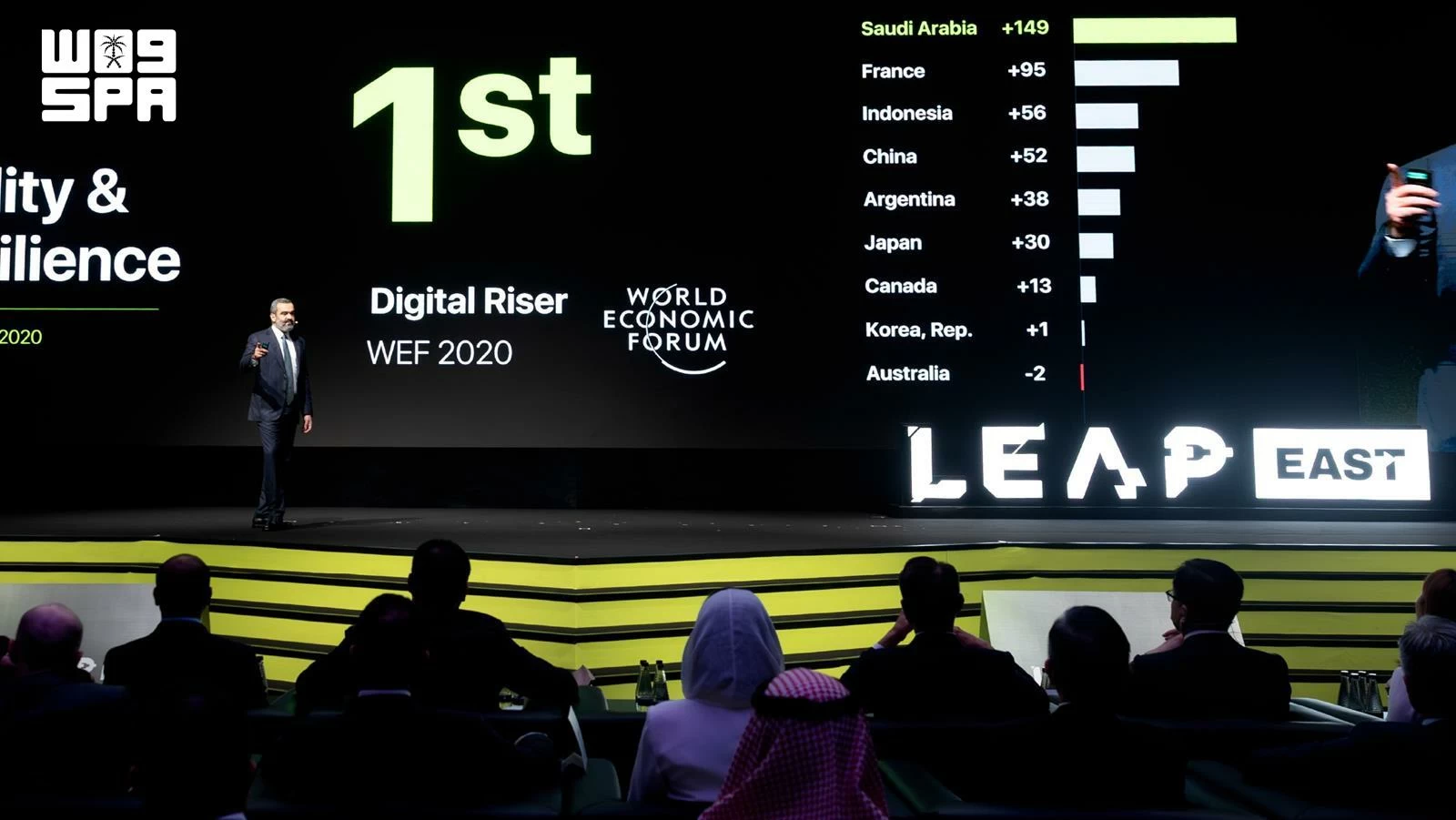
استعرض السواحة منجزات المملكة في الأعوام الماضية، مبينًا أن الاقتصاد الرقمي السعودي نما بنسبة 75% خلال 8 أعوام ليصل إلى 139 مليار دولار، وارتفعت مساهمة القطاع غير النفطي في الناتج المحلي الإجمالي إلى 16%، وقفزت السعة التشغيلية لمراكز البيانات إلى 467 ميجاواط، بما يمثل 47% من إجمالي السعة في منطقة الشرق الأوسط وشمال أفريقيا.
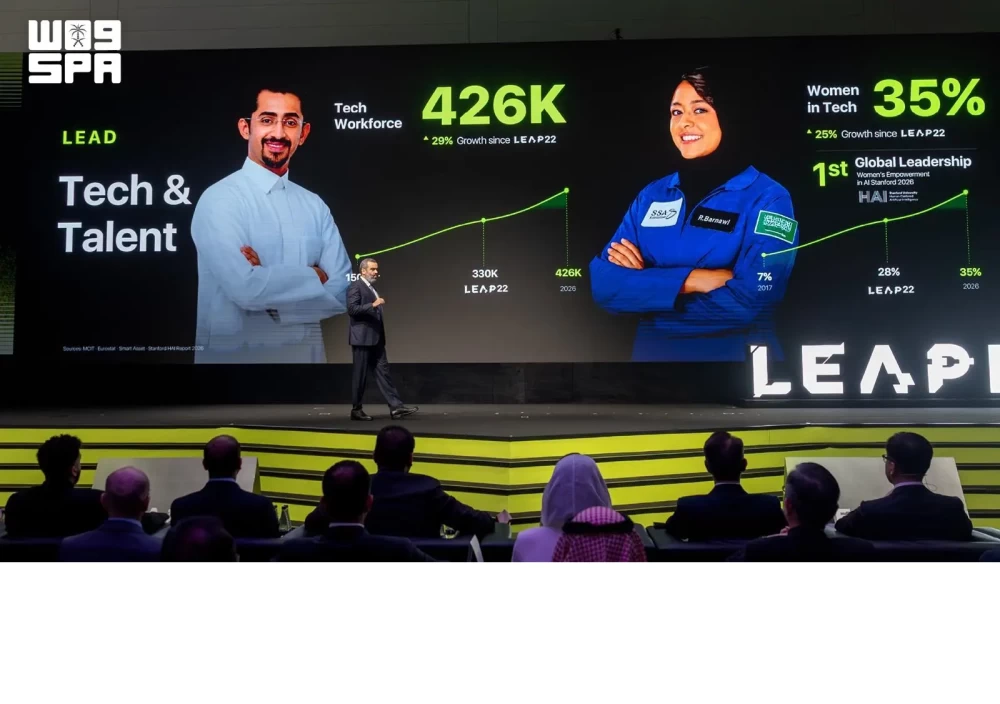
وأكد السواحة أن تمكين المرأة السعودية يمثل إحدى أبرز قصص النجاح عالميًا، موضحًا أن مشاركة المرأة في القوى العاملة التقنية ارتفعت من 7% إلى 35%، لتتجاوز متوسط الاتحاد الأوروبي ووادي السيليكون، فيما تتصدر المرأة السعودية عالميًا في المشاركة والتمكين بمجال الذكاء الاصطناعي.
--
3 جيجاواط في 2030
---
وفي جانب البنية التحتية، أوضح أن السعودية تعمل على بناء 6.9 جيجاواط من سعات مراكز البيانات بحلول عام 2034، تبدأ بـ 3 جيجاواط بحلول 2030، مع توفر 12.8 جيجاواط من الطاقة حاليًا، بما يجعل المملكة من الأسرع عالميًا في إتاحة الطاقة لمشاريع الحوسبة والذكاء الاصطناعي.
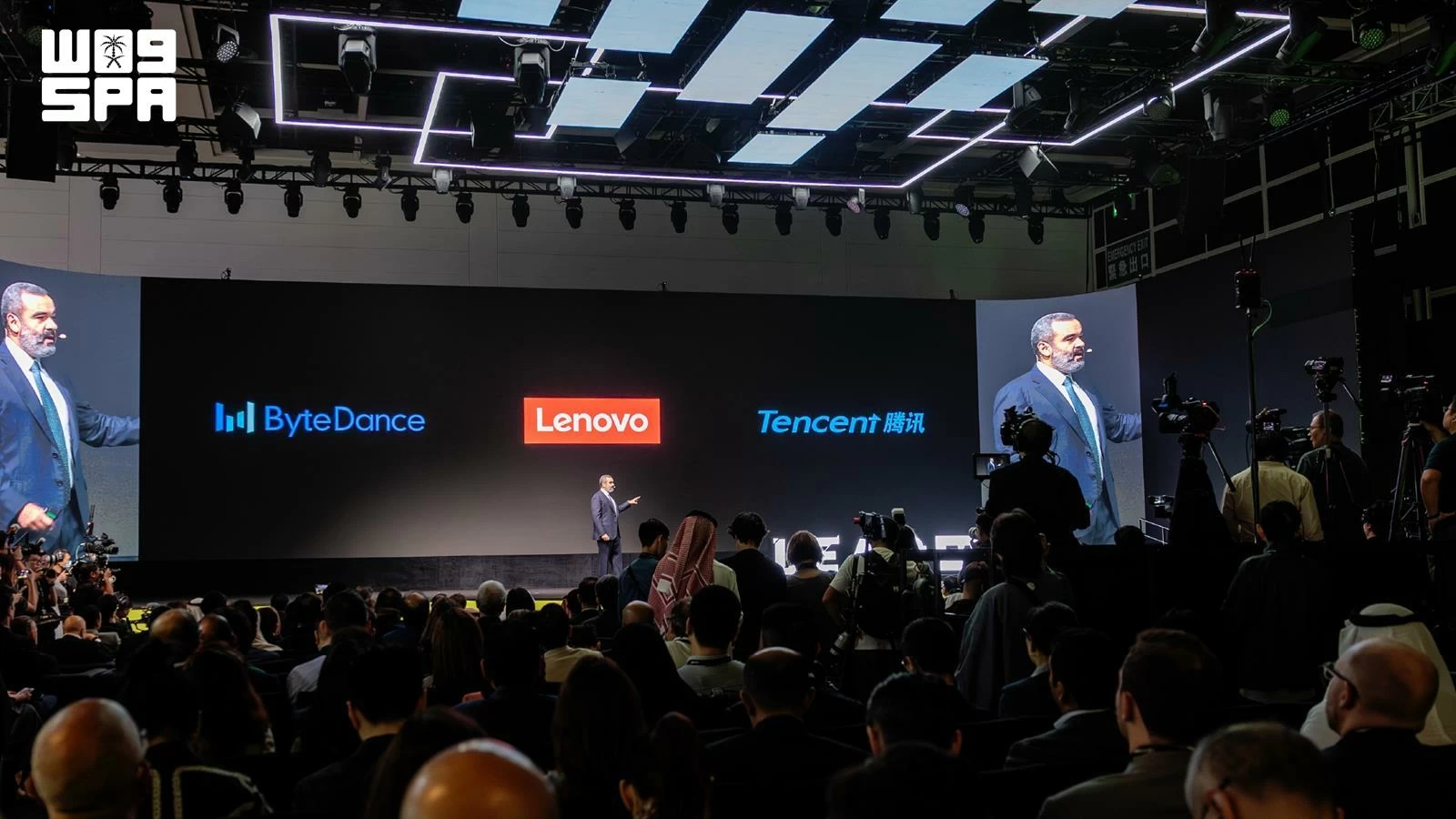
واختتم وزير الاتصالات بالتأكيد أن المملكة تجمع عناصر النجاح الثلاثة لعصر الذكاء الاصطناعي: الحوسبة، والعملاء، ورأس المال، مشيرًا إلى أن شركات عالمية كبرى من الشرق بدأت البناء في المملكة.
The Minister of Communications and Information Technology, Engineer Abdullah Al-Swaha, confirmed that Saudi Arabia, under the leadership of the Custodian of the Two Holy Mosques and the Crown Prince, is moving towards building one of the most ready and accessible artificial intelligence infrastructures in the world, enhancing its position as a trusted partner in enabling the digital economy and connecting East to West.
This was stated during his speech at the opening of the LEAP East 2026 conference in Hong Kong, where he explained that LEAP, which started in Riyadh five years ago, has become a global tech movement that has had a multiplied impact not only on the Kingdom and the region but also on the world. He noted that the movement's transition to the East reflects the region's importance as a pivotal center for shaping the future of technology and artificial intelligence.
Al-Swaha indicated that the East today represents an economy worth $34 trillion, accounting for nearly 30% of the global GDP, and includes a digital economy valued at $10 trillion, alongside 3.7 billion people, representing about 46% of the world's population. He emphasized that the East not only possesses size but is also building the real architecture for the era of artificial intelligence.
He pointed out that 82% of global artificial intelligence patents originate from the East, and 60% of the global semiconductor market is concentrated there, along with 90% of advanced chip manufacturing, making it a major hub for computing and artificial intelligence globally.
$139 billion in digital economy growth
Al-Swaha reviewed the Kingdom's achievements in recent years, indicating that the Saudi digital economy has grown by 75% over 8 years, reaching $139 billion, and the contribution of the non-oil sector to the GDP has increased to 16%. The operational capacity of data centers has surged to 467 megawatts, representing 47% of the total capacity in the Middle East and North Africa.
He affirmed that empowering Saudi women represents one of the most prominent success stories globally, explaining that women's participation in the tech workforce has risen from 7% to 35%, surpassing the averages of the European Union and Silicon Valley, while Saudi women lead globally in participation and empowerment in the field of artificial intelligence.
--
3 gigawatts by 2030
---
Regarding infrastructure, he clarified that Saudi Arabia is working on building 6.9 gigawatts of data center capacities by 2034, starting with 3 gigawatts by 2030, with 12.8 gigawatts of energy currently available, making the Kingdom one of the fastest globally in providing energy for computing and artificial intelligence projects.
The Minister of Communications concluded by emphasizing that the Kingdom combines the three elements of success for the era of artificial intelligence: computing, customers, and capital, noting that major global companies from the East have begun building in the Kingdom.