تزهو مزارع تبوك بكنوزها الزراعية، في كل صيف، وتتحول حقولها إلى لوحة خضراء تزينها أشجار الكمثرى المثقلة بثمارها الفاخرة، التي يصفها المزارعون بـ«ثمار من ذهب»، إذ استطاعت منطقة تبوك بفضل مناخها المعتدل وتربتها الخصبة وجهود مزارعيها أن تنتج أجود أصناف الكمثرى، مثل «الكوميس والباين أبل»، لتغذي أسواق المملكة بمحاصيل طازجة ونوعية تجسد مكانة المنطقة كأحد أهم السلال الزراعية في الوطن.
وتنتشر زراعة الكمثرى على نطاق واسع بالمنطقة، إذ تحتضن أكثر من 15 ألف شجرة، بطاقة إنتاجية سنوية تزيد على 750 طناً من محاصيل الكمثرى التي تبلغ ذروة موسم الإنتاج فيها خلال شهري يوليو وأغسطس، وفيها تصل الثمار إلى درجة النضج المثلى من حيث الطعم والحجم واللون.
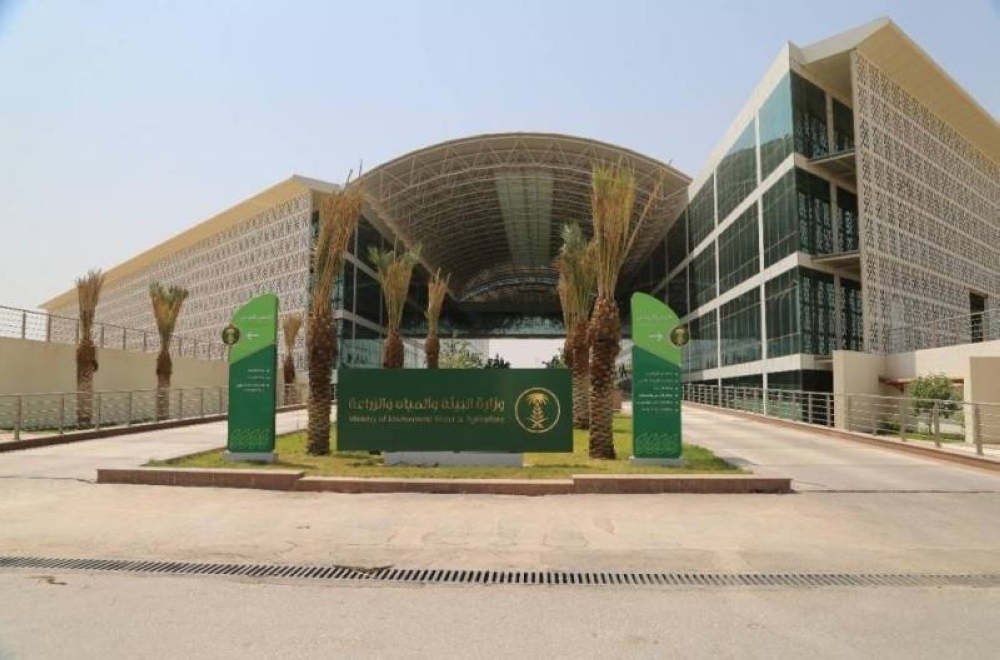
ويأتي هذا التنوع الزراعي والوفرة الإنتاجية، نتيجة تكامل الجهود بين المزارعين والجهات المعنية، وفي مقدمتها فرع وزارة البيئة والمياه والزراعة بمنطقة تبوك، الذي يؤدي دوراً محورياً في توعية وإرشاد المزارعين بأفضل الممارسات الزراعية الحديثة.
وتشمل هذه الجهود تقديم التوجيهات حول طرق الزراعة والري المثالية بما يتناسب مع طبيعة المناخ المحلي، إلى جانب تحديد أنسب أنواع الأسمدة العضوية والكيميائية، لدعم نمو أشجار الكمثرى، كما يعمل الفرع بشكل مستمر مع المزارعين على مكافحة الآفات الحشرية والأمراض الفطرية التي قد تؤثر في جودة المحصول، من خلال برامج وقائية وعلاجية تضمن سلامة الأشجار والثمار على حد سواء.
وتتميز منطقة تبوك بأنها تضم بيئة زراعية خصبة وغنية، جعلت منها وجهة مفضلة للمستثمرين والمزارعين، إذ يبلغ عدد المزارع في المنطقة اليوم أكثر من 14 ألف مزرعة، تمتد على مساحة شاسعة تزيد على 270 ألف هكتار. وتتنوع هذه المزارع في إنتاجها لتشمل إلى جانب الكمثرى العديد من المحاصيل الأخرى كالخوخ والمشمش والعنب والخضروات بمختلف أنواعها.
ويؤكد فرع وزارة البيئة بالمنطقة أن ما تحقق من إنجازات زراعية في تبوك يجسد رؤية المملكة 2030، التي تسعى إلى تحقيق الأمن الغذائي، وتعزيز استدامة الموارد الطبيعية، وتحفيز الاقتصاد المحلي من خلال الاستثمار في القطاعات غير النفطية، ومنها الزراعة، كما أن الاهتمام الكبير الذي توليه القيادة -أيدها الله- بهذا القطاع، والدعم الذي يحظى به المزارعون من برامج تمويلية وإرشادية وتدريبية، ساهم في رفع كفاءة الإنتاج الزراعي وتحسين جودة المحاصيل، لتصبح منافسة للمنتجات المستوردة في الأسواق المحلية.
ومع تزايد الطلب على المنتجات الزراعية الطازجة ذات الجودة العالية، تواصل منطقة تبوك ترسيخ مكانتها بوصفها مركزاً زراعياً متقدماً على خارطة المملكة، بفضل تكامل عوامل الطبيعة والإنسان معاً، لتقدم نموذجاً ناجحاً للزراعة المستدامة التي تجمع بين الأصالة والتجديد.
من 15000 شجرة.. تبوك تحصد 750 طناً من الكمثرى سنوياً
20 يوليو 2025 - 16:56
|
آخر تحديث 20 يوليو 2025 - 16:56


تابع قناة عكاظ على الواتساب
«عكاظ» (تبوك)
The farms of Tabuk boast their agricultural treasures every summer, transforming their fields into a green canvas adorned with pear trees laden with their exquisite fruits, which farmers describe as "fruits of gold." Thanks to its moderate climate, fertile soil, and the efforts of its farmers, the Tabuk region has managed to produce the finest varieties of pears, such as "Comice and Pineapple," to nourish the markets of the Kingdom with fresh and high-quality crops that embody the region's status as one of the most important agricultural baskets in the nation.
Pear cultivation is widely spread across the region, hosting more than 15,000 trees, with an annual production capacity exceeding 750 tons of pears, reaching the peak of the production season during July and August, when the fruits achieve optimal ripeness in terms of taste, size, and color.
This agricultural diversity and production abundance result from the integration of efforts between farmers and relevant authorities, foremost among them the branch of the Ministry of Environment, Water, and Agriculture in the Tabuk region, which plays a pivotal role in educating and guiding farmers on the best modern agricultural practices.
These efforts include providing guidance on ideal farming and irrigation methods that suit the local climate, as well as identifying the most suitable types of organic and chemical fertilizers to support the growth of pear trees. The branch also continuously collaborates with farmers to combat insect pests and fungal diseases that may affect the quality of the crop through preventive and therapeutic programs that ensure the safety of both the trees and the fruits.
The Tabuk region is characterized by its fertile and rich agricultural environment, making it a preferred destination for investors and farmers. Today, the number of farms in the region exceeds 14,000, spanning a vast area of more than 270,000 hectares. These farms vary in their production to include, in addition to pears, many other crops such as peaches, apricots, grapes, and various types of vegetables.
The branch of the Ministry of Environment in the region confirms that the agricultural achievements realized in Tabuk embody the Kingdom's Vision 2030, which aims to achieve food security, enhance the sustainability of natural resources, and stimulate the local economy through investment in non-oil sectors, including agriculture. Additionally, the significant attention given by the leadership—may God support it—to this sector, along with the support farmers receive from funding, guidance, and training programs, has contributed to increasing agricultural production efficiency and improving crop quality, making them competitive with imported products in local markets.
With the growing demand for high-quality fresh agricultural products, the Tabuk region continues to solidify its position as an advanced agricultural center on the map of the Kingdom, thanks to the integration of natural and human factors, presenting a successful model of sustainable agriculture that combines authenticity and innovation.
Pear cultivation is widely spread across the region, hosting more than 15,000 trees, with an annual production capacity exceeding 750 tons of pears, reaching the peak of the production season during July and August, when the fruits achieve optimal ripeness in terms of taste, size, and color.
This agricultural diversity and production abundance result from the integration of efforts between farmers and relevant authorities, foremost among them the branch of the Ministry of Environment, Water, and Agriculture in the Tabuk region, which plays a pivotal role in educating and guiding farmers on the best modern agricultural practices.
These efforts include providing guidance on ideal farming and irrigation methods that suit the local climate, as well as identifying the most suitable types of organic and chemical fertilizers to support the growth of pear trees. The branch also continuously collaborates with farmers to combat insect pests and fungal diseases that may affect the quality of the crop through preventive and therapeutic programs that ensure the safety of both the trees and the fruits.
The Tabuk region is characterized by its fertile and rich agricultural environment, making it a preferred destination for investors and farmers. Today, the number of farms in the region exceeds 14,000, spanning a vast area of more than 270,000 hectares. These farms vary in their production to include, in addition to pears, many other crops such as peaches, apricots, grapes, and various types of vegetables.
The branch of the Ministry of Environment in the region confirms that the agricultural achievements realized in Tabuk embody the Kingdom's Vision 2030, which aims to achieve food security, enhance the sustainability of natural resources, and stimulate the local economy through investment in non-oil sectors, including agriculture. Additionally, the significant attention given by the leadership—may God support it—to this sector, along with the support farmers receive from funding, guidance, and training programs, has contributed to increasing agricultural production efficiency and improving crop quality, making them competitive with imported products in local markets.
With the growing demand for high-quality fresh agricultural products, the Tabuk region continues to solidify its position as an advanced agricultural center on the map of the Kingdom, thanks to the integration of natural and human factors, presenting a successful model of sustainable agriculture that combines authenticity and innovation.