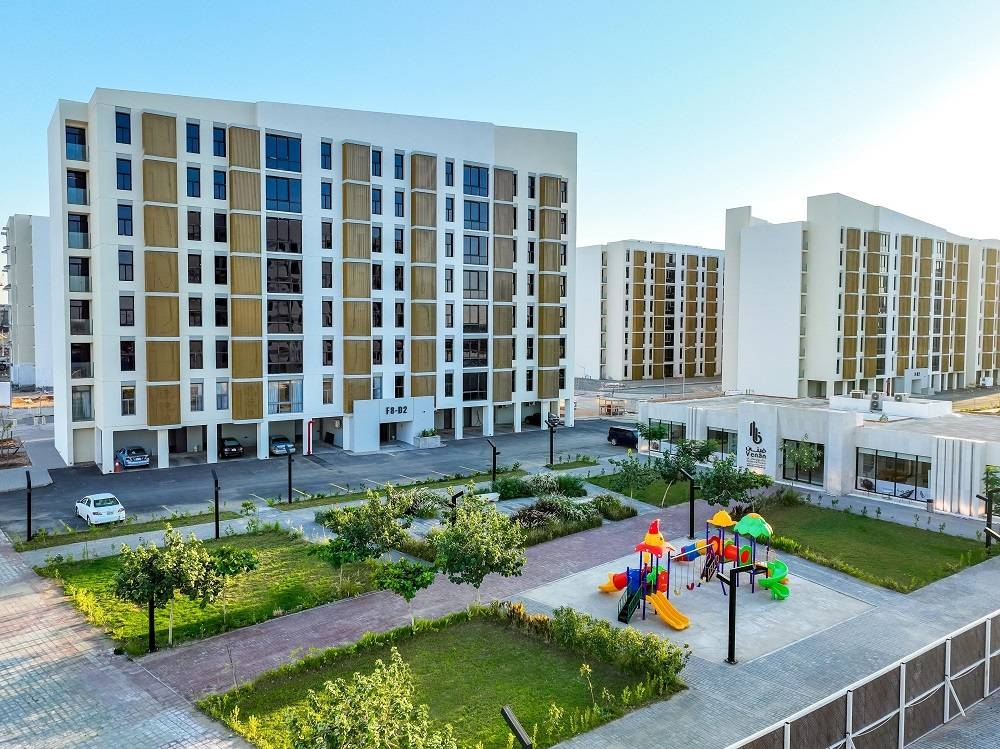
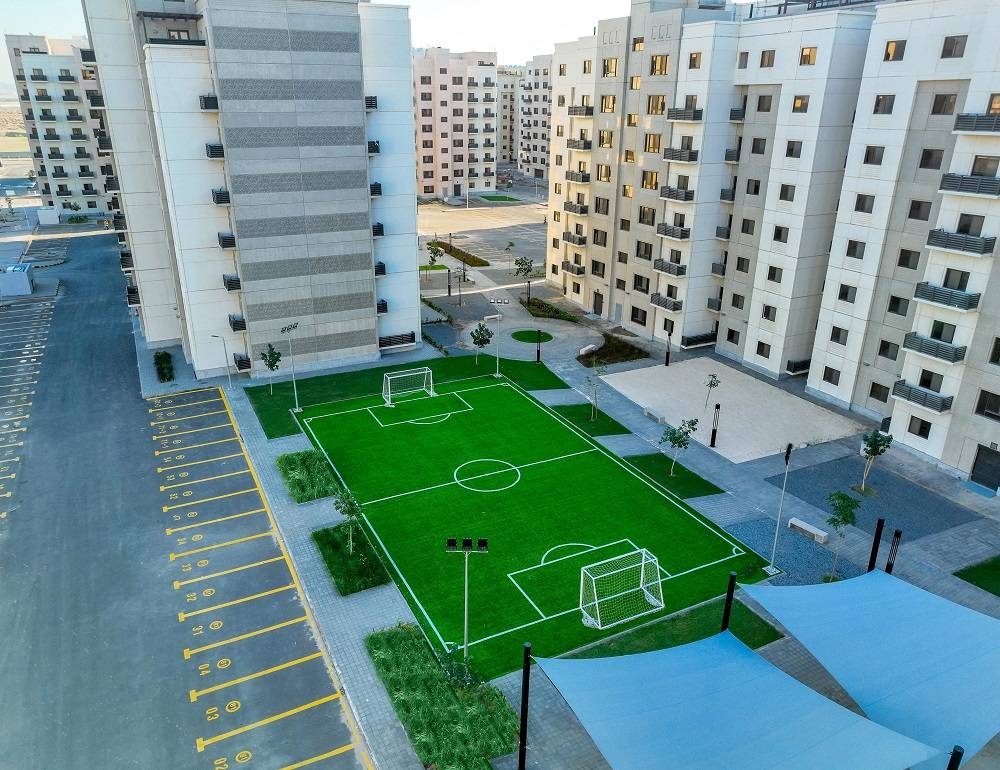
يشكّل الإسكان التنموي إحدى أبرز أدوات التمكين السكني التي تعمل عليها وزارة البلديات والإسكان، ضمن إطار متكامل يُعنى برفع معدلات التملُّك وتحسين جودة الحياة للفئات المستحقة والمشمولة ضمن مبادرة الإسكان التنموي.
وخلال عام 2024 استطاعت الوزارة أن تُحقق قفزات كمية ونوعية تُجسّد كفاءة التنفيذ، ونجاعة السياسات، وعمق الأثر التنموي في مختلف مناطق المملكة.
98 ألف وحدة سكنية مصروفة.. تتجاوز المستهدف
أوضحت الوزارة أن عدد الوحدات السكنية المصروفة لمستفيدي برامج الإسكان التنموي بلغ بنهاية 2024 نحو 98,736 وحدة، متجاوزاً بذلك القيمة المستهدفة البالغة 82 ألف وحدة.
ويُعد هذا الإنجاز امتداداً لجهود الوزارة في توفير مساكن ملائمة تضمن الاستقرار وتحفظ الكرامة، مع الالتزام بأفضل معايير الجودة والامتثال التنظيمي.
دعمٌ تنمويٌّ متكامل.. وتمويلٌ متنوع
وتواصل الوزارة تنفيذ سياساتها التمكينية من خلال تحفيز المعروض السكني وتوفير خيارات تمويلية مرنة أسهمت في توقيع أكثر من 136,444 عقداً تمويلياً لمستفيدي الدعم التنموي، إذ جاء ذلك بالتوازي مع تفعيل برامج التكامل مع الجهات غير الربحية والقطاع الخاص، لضمان استدامة الدعم وشموليته.
توزيع عادل يُغطي مختلف المناطق
وأكدت «البلديات والإسكان» التزامها بالعدالة في التوزيع المكاني، إذ تصدّرت منطقة مكة المكرمة قائمة المستفيدين بعدد 5,549 مستفيداً، تلتها المنطقة الشرقية بـ2,597، ثم المدينة المنورة بـ2,327، في حين شملت التغطية مناطق المملكة كافة بإجمالي تجاوز 21,244 مستفيداً لعام 2024.
أكثر من 19 ألف وحدة جديدة في 2024
وكشفت الوزارة توفير 19,450 وحدة سكنية للأسر الأشد حاجة في عام 2024، موزعةً على مشاريع تنموية تشمل البناء المباشر، التعاون مع الشركاء، وتمكين المستفيدين من الشراء الجاهز.
وقد بلغ عدد الوحدات المموّلة في مناطق المملكة، من خلال عدة برامج؛ منها «البناء» 9,456 وحدة، وبرنامج «وافي» 4,313 وحدة، وشراكات المطورين 1,811 وحدة، والبلديات 1,975 وحدة، مما يعكس تنوع مصادر الدعم وسرعة التنفيذ.
الإسكان التنموي.. حوكمةٌ وتحولٌ نوعي
وأشارت الوزارة إلى أن برنامج الإسكان التنموي يمثّل تحولاً نوعياً في آليات الدعم؛ حيث تم تصميمه لتكثيف كفاءة الاستهداف، وتحقيق أعلى درجات الحوكمة، وتوسيع الشراكات مع المنظمات غير الربحية، كما يستهدف البرنامج تحسين تجربة المستفيد، وضمان استدامة الأثر السكني والاجتماعي للمبادرة.
إلى جانب ذلك، تم تنفيذ أكثر من 300 برنامج تنموي عبر المنظمات غير الربحية، محققة نمواً بنسبة 30%، بما يُعزز الأثر المجتمعي ودور القطاع في التمكين السكني.
التزامٌ مستمر.. وتحقيقٌ لمستهدفات التملُّك
وتؤكد وزارة البلديات والإسكان أن هذه الإنجازات تُعزز من استدامة مشاريع الإسكان التنموي، وترسِّخ مكانتها كأحد أعمدة التمكين السكني للفئات المستحقة، وتُسهم في تحقيق مستهدف رفع نسبة تملك الأسر الأشد حاجة إلى 65% بحلول عام 2025، عبر نموذجٍ متكاملٍ يجمع بين الكفاءة التشغيلية، والتكامل مع الشركاء، وفعالية الدعم الموجّه.
Development housing is one of the most prominent tools for housing empowerment that the Ministry of Municipalities and Housing is working on, within a comprehensive framework aimed at increasing ownership rates and improving the quality of life for eligible groups included in the development housing initiative.
During the year 2024, the ministry was able to achieve significant quantitative and qualitative leaps that embody the efficiency of implementation, the effectiveness of policies, and the depth of developmental impact in various regions of the kingdom.
98 thousand housing units disbursed... exceeding the target
The ministry clarified that the number of housing units disbursed to beneficiaries of development housing programs reached approximately 98,736 units by the end of 2024, thus exceeding the targeted value of 82 thousand units.
This achievement is an extension of the ministry's efforts to provide suitable housing that ensures stability and preserves dignity, while adhering to the best quality standards and regulatory compliance.
Comprehensive developmental support... and diverse financing
The ministry continues to implement its enabling policies by stimulating housing supply and providing flexible financing options, contributing to the signing of more than 136,444 financing contracts for beneficiaries of developmental support. This came in parallel with activating integration programs with non-profit organizations and the private sector to ensure the sustainability and comprehensiveness of support.
Fair distribution covering various regions
The "Municipalities and Housing" confirmed its commitment to fairness in spatial distribution, as the Makkah region topped the list of beneficiaries with 5,549 beneficiaries, followed by the Eastern region with 2,597, then Medina with 2,327, while coverage included all regions of the kingdom with a total exceeding 21,244 beneficiaries for the year 2024.
More than 19 thousand new units in 2024
The ministry revealed the provision of 19,450 housing units for the most needy families in 2024, distributed across developmental projects that include direct construction, collaboration with partners, and enabling beneficiaries to purchase ready-made units.
The number of funded units in the regions of the kingdom reached, through several programs; including "construction" 9,456 units, the "Wafi" program 4,313 units, developer partnerships 1,811 units, and municipalities 1,975 units, reflecting the diversity of support sources and the speed of implementation.
Development housing... governance and qualitative transformation
The ministry indicated that the development housing program represents a qualitative transformation in support mechanisms; it has been designed to intensify targeting efficiency, achieve the highest degrees of governance, and expand partnerships with non-profit organizations. The program also aims to improve the beneficiary experience and ensure the sustainability of the housing and social impact of the initiative.
In addition, more than 300 developmental programs have been implemented through non-profit organizations, achieving a growth rate of 30%, which enhances the community impact and the role of the sector in housing empowerment.
Continuous commitment... and achieving ownership targets
The Ministry of Municipalities and Housing confirms that these achievements enhance the sustainability of development housing projects, solidify its position as one of the pillars of housing empowerment for eligible groups, and contribute to achieving the target of raising the ownership rate of the most needy families to 65% by 2025, through an integrated model that combines operational efficiency, integration with partners, and the effectiveness of targeted support.