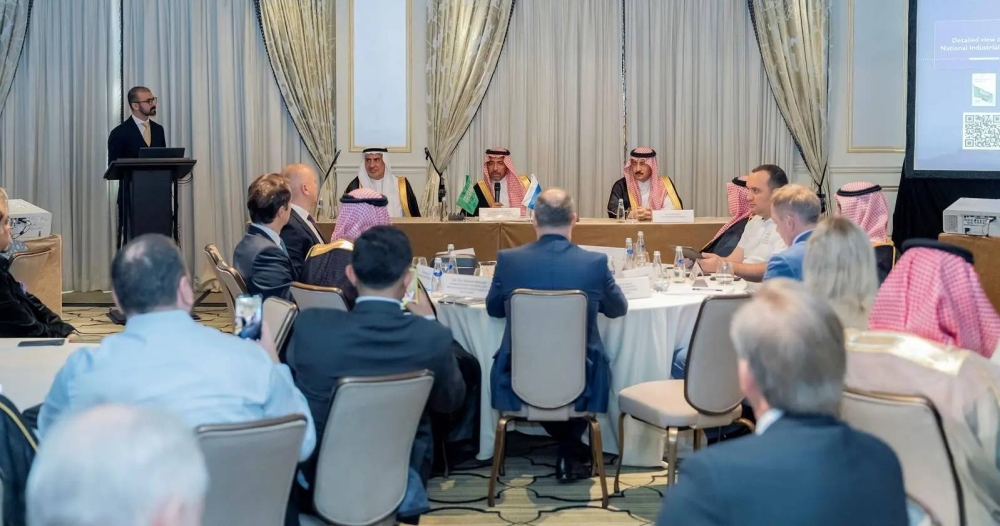
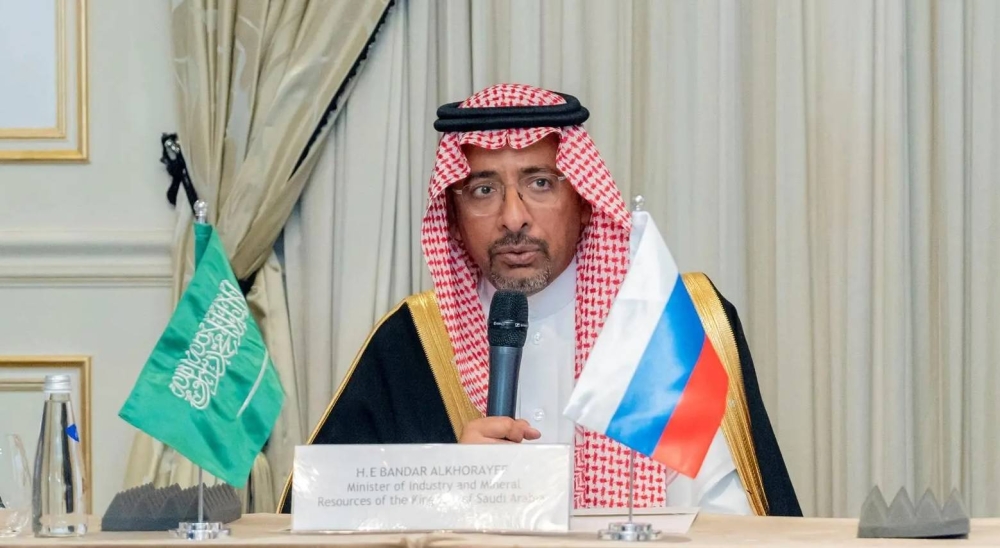
ترأس وزير الصناعة والثروة المعدنية بندر بن إبراهيم الخريف اجتماع الطاولة المستديرة مع ممثلي القطاع الخاص الروسي في العاصمة موسكو، الذي ناقش تعزيز الشراكات الاستثمارية بين الجانبين في قطاعي الصناعة والتعدين، واستعرض أبرز الفرص الواعدة في القطاعات ذات الأولوية للإستراتيجية الوطنية للصناعة بالمملكة.
وعُقد الاجتماع بتنظيمٍ من وزارة الصناعة والثروة المعدنية بالتعاون مع وزارة الصناعة والتجارة الروسية، واتحاد الغرف السعودية، بحضور مساعد وزير الاستثمار الدكتور عبد الله الدبيخي، وعدد من المسؤولين الحكوميين قادة قطاعات الصناعة والتعدين، والمستثمرين من المملكة وروسيا الاتحادية.
وأشاد الوزير خلال الاجتماع بمتانة العلاقات السعودية الروسية الراسخة، حيث يحتفل البلدان العام القادم بالذكرى المئوية لبداية العلاقات الدبلوماسية بينهما، مسلطاً الضوء على العوامل الاقتصادية المشتركة والمتشابهة بين البلدين، لاسيما في الموارد المعدنية غير المستغلة، وقوة قطاعات النفط والغاز.
وفي كلمته أمام المشاركين في الاجتماع، أكد الخريف امتلاك المملكة فرصاً استثمارية واعدة في القطاعات الاقتصادية الحيوية، في مقدمتها قطاعا الصناعة والتعدين، اللذان يمثلان ركيزتين أساسيتين لتحقيق التنوع الاقتصادي، منوهاً بالمقومات الإستراتيجية للمملكة، والمزايا التنافسية، التي تجعلها مركزاً محورياً لجذب الاستثمارات العالمية، منها الموقع الجغرافي، والبنية التحتية الصناعية المتقدمة، وشبكة الخدمات اللوجستية الفعالة، التي تربط المدن الصناعية بالموانئ والمجمعات الصناعية المتخصصة، إلى جانب استثمارات المملكة النوعية في التكنولوجيا والبحث والتطوير، ومواردها الطبيعية الوفيرة وسهولة ممارسة الأعمال فيها، وقوة الكفاءات الوطنية المؤهلة.
وأكد أهمية قطاع التعدين السعودي باعتباره الركيزة الثالثة للصناعة وفقاً لمستهدفات رؤية المملكة 2030، مبيناً أن تحديثات برنامج المسح الجيولوجي العام واكتشافاته التعدينية رفعت تقديرات قيمة الثروة المعدنية في المملكة بنسبة (90%) لتصل قيمتها الحالية إلى (2.5) تريليون دولار أمريكي، منوهاً بدور منظومة الصناعة والتعدين في تطوير القطاع، وتحسين بيئته الاستثمارية، ومن ذلك تقليل الفترة الزمنية للحصول على رخص التعدين لتصبح (90) يوماً فقط.
وأشار الخريّف إلى أهمية مؤتمر التعدين الدولي في مناقشة قضايا قطاع التعدين والمعادن العالمي، وإيجاد الحلول المرنة لمعالجة تحدياته، وما يشكله من منصة مهمة تجمع قادة القطاع في العالم وكبرى شركات التعدين والمستثمرين، ومؤسسات الأبحاث، داعياً المستثمرين إلى المشاركة في النسخة الخامسة من المؤتمر المقرر عقده في يناير 2026.
يذكر أن العلاقات الاقتصادية بين المملكة وروسيا الاتحادية تشهد نمواً متسارعاً خلال الأعوام الأخيرة، لاسيما في قطاعات الصناعة والتعدين والبتروكيماويات والتصنيع المتقدم، إذ ارتفع حجم التجارة غير النفطية بين المملكة وروسيا من (491) مليون دولار أمريكي في عام 2016 إلى (3.28) مليار دولار أمريكي في عام 2024، ما يعكس التزام الطرفين بتعزيز التعاون وتشجيع الاستثمارات المشتركة في القطاعات ذات الأولوية.
The Minister of Industry and Mineral Resources, Bandar bin Ibrahim Al-Khorayef, chaired a roundtable meeting with representatives of the Russian private sector in the capital, Moscow. The meeting discussed enhancing investment partnerships between the two sides in the industrial and mining sectors and reviewed the most promising opportunities in the priority sectors of the national industrial strategy in the Kingdom.
The meeting was organized by the Ministry of Industry and Mineral Resources in cooperation with the Russian Ministry of Industry and Trade and the Saudi Chambers Federation, with the attendance of the Assistant Minister of Investment, Dr. Abdullah Al-Dubaikhi, and a number of government officials leading the industrial and mining sectors, as well as investors from the Kingdom and the Russian Federation.
During the meeting, the minister praised the strong and established Saudi-Russian relations, as the two countries will celebrate next year the centenary of the beginning of diplomatic relations between them, highlighting the common and similar economic factors between the two countries, particularly in underutilized mineral resources and the strength of the oil and gas sectors.
In his speech to the participants in the meeting, Al-Khorayef emphasized that the Kingdom possesses promising investment opportunities in vital economic sectors, primarily in the industrial and mining sectors, which represent two essential pillars for achieving economic diversification. He pointed out the Kingdom's strategic components and competitive advantages that make it a pivotal center for attracting global investments, including its geographical location, advanced industrial infrastructure, and effective logistics services network that connects industrial cities with ports and specialized industrial complexes, in addition to the Kingdom's qualitative investments in technology, research and development, its abundant natural resources, ease of doing business, and the strength of its qualified national competencies.
He emphasized the importance of the Saudi mining sector as the third pillar of industry according to the objectives of Vision 2030, indicating that updates to the General Geological Survey program and its mining discoveries have raised estimates of the value of mineral wealth in the Kingdom by (90%), bringing its current value to (2.5) trillion US dollars. He noted the role of the industry and mining system in developing the sector and improving its investment environment, including reducing the time frame for obtaining mining licenses to just (90) days.
Al-Khorayef pointed out the importance of the International Mining Conference in discussing issues related to the global mining and minerals sector and finding flexible solutions to address its challenges, serving as an important platform that brings together sector leaders worldwide, major mining companies, investors, and research institutions. He called on investors to participate in the fifth edition of the conference scheduled to be held in January 2026.
It is worth noting that economic relations between the Kingdom and the Russian Federation have been experiencing rapid growth in recent years, particularly in the sectors of industry, mining, petrochemicals, and advanced manufacturing. The volume of non-oil trade between the Kingdom and Russia has increased from (491) million US dollars in 2016 to (3.28) billion US dollars in 2024, reflecting both parties' commitment to enhancing cooperation and encouraging joint investments in priority sectors.