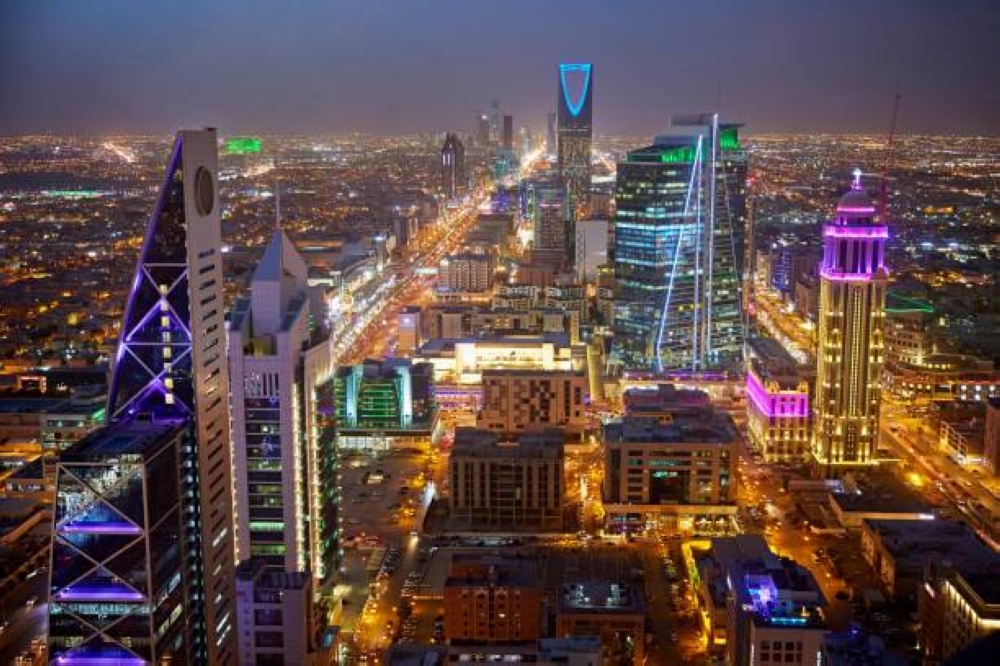
فتحت المملكة العربية السعودية مجالها الجوي للحفاظ على انسيابية حركة الطيران والمسارات الجوية في ظل الأحداث المتأزمة التي مرت بها بالمنطقة مؤخرًا، مجندة الطاقات البشرية والمادية كافة والاستعدادات اللازمة لاستيعاب زيادة أعداد الرحلات العابرة.
وسجلت أجواء المملكة عبور أكثر من (1,330) رحلة كمتوسط يومي بمعدل نمو يتجاوز الـ (95%) مقارنة بما قبل الأزمة، وأُدِيرَت بأمان وسلاسة من خلال أجواء المملكة، وسط تجهيزات تقنية وإجراءات أمنية محكمة في تطبيق متطلبات تسهيل حركة الطائرات مع الالتزام الدقيق بمعايير منظمة الطيران المدني الدولي (ICAO).
وبذلت الهيئة العامة للطيران المدني (GACA) جهودها خلال فترة التوترات، في فتح مسارات جوية إضافية، لاستيعاب الضغط الكبير على الأجواء السعودية، وعُززت سعة المجال الجوي، واختُصر زمن الرحلات، وفق إجراءات وأنظمة ملاحية متقدمة تضمن حماية أجواء المملكة وسلامة حركة الطائرات.
وشهدت أجواء المملكة عبور أكثر من (220) ناقلًا جويًّا خلال الفترة، مما استلزم تفعيل إجراءات توسعة المجال الجوي السعودي المعدة مسبقًا، فيما جرى تطبيق إجراءات أمنية دقيقة في المطارات والمجال الجوي، وتوظيف القدرات المتقدمة لأنظمة المراقبة الجوية والبنية التقنية المعنية بها، إلى جانب تفعيل خطط المخاطر المعدة مسبقًا، مما عزز سرعة التعامل مع الأزمة وضمان استمرارية الملاحة الجوية بأعلى معايير السلامة.
ودُعمت فرق إدارة الأزمات بتقنيات متقدمة لتسريع تحليل ومعالجة البيانات بشكل مباشر ودعم المشغلين والجهات المعنية محليًا وإقليميًا بالبيانات اللازمة للتخطيط بشكل فعال وفوري في إدارة الحركة والرحلات، بفضل الاستعدادات المسبقة، إضافة إلى استيعاب الرحلات العابرة بنجاح؛ مما عزز مكانة المملكة كمجال جوي آمن للتعامل مع الرحلات ونموها المطرد في المنطقة.
وتضم منظومة الملاحة الجوية في المملكة العربية السعودية أحدث أنظمة المراقبة والاتصالات على مستوى العالم، وتعمل عبر (20) برج مراقبة، ومركزين للمراقبة الجوية الإقليمية تتضمن (15) قطاع مراقبة منطقة، و (10) مراكز اقتراب، وأكثر من (1200) جهاز ملاحة موزعة في مختلف مناطق المملكة، تدعمها جهود أكثر من (1900) موظف مختص بينهم أكثر من (700) مراقبة ومراقب جوي يعملون وفقًا لأحدث المنهجيات المتقدمة والمتطورة بالتوافق مع رؤية المملكة لتطوير قطاع الطيران إلى مراكز تنافسية عالميًا.
The Kingdom of Saudi Arabia has opened its airspace to maintain the smooth flow of air traffic and flight paths amid the recent escalating events in the region, mobilizing all human and material resources and necessary preparations to accommodate the increase in the number of transit flights.
The skies of the Kingdom recorded the passage of more than (1,330) flights on a daily average, with a growth rate exceeding (95%) compared to before the crisis. These flights were managed safely and smoothly through the Kingdom's airspace, amidst technical preparations and stringent security measures to implement the requirements for facilitating aircraft movement while adhering strictly to the standards of the International Civil Aviation Organization (ICAO).
The General Authority of Civil Aviation (GACA) exerted its efforts during the period of tensions to open additional air routes to accommodate the significant pressure on Saudi airspace. The capacity of the airspace was enhanced, and flight times were shortened, according to advanced navigational procedures and systems that ensure the protection of the Kingdom's airspace and the safety of flight operations.
The skies of the Kingdom witnessed the passage of more than (220) air carriers during this period, necessitating the activation of previously prepared airspace expansion procedures. Precise security measures were implemented at airports and in the airspace, utilizing advanced capabilities of air traffic control systems and the relevant technical infrastructure, along with activating pre-prepared risk plans, which enhanced the speed of response to the crisis and ensured the continuity of air navigation with the highest safety standards.
Crisis management teams were supported with advanced technologies to expedite the analysis and processing of data in real-time, assisting operators and relevant local and regional authorities with the necessary data for effective and immediate planning in managing traffic and flights, thanks to prior preparations, in addition to successfully accommodating transit flights; this bolstered the Kingdom's position as a safe airspace for handling flights and its steady growth in the region.
The air navigation system in the Kingdom of Saudi Arabia includes the latest surveillance and communication systems in the world, operating through (20) control towers and two regional air traffic control centers, which include (15) area control sectors, (10) approach centers, and more than (1,200) navigation devices distributed across various regions of the Kingdom, supported by the efforts of more than (1,900) specialized employees, including over (700) air traffic controllers working according to the latest advanced methodologies in line with the Kingdom's vision to develop the aviation sector into globally competitive centers.