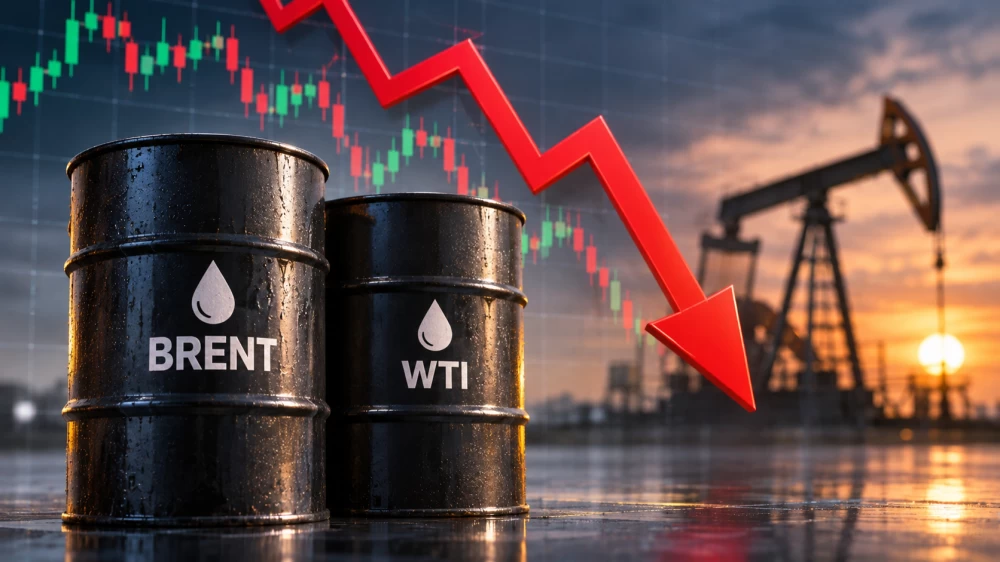
تراجعت أسعار النفط في تعاملات اليوم (الجمعة)، متجهة نحو تسجيل خسائر للأسبوع الثاني على التوالي، وسط توقعات بتراجع احتمالات التصعيد العسكري بين الولايات المتحدة وإيران، رغم استمرار المخاطر التي تهدد إمدادات النفط في الشرق الأوسط.
وانخفضت العقود الآجلة لخام برنت بمقدار 28 سنتاً، أو 0.29%، إلى 95.54 دولار للبرميل، فيما تراجع خام غرب تكساس الوسيط الأمريكي بمقدار 56 سنتاً، أو 0.63%، إلى 88.18 دولار للبرميل.
ويتجه الخامان نحو تسجيل خسائر أسبوعية بنحو 2.9% لكل منهما، بعد انخفاض برنت بنسبة 16% والخام الأمريكي بنسبة 13% خلال الأسبوع الماضي.
وجاء التراجع بعدما أشار الرئيس الأمريكي دونالد ترمب إلى أن التوصل إلى اتفاق مع إيران ليس ضرورياً لإنهاء الحرب، ما عزز توقعات اعتماد واشنطن على العقوبات الاقتصادية والقيود المفروضة على شحنات النفط بدلاً من توسيع العمليات العسكرية.
كما تعرضت الأسعار لضغوط إضافية بفعل ارتفاع مخزونات النفط الخام والوقود في الولايات المتحدة، وسط مؤشرات على ضعف الطلب على المنتجات المكررة وزيادة الواردات.
وأظهرت بيانات إدارة معلومات الطاقة الأمريكية ارتفاع مخزونات الخام بمقدار 4.7 مليون برميل، لتصل إلى 414.4 مليون برميل خلال الأسبوع المنتهي في السادس من نوفمبر، خلافاً لتوقعات المحللين بانخفاضها بمقدار 1.1 مليون برميل.
ورغم تراجع الأسعار، لا تزال الأسواق تراقب المخاطر المرتبطة بحركة ناقلات النفط عبر مضيق هرمز، في ظل استمرار التوترات الإقليمية واحتمال تعرض إمدادات الطاقة لاضطرابات جديدة.
Oil prices fell in today's trading (Friday), heading towards recording losses for the second consecutive week, amid expectations of a decrease in the likelihood of military escalation between the United States and Iran, despite the ongoing risks threatening oil supplies in the Middle East.
Brent crude futures dropped by 28 cents, or 0.29%, to $95.54 a barrel, while U.S. West Texas Intermediate crude fell by 56 cents, or 0.63%, to $88.18 a barrel.
Both crude types are on track to record weekly losses of about 2.9% each, after Brent declined by 16% and U.S. crude by 13% during the past week.
The decline came after U.S. President Donald Trump indicated that reaching an agreement with Iran is not necessary to end the war, which bolstered expectations that Washington would rely on economic sanctions and restrictions on oil shipments rather than expanding military operations.
Prices also faced additional pressure from rising crude oil and fuel inventories in the United States, amid signs of weak demand for refined products and increased imports.
Data from the U.S. Energy Information Administration showed that crude inventories rose by 4.7 million barrels, reaching 414.4 million barrels during the week ending November 6, contrary to analysts' expectations of a decrease of 1.1 million barrels.
Despite the price decline, markets are still monitoring the risks associated with the movement of oil tankers through the Strait of Hormuz, amid ongoing regional tensions and the possibility of new disruptions to energy supplies.