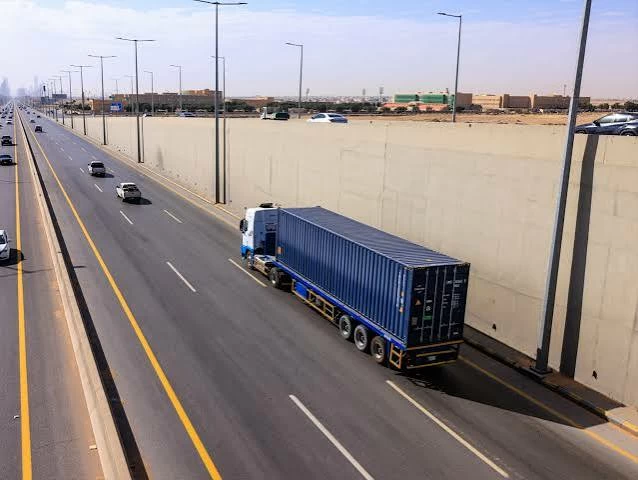
أكدت هيئة الزكاة والضريبة والجمارك عدم السماح لشاحنات نقل البضائع بالعبور «الترانزيت» بالتوقف داخل المدن دون إبلاغ الهيئة، أو نقل البضائع من شاحنة إلى أخرى دون موافقتها وإشرافها، مع إلزام الناقلين بالمسارات والمدد المحددة للوصول إلى منافذ الخروج.
وأوضحت الهيئة، في دليلها الإرشادي لنقل البضائع بالعبور، الصادر في أكتوبر الجاري، ضرورة المحافظة على أجهزة التتبع وعدم العبث بها أو إتلاف ملحقاتها، وإبلاغ الهيئة عند تعطل وسيلة النقل، وعدم استخدام وسيلة بديلة لنقل البضائع إلا تحت إشرافها.
وبيّنت أن نقل البضائع بنظام «الترانزيت» عبر أراضي المملكة إلى دول مجلس التعاون الخليجي والعالم الخارجي يتم دون سداد الرسوم الجمركية والضرائب أثناء العبور، وفق الضوابط المعتمدة، فيما تخضع الشحنات الموجهة إلى الأسواق المحلية بدول الخليج عبر بيان «مقصد خليجي» لسداد الرسوم والضرائب في أول منفذ دخول للمملكة.
واشترط الدليل إنشاء حساب عبر منصة «فسح»، وتفويض مخلص جمركي معتمد لإعداد البيان الجمركي، مع أرشفة بوليصة الشحن للشحنات العابرة عبر المنافذ الجوية والبحرية، والبيان الجمركي من دولة المصدر للشحنات العابرة عبر المنافذ البرية.
وشددت الهيئة على ضرورة استيفاء وحدات النقل اشتراطات الختم الجمركي، بما يمنع إخراج البضائع أو إدخالها دون ترك آثار واضحة، وعدم وجود فراغات خفية داخل وحدات النقل، مع ضمان إمكانية الوصول إلى الحمولة لأغراض التفتيش الجمركي.
The Zakat, Tax and Customs Authority has confirmed that trucks transporting goods in "transit" are not allowed to stop within cities without notifying the authority, or to transfer goods from one truck to another without its approval and supervision, while requiring carriers to adhere to the specified routes and timeframes to reach exit points.
The authority clarified, in its guide for the transit of goods issued this October, the necessity of maintaining tracking devices and not tampering with them or damaging their accessories, and to notify the authority in case of transportation breakdown, as well as not using an alternative means to transport goods except under its supervision.
It indicated that the transportation of goods under the "transit" system through the Kingdom's territory to the Gulf Cooperation Council countries and the outside world is done without the payment of customs duties and taxes during transit, according to the approved regulations, while shipments directed to local markets in the Gulf countries via a "Gulf Destination" declaration are subject to the payment of duties and taxes at the first point of entry into the Kingdom.
The guide stipulated the creation of an account through the "Fasah" platform and the authorization of an accredited customs broker to prepare the customs declaration, along with archiving the bill of lading for shipments transiting through air and sea ports, and the customs declaration from the exporting country for shipments transiting through land ports.
The authority emphasized the necessity for transport units to meet the requirements for customs sealing, which prevents the removal or entry of goods without leaving clear traces, and the absence of hidden voids within transport units, while ensuring access to the cargo for customs inspection purposes.