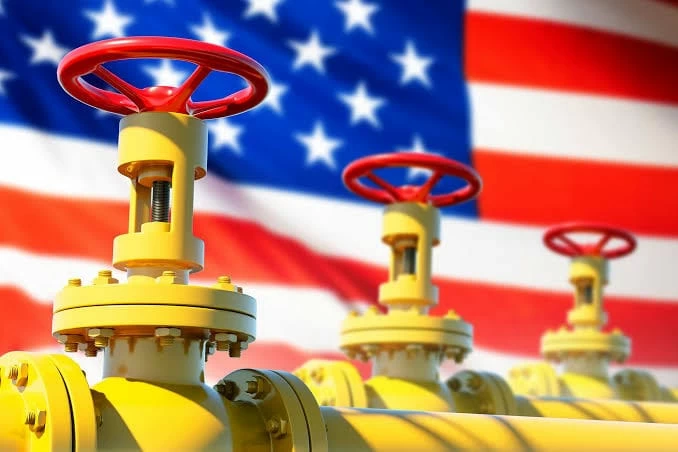
تضغط إدارة الرئيس الأمريكي دونالد ترمب على ألمانيا وفرنسا لسحب جزء من مخزوناتهما الطارئة من الديزل، في محاولة لتهدئة الارتفاع الحاد في أسعار الوقود عالميًا، محذرة من احتمال فرض قيود على صادرات الديزل الأمريكية إذا لم تتحرك أوروبا، وفقًا لوكالة رويترز.
ويمثل هذا التحذير تصعيدًا جديدًا في الضغوط الأمريكية على أوروبا، في وقت يدرس فيه ترمب إمكانية حظر أو تقييد صادرات الديزل بهدف خفض أسعار الوقود داخل الولايات المتحدة، قبل انتخابات التجديد النصفي المقررة في نوفمبر.
120 مليون برميل خلال 6 أشهر
وبحسب رويترز، قال مصدر أوروبي مقيم في إحدى العواصم الأوروبية إن الولايات المتحدة طلبت من الاتحاد الأوروبي الإفراج عن 120 مليون برميل من الديزل على مدى الأشهر الستة القادمة، في خطوة تستهدف زيادة المعروض في الأسواق العالمية والحد من ارتفاع الأسعار.
ويواجه الاتحاد الأوروبي معضلة صعبة، إذ يتعين عليه الموازنة بين الحاجة إلى خفض أسعار الوقود محليًا وبين الاحتفاظ بمستويات مرتفعة من المخزونات تحسبًا لتفاقم أزمة الطاقة، خصوصًا إذا لم تتوصل الولايات المتحدة وإيران إلى اتفاق للسلام.
وأعلنت المفوضية الأوروبية أن فريق عمل الطاقة التابع للاتحاد الأوروبي، والذي يضم المفوضية والدول الأعضاء الـ27، سيعقد اجتماعًا عبر الاتصال المرئي صباح (الجمعة) لبحث تطورات أزمة الوقود.
وقال مسؤول أمريكي مطلع على المناقشات: «من مصلحة أوروبا العمل مع الولايات المتحدة، بينما نتابع مسارات متعددة لزيادة إمدادات المنتجات المكررة وخفض التكاليف على المستهلكين».
مخزونات أوروبا تحت أنظار واشنطن
وتحتفظ دول الاتحاد الأوروبي بنحو 109 ملايين طن من مخزونات النفط الخام والوقود الطارئة، فيما تضغط واشنطن على الدول الأوروبية لسحب كميات من مخزوناتها من الديزل، مع ارتفاع الأسعار العالمية نتيجة اضطرابات مرتبطة بالحرب مع إيران والهجمات الأوكرانية على مصافي التكرير الروسية.
وقال وزير الطاقة الأمريكي كريس رايت، في تصريحات لشبكة «فوكس نيوز» (الخميس)، إنه «واثق للغاية» من قدرة أوروبا على تخفيف أسعار الوقود من خلال السحب من مخزونات الديزل الطارئة.
وأضاف أن الوقت الحالي مناسب لتنسيق عملية سحب مخزونات الديزل، بالتزامن مع موسم الحصاد واقتراب موسم استخدام وقود التدفئة الشتوي، مشيرًا إلى أن كميات إضافية من الديزل متاحة ويمكن طرحها في الأسواق.
واشنطن: «أمريكا تقوم بدورها»
من جانبه، قال وزير الخزانة الأمريكي سكوت بيسنت إن واشنطن نفذت التزاماتها بموجب اتفاق أُبرم في مارس بين أعضاء وكالة الطاقة الدولية، بعدما أطلقت الولايات المتحدة 172 مليون برميل من النفط.
وكتب بيسنت عبر منصة «إكس»: «أمريكا تقوم بدورها»، مضيفًا أن واشنطن تتوقع من حلفائها الوفاء بالتزاماتهم من خلال اتخاذ خطوات عملية.
وتأتي الضغوط الأمريكية في وقت أصبحت فيه أوروبا أكثر اعتمادًا على الوقود الأمريكي، بعد حظرها واردات النفط والوقود الروسي على خلفية الحرب الروسية في أوكرانيا، فضلًا عن اضطراب الإمدادات القادمة من الشرق الأوسط نتيجة الحرب الأمريكية الإسرائيلية على إيران.
أزمات متعددة تضغط على سوق الديزل
وتعرض سوق الوقود العالمي لضغوط إضافية بسبب الحرب مع إيران، التي عطلت أحد المصادر الرئيسية لإمدادات النفط والوقود في العالم.
كما مددت روسيا حظر صادرات الديزل حتى نهاية أكتوبر، ما يزيد الضغوط على السوق، بعدما تسببت الهجمات الأوكرانية في إلحاق أضرار بعدد كبير من المصافي الروسية.
وفي الصين، أوقف كبار مُكرري النفط صادرات الوقود خلال أكتوبر بهدف تعزيز المخزونات المحلية.
وتأتي هذه التطورات بينما تدهورت العلاقات بين أوروبا وواشنطن خلال ولاية ترمب، على خلفية الخلافات بشأن الرسوم الجمركية والإنفاق الدفاعي، ما يزيد حساسية أي مطالب أمريكية جديدة للدول الأوروبية.
ماكرون وترمب لم يناقشا الملف
ورفضت وزارة الطاقة الفرنسية التعليق على الضغوط الأمريكية المتعلقة بمخزونات الديزل.
وقال مسؤول في قصر الإليزيه إن الرئيس الفرنسي إيمانويل ماكرون لم يناقش هذه المسألة مع ترمب خلال لقائهما على هامش اجتماعات الجمعية العامة للأمم المتحدة في نيويورك الأسبوع الماضي.
لكن المسؤول كشف أن ماكرون يعتزم عقد مؤتمر عبر الفيديو مع قادة دول مجموعة السبع لمناقشة ارتفاع أسعار الوقود وتوافر المنتجات النفطية المكررة عالميًا، بما في ذلك تنسيق عملية سحب الاحتياطيات بالتعاون مع وكالة الطاقة الدولية.
وتترقب أسواق الطاقة خلال الفترة القادمة كيفية تعامل الولايات المتحدة وأوروبا مع أزمة الإمدادات، في ظل تداخل عوامل عدة، بينها الحرب مع إيران، والهجمات على منشآت الطاقة الروسية، وقيود صادرات الوقود، واقتراب موسم الشتاء الذي عادة ما يشهد ارتفاعًا في الطلب على وقود التدفئة.
The administration of U.S. President Donald Trump is pressuring Germany and France to withdraw part of their emergency diesel stocks in an attempt to calm the sharp rise in global fuel prices, warning of the possibility of imposing restrictions on U.S. diesel exports if Europe does not take action, according to Reuters.
This warning represents a new escalation in U.S. pressures on Europe, as Trump considers the possibility of banning or restricting diesel exports to lower fuel prices within the United States ahead of the upcoming midterm elections in November.
120 million barrels over 6 months
According to Reuters, a European source based in one of the European capitals stated that the United States has requested the European Union to release 120 million barrels of diesel over the next six months, a move aimed at increasing supply in global markets and curbing rising prices.
The European Union faces a difficult dilemma, as it must balance the need to lower local fuel prices with maintaining high stock levels in anticipation of a worsening energy crisis, especially if the United States and Iran do not reach a peace agreement.
The European Commission announced that the EU's energy task force, which includes the Commission and the 27 member states, will hold a video conference meeting on Friday morning to discuss developments in the fuel crisis.
An American official familiar with the discussions stated, "It is in Europe's interest to work with the United States as we pursue multiple pathways to increase refined product supplies and reduce costs for consumers."
Europe's stocks under Washington's watch
EU countries hold about 109 million tons of emergency crude oil and fuel stocks, while Washington pressures European nations to withdraw quantities from their diesel reserves, as global prices rise due to disruptions related to the war with Iran and Ukrainian attacks on Russian refineries.
U.S. Energy Secretary Chris Wright stated in remarks to Fox News on Thursday that he is "very confident" in Europe's ability to ease fuel prices by drawing from emergency diesel stocks.
He added that the current time is suitable for coordinating the withdrawal of diesel stocks, coinciding with the harvest season and the approach of the winter heating fuel season, noting that additional quantities of diesel are available and can be released into the markets.
Washington: "America is doing its part"
For his part, U.S. Treasury Secretary Scott Pisenet stated that Washington has fulfilled its commitments under an agreement reached in March among members of the International Energy Agency, after the United States released 172 million barrels of oil.
Pisenet wrote on the platform X: "America is doing its part," adding that Washington expects its allies to meet their commitments by taking practical steps.
The U.S. pressures come at a time when Europe has become more reliant on American fuel after banning imports of Russian oil and fuel in the wake of the Russian war in Ukraine, in addition to supply disruptions from the Middle East due to the U.S.-Israeli war on Iran.
Multiple crises pressure the diesel market
The global fuel market has faced additional pressures due to the war with Iran, which has disrupted one of the main sources of oil and fuel supplies in the world.
Russia has also extended its ban on diesel exports until the end of October, increasing pressure on the market after Ukrainian attacks caused damage to many Russian refineries.
In China, major oil refiners halted fuel exports during October to bolster local stocks.
These developments come as relations between Europe and Washington have deteriorated during Trump's presidency, amid disputes over tariffs and defense spending, increasing the sensitivity of any new U.S. demands on European countries.
Macron and Trump did not discuss the issue
The French Ministry of Energy declined to comment on the U.S. pressures regarding diesel stocks.
A source at the Élysée Palace stated that French President Emmanuel Macron did not discuss this matter with Trump during their meeting on the sidelines of the United Nations General Assembly in New York last week.
However, the official revealed that Macron intends to hold a video conference with leaders of the G7 countries to discuss rising fuel prices and the availability of refined petroleum products globally, including coordinating the process of withdrawing reserves in cooperation with the International Energy Agency.
Energy markets are closely watching how the United States and Europe will handle the supply crisis in light of several overlapping factors, including the war with Iran, attacks on Russian energy facilities, fuel export restrictions, and the approaching winter season, which typically sees an increase in demand for heating fuel.